
The valuation of a professional sports franchise like the Chicago Bears is a complex undertaking, influenced by a multitude of financial, operational, and market-driven factors. Beyond the tangible assets of a stadium and training facilities, the true worth lies in its brand equity, fan base, media rights, and potential for future revenue streams. This exploration delves into the multifaceted financial landscape that defines the value of one of the National Football League’s most storied franchises.
Revenue Streams: The Financial Engine of the Bears
The financial health of the Chicago Bears is directly correlated to its ability to generate revenue across several key sectors. Understanding these streams is fundamental to appreciating the team’s overall valuation.

Ticket Sales and Premium Seating
The most visible revenue stream for any sports team is ticket sales. For the Chicago Bears, this includes individual game tickets, season tickets, and group packages. The demand for tickets is influenced by the team’s on-field performance, the opponent, and the overall economic climate in Chicago.
Stadium Capacity and Attendance
Soldier Field, the Bears’ current home, has a seating capacity of approximately 62,500. While attendance figures can fluctuate, a consistently high attendance rate signals strong fan engagement and a reliable revenue base. The ability to sell out games, particularly against marquee opponents, significantly bolsters this revenue stream.
Premium Seating and Hospitality
Beyond standard seating, premium offerings such as suites, club seats, and loge boxes represent a critical and lucrative segment of ticket revenue. These premium experiences command higher prices and often come with exclusive amenities, catering to corporate clients and high-net-worth individuals. The Bears’ ability to maximize revenue from these premium spaces is a significant factor in their overall financial performance.
Media Rights and Broadcasting Deals
In the modern era of sports, media rights are a colossal revenue generator. The NFL as a league negotiates lucrative national broadcasting deals with major networks. A portion of these revenues is distributed among all member clubs. Additionally, teams can generate revenue from local broadcasting rights for preseason games and regional sports networks. The widespread appeal and dedicated following of the Chicago Bears ensure their value in these broadcasting agreements.
National Broadcasting Revenue Share
The collective bargaining agreements within the NFL dictate a significant revenue share from national television contracts. This ensures a baseline level of income for all teams, regardless of their individual market size or recent success. The Bears’ share of these league-wide deals contributes substantially to their financial stability and valuation.
Local Broadcasting and Digital Content
While national deals are standardized, local broadcasting rights for preseason games and potential revenue from digital content platforms offer additional avenues for income. The Bears’ ability to leverage their brand across various digital media, including streaming services and team-produced content, can further enhance their media rights value.
Sponsorships and Advertising
Corporate partnerships are a vital component of a sports team’s revenue model. The Chicago Bears’ brand recognition and extensive fan base make them an attractive partner for numerous companies seeking to reach a broad and engaged audience.
Corporate Partnerships and Naming Rights
Sponsorship deals can range from official airline partners and automotive sponsors to official beverage providers and technology partners. The most significant sponsorship opportunity is often naming rights for the stadium, a deal that can be worth hundreds of millions of dollars over its term. While Soldier Field has a historic name, future stadium developments could present naming rights opportunities.
In-Stadium Advertising and Promotions
Beyond major corporate partnerships, the Bears’ stadium offers numerous opportunities for in-stadium advertising, including digital billboards, field signage, and promotional activations. These provide ongoing revenue streams throughout the game day experience.
Merchandise Sales and Licensing
The sale of team-branded merchandise, from jerseys and hats to apparel and collectibles, is a significant revenue driver. Licensing agreements allow third-party manufacturers to produce and sell Bears’ merchandise, with a portion of the profits going back to the team.
Retail Operations and E-commerce
The Bears’ own retail stores, both physical and online, contribute directly to merchandise sales. An effective e-commerce strategy is crucial for reaching fans beyond the Chicago metropolitan area.
League Licensing Agreements
The NFL operates a robust licensing program that allows for the sale of Bears’ branded products globally. This ensures a consistent revenue stream through established distribution channels.
Tangible Assets and Infrastructure
While revenue streams are critical, the physical assets owned and operated by the Chicago Bears also contribute significantly to their overall worth.
Stadium and Training Facilities
The value of Soldier Field and the team’s training facilities represents substantial capital investment. Any future plans for stadium renovation or relocation would heavily impact the team’s asset base. The potential for developing mixed-use properties around new stadium sites can also add significant value.
Soldier Field’s Historical Value and Modernization
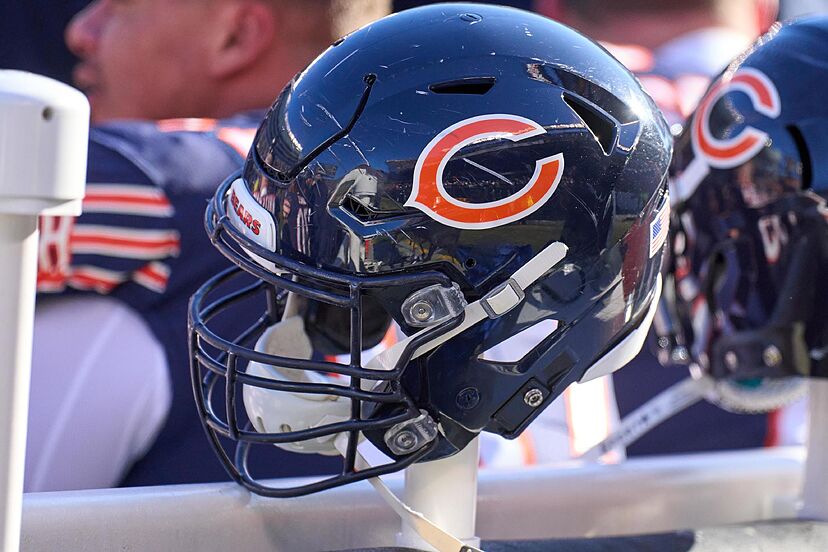
Soldier Field is a landmark with a rich history, but its age and limitations present challenges. The ongoing debate and planning around its future, including potential renovations or a new stadium, are key considerations in assessing the Bears’ long-term asset value.
Halas Hall and Player Development Facilities
The team’s training facility, Halas Hall, and its associated amenities are crucial for player performance and team operations. Modern, state-of-the-art facilities are increasingly important for attracting top talent and can be factored into the overall valuation.
Real Estate Holdings
In some cases, sports franchises may own valuable real estate holdings beyond their stadium and training facilities. These could include land adjacent to their facilities or other commercial properties, which can appreciate over time.
Intangible Assets: Brand Equity and Fan Base
The true enduring value of the Chicago Bears extends far beyond financial metrics, residing in its powerful brand and loyal following.
Brand Recognition and Legacy
The Chicago Bears possess one of the most recognizable brands in all of professional sports. Their storied history, including multiple Super Bowl appearances and championships, has cultivated a deep-seated legacy that resonates with generations of fans. This brand equity translates into sustained interest, media attention, and commercial appeal.
Historical Success and Iconic Players
The team’s past achievements, the legendary figures who have donned the navy and orange, and their association with the city of Chicago create a powerful narrative. This historical weight is an intangible asset that contributes to the team’s enduring value and fan devotion.
The “Monsters of the Midway” Mystique
The “Monsters of the Midway” moniker evokes a powerful image of defensive prowess and a gritty, hard-nosed style of play that is deeply ingrained in the Bears’ identity. This unique brand persona continues to captivate fans and differentiate the team in the league.
Fan Engagement and Loyalty
A passionate and dedicated fan base is arguably the most valuable asset for any sports franchise. The Chicago Bears boast one of the most fervent fan bases in the NFL, characterized by remarkable loyalty, even through periods of on-field struggle.
Season Ticket Holder Base
A strong and consistent season ticket holder base provides a stable foundation for revenue. The Bears’ ability to maintain a substantial season ticket base signifies deep fan commitment.
Local and National Following
Beyond Chicago, the Bears’ have a significant national following, fueled by the league’s popularity and the team’s historical significance. This widespread appeal enhances their value in national media deals and merchandise sales.
Market Dynamics and Valuation Benchmarks
The valuation of the Chicago Bears is also influenced by the broader market for professional sports franchises and comparable sales within the NFL.
Comparable Sales and Industry Trends
The sale prices of other NFL teams provide crucial benchmarks for valuation. Recent transactions, particularly those involving teams in large media markets like Chicago, offer insights into current market appetite and valuation multiples.
Recent NFL Franchise Sales
Analyzing the multiples paid in recent NFL franchise sales—often expressed as a multiple of revenue or EBITDA (earnings before interest, taxes, depreciation, and amortization)—provides a data-driven approach to estimating the Bears’ worth.
Growth Potential and Future Revenue
Factors such as the potential for a new stadium, expansion of media rights, and growth in international markets can all enhance a team’s perceived future revenue potential, thereby increasing its valuation.
The Impact of Ownership and Management
The effectiveness of the ownership group and the management team in terms of strategic decision-making, financial stewardship, and operational efficiency plays a vital role in a franchise’s value. Strong leadership can maximize revenue opportunities, control costs, and build a winning culture, all of which contribute to a higher valuation.
Financial Performance and Profitability
Ultimately, the bottom line matters. A consistently profitable franchise, demonstrating sound financial management and the ability to generate profits beyond league revenue sharing, will command a higher valuation.

Strategic Vision and Future Investments
The ownership’s vision for the future, including potential investments in infrastructure, technology, or player development, signals their commitment to growing the franchise’s value. A clear strategic roadmap can instill confidence in potential investors and buyers.
In conclusion, assessing the worth of the Chicago Bears is a sophisticated exercise that requires a comprehensive understanding of their diverse revenue streams, tangible and intangible assets, and the prevailing market conditions. While precise figures are often proprietary, the combination of a historic brand, a passionate fan base, a significant market, and strategic operational management positions the Bears’ as one of the most valuable entities in professional sports.
LifeOutOfTheBox is a participant in the Amazon Services LLC Associates Program, an affiliate advertising program designed to provide a means for sites to earn advertising fees by advertising and linking to Amazon.com. Amazon, the Amazon logo, AmazonSupply, and the AmazonSupply logo are trademarks of Amazon.com, Inc. or its affiliates. As an Amazon Associate we earn affiliate commissions from qualifying purchases.