
Crafting a compelling and credible travel book about a vibrant metropolis like Chicago requires more than just vivid descriptions and stunning photography. It demands a meticulous approach to factual accuracy, authentic insights, and a clear, engaging presentation that truly serves the reader. While “Chicago Format” traditionally refers to a specific academic citation style, within the realm of travel writing and guidebooks, we interpret it as a practical, professional, and reader-centric methodology for attributing information, verifying facts, and structuring narratives that immerse travelers in the essence of the Windy City. This guide delves into developing a “Chicago Format” for your travel book—a reliable framework that establishes authority, builds trust, and ultimately enhances the reader’s journey through one of America‘s most iconic destinations.

Establishing Credibility in Your Chicago Travel Guide
The foundation of any successful travel guide lies in its credibility. Readers rely on your expertise to navigate unfamiliar territories, make informed decisions, and uncover hidden gems. For a city as rich in history, culture, and dynamic experiences as Chicago, ensuring accuracy and authenticity is paramount. Our “Chicago Format” for travel writers begins with a commitment to verifiable information and transparent sourcing, albeit in a digestible manner for a non-academic audience.
The Importance of Verifiable Facts for the Traveler
Unlike academic papers where citations are explicit footnotes or endnotes, a travel guide’s “citation” often manifests in the inherent trustworthiness of its content. When detailing the height of the Willis Tower or the founding date of the Art Institute of Chicago, readers expect these facts to be precise. Errors not only erode trust but can also lead to disappointing experiences for your audience. For instance, misstating museum hours or the best time to visit Millennium Park can directly impact a traveler’s itinerary.
Building Trust Through Authoritative Voice and Research
To create an authoritative voice, rigorous research is essential. This involves cross-referencing information from multiple reliable sources, such as official tourism websites, historical society archives, local news outlets, and interviews with Chicago experts. While you won’t be writing parenthetical citations in the text, your internal research process should be just as robust. Keep detailed notes of where you gathered information, ensuring you can confidently stand behind every recommendation and historical anecdote. This internal “citation” process strengthens your narrative and allows you to present facts with unwavering confidence.
Gathering Authentic Chicago Insights: Research and Interviews
The true magic of a Chicago travel guide comes from moving beyond generic descriptions to provide authentic, local insights. This involves more than just reading existing guides; it necessitates boots-on-the-ground exploration and direct engagement with the city’s pulse. This section of the “Chicago Format” emphasizes immersive data collection to enrich your narrative.
Immersive Exploration: Experiencing the City Firsthand
To write compellingly about Chicago, you must experience it. Walk the Magnificent Mile, explore the diverse neighborhoods like Wicker Park and Lincoln Park, ride the ‘L’ train, and taste the iconic deep-dish pizza and Chicago-style hot dog. These first-hand experiences form the bedrock of your “citations”—your sensory observations become the primary source material, lending a genuine and personal touch that secondary sources cannot replicate. Document everything: sensory details, logistical challenges, unexpected delights, and local interactions.
Engaging with Locals: The Heart of Chicago’s Story
Interviews with Chicago residents, business owners, historians, and artists are invaluable. A chef in a West Loop restaurant, a docent at the Field Museum, or a street artist in Pilsen can offer perspectives and stories that bring your guide to life. When incorporating these voices, you can attribute them directly in your narrative (“According to local historian Jane Doe…”) or weave their insights into the general recommendation (“Locals swear by the vibrant atmosphere of…”). This informal attribution style serves as your guide’s “citation,” demonstrating that your insights are rooted in genuine local knowledge, making your guide feel more like a conversation with an insider.
Leveraging Official and Unofficial Resources
Beyond personal experience and interviews, a comprehensive “Chicago Format” book integrates information from a wide array of sources:
- Official Tourism Boards: Choose Chicago provides essential logistical and event information.
- Historical Societies and Museums: Institutions like the Chicago History Museum offer deep dives into the city’s past, from its founding to the era of Al Capone.
- Local Journalism: Reputable Chicago publications often have the most up-to-date information on trends, events (like Lollapalooza), and new establishments.
- Architectural Foundations: Organizations dedicated to Chicago’s architectural heritage, such as the Chicago Architecture Center, are crucial for detailing landmarks designed by visionaries like Frank Lloyd Wright.
While these sources may not receive formal footnotes, their factual contributions shape the reliable core of your guide.
Structuring Your Chicago Narratives: Beyond the Basics
The way you structure your information in a Chicago travel book significantly impacts its usability and appeal. The “Chicago Format” emphasizes a logical flow, clear categorization, and a narrative style that is both informative and inspiring. It’s about organizing your “citations” of facts and experiences into a coherent, engaging journey.
Logical Progression and Thematic Grouping
Organize your guide in a way that makes sense to a traveler. Common approaches include:
- By Neighborhood: Hyde Park, The Loop, River North – each with its own character and attractions. This allows for easy exploration.
- By Interest: Sections on “Foodie Chicago,” “Arts and Culture,” “Family Adventures,” or “Nightlife” cater to specific traveler profiles.
- By Itinerary: Suggesting 1-day, 3-day, or 5-day itineraries offers practical guidance.
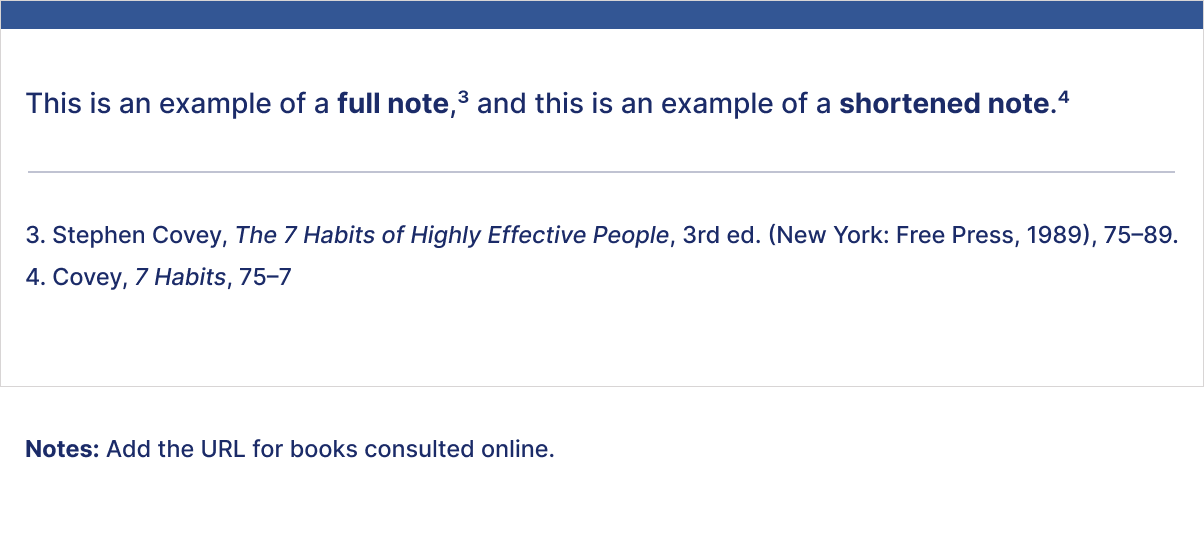
Within these sections, facts, anecdotes, and recommendations should flow naturally. For instance, when describing Navy Pier, you might include its history, key attractions, dining options, and practical tips, all within a cohesive narrative block.
Integrating Anecdotes and Personal Touches
While facts are crucial, a travel guide needs personality. Weaving in personal anecdotes, quirky observations, or fascinating historical tidbits (even those without explicit “citations” if they are commonly accepted facts about Chicago) makes the guide more engaging. For example, rather than just stating Cloud Gate (The Bean) is in Millennium Park, you might describe the unique reflections or the buzz of activity around it. These personal touches, grounded in your own experiences, become part of your guide’s unique “format.”
Attributing Facts and Figures for the Chicago Traveler
Effective attribution in a travel book is about striking a balance between academic rigor and narrative fluidity. The “Chicago Format” in this context is about transparently incorporating information without disrupting the reader’s immersive experience. It’s about giving credit where credit is due, not just for ethical reasons, but to enhance the perceived reliability of your guide.
Indirect and Direct Attribution
For the vast majority of factual information—historical dates, opening hours, general descriptions—indirect attribution through diligent research is sufficient. The sheer volume of such facts in a travel guide makes formal citations impractical and cumbersome for the reader. Your reputation as an author serves as the primary “citation.”
However, for specific opinions, controversial statements, or particularly unique insights derived from an interview, direct attribution is beneficial.
- Example: “According to Chef Maria Rodriguez of The Aviary, the Chicago culinary scene is constantly evolving…”
- Example: “Historians at the Newberry Library point to a lesser-known aspect of the Great Chicago Fire…”
This method clearly signals to the reader that the information comes from a specific source, bolstering your guide’s authority.
The Role of Fact-Checking in Travel Writing
Before publication, every factual claim in your Chicago travel book must undergo rigorous fact-checking. This involves:
- Verifying addresses and contact details: Crucial for hotels, restaurants, and attractions.
- Confirming operating hours and admission fees: These frequently change and are vital for travelers.
- Cross-referencing historical data: Ensure dates, names, and events are accurate.
- Checking transportation details: Routes, fares, and accessibility information.
Think of this as your guide’s invisible “Works Cited” page—the internal validation that ensures every piece of information you provide is correct and up-to-date for a visitor exploring Illinois‘s largest city.
The Chicago ‘Format’: Crafting an Engaging Reader Experience
Ultimately, the “Chicago Format” for your travel book transcends mere factual accuracy; it’s about delivering an engaging, inspiring, and user-friendly experience. It’s the synthesis of robust research, authentic insights, and a thoughtful presentation that makes your guide indispensable.
User-Friendly Layout and Design
A well-designed layout is crucial. Use clear headings, bullet points, maps, and high-quality photography to break up text and make information easily digestible. Sections on “What to Do,” “Where to Eat,” and “Practical Tips” should be immediately identifiable. A consistent visual “format” throughout your book helps readers quickly find what they need, enhancing their overall experience of planning and executing their Chicago adventure.
Balancing Practicality with Inspiration
Your Chicago travel book should offer both practical advice (e.g., how to use the Ventra card for public transport, safety tips) and inspiring narratives that ignite wanderlust. Describe the feeling of standing atop the Willis Tower Skydeck, the aroma of a bustling Maxwell Street Market, or the vibrant energy of a summer festival. This balance ensures your guide is not just a directory but a true companion.

A Living Document: Embracing Updates and Feedback
The best travel guides are those that evolve. Acknowledge that Chicago is a dynamic city, with new restaurants opening, attractions changing, and trends shifting. While a physical book cannot be updated instantaneously, embracing a “living document” mindset means continuously refining your information for subsequent editions or companion online content. Encouraging reader feedback (e.g., through a dedicated website or social media presence) allows you to gather new “citations” from travelers themselves, further enriching the depth and accuracy of your “Chicago Format” guide.
In conclusion, “How To Cite Book Chicago Format” for travel writing isn’t about adhering to academic strictures, but about forging a guide that embodies the spirit of Chicago itself: robust, honest, and endlessly fascinating. By prioritizing verifiable facts, authentic experiences, and a clear, engaging presentation, your travel book will not only inform but truly inspire every journey through this magnificent city.
LifeOutOfTheBox is a participant in the Amazon Services LLC Associates Program, an affiliate advertising program designed to provide a means for sites to earn advertising fees by advertising and linking to Amazon.com. Amazon, the Amazon logo, AmazonSupply, and the AmazonSupply logo are trademarks of Amazon.com, Inc. or its affiliates. As an Amazon Associate we earn affiliate commissions from qualifying purchases.