
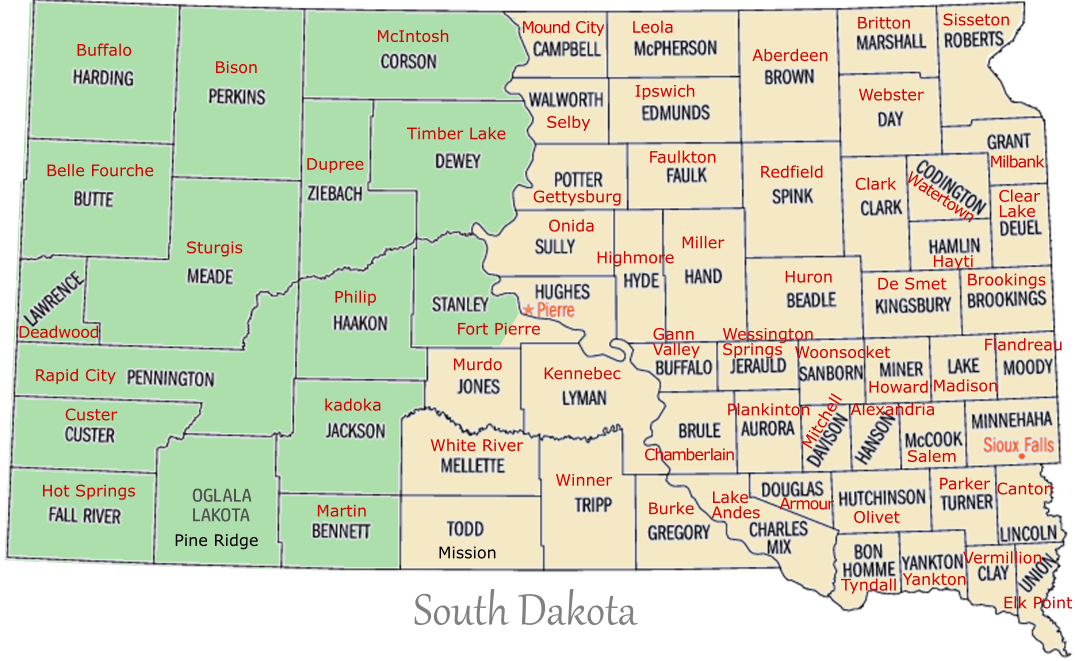
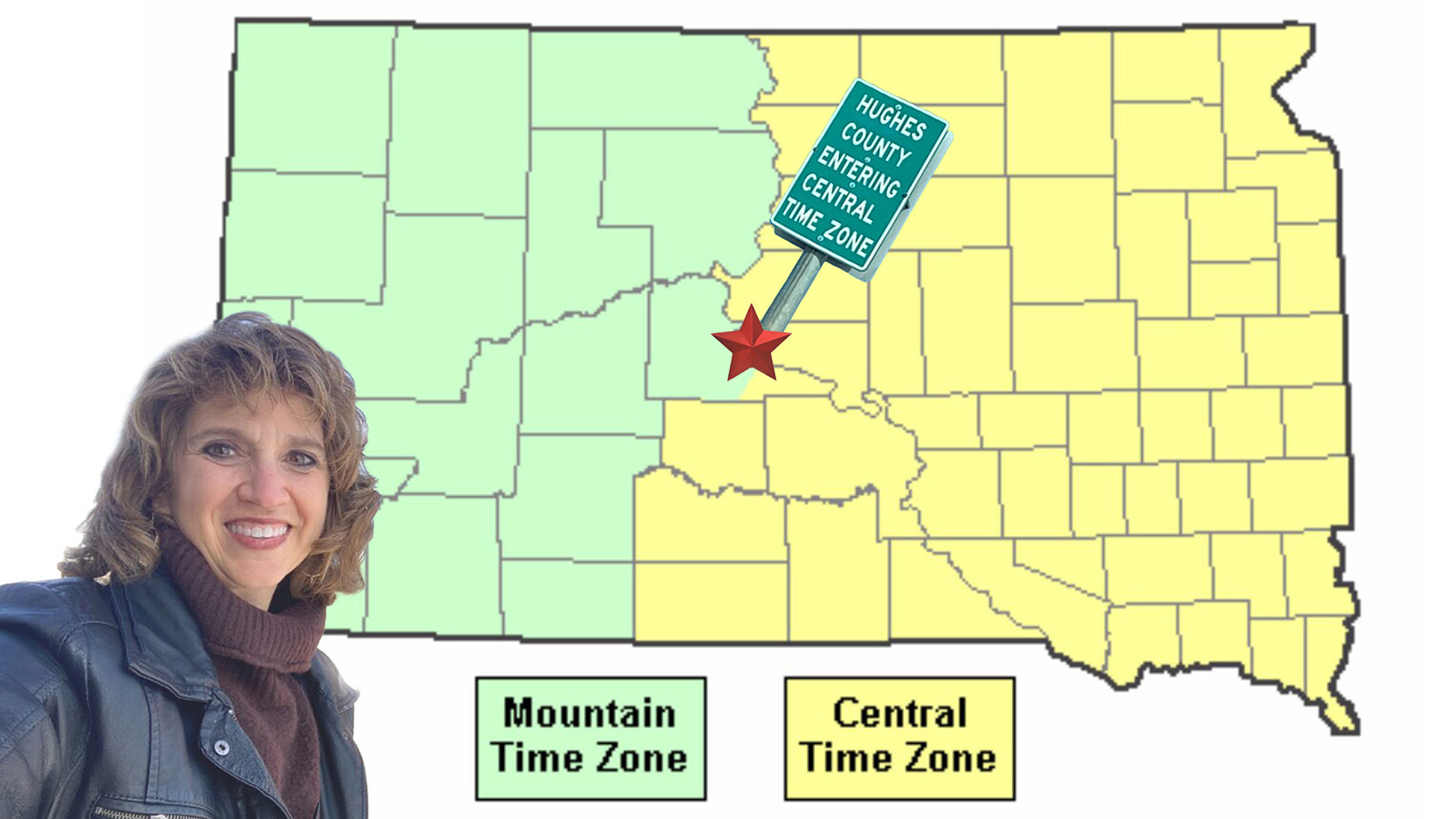
When you ask “What is time in South Dakota?”, you’re asking more than just about a clock. While the state technically spans two time zones – with most of its western half observing Mountain Time and the eastern portion on Central Time – the real question for any traveler is about the experience of time. It’s about how moments stretch into unforgettable memories against a backdrop of awe-inspiring landscapes, rich history, and vibrant culture. South Dakota invites visitors to slow down and savor every minute, or to pack an itinerary brimming with adventure. From the colossal carvings of the Black Hills to the serene waters of the Missouri River and the bustling energy of Sioux Falls, this state offers a diverse canvas for however you wish to spend your precious time. This article delves into the multifaceted “time” of South Dakota, guiding you through its iconic attractions, suggesting ideal durations for various trips, and helping you craft an itinerary that truly captures the essence of this remarkable destination.
The Allure of South Dakota: A Timeless Journey
South Dakota is a land of dramatic contrasts, where ancient geological formations meet pioneering spirit, and serene prairies transition into rugged mountains. Its unique geographical and cultural tapestry ensures that no matter how much time you have, there’s an experience waiting to etch itself into your memory. Understanding the distinct characteristics of its regions is key to planning your temporal adventure.
Western South Dakota: Iconic Landmarks and Rugged Beauty
The western part of South Dakota is arguably its most famous, largely due to the monumental presence of Mount Rushmore National Memorial. This iconic sculpture of four American presidents is more than just a photo opportunity; it’s a profound symbol of democracy and perseverance, commanding respectful contemplation. Visitors typically spend a few hours exploring the memorial, the visitor center, and the Presidential Trail, allowing time for reflection and photography.
Just a short drive away lies the ongoing saga of the Crazy Horse Memorial, an ambitious carving dedicated to the Lakota leader. While still under construction, its scale and the vision behind it are truly impressive. A visit here offers insights into Native American culture and history, complementing the grandeur of Mount Rushmore.
Beyond these human-made wonders, nature reigns supreme. Badlands National Park presents an otherworldly landscape of sculpted pinnacles, deep canyons, and expansive mixed-grass Prairie. Driving the scenic loop, stopping at overlooks, and embarking on short hikes can easily fill a half to a full day. The park is also renowned for its fossil beds and abundant wildlife, including bison, bighorn sheep, and prairie dogs.
Nestled within the breathtaking Black Hills National Forest, Custer State Park is a jewel offering an unparalleled blend of scenic drives, wildlife viewing, and outdoor recreation. The Wildlife Loop Road is famous for its bison herds, pronghorns, and burros, providing unforgettable encounters with nature. The park also boasts the spectacular Needles Highway and Iron Mountain Road, part of the larger Peter Norbeck Scenic Byway, which twist through granite spires and unique tunnels like the Needles Eye Tunnel, offering panoramic views from points like the Mount Coolidge Fire Tower. Hiking trails abound, from leisurely strolls to challenging climbs to Mount Harney (Black Elk Peak), the highest point east of the Rocky Mountains. A minimum of two days is recommended to truly experience the diverse offerings of Custer State Park.
The Black Hills are also home to subterranean wonders. Wind Cave National Park is one of the world’s longest and most complex caves, known for its unique boxwork formations. Jewel Cave National Monument offers another intricate labyrinth of passages, adorned with calcite crystals. Guided tours of these caves typically last 1-2 hours.
History buffs will revel in Deadwood, a town steeped in the legends of the Wild West and the Gold Rush. Walk in the footsteps of figures like Calamity Jane and Wild Bill Hickok, visit historic saloons, and try your luck at the casinos. A full day allows for exploration of its main street, museums, and historic sites.
Rapid City serves as the vibrant gateway to the Black Hills, offering a convenient base for exploring western South Dakota. The city itself boasts attractions like Reptile Gardens, Bear Country USA, and the “City of Presidents” statues downtown. Nearby, Wall Drug Store has transformed a simple drug store into a sprawling tourist complex with free ice water and 5-cent coffee, drawing visitors from across the globe.
Eastern South Dakota: Prairie Panoramas and Cultural Gems
While the west often grabs the headlines, eastern South Dakota offers its own distinct charm, characterized by rolling prairies, agricultural landscapes, and the mighty Missouri River.
Sioux Falls, the state’s largest city, is a dynamic hub of arts, culture, and outdoor recreation. The picturesque Falls Park, where the Big Sioux River tumbles over pink quartzite, is the city’s namesake and a must-visit. Explore the Big Sioux River Recreation Trail by foot or bike, delve into art and science at the Washington Pavilion of Arts and Science, or wander through the outdoor art installations of SculptureWalk. Sioux Falls offers a sophisticated urban experience complemented by beautiful green spaces, making it worthy of a two-to-three-day visit.
The Missouri River carves a significant path through the state, creating massive lakes ideal for fishing, boating, and water sports. Areas like Lewis & Clark Recreation Area near Yankton and the sprawling Lake Oahe near Pierre and Mobridge are prime destinations for those seeking aquatic adventures or tranquil lakeside retreats. These areas can easily command several days for a relaxing vacation.
Unique cultural landmarks dot the eastern landscape. Mitchell is home to the one-of-a-kind Corn Palace, an elaborate building decorated annually with murals made from corn and other grains. This quirky attraction provides a fun stop and a glimpse into local agricultural heritage. Further north, near Watertown, the Redlin Art Center showcases the stunning wildlife and landscape paintings of Terry Redlin.

History comes alive at sites like the Minuteman Missile National Historic Site near the Badlands, offering a sobering look at a Cold War-era missile silo. The Akta Lakota Museum & Cultural Center in Chamberlain offers profound insights into Lakota heritage and contemporary life.
Crafting Your South Dakota Itinerary: Making the Most of Your Time
The “time” you spend in South Dakota is entirely up to your interests and schedule. However, certain durations lend themselves better to specific types of exploration, ensuring you don’t feel rushed or miss out on key experiences.
Suggested Durations for Different Experiences
- Weekend Getaway (2-3 Days): A short trip is best focused on one region. For the west, base yourself in Rapid City and explore Mount Rushmore, Custer State Park (with a drive through the Wildlife Loop and perhaps Sylvan Lake), and Deadwood. In the east, immerse yourself in Sioux Falls, enjoying Falls Park, its downtown attractions, and maybe a visit to a nearby state park like Palisades State Park.
- 5-7 Day Exploration: This duration allows for a comprehensive tour of the western attractions. Start in Rapid City and dedicate at least 2-3 days to the Black Hills (including Mount Rushmore, Crazy Horse Memorial, and Custer State Park). Add a full day for Badlands National Park and Wall Drug Store. You could also fit in Deadwood or the caves. For those with a taste for adventure, this length provides enough time to enjoy hiking, biking, or even horseback riding.
- 10+ Day Deep Dive: To truly experience the breadth of South Dakota, a longer trip is ideal. Begin in the west, exploring all the major Black Hills and Badlands sites thoroughly. Then, drive eastward, stopping in Chamberlain for the Akta Lakota Museum, Mitchell for the Corn Palace, and ending your journey in Sioux Falls. This allows for scenic drives along the Missouri River, enjoying water activities, and discovering charming small towns and lesser-known state parks. A 10-day trip also allows for a slower pace, giving you more “down time” to relax and soak in the atmosphere.
Seasonal Considerations: Time’s Impact on Activities
The time of year dramatically shapes your South Dakota experience.
- Summer (June-August): This is peak tourist season, offering warm weather and full access to all attractions and activities. It’s perfect for hiking, camping, water sports, and attending events like the Sturgis Motorcycle Rally (early August). Be prepared for crowds, especially around major landmarks, and higher accommodation prices.
- Fall (September-October): The Black Hills transform with stunning autumn foliage, offering a quieter, more serene experience. Wildlife is often more active, and the weather is generally mild and pleasant for outdoor activities. This is an excellent time for photography and scenic drives.
- Winter (November-March): While many outdoor attractions may have limited access due to snow, winter in South Dakota offers unique beauty and opportunities for winter sports like skiing at Terry Peak Ski Area in the Northern Hills, snowmobiling, and ice fishing on the frozen lakes. Cities like Sioux Falls remain vibrant with indoor attractions.
- Spring (April-May): As the snow melts, South Dakota bursts with new life. Wildflowers emerge, and wildlife viewing opportunities are excellent as animals become more active. While some higher elevation roads might still be closed early in the season, it’s a great time for nature lovers before the summer crowds arrive.
Where to Spend Your Time: Accommodation and Lifestyle Choices
“Time” in South Dakota also refers to the quality of your stay, from the comfort of your accommodation to the richness of your daily experiences. The state offers a wide range of options to suit every travel style and budget.
Hotels and Resorts: Your Home Away From Home
For those seeking comfort and convenience, South Dakota offers numerous hotels and resorts. In the Black Hills, you can find luxurious lodges nestled amidst stunning scenery, like Sylvan Lake Lodge or the historic Game Lodge at Custer State Park, which once hosted President Calvin Coolidge. These offer an immersive experience with direct access to nature. Other popular choices in the Black Hills include the charming K Bar S Lodge near Keystone.
Rapid City serves as a major accommodation hub, with a wide array of hotels ranging from budget-friendly options to upscale establishments. Here you might find well-known brands such as Comfort Inn & Suites, Best Western Plus Rapid City Rushmore, Holiday Inn Express & Suites Rapid City, Ramada by Wyndham Rapid City, and Hilton Garden Inn Rapid City. For those seeking a blend of comfort and local character, consider the Rushmore Hotel & Suites (also known as The Rushmore Hotel and Suites, BW Premier Collection), the modern Cambria Hotel Rapid City, or the historic Hotel Alex Johnson Rapid City, BW Signature Collection, known for its unique atmosphere and alleged paranormal activity.
In Sioux Falls, you’ll find similar options, catering to both business and leisure travelers. Lakeside lodges and cabins are abundant along the Missouri River and other state parks, providing idyllic settings for family vacations or romantic escapes. Many visitors also opt for camping within the national and state parks, allowing for an even deeper connection with nature.
Beyond the Hotel: Immersive Experiences
Your time in South Dakota extends far beyond where you sleep. Dining experiences range from hearty cowboy fare and wild game specialties in the west to farm-to-table cuisine and international flavors in Sioux Falls. Don’t miss trying local staples like bison burgers or chislic (cubed meat).
Shopping offers opportunities to bring a piece of South Dakota home, from Native American artwork and jewelry to unique souvenirs from Wall Drug Store. Engaging with local artisans and craftspeople provides a glimpse into the state’s vibrant creative spirit.
Moreover, South Dakota hosts a calendar full of events and festivals that offer unique cultural immersion. Beyond the renowned Sturgis Motorcycle Rally, you can find powwows, rodeos, county fairs, and music festivals that showcase the authentic heart of the state. These events are not just entertainment; they are a window into the local lifestyle and traditions, offering a timeless way to connect with the land and its people.
Practicalities of Time in South Dakota: Getting There and Around
Efficient travel planning ensures that more of your “time” is spent enjoying South Dakota rather than navigating logistics.
Accessibility: Airports and Driving Routes
Most visitors arrive by air or car. South Dakota is well-connected by regional airports, with the primary ones being Rapid City Regional Airport (RAP) for the western part of the state and Sioux Falls Regional Airport (FSD) for the east. Both offer connections to major hubs like Denver International Airport (DIA), Minneapolis-Saint Paul International Airport (MSP), and Chicago.
Driving is often the preferred method of exploration, allowing for flexibility and access to scenic byways. South Dakota is easily accessible from neighboring states like Wyoming, Nebraska, Iowa, Minnesota, and North Dakota, with major interstates like I-90 traversing the state from east to west. Once within the state, a network of well-maintained highways and the aforementioned scenic byways connect all major attractions, turning the journey itself into an integral part of the experience.
Navigating the Time Zones
While the experiential aspect of “time” in South Dakota is paramount, it’s worth noting the actual time zones. The majority of the state, particularly all the key tourist destinations in the west like the Black Hills, Badlands National Park, and Rapid City, observes Mountain Time (MT). The eastern third of the state, including Sioux Falls, Mitchell, and Yankton, operates on Central Time (CT). This means a one-hour difference if you travel across the central part of the state, specifically when crossing the 100th meridian west. While this might require a quick adjustment of your watch, it’s a minor detail compared to the vast, timeless experiences awaiting you. Most travelers primarily focused on the Black Hills and Badlands region will remain firmly within the Mountain Time zone for the duration of their visit, simplifying planning.
In conclusion, “What is time in South Dakota?” is a question best answered by the traveler themselves. It’s the time spent in awe before Mount Rushmore, the hours lost exploring ancient badlands, the moments of tranquility by the Missouri River, and the lively energy of its cities. Whether you have a weekend or an extended vacation, South Dakota offers a landscape rich in history, natural beauty, and adventure, promising a truly timeless journey. Plan your trip, embrace the spirit of discovery, and let South Dakota redefine your sense of time.
LifeOutOfTheBox is a participant in the Amazon Services LLC Associates Program, an affiliate advertising program designed to provide a means for sites to earn advertising fees by advertising and linking to Amazon.com. Amazon, the Amazon logo, AmazonSupply, and the AmazonSupply logo are trademarks of Amazon.com, Inc. or its affiliates. As an Amazon Associate we earn affiliate commissions from qualifying purchases.