
Chicago, the vibrant heart of the American Midwest, is a city that captivates with its stunning architecture, world-class museums, innovative culinary scene, and lively arts culture. Yet, for many prospective visitors, a crucial question often arises: “Is Chicago a safe city to visit?” The media narrative surrounding urban crime can be daunting, leading to understandable concerns. This comprehensive guide aims to cut through the noise, providing a balanced, insightful, and professional perspective on safety for anyone planning a trip to the Windy City.
Chicago, like any major metropolitan area in the United States, has its share of challenges. However, the experience for tourists, particularly within the well-trafficked and popular areas, is overwhelmingly positive and secure. Understanding the city’s geography, being aware of your surroundings, and following common-sense safety practices are key to enjoying all that this incredible destination has to offer.
Understanding Chicago’s Safety Landscape
The perception of safety in a large city like Chicago is often heavily influenced by news headlines, which tend to focus on specific, often isolated, incidents or trends in particular neighborhoods. For travelers, it’s essential to differentiate between the broader city crime statistics and the actual risk experienced in tourist-centric zones.
The Media Narrative vs. Reality
News reports frequently highlight spikes in violent crime, which can create an impression of widespread danger. While it’s true that Chicago has grappled with elevated crime rates in recent years, especially concerning gun violence, these issues are largely concentrated in specific neighborhoods far removed from the areas tourists typically frequent. The vast majority of visitors will spend their time exploring downtown, the lakefront, and other popular districts where crime rates are significantly lower and more comparable to other major tourist cities globally.
The reality for tourists is that opportunistic crimes, such as pickpocketing or bag snatching, are far more common than violent crime. These types of incidents are also prevalent in crowded tourist areas worldwide, underscoring the importance of basic situational awareness rather than an overblown fear of the city itself.
Crime Statistics: What They Mean for Tourists
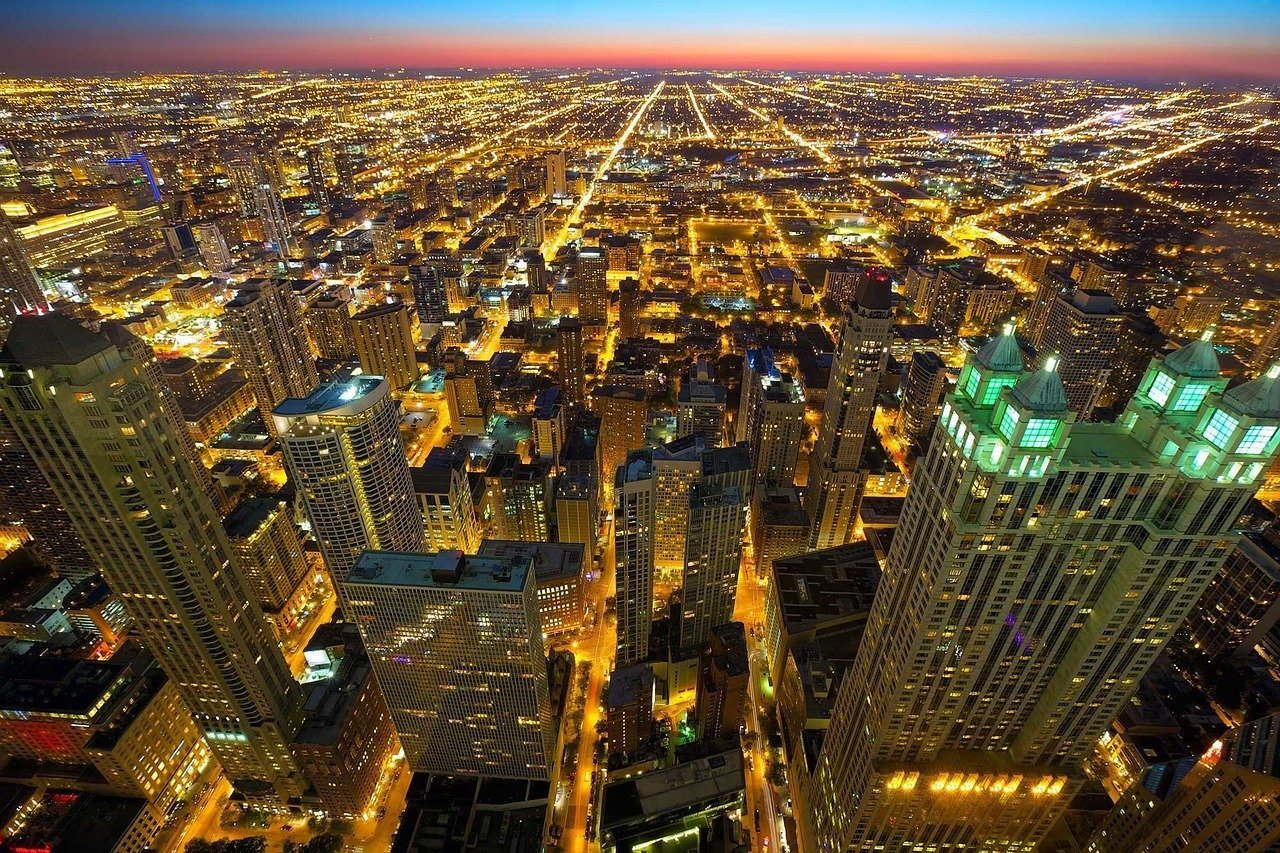
When analyzing crime statistics, it’s crucial to look at geographical distribution. Crime in Chicago is highly localized. Neighborhoods with the highest crime rates are typically on the South and West sides of the city. Tourists generally stay in, and explore, the central business district known as The Loop, the vibrant shopping district of the Magnificent Mile, the upscale areas of Streeterville and Gold Coast, and the family-friendly Lincoln Park. These areas are well-patrolled, bustling with activity, and generally very safe, even after dark.
For example, data often shows that the majority of violent crimes do not occur in The Loop or the North Side neighborhoods popular with visitors. Instead, they occur in a relatively small number of police districts. This distinction is vital for travelers to understand, as it helps contextualize the risks and puts them into a more realistic perspective for their intended itinerary.
Geographic Concentration of Crime
To put it simply, if you’re visiting Chicago to see attractions like Millennium Park, the Art Institute of Chicago, the Willis Tower, or Navy Pier, you are highly unlikely to encounter the types of crime that dominate local headlines. These areas are heavily trafficked by locals and tourists alike, have a strong police presence, and are monitored by security cameras. While no city can guarantee 100% safety, these zones are designed to be welcoming and secure for visitors.
Navigating Chicago: Safe Neighborhoods and Areas to Be Mindful Of
Knowing which areas are generally safe and which might require extra caution is fundamental for any traveler. Chicago offers a plethora of fantastic neighborhoods, and most are perfectly enjoyable for visitors.
Top Tourist Areas: The Loop, Magnificent Mile, Streeterville, Lincoln Park, Gold Coast
These neighborhoods form the core of the tourist experience in Chicago and are considered very safe:
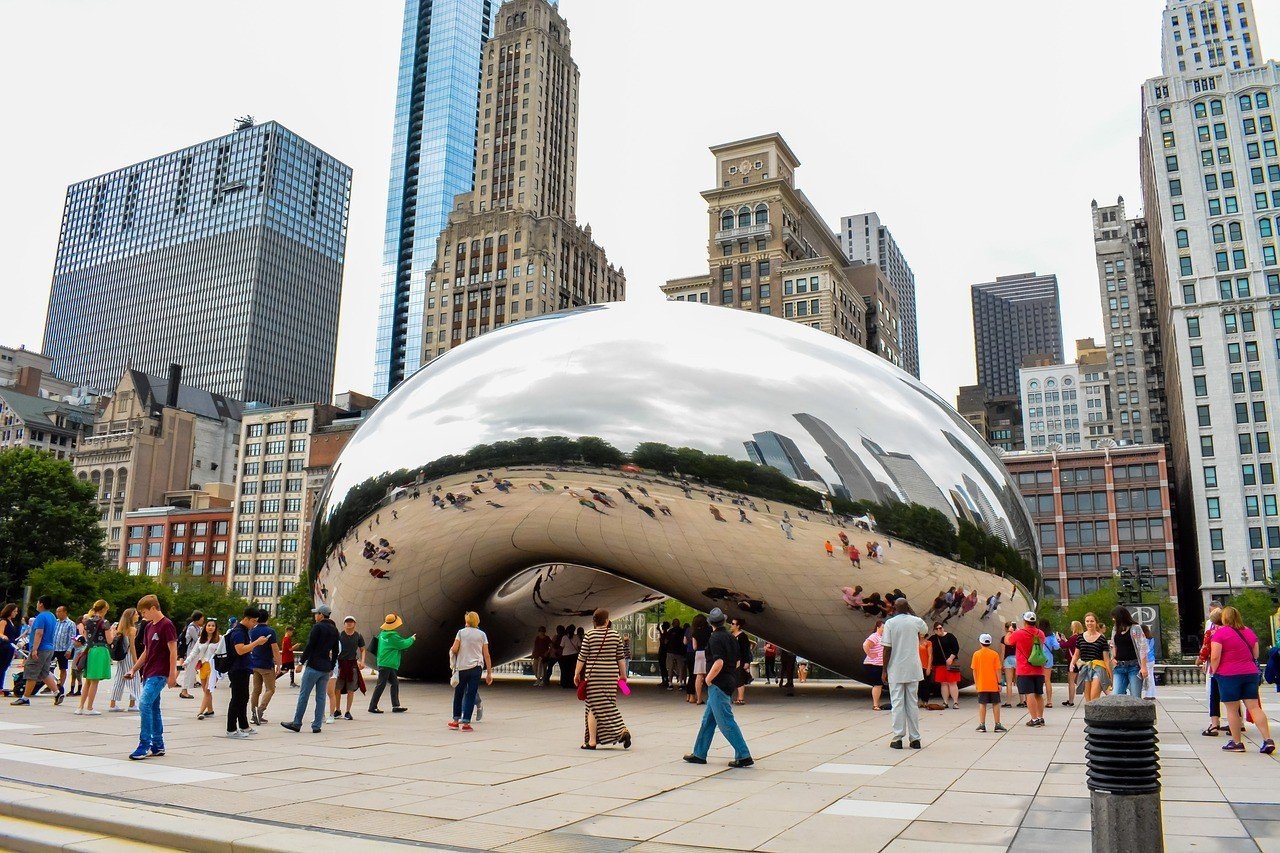
- The Loop: Home to iconic skyscrapers, Cloud Gate (The Bean), Grant Park, and the Art Institute of Chicago. It’s a bustling business district during the day and remains vibrant into the evening, especially around the theater district.
- Magnificent Mile & Streeterville: A shopper’s paradise along Michigan Avenue, leading to Navy Pier and luxury hotels. These areas are highly polished, well-lit, and constantly monitored.
- Gold Coast: Known for its historic mansions, upscale boutiques, and fine dining. It’s one of Chicago’s wealthiest and safest residential areas.
- Lincoln Park: Features the free Lincoln Park Zoo, beautiful parkland, boutique shops, and charming residential streets. It’s a very safe and family-friendly neighborhood.
- River North: Famous for its art galleries, restaurants, and nightlife. It’s generally very safe, especially around popular venues.
- Wrigleyville: Centered around Wrigley Field, it’s incredibly lively on game days and generally safe. Be aware of crowds and celebratory antics after games.
Areas Requiring Extra Vigilance or Avoidance
While it’s rare for tourists to venture into them, certain neighborhoods on the far South and West sides of Chicago have higher crime rates. These areas are not tourist destinations and lack major attractions. It’s wise to avoid wandering into unfamiliar parts of these districts, especially at night. If using ride-shares or taxis, confirm your destination to avoid accidental detours into less safe areas. Stick to the well-known tourist routes, and you should be fine.
Public Transportation Safety
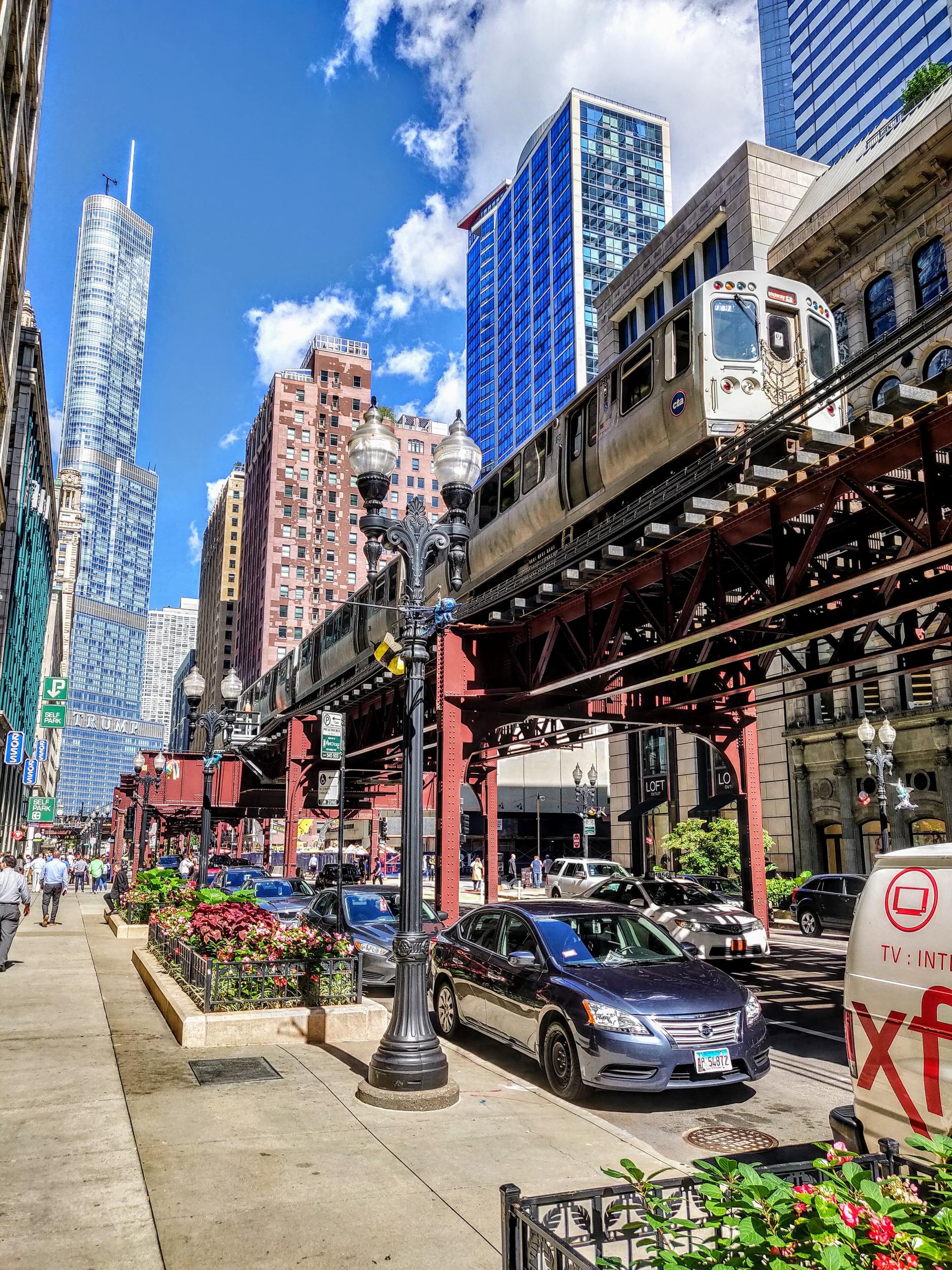
Chicago’s public transportation, managed by the CTA (Chicago Transit Authority), is an efficient and affordable way to get around. The “L” train and bus systems are generally safe, particularly during the day and peak hours. Like any subway system in a major city, it’s advisable to be aware of your surroundings, especially when riding late at night or in sparsely populated stations.
- Keep valuables out of sight.
- Avoid engaging with aggressive panhandlers.
- Travel with a companion if possible during off-peak night hours.
- Utilize crowded cars rather than empty ones.
Taking a taxi or ride-share service (Uber or Lyft) is also a safe and convenient option, particularly when returning to your hotel late at night.
Staying Safe: Essential Tips for Visitors
Beyond knowing which areas to visit, adopting some universal safety practices will significantly enhance your experience in Chicago.
Situational Awareness and Personal Belongings
This is perhaps the most critical tip for any traveler. Be aware of your surroundings, especially in crowded places like train stations, tourist attractions, or busy streets.
- Keep your phone and wallet secure: Avoid putting your phone or wallet in your back pocket. Use a cross-body bag or a front pocket that zips.
- Don’t flash valuables: Limit displaying expensive jewelry, electronics, or large sums of cash.
- Be wary of distractions: Pickpockets often work in teams, with one person creating a distraction while another steals your belongings.
Evening and Nighttime Precautions
While many tourist areas are safe after dark, it’s always wise to exercise extra caution at night.
- Stick to well-lit, populated streets: Avoid shortcuts through alleys or dark, empty streets.
- Travel in groups: There’s safety in numbers.
- Use reputable transportation: Opt for taxis or ride-shares instead of walking long distances at night, especially if you’re unsure of the area.
- Limit alcohol consumption: Excessive drinking can impair judgment and make you more vulnerable.
Trusting Your Instincts
If a situation or an area feels unsafe, trust your gut feeling and remove yourself from it. It’s better to be overly cautious than to regret it later. If someone approaches you aggressively or suspiciously, maintain distance and walk away. Don’t be afraid to enter a store or restaurant if you feel threatened.
Emergency Contacts and Resources
Before you arrive, save important numbers in your phone:
- 911: For all emergencies (police, fire, medical).
- Your hotel’s front desk number.
- Contact information for your travel companions.
The Chicago Police Department is visible and responsive in tourist areas, and officers are generally helpful if you need assistance or directions.
Exploring Chicago’s Attractions Safely
Chicago boasts an incredible array of attractions. With sensible precautions, you can enjoy them all without undue worry.
Daytime Exploration: Parks, Museums, and Iconic Structures
During the day, Chicago’s parks, like Millennium Park and Grant Park, and its world-class museums such as the Field Museum, Shedd Aquarium, and the Museum of Science and Industry in Hyde Park, are vibrant and safe. The Riverwalk offers stunning views and is perfect for a leisurely stroll or an architectural boat tour.
- Always be aware of cyclists and runners in parks and on the Lake Michigan path.
- Keep bags closed and secured while admiring views or taking photos.
Nightlife and Dining Safety
Chicago’s dining scene and nightlife are legendary. From Michelin-starred restaurants to speakeasies and jazz clubs, there’s something for everyone.
- Choose reputable establishments: Stick to well-reviewed restaurants and bars, especially in areas like River North, West Loop, Wicker Park, and Logan Square.
- Arrange transportation: If you plan on drinking, pre-arrange a taxi or ride-share to get back to your accommodation.
- Watch your drinks: Never leave your drink unattended.
Events and Festivals
Chicago hosts numerous festivals and events throughout the year, from Lollapalooza in Grant Park to neighborhood street festivals. These events draw large crowds, creating an exciting atmosphere but also opportunities for pickpocketing.
- Travel light: Bring only essentials and use a secure bag.
- Plan meeting points: If attending with a group, establish a meeting point in case you get separated.
- Stay hydrated: Especially important during summer festivals.
Beyond the Headlines: Why Chicago Remains a Top Travel Destination
Despite safety concerns amplified by media reports, Chicago continues to be an extraordinary and incredibly rewarding travel destination. Its vibrancy, cultural richness, and genuine hospitality make it a must-visit city.
World-Class Attractions and Culture
From the iconic Sears Tower (now Willis Tower) to the masterpieces within the Art Institute of Chicago, Chicago’s attractions are second to none. The Chicago Theatre and Second City offer unparalleled entertainment. The city’s commitment to public art and green spaces ensures there’s always something beautiful to discover around every corner.
Vibrant Culinary Scene
Chicago’s food scene is diverse and dynamic, catering to every palate and budget. From deep-dish pizza to innovative fine dining, the city is a culinary mecca. Exploring different neighborhoods through their food is one of the most rewarding experiences.
Hospitable Locals and Diverse Experiences
Chicagoans are known for their Midwestern friendliness and pride in their city. Visitors often find locals eager to offer directions or recommendations. The city embraces a rich tapestry of cultures, offering diverse experiences from bustling markets to serene lakefront views. Whether you’re catching a game at Soldier Field or the United Center, enjoying a concert, or simply admiring the skyline, Chicago offers an unforgettable journey.
In conclusion, “Is Chicago a safe city to visit?” The answer, for the vast majority of tourists who stick to well-known areas and practice basic travel safety, is a resounding yes. By understanding the city’s layout, being mindful of your surroundings, and utilizing common-sense precautions, you can confidently explore and enjoy the incredible experiences that Chicago, Illinois, has to offer. Prepare to be charmed, inspired, and thoroughly entertained by this magnificent urban gem.
LifeOutOfTheBox is a participant in the Amazon Services LLC Associates Program, an affiliate advertising program designed to provide a means for sites to earn advertising fees by advertising and linking to Amazon.com. Amazon, the Amazon logo, AmazonSupply, and the AmazonSupply logo are trademarks of Amazon.com, Inc. or its affiliates. As an Amazon Associate we earn affiliate commissions from qualifying purchases.