
For anyone planning a trip to the Golden State, from the bustling streets of Los Angeles to the serene vineyards of Napa Valley, understanding the local time zone is more than just a trivial detail—it’s a critical component for a seamless and enjoyable travel experience. The short answer to “Is California Pacific Daylight Time?” is yes, for a significant portion of the year. From mid-March to early November, California observes Pacific Daylight Time (PDT). For the remainder of the year, typically from early November to mid-March, it switches to Pacific Standard Time (PST). This biennial shift, a practice known as Daylight Saving Time, impacts everything from flight schedules and hotel check-in times to the operating hours of popular attractions and even your personal body clock.
Navigating these time changes is crucial for optimizing your itinerary, whether you’re seeking luxury accommodations in Beverly Hills, exploring historical landmarks like Alcatraz Island, or embarking on an adventurous road trip along Big Sur. This article will demystify California’s time zone, explain its implications for travelers, and offer practical tips to ensure your visit is perfectly timed.
Demystifying California’s Time Zone: PDT, PST, and DST
The concept of time zones, particularly when intertwined with Daylight Saving Time, can be a source of confusion for many. However, understanding how California operates within the Pacific Time Zone is fundamental for any visitor.
The Core of Pacific Time
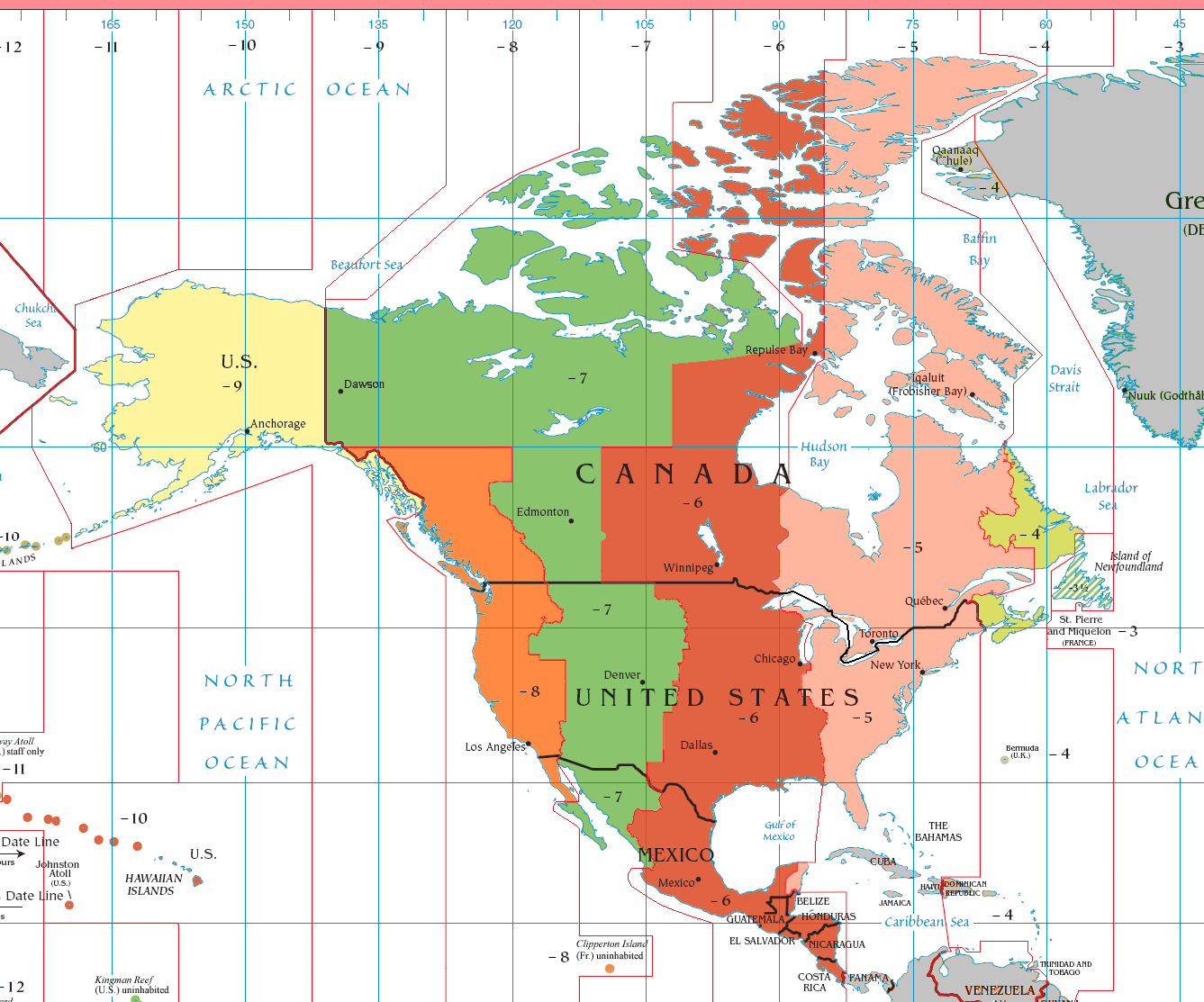
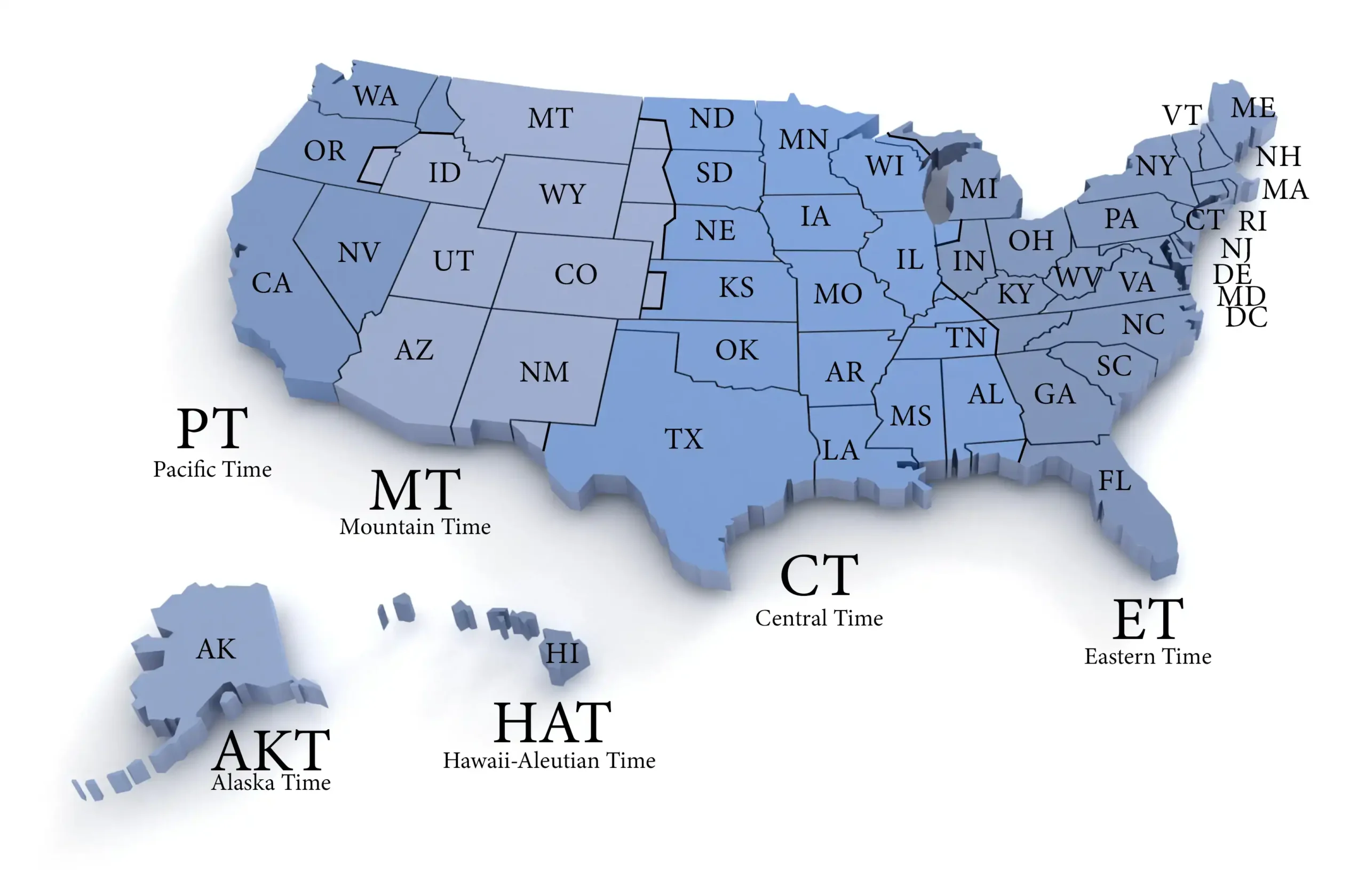
The Pacific Time Zone (PT) is a geographical region that observes a uniform standard time. Within this zone, two distinct times are recognized depending on the time of year: Pacific Standard Time (PST) and Pacific Daylight Time (PDT).
Pacific Standard Time (PST) is observed during the winter months, typically starting on the first Sunday in November and ending on the second Sunday in March. During this period, California operates at UTC-8, meaning it is eight hours behind Coordinated Universal Time. When the second Sunday in March arrives, California, along with other states in the Pacific Time Zone, “springs forward” by one hour. This shift marks the beginning of Pacific Daylight Time (PDT), where the time zone becomes UTC-7, seven hours behind UTC. This change essentially moves an hour of daylight from the morning to the evening, providing extended daylight hours later in the day. The cycle completes on the first Sunday in November, when the clocks “fall back” one hour, returning to PST.
It’s important to note that California is not alone in observing these changes. Other U.S. states and regions within the Pacific Time Zone include Oregon, Washington, and Nevada, as well as parts of Idaho. Additionally, areas of Baja California in Mexico also align with Pacific Time Zone practices, which can be useful information for those planning cross-border excursions.
Why Daylight Saving Time? A Brief History and Purpose
The concept of Daylight Saving Time has a rich history, rooted primarily in the desire to conserve energy and make better use of natural daylight. It was first proposed in 1907 by British builder William Willett, though it was largely inspired by earlier ideas. Germany was the first country to implement Daylight Saving Time during World War I, in 1916, to save coal. The United States followed suit in 1918.
The core purpose of shifting clocks forward in spring is to extend daylight into the evening, theoretically reducing the need for artificial lighting and thus saving energy. Proponents also argue that longer daylight evenings promote outdoor activities, boost retail sales, and enhance public safety. For travelers, this means more sunlight for exploring landmarks like the Golden Gate Bridge or enjoying the beaches of Santa Monica well into the evening during the warmer months.
However, the efficacy and benefits of Daylight Saving Time have been a subject of continuous debate. Studies on energy savings have yielded mixed results, and concerns have been raised about the potential negative impacts on human health, productivity, and the disruptions caused by the biannual time change. Despite these debates, California continues to observe Daylight Saving Time, making it essential for visitors to be aware of the shift.
The Traveler’s Toolkit: Navigating California’s Time Zones
For visitors to California, especially those traveling from different time zones, being mindful of PDT and PST is paramount. This awareness can prevent missed appointments, optimize attraction visits, and ensure a smoother overall journey.
Planning Your Arrival and Departure
The most immediate impact of California’s time zone on your travel plans will be evident in your flight schedules. If you’re flying from the Eastern Time Zone or Central Time Zone, be prepared for a significant time difference that will make your arrival feel either much earlier or later than anticipated. For example, a flight departing New York at 9:00 AM Eastern Time and arriving in Los Angeles five hours later will land at approximately 1:00 PM Pacific Daylight Time (assuming the “spring forward” shift has occurred). This isn’t just about accounting for flight duration; it’s about mentally preparing for a new local time.
Furthermore, knowing the exact local time is crucial for coordinating your accommodation check-in and check-out times. Most hotels and resorts, whether you’re staying at a boutique hotel in San Francisco or a luxurious retreat in Palm Springs, operate strictly on local time. Arriving too early or too late without prior arrangement can lead to waiting for your room or incurring extra charges. Similarly, if you have pre-booked airport transfers, rental car pick-ups, or other ground transportation services, confirming these times in PDT or PST ensures you won’t be left stranded or miss a crucial connection. Even simple acts like making a reservation for a spa treatment or a guided city tour require precise time zone awareness.
Maximizing Your California Experience: Attractions and Activities
California boasts an incredible array of attractions and landmarks, from world-famous theme parks to stunning natural wonders. The operating hours of these sites are always based on local time, making it essential to factor in PDT or PST when planning your daily itinerary. Imagine arriving at Disneyland Park or Universal Studios Hollywood only to find they close an hour earlier than you anticipated because you miscalculated the time shift.
This also applies to historical sites, museums in Los Angeles, San Francisco, or San Diego, and even natural attractions like Yosemite National Park or Redwood National Park, where daylight hours directly affect hiking opportunities and scenic viewing. Booking tours, such as a visit to Alcatraz Island or a whale watching excursion from San Diego, requires punctual arrival, and a miscalculation could mean missing your slot entirely.

Furthermore, extended daylight during PDT can significantly enhance outdoor activities. More evening sunlight means longer beach days in Santa Monica, later starts for hikes in Joshua Tree National Park, and more time to enjoy sunset views from the Griffith Observatory or Lake Tahoe. Conversely, during PST, shorter days mean you’ll need to plan your outdoor adventures earlier to make the most of the available light. For dining, knowing the local time also helps you secure coveted reservations at popular restaurants and align with local dining customs.
Staying Connected: Business and Personal Life
For business travelers, time zone differences are especially critical for coordinating meetings and communications with colleagues, clients, or partners in different parts of the world. A virtual meeting scheduled for 10:00 AM Eastern Time means a 7:00 AM start in California during PDT, which can significantly impact personal schedules and productivity. Understanding this dynamic is a hallmark of professional business stays.
Beyond business, maintaining personal connections also requires time zone awareness. Calling family and friends back home needs careful consideration to avoid disturbing them at inconvenient hours. This is especially true for those with loved ones across multiple time zones, perhaps an uncle in Florida (Eastern Time) and a sister in Texas (Central Time). Adjusting to California’s local rhythm also influences daily lifestyle choices, from knowing when shops open and close in San Francisco’s Fisherman’s Wharf to planning a night out for entertainment in Hollywood.
Adapting to California Time: Tips for a Seamless Stay
Successfully adjusting to California’s time zone, whether you’re dealing with the initial shift or the biannual Daylight Saving Time changes, can significantly enhance your trip. Proactive planning and simple strategies can help mitigate any potential disruptions.
Pre-Trip Preparation and On-Arrival Adjustments
One of the easiest ways to manage the time change is to ensure all your electronic devices—smartphones, tablets, and smartwatches—are set to automatically update their time zone. Most modern devices do this by default, but it’s always wise to double-check. For older devices or non-smart clocks, manually adjusting them upon arrival is necessary.
Beyond technology, preparing your body for the time shift, especially if you’re experiencing jet lag from a long journey, is crucial. Gradually shifting your sleep schedule a few days before your trip can ease the transition. Once you arrive, prioritize hydration, try to expose yourself to natural sunlight, and avoid heavy meals or excessive alcohol close to bedtime. Aim to align with the local schedule as quickly as possible by eating and sleeping at appropriate local times. For instance, if you land in San Francisco in the afternoon, resist the urge to nap and try to stay awake until the evening to naturally adjust to the Pacific Daylight Time (PDT) rhythm.
Crucially, confirm all your reservations in local California time. This includes accommodation check-in times, tour start times (whether for a Knott’s Berry Farm visit or a wine tasting in Napa Valley), dinner bookings at a Michelin-starred restaurant, or any other scheduled activities. A simple re-confirmation email or phone call can prevent misunderstandings and ensure your trip proceeds without a hitch.
Exploring California’s Diverse Regions by the Clock
While California itself operates under a single time zone (either PDT or PST), how that time impacts your experience can vary depending on the region and the type of activity you pursue. Whether you’re exploring the rugged coastlines of Northern California or the vibrant cities of Southern California, understanding the daylight implications is key.
For example, in summer, Pacific Daylight Time offers extended evenings, perfect for enjoying sunset views over the Pacific Ocean from Pier 39 in San Francisco or an early evening stroll along the Hollywood Walk of Fame. These longer days are ideal for fitting in more sightseeing or leisurely outdoor activities. Conversely, during the Pacific Standard Time months, darkness arrives earlier, which might mean planning your visit to attractions like Legoland California or Six Flags Magic Mountain earlier in the day to maximize ride time, or enjoying the festive lights of winter in Sacramento.
Consider the natural beauty of the state: in parks like Sequoia National Park or Death Valley National Park, where natural light is a major component of the experience, the extra hour of daylight in summer can mean more time for hiking or stargazing. Conversely, winter visits require earlier starts to capture the best views before twilight. Local lifestyle also adapts; morning surf sessions along the Santa Barbara coast might start in deeper twilight during PST, while evening gatherings in Silicon Valley can stretch later into sunlit hours during PDT.
The Future of California’s Time: Debates and Potential Changes
While California currently adheres to the biannual time change, the future of Daylight Saving Time in the state has been a subject of considerable debate and legislative action. Understanding these ongoing discussions can provide insight into potential future changes that might affect your travel experiences.
Proposition 7 and the Quest for Permanent Daylight Saving
In 2018, California voters overwhelmingly approved Proposition 7, a ballot initiative that granted the state legislature the power to change Daylight Saving Time practices. Specifically, Proposition 7 aimed to allow California to move to year-round Daylight Saving Time, effectively making Pacific Daylight Time permanent. The rationale behind this move included arguments for simplified scheduling, potential health benefits from eliminating clock changes, and more consistent evening daylight throughout the year.
However, implementing permanent PDT is not a straightforward process. Federal law, specifically the Uniform Time Act of 1966, currently mandates that states wishing to observe permanent Daylight Saving Time must obtain congressional approval. States are allowed to opt out of Daylight Saving Time and remain on Standard Time year-round (as Arizona and Hawaii do), but switching to permanent Daylight Saving Time requires federal exemption. Despite the voter mandate from Proposition 7, subsequent legislative efforts in California to secure this exemption or to simply adopt permanent Standard Time have faced various hurdles and have yet to come to fruition. The debate often centers on balancing the benefits of extended evening light with concerns about darker winter mornings and potential misalignment with other states and industries.
What Permanent Time Could Mean for Travelers and Tourism
Should California eventually adopt permanent Pacific Daylight Time, the implications for tourism and travelers would be significant. On the positive side, eliminating the biannual clock change would lead to simplified scheduling for visitors and locals alike. There would be no more confusion about “springing forward” or “falling back,” making it easier to plan events, book reservations, and coordinate with individuals in other time zones. Tourists could consistently enjoy more evening daylight during what are currently the Pacific Standard Time months, extending opportunities for outdoor activities, sightseeing, and enjoying attractions like Golden Gate Park or the Aquarium of the Pacific later into the evening. This could particularly benefit the hospitality sector, as extended evening hours could translate to more dining and entertainment revenue during what are traditionally slower months.
However, there would also be potential downsides. Permanent PDT would mean significantly darker winter mornings, particularly in eastern parts of the state, which could impact morning commutes and early bird activities. Furthermore, if California were to adopt permanent PDT while neighboring states in the Pacific Time Zone continued to observe Daylight Saving Time with the traditional shifts, it could create new complexities for cross-state travel and business, especially along the borders with Nevada and Oregon. Regardless of the ultimate outcome, keeping an eye on these legislative developments is advisable for anyone with a vested interest in California travel, whether planning a budget travel adventure or a luxury travel escape.
Conclusion
To answer the initial question, yes, California observes Pacific Daylight Time (PDT) for most of the year, transitioning to Pacific Standard Time (PST) during the winter months. This biannual clock change, a long-standing practice known as Daylight Saving Time, is an integral aspect of life and travel within the state.
For anyone planning a visit to California, understanding these time zone dynamics is more than just a matter of curiosity; it’s a practical necessity. From coordinating flights and checking into your preferred accommodation, such as a resort in Santa Monica or an apartment in San Diego, to maximizing your time exploring iconic landmarks like Grauman’s Chinese Theatre or participating in a winery tour in Napa Valley, being aware of the current time zone is essential. Proactive planning, verifying schedules, and allowing your body to adjust can help mitigate the effects of jet lag and ensure that your trip runs smoothly.
While debates continue about the future of Daylight Saving Time in California, for now, embracing the rhythm of PDT and PST is part of the Golden State experience. By staying informed and planning accordingly, you can unlock the full potential of your California adventure, making memories that are perfectly timed and truly unforgettable.
LifeOutOfTheBox is a participant in the Amazon Services LLC Associates Program, an affiliate advertising program designed to provide a means for sites to earn advertising fees by advertising and linking to Amazon.com. Amazon, the Amazon logo, AmazonSupply, and the AmazonSupply logo are trademarks of Amazon.com, Inc. or its affiliates. As an Amazon Associate we earn affiliate commissions from qualifying purchases.