
When planning a visit to the vibrant metropolis of Chicago, a fundamental understanding of its geographical context can significantly enrich your travel experience. Beyond the iconic skyline and bustling urban core, the city’s location within a larger administrative and cultural landscape is key to unlocking a broader spectrum of attractions and activities. So, to answer the titular question definitively: yes, Chicago is indeed in Cook County, Illinois. This simple fact underpins much of what makes a trip to the Windy City so diverse and rewarding, offering travelers far more than just the downtown sights.

Understanding this geographical relationship isn’t merely a matter of trivia; it provides crucial insights into the region’s infrastructure, governance, and the myriad experiences available to visitors. From transportation networks that seamlessly connect urban centers with suburban gems to the broader cultural tapestry woven across its expansive territory, Cook County serves as the backdrop for Chicago’s dynamic allure. This article delves into the implications of Chicago’s location within Cook County, offering a professional, insightful, and engaging perspective for any traveler eager to explore this captivating corner of the Midwest.
The Geographical Heartbeat: Understanding Chicago’s Location
To truly appreciate Chicago as a destination, one must first grasp its foundational geographical identity. Its placement within Cook County is not just an administrative detail but a defining characteristic that shapes everything from its transportation systems to the array of attractions at a traveler’s disposal.
A Definitive Answer: Yes, It Is
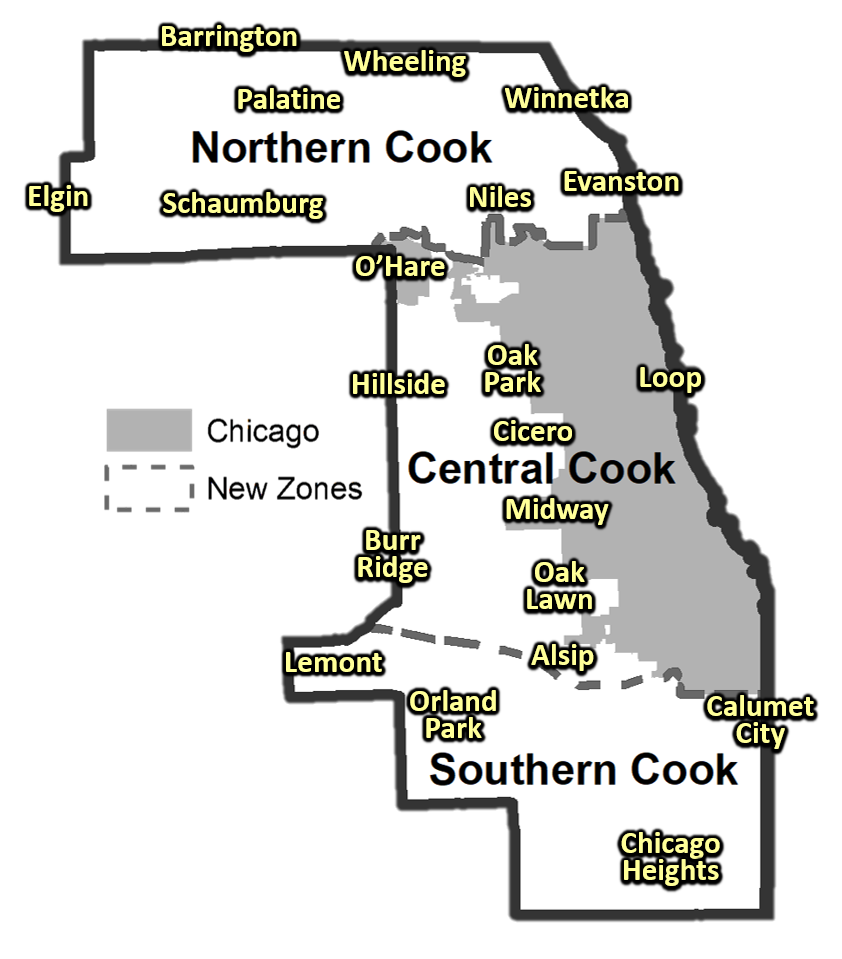
Without equivocation, the city of Chicago is the county seat and the most populous city in Cook County, Illinois. This means that virtually every famous landmark, every celebrated neighborhood, and every iconic view associated with Chicago falls within the jurisdiction of Cook County. From the shores of Lake Michigan to the westernmost city limits, the city is an integral part of this larger governmental and geographical entity. This symbiotic relationship ensures a cohesive approach to regional development, public services, and, most importantly for travelers, a unified framework for exploration.
The Scale of Cook County
Cook County is not merely a small administrative division; it is one of the most populous counties in the United States, boasting a population of over five million people. Spanning more than 945 square miles, it encompasses not only the bustling city of Chicago but also 134 other incorporated municipalities, including prominent suburbs like Evanston, Oak Park, and Schaumburg. This vastness means that a “trip to Chicago” can easily extend to an exploration of these diverse surrounding areas, each offering its unique charm, history, and attractions. The extensive reach of the county provides travelers with a multitude of options, whether they seek urban excitement, suburban tranquility, or historical immersion.
Travel Implications: Why Cook County Matters for Visitors
For the discerning traveler, understanding Chicago’s placement within Cook County has practical and experiential benefits. It influences everything from how you arrive and move around to the variety of activities you can access during your stay.
Seamless Transportation and Connectivity
The county’s robust transportation infrastructure is a significant advantage for visitors. Cook County is home to two major international airports: O’Hare International Airport (ORD), one of the busiest in the world, and Midway International Airport (MDW). Both are well-connected to downtown Chicago and other parts of the county via the CTA (Chicago Transit Authority) train system, offering an efficient and affordable way to begin your adventure.
Beyond the airports, the CTA L-trains and buses provide extensive coverage throughout the city and into some inner suburbs. For travel further afield within Cook County and beyond, the Metra commuter rail system is an invaluable asset. Metra lines radiate from downtown Chicago to numerous suburban communities, making day trips to places like Oak Park for its Frank Lloyd Wright Home and Studio or Brookfield for the Brookfield Zoo both feasible and enjoyable. This integrated public transit system streamlines movement across the vast county, allowing travelers to experience a wider array of attractions without the need for a rental car.
Regional Attractions Beyond the City Center
While Chicago’s downtown core is a treasure trove of attractions, Cook County’s broader expanse offers unique experiences often overlooked by those who stick strictly to the Loop. For instance, the renowned Brookfield Zoo, a major zoological park and conservation center, is located in Brookfield, a western suburb within Cook County. Similarly, the village of Oak Park to the west is a mecca for architecture enthusiasts, home to the largest concentration of Frank Lloyd Wright designed buildings in the world, including his personal Home and Studio and the magnificent Unity Temple.
To the north, Evanston, a picturesque city on Lake Michigan, offers beautiful beaches, a vibrant arts scene, and the prestigious Northwestern University. These destinations, easily accessible via public transit or a short drive, significantly expand the itinerary options for travelers, allowing for a deeper dive into the region’s diverse offerings.
Local Governance and Travel Logistics
Cook County’s governance also plays a role in the traveler’s experience, particularly concerning taxes and regulations. While sales and hotel taxes may vary slightly between Chicago and its suburbs, these differences are generally minor. More importantly, county-level regulations ensure a consistent baseline for safety, public health standards, and consumer protection across the region. When planning your trip, particularly for events or activities that require permits, understanding that you are operating within Cook County jurisdiction can be helpful for navigating any necessary administrative processes, though most casual travelers will encounter little direct impact beyond the unified public services.
Exploring Chicago: A Travel Guide Within Cook County
With the geographical context established, let’s turn our attention to the wealth of travel experiences available within Chicago and its immediate Cook County surroundings.
Iconic Downtown Experiences
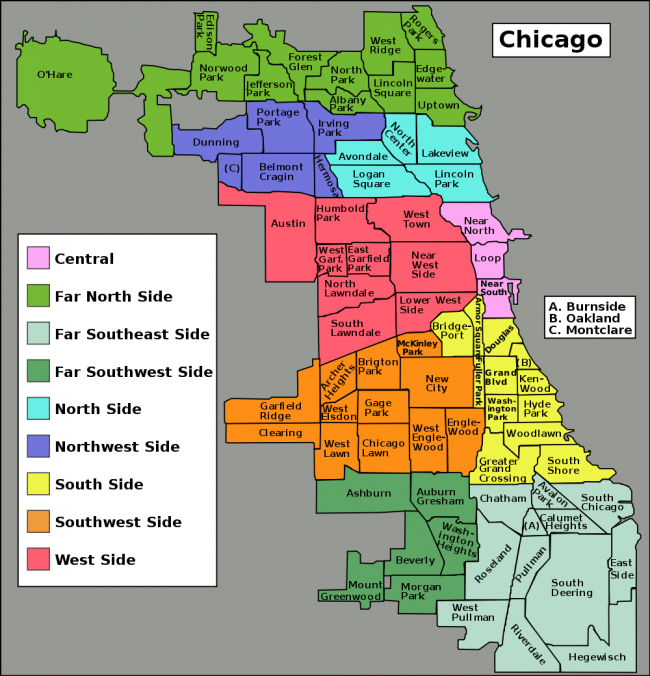
No visit to Chicago is complete without immersing oneself in the heart of the city. The downtown area, primarily the Loop and its adjacent neighborhoods, is brimming with world-class attractions. Marvel at the architectural grandeur of the Willis Tower (formerly Sears Tower) or the 875 North Michigan Avenue (formerly John Hancock Center), offering breathtaking panoramic views. Stroll through Millennium Park to snap a photo with Cloud Gate, affectionately known as “The Bean,” and enjoy the interactive Crown Fountain.
The city is also a cultural powerhouse, housing institutions like the Art Institute of Chicago, home to an unparalleled collection of Impressionist and Post-Impressionist art, and the Field Museum, a natural history museum famous for “Sue,” the most complete Tyrannosaurus rex skeleton ever found. The Shedd Aquarium and Adler Planetarium complete the cultural triumvirate along Museum Campus, all conveniently located on the lakefront within the city’s Cook County confines.
Cultural Hotspots and Neighborhood Gems
Chicago’s true essence often lies in its diverse neighborhoods, each offering a distinct character and array of experiences. Head north to the Magnificent Mile for luxury shopping, or explore the vibrant nightlife and dining scene in River North. For a taste of history and charm, the Gold Coast boasts stunning architecture and tree-lined streets.
Venture further to discover cultural enclaves like Pilsen with its colorful murals and vibrant Mexican-American heritage, or Chinatown for authentic cuisine and unique shops. The historic African-American neighborhood of Bronzeville tells a compelling story of jazz, civil rights, and cultural renaissance. In Hyde Park, home to the University of Chicago and the Museum of Science and Industry, intellectual curiosity meets historical significance. Baseball fans will, of course, make a pilgrimage to Wrigleyville, the home of the Chicago Cubs at Wrigley Field, all firmly within Cook County.
Outdoor Adventures and Green Spaces
Despite its urban density, Chicago and Cook County offer abundant green spaces and opportunities for outdoor recreation. The city’s 26 miles of lakefront trail provide stunning views of Lake Michigan and the skyline, perfect for walking, biking, or simply relaxing. Grant Park, often called “Chicago’s Front Yard,” hosts numerous festivals and boasts iconic landmarks like Buckingham Fountain. Lincoln Park is home to the free Lincoln Park Zoo, conservatory, and serene gardens.
Beyond the city, Cook County’s extensive Forest Preserves of Cook County system offers thousands of acres of natural areas, hiking trails, and recreational facilities. These preserves provide a crucial natural escape, allowing travelers to connect with nature, enjoy birdwatching, or simply find peace away from the urban bustle, all within a short drive or Metra ride.
Culinary Journeys and Shopping Sprees in Cook County
The expansive nature of Cook County also means an incredible breadth of culinary experiences and retail therapy options, catering to every taste and budget.
A World of Flavors
Chicago’s reputation as a culinary destination is well-deserved, and its location in Cook County ensures a diverse gastronomic landscape. From Michelin-starred fine dining establishments in the West Loop to deep-dish pizza joints across the city, the options are endless. Beyond the well-trodden paths, exploring the suburban towns within Cook County reveals hidden culinary gems. Evanston, for example, boasts an impressive array of independent restaurants and cafes. The ethnic enclaves within Chicago itself, like Chinatown or the vibrant Mexican restaurants in Pilsen and Little Village, offer authentic and immersive dining experiences that reflect the county’s rich cultural mosaic.
Retail Therapy: From Boutiques to Malls
Shopping in Cook County caters to all desires. The Magnificent Mile is famous for its high-end boutiques and flagship stores, offering a quintessential luxury shopping experience. For more eclectic finds, the boutiques of neighborhoods like Wicker Park or Andersonville provide unique, independent options.
Beyond the city, Cook County is home to several large shopping malls, such as Woodfield Mall in Schaumburg, offering a comprehensive retail experience with department stores and popular brands. This blend of urban chic and suburban convenience ensures that travelers can find exactly what they’re looking for, whether it’s designer fashion, local crafts, or everyday necessities.
Planning Your Trip: Leveraging Cook County’s Offerings
Armed with the knowledge that Chicago resides within Cook County, travelers can plan a more comprehensive and fulfilling itinerary, making the most of the region’s diverse offerings.
Accommodation Choices Across the County
Cook County’s vastness translates into a wide array of accommodation options. While Chicago offers everything from luxury hotels like the Langham Chicago and Peninsula Chicago to boutique stays and budget-friendly hostels, exploring lodging in the surrounding suburbs can provide different advantages. Staying in a Cook County suburb might offer more space, free parking, or a quieter environment, often at a lower price point, while still providing easy access to downtown Chicago via Metra or CTA. This flexibility allows travelers to tailor their stay to their preferences for atmosphere, convenience, and budget.
Navigating Events and Festivals
Chicago is famous for its vibrant calendar of events and festivals, many of which take place in Grant Park or Lincoln Park. However, Cook County’s broader municipal landscape means that numerous other communities also host their own unique events, from farmers’ markets and local art fairs to music festivals and historical reenactments. Checking county-wide event listings in addition to city-specific ones can uncover hidden gems and provide opportunities to experience local culture beyond the main tourist hubs. Understanding the geography allows for better planning, ensuring you don’t miss out on any of the exciting happenings throughout the region.
In conclusion, the answer to “Is Chicago in Cook County?” is a resounding yes, and this simple geographical fact forms the cornerstone of a truly comprehensive and enriching travel experience. By looking beyond the city limits and appreciating the broader Cook County context, travelers can unlock a fuller spectrum of attractions, a more efficient exploration of the region, and a deeper understanding of what makes this part of Illinois such an extraordinary destination.
LifeOutOfTheBox is a participant in the Amazon Services LLC Associates Program, an affiliate advertising program designed to provide a means for sites to earn advertising fees by advertising and linking to Amazon.com. Amazon, the Amazon logo, AmazonSupply, and the AmazonSupply logo are trademarks of Amazon.com, Inc. or its affiliates. As an Amazon Associate we earn affiliate commissions from qualifying purchases.