
The question “Is O Block in Chicago?” frequently arises, often fueled by its prominent presence in popular culture, particularly within the drill music scene and various media reports. The simple answer is yes: O Block is indeed located in Chicago, a specific area that has garnered significant public attention and discussion. However, understanding O Block goes far beyond a mere geographical affirmation. It represents a complex urban space with a rich, albeit often challenging, history that situates it as a modern “landmark” in the discourse surrounding urban development, community identity, and the impact of media on perception. This article will delve into the precise location of O Block, explore its historical context and cultural significance, and examine how it has come to be recognized as a distinct, if infamous, place within the vibrant tapestry of Chicago.
The Geographical Truth: Locating O Block in Chicago
To precisely answer the question, it’s crucial to understand that O Block is not an officially designated neighborhood or municipal division of Chicago. Instead, it is a colloquial name that refers to a specific residential complex, recognized for its address and its enduring presence in local lore and wider media.
The Parkway Gardens Complex: Its Real Name
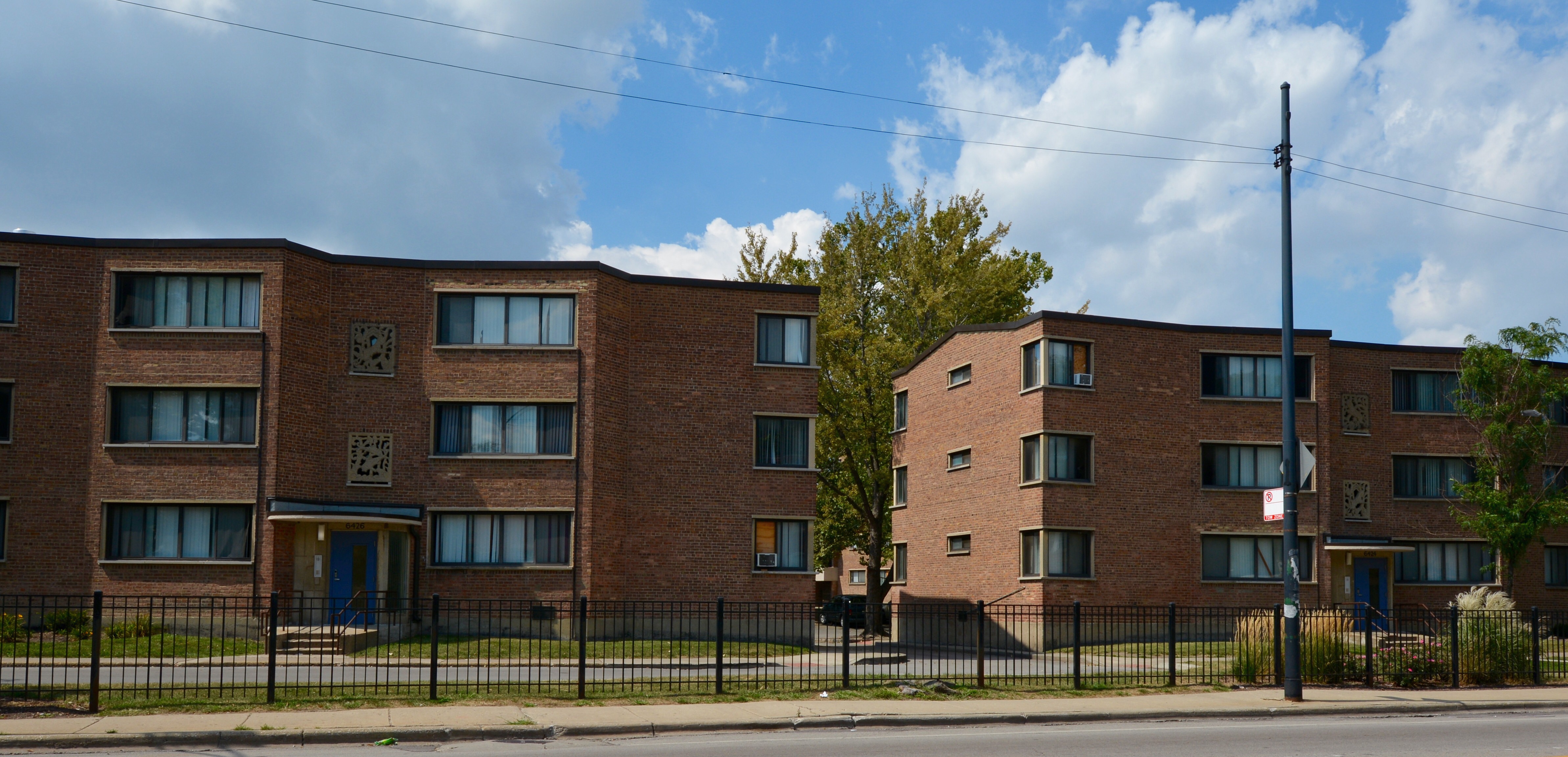
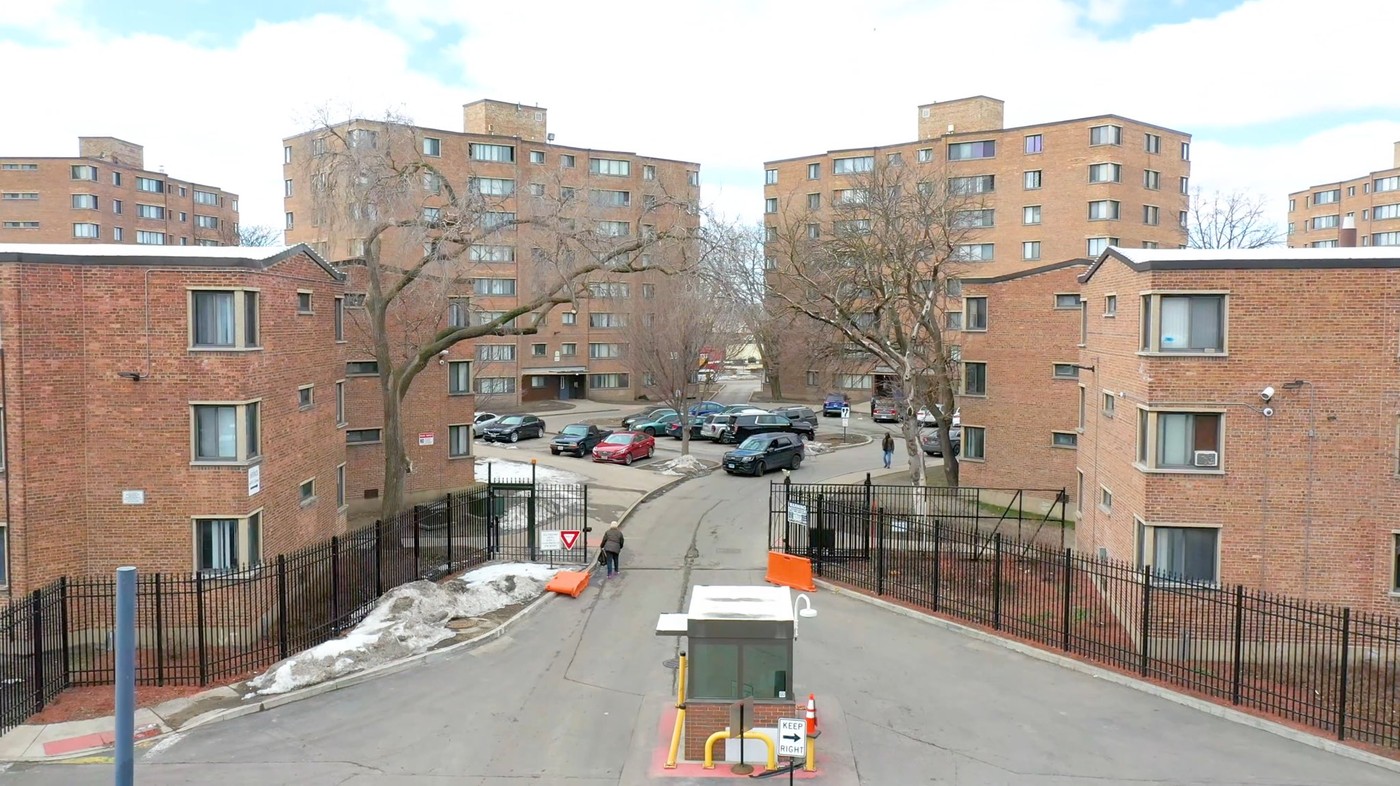
The area popularly known as O Block is actually the Parkway Gardens Homes, a sprawling apartment complex situated on Chicago’s South Side. Built in 1950, Parkway Gardens was originally conceived as a privately owned, affordable housing development. Its distinctive architecture, characterized by red-brick buildings and open green spaces, was designed to provide a better quality of life for its residents. Over the decades, however, like many urban housing projects, it faced significant socio-economic challenges that reshaped its identity and reputation. The complex consists of multiple buildings and covers several blocks, making it a prominent feature of its immediate surroundings.
Neighborhood Context: Woodlawn on the South Side
Parkway Gardens is located within the Woodlawn neighborhood, one of Chicago’s historic communities on the South Side. The Woodlawn neighborhood itself has a rich and complex history, marked by periods of economic prosperity, demographic shifts, and urban renewal efforts. It is bordered by notable areas such as Hyde Park to the north, home to the prestigious University of Chicago. The geographical placement of O Block within Woodlawn is significant, as it positions it within a broader community that has experienced both the promises and pitfalls of urban development in a major American city. Its location on the South Side also places it in an area historically associated with the African American community in Chicago, shaped by the Great Migration and the subsequent development of distinct cultural and social landscapes.
A Recognizable Address
The specific intersection often associated with O Block is around 64th Street and King Drive (formally Martin Luther King Jr. Drive), extending towards Drexel Avenue and Cottage Grove Avenue. This central location within the Parkway Gardens complex is not just a point on a map; it has become a reference point in narratives about Chicago’s urban environment. The notoriety of O Block is intrinsically tied to its physical presence and its residents’ lived experiences, which have been amplified through various forms of media.
More Than a Location: The History and Cultural Significance of O Block
The “landmark” status of O Block is not merely about its physical address but more profoundly about its historical trajectory and its outsized impact on contemporary culture. It embodies layers of social, economic, and cultural narratives that resonate far beyond its brick walls.
Roots in Public Housing and Urban Development
The creation of Parkway Gardens in the mid-20th century was part of a broader movement to address housing needs in rapidly growing urban centers. Unlike many of Chicago’s public housing high-rises that were later demolished, such as the Robert Taylor Homes or Ida B. Wells Homes, Parkway Gardens was initially a private development before eventually transitioning into a Section 8 housing property, reflecting shifts in federal housing policies. Its design, with relatively low-rise buildings and courtyards, represented an attempt at community-oriented living. However, decades of disinvestment in urban core areas, coupled with socio-economic disparities, led to challenges including poverty, crime, and lack of opportunity, issues common to many large housing complexes across the nation. Parkway Gardens became a microcosm of these broader urban struggles, a living testament to the evolution of housing policy and its real-world consequences.
The Rise of Drill Music and Media Attention
The cultural prominence of O Block exploded with the emergence of Chicago drill music in the early 2010s. Many influential artists in this subgenre, known for its raw, unfiltered lyrical content and aggressive beats, originated from or were associated with the Parkway Gardens complex. The name “O Block” itself is said to be a tribute to a fallen resident, Odee Perry, and became a recurring motif in lyrics and music videos, solidifying its place in popular consciousness. This music provided a window into the harsh realities of street life and gang violence, and in doing so, inadvertently turned O Block into an internationally recognized landmark of urban struggle and artistic expression. The media, both local and international, quickly picked up on these narratives, often portraying the complex as a dangerous flashpoint, further cementing its infamous status.
A Symbol of Urban Challenges
Beyond its association with music, O Block has become a symbol for a range of urban challenges faced by communities across America. It represents the intersection of systemic poverty, limited educational and economic opportunities, and the cyclical nature of violence. For many, its notoriety serves as a grim reminder of how historical policy decisions and societal neglect can shape the destiny of specific geographical areas and their inhabitants. Understanding O Block as a landmark means acknowledging it as a focal point for discussions about social justice, urban inequality, and the resilience of communities striving for better conditions amidst adversity.
Understanding the “Landmark” Status of O Block
When we categorize O Block as a “landmark,” it’s crucial to differentiate it from traditional tourist attractions like the Eiffel Tower or the Grand Canyon. Its landmark status is born of notoriety and cultural impact rather than architectural grandeur or historical commemoration in a conventional sense.
Infamy vs. Traditional Landmarks
Traditional landmarks are often places of beauty, historical significance, or cultural celebration, inviting visitors and fostering civic pride. O Block, by contrast, is a landmark of a different kind – one forged in the crucible of urban challenges and popularized through the lens of specific cultural movements. It is a “known place” because of the stories that emanate from it, often tragic, sometimes defiant, but always compelling. This type of landmark pushes us to consider what makes a place significant in the collective consciousness, moving beyond conventional definitions to include sites that represent difficult truths about society. It invites inquiry, not necessarily visitation, and prompts reflection on the socio-economic forces at play in contemporary urban environments.
The Impact on Local Community and Perception
The external perception of O Block as an infamous location has a tangible impact on the residents of Parkway Gardens and the wider Woodlawn neighborhood. It can lead to stigmatization, making it harder for residents to overcome stereotypes and access opportunities. This media-driven fame often overshadows the daily lives of countless individuals who call Parkway Gardens home, many of whom are striving for peace, stability, and community improvement. The challenge for these residents is to reclaim their narrative from the sensationalized headlines and demonstrate the full spectrum of experiences within their community, which includes resilience, creativity, and hope, not just hardship.
Beyond the Headlines: Socio-economic Realities
To truly understand O Block as a landmark is to look beyond the sensational headlines and delve into the underlying socio-economic realities that have shaped it. It means acknowledging the effects of segregation, unemployment, underfunded schools, and inadequate public services that contribute to cycles of poverty and violence in many urban areas, including parts of Chicago. The complex is not an anomaly but rather a concentrated example of issues that demand broader societal attention. Its continued existence as a focal point of discussion underscores the ongoing need for comprehensive urban policies that address root causes rather than just symptoms.
Navigating Perceptions and Realities of Chicago’s South Side
The focus on O Block often distorts the broader understanding of Chicago’s South Side, a vast and diverse region home to millions of people, vibrant cultures, and significant historical sites.
Debunking Stereotypes
The intense media spotlight on specific challenging areas like O Block can lead to pervasive stereotypes about the entirety of Chicago’s South Side. This region is not monolithic; it encompasses a wide array of neighborhoods, from affluent lakefront communities to working-class enclaves and areas undergoing revitalization. Reducing the South Side to a single narrative of crime and poverty ignores its rich history of civil rights activism, its contributions to music and art, its academic institutions, and its strong community ties. Debunking these stereotypes requires a more nuanced approach, recognizing both the challenges and the immense strengths that coexist within these communities.
The Diversity of Chicago’s South Side
From the historic jazz clubs of Bronzeville to the academic excellence of the University of Chicago in Hyde Park, and the vibrant cultural scene in neighborhoods like Pilsen or Bridgeport, the South Side is a mosaic of different experiences. Many parts of the South Side boast beautiful parks, thriving businesses, and close-knit communities actively working towards progress and positive change. Understanding O Block’s place within this larger context is essential for a balanced view of Chicago and its complex urban landscape.
Resources for Understanding Urban Chicago
For those interested in a deeper understanding of O Block and similar urban landmarks, reliable resources include academic studies on urban sociology, investigative journalism that goes beyond sensationalism, and community-led initiatives that offer insider perspectives. Institutions like the University of Chicago have research centers dedicated to urban studies that provide valuable insights into the socio-economic dynamics of the South Side and other urban environments. Engaging with these resources can foster a more informed and empathetic understanding of places often reduced to simple headlines.
In conclusion, yes, O Block is definitively in Chicago, specifically the Parkway Gardens Homes complex in the Woodlawn neighborhood on the South Side. Its identity as a landmark is not of the conventional tourist variety but rather stems from its profound cultural significance, its historical roots in urban development, and its emergence as a symbol in both music and broader discussions about American cities. Recognizing O Block for what it truly is – a specific place with a complex history and ongoing challenges – allows for a more nuanced appreciation of Chicago’s’s intricate urban narrative.
LifeOutOfTheBox is a participant in the Amazon Services LLC Associates Program, an affiliate advertising program designed to provide a means for sites to earn advertising fees by advertising and linking to Amazon.com. Amazon, the Amazon logo, AmazonSupply, and the AmazonSupply logo are trademarks of Amazon.com, Inc. or its affiliates. As an Amazon Associate we earn affiliate commissions from qualifying purchases.