
Often sought out for its unique properties and growing popularity, [Kratom] exists in a complex legal gray area across the [United States]. While federally unregulated, its legality can vary drastically from state to state and even city to city. For those considering its use or bringing it into [California], navigating these nuances is crucial to ensure a smooth and compliant experience. Our focus will be on providing a clear and comprehensive guide, keeping in mind the interests of travelers, those seeking accommodation, and individuals interested in the broader lifestyle implications of [Kratom]’s legal status.
Understanding Kratom: A Brief Overview
Before diving into the legal specifics, it’s important to understand what [Kratom] is. [Kratom], scientifically known as [Mitragyna speciosa], is a tropical evergreen tree native to [Southeast Asia]. For centuries, indigenous cultures in countries like [Thailand], [Malaysia], [Indonesia], and [Papua New Guinea] have traditionally used its leaves for their medicinal and stimulant properties. Historically, laborers chewed fresh [Kratom] leaves to combat fatigue, improve mood, and alleviate pain, considering it an integral part of their daily life and traditional medicine.
The leaves of the [Kratom] tree contain various psychoactive compounds, the most prominent being [Mitragynine] and [7-hydroxymitragynine]. These alkaloids interact with opioid receptors in the brain, which accounts for both its pain-relieving and mood-altering effects. At low doses, [Kratom] is often reported to act as a stimulant, enhancing focus and energy, similar to coffee. At higher doses, its effects tend to be more sedative and analgesic, akin to opioids, offering relief from chronic pain and contributing to relaxation. This dual nature makes [Kratom] a substance of considerable interest, but also a subject of intense debate regarding its safety and regulation. The diverse range of effects means that consumers use [Kratom] for a variety of reasons, from enhancing their daily routines to managing discomfort, making its legal status particularly relevant for those seeking alternative wellness options while traveling or living in [California].
Origins and Traditional Use
The history of [Kratom] is deeply intertwined with the cultural fabric of [Southeast Asia]. Farmers and indigenous communities relied on the plant for its practical benefits, seeing it as a natural remedy and an aid for demanding physical labor. Its use was largely integrated into daily life, similar to how tea or coffee is consumed in other parts of the world. The traditional methods of consumption involved chewing fresh leaves, brewing them into a tea, or grinding them into a powder. This long history of use highlights its significance as a natural botanical with a respected place in traditional remedies, providing context for its more recent introduction and increasing popularity in Western countries, including the [United States]. Understanding its historical context helps shed light on the perspectives of those who advocate for its continued availability as a natural alternative.
Active Compounds and Effects
The effects of [Kratom] are primarily attributed to its unique alkaloid profile. [Mitragynine] is the most abundant alkaloid, responsible for many of the plant’s characteristic effects, including its stimulant properties at lower doses and its opioid-like effects at higher concentrations. [7-hydroxymitragynine], while present in smaller quantities, is considered to be significantly more potent. These compounds act as partial opioid agonists, meaning they bind to and activate opioid receptors in the brain, but not as strongly as traditional opioids. This mechanism is key to [Kratom]’s appeal for those seeking pain relief or assistance with opioid withdrawal symptoms, but it also raises concerns among regulatory bodies like the [Federal Drug Administration (FDA)] and the [Drug Enforcement Administration (DEA)] regarding its potential for dependence and abuse. The variability in potency and effects across different strains and dosages further complicates its assessment and regulatory framework, making the need for clear guidelines in places like [California] even more pressing for consumer safety and informed choices.
The Legal Landscape of Kratom in California
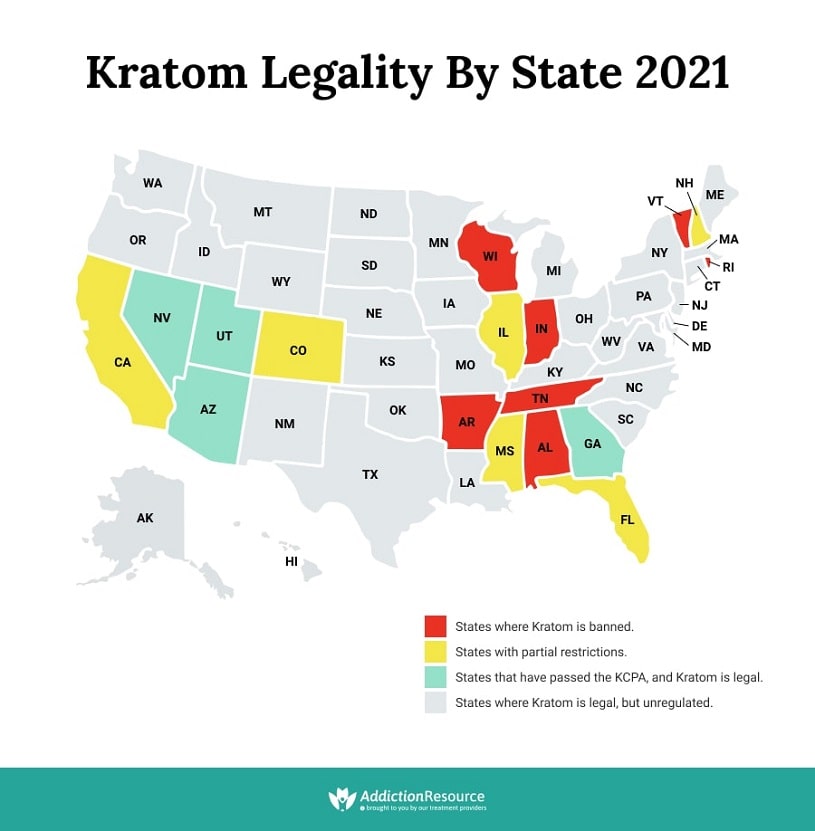
Now, to the core question: “Is [Kratom] legal in [California]?” The answer, while seemingly straightforward at the state level, becomes more nuanced when considering local ordinances. At the time of writing, [Kratom] is not banned at the state level in California. This means that, for the vast majority of the state, [Kratom] can be legally purchased, possessed, and consumed by adults. However, this general legality is subject to change and, critically, does not apply uniformly across all cities and counties within the state. This creates a complex patchwork of regulations that travelers and residents alike must be aware of to avoid legal complications.
This fragmented legal status is a common theme across the [United States], where the absence of federal regulation has left states and local municipalities to determine their own policies. While [California] has not followed the path of states that have imposed statewide bans, it has also not implemented comprehensive state-level regulation to standardize its sale or quality. This absence of uniform regulation has led to different approaches at the local level, making it essential for anyone planning a visit or long-term stay in particular [California] locations to conduct thorough research specific to their destination. For individuals planning their accommodations or tourism activities, understanding these local variations is as important as checking hotel policies or transportation rules.

State-Level Regulations
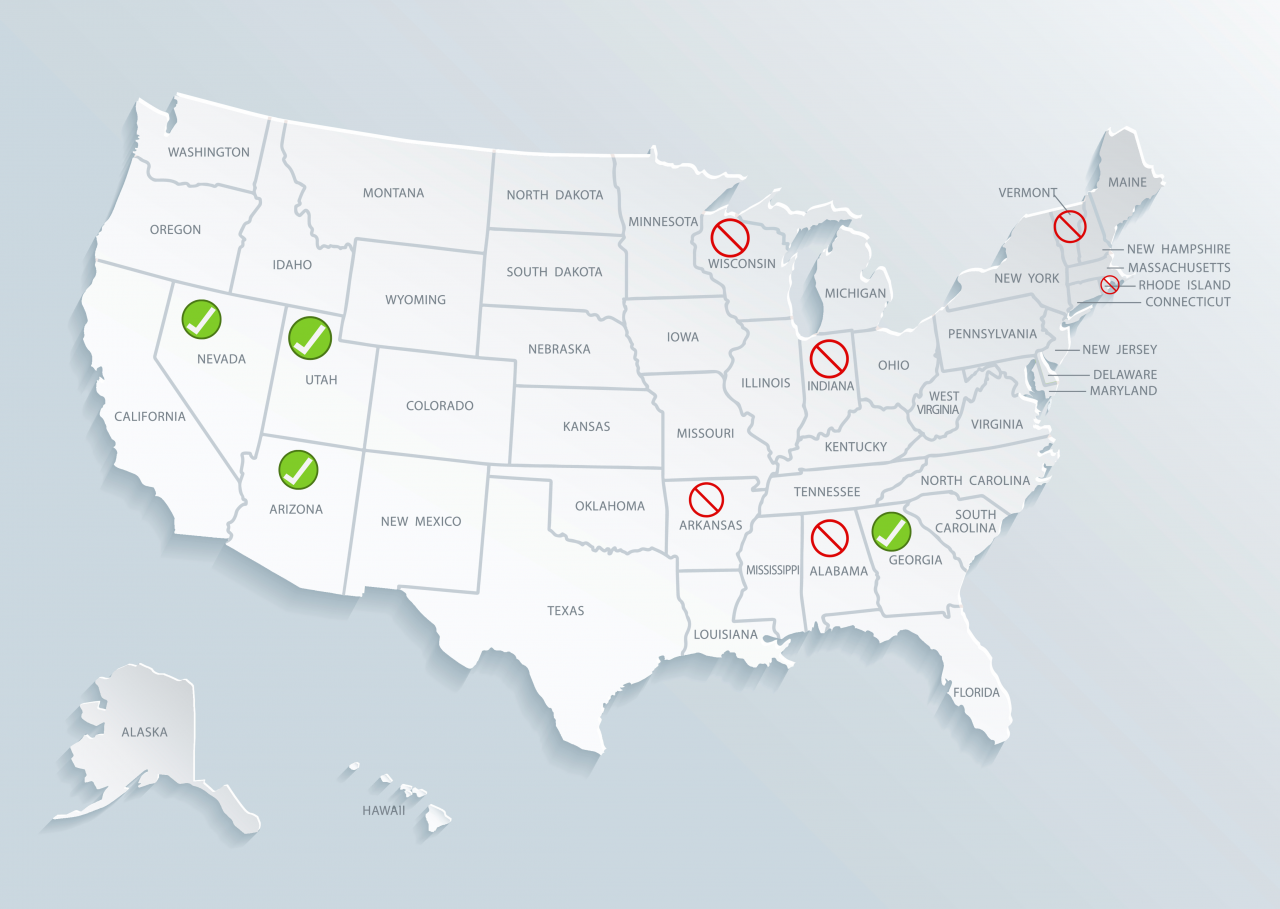
Currently, the [California] state legislature has not passed any laws specifically banning or severely restricting [Kratom]. This positions [California] as a relatively open state for [Kratom] compared to others, such as [Indiana] or [Arkansas], where it is entirely illegal. The lack of a statewide ban means that businesses can generally sell [Kratom] products, and individuals can possess them without fear of state prosecution. This broad legality influences the lifestyle choices of many residents and offers more flexibility for travelers who rely on [Kratom] for wellness or other purposes. However, it’s crucial to understand that this legal status is dynamic and subject to ongoing legislative debate. Public health concerns and scientific studies continue to shape the discussion around potential future regulations, which could impact its availability across the state, affecting everything from local tourism economies to individual consumer habits.
Local Ordinances: A Patchwork of Rules
Despite the state-level legality, several [California] cities and counties have enacted their own bans on [Kratom]. This phenomenon is not unique to [California]; other states also experience this “patchwork” effect, where local municipalities take a more restrictive stance than their state government. A prime example outside [California] is [Denver], [Colorado], where [Kratom] is illegal for human consumption. Within [California], the most notable examples of local bans include the cities of [San Diego] and [Oceanside].
- San Diego: In [San Diego], a popular tourist destination known for its beautiful beaches and vibrant culture, the Board of Supervisors voted to ban the sale and possession of [Kratom] in 2016. This ordinance effectively makes it illegal to buy, sell, or even possess [Kratom] within the city limits. This ban has significant implications for travelers visiting attractions like [Balboa Park] or staying in [San Diego]’s numerous hotels and resorts, as they must be mindful of this local prohibition.
- Oceanside: Similarly, the city of [Oceanside], located in [San Diego] County, has also implemented a ban on [Kratom]. This further underscores the importance of checking specific local regulations, as even within the same county, different municipalities may have varying rules.
These local bans are typically driven by concerns regarding public safety, the lack of robust scientific research on [Kratom]’s long-term effects, and the absence of clear manufacturing and labeling standards. For visitors planning their travel itinerary, whether it’s exploring the historic missions or enjoying the coastal scenery, being unaware of these localized prohibitions could lead to unforeseen legal trouble. This makes checking local laws as crucial as confirming accommodation bookings or understanding local transportation options. The existence of these bans means that while one might legally purchase [Kratom] in [Los Angeles] or [San Francisco], bringing it into or purchasing it within [San Diego] or [Oceanside] could lead to legal penalties.
The KCPA and Consumer Safety
In response to the fragmented legal landscape and the desire for consumer protection, the [American Kratom Association (AKA)] has been a strong proponent of the [Kratom Consumer Protection Act (KCPA)]. The [KCPA] is model legislation designed to create a consistent regulatory framework for [Kratom] at the state level. Key provisions of the [KCPA] include:
- Age Restrictions: Setting a minimum age (typically 18 or 21) for purchasing [Kratom].
- Labeling Requirements: Mandating clear and accurate labeling of [Kratom] products, including ingredients, warnings, and dosage information.
- Testing Standards: Requiring [Kratom] products to be tested for contaminants like heavy metals, salmonella, and other harmful substances, as well as for accurate alkaloid content.
- Prohibition of Adulterated Products: Making it illegal to sell [Kratom] products that are adulterated with other substances or contain synthetic [Kratom] alkaloids.
While [California] has not yet passed a statewide [KCPA], the existence and advocacy for such legislation reflect the ongoing efforts to ensure consumer safety and product integrity in the [Kratom] market. States like [Utah] and [Nevada] have successfully implemented versions of the [KCPA], providing a blueprint for potential future regulation in [California]. For travelers and residents, the passage of a [KCPA] in [California] would bring much-needed clarity and a higher degree of safety to the [Kratom] market, allowing for more informed lifestyle choices without the current ambiguities surrounding quality and legality. Until then, consumers must exercise caution and conduct their own due diligence when purchasing [Kratom] products within the state.
Navigating Kratom Legality as a Traveler
For anyone planning a trip to [California], whether for a leisurely vacation or a business stay, understanding [Kratom]’s legal status is a vital component of responsible travel planning. The diverse regulations across the state mean that what is permissible in one city might be illegal just a few miles down the road. This can have significant implications for how you plan your itinerary, choose your accommodation, and manage your personal belongings. From luxury resorts to budget-friendly apartments, accommodation providers may also have their own policies regarding controlled substances, which could indirectly be influenced by local [Kratom] laws.
Before You Travel: Research is Key
The most crucial advice for any traveler considering [Kratom] in [California] is to research the specific local laws of every city and county you plan to visit or pass through. Do not assume that because it is legal at the state level, it is legal everywhere. For instance, if your itinerary includes exploring the vibrant nightlife of [San Diego] and then driving up the [Pacific Coast Highway] to [Los Angeles], you must be aware that possessing [Kratom] is illegal in [San Diego] but generally legal in [Los Angeles]. This requires a proactive approach to planning, akin to researching parking regulations or checking hotel pet policies. Websites of local municipal governments are the most reliable sources for up-to-date ordinances. This foresight will prevent unnecessary stress and potential legal issues during your travel experience.
Additionally, if you are flying into [California], remember that while the [Transportation Security Administration (TSA)] does not specifically prohibit [Kratom] (as it is not federally illegal), airlines and airports can have their own policies. Moreover, you could encounter issues if your flight has a layover in a state or city where [Kratom] is explicitly banned. It is always safer to carry documentation for any legal substances if traveling by air, although the best practice for [Kratom] remains avoiding areas where it is banned.
Local Enforcement and Practical Considerations
In areas where [Kratom] is banned, law enforcement officers are empowered to enforce these local ordinances. The penalties for possession or sale in these localities can range from fines to more severe consequences, depending on the quantity and intent. For a traveler, even a minor infraction can lead to significant inconvenience, including delays, legal fees, and a lasting negative impact on their travel record. This is a crucial aspect of responsible tourism; adherence to local laws is a fundamental respect for the destination.
Practical considerations also extend to purchasing [Kratom] within [California]. In cities where it is legal, [Kratom] is typically sold in specialty shops, smoke shops, or some health food stores. However, without a statewide [KCPA], product quality and purity can vary widely. Travelers who rely on [Kratom] for their lifestyle or wellness routines should be mindful of where they purchase it and consider looking for reputable vendors who voluntarily adhere to higher testing and labeling standards. This due diligence is part of ensuring a safe and enjoyable experience, much like checking reviews for hotels or restaurants.
Impact on Accommodation and Tourism
The legal status of [Kratom] can subtly influence the tourism and accommodation sectors. For example, in cities where [Kratom] is banned, hotels, resorts, and vacation rentals are unlikely to tolerate its use on their premises, even if their general policies are not explicitly about [Kratom]. Guests found in violation could face eviction or other penalties. On the other hand, in legally permissible areas, while [Kratom] may not be explicitly mentioned, properties still maintain the right to enforce rules about consumption of substances, especially those that might be intoxicating or cause disturbance. It is always wise to review the specific terms and conditions of your accommodation provider.
From a broader tourism perspective, the legal ambiguity can create hesitations for some visitors. [California] prides itself on being a diverse and welcoming destination, yet inconsistent regulations for substances like [Kratom] can complicate travel plans for a subset of the population. Understanding these intricacies contributes to a more informed travel experience, ensuring that your exploration of [California]’s landmarks, cultural sites, and natural beauty remains untroubled by legal concerns. Whether you’re planning a family trip to [Disneyland] or a solo adventure through [Yosemite National Park], a little pre-trip legal research can make all the difference.
The Future of Kratom Regulation
The regulatory landscape surrounding [Kratom] in [California] and across the [United States] is far from settled. It remains a topic of vigorous debate among public health officials, advocacy groups, consumers, and lawmakers. The ongoing scientific research into [Kratom]’s effects, potential benefits, and risks will undoubtedly continue to influence legislative decisions. As more data emerges, the push for more standardized and comprehensive regulation, or conversely, more widespread bans, will likely intensify.
Ongoing Debates and Potential Changes
The debate over [Kratom] legalization often pits two main perspectives against each other. Proponents, including organizations like the [American Kratom Association (AKA)] and many consumers, view [Kratom] as a natural botanical with significant potential for pain management, mood enhancement, and as an aid for opioid withdrawal, arguing for its continued availability as a safer alternative to pharmaceutical drugs. They advocate for responsible regulation through frameworks like the [KCPA] to ensure product quality and consumer safety, while preserving access.
Conversely, regulatory bodies such as the [Federal Drug Administration (FDA)] and the [Drug Enforcement Administration (DEA)] have expressed significant concerns. The [FDA] has issued public health warnings about [Kratom], citing potential for abuse, addiction, and adverse health effects, and has maintained import alerts for [Kratom] products. The [DEA] has previously attempted to classify [Kratom]’s active compounds as Schedule I controlled substances, though these attempts have faced significant public and legislative pushback. The [World Health Organization (WHO)] has also reviewed [Kratom], adding another layer to the international and national dialogue. These governmental bodies typically emphasize the lack of standardized research, unregulated market, and potential public health risks, pushing for stricter controls or outright bans. The future of [Kratom] in [California] will largely depend on how these powerful opposing viewpoints are reconciled through legislative processes and scientific consensus.
Staying Informed
Given the dynamic nature of [Kratom] legislation, staying informed is paramount for both [California] residents and prospective travelers. Laws can change quickly, influenced by new research, public opinion, and political will. For anyone engaging with [Kratom], whether for personal use or for understanding its broader implications, it is advisable to:
- Monitor official government websites: Regularly check the websites of the [California] state legislature and the specific city or county governments you plan to visit or reside in for updates on [Kratom] laws.
- Follow reputable news sources: Stay abreast of legislative proposals, scientific findings, and public health advisories related to [Kratom].
- Consult advocacy groups: Organizations like the [American Kratom Association (AKA)] provide updates on legislative efforts and consumer information, though it’s important to consider their advocacy perspective.
The journey through [California]’s diverse landscapes and vibrant culture should be an experience of discovery and enjoyment. By understanding the current legal status of [Kratom], acknowledging the existing local ordinances, and staying informed about potential future changes, individuals can make responsible choices that ensure a smooth and compliant travel or residential experience in the [Golden State]. Whether your lifestyle involves [Kratom] or you are simply curious, awareness is the best tool for navigating its complex legal terrain.
LifeOutOfTheBox is a participant in the Amazon Services LLC Associates Program, an affiliate advertising program designed to provide a means for sites to earn advertising fees by advertising and linking to Amazon.com. Amazon, the Amazon logo, AmazonSupply, and the AmazonSupply logo are trademarks of Amazon.com, Inc. or its affiliates. As an Amazon Associate we earn affiliate commissions from qualifying purchases.