
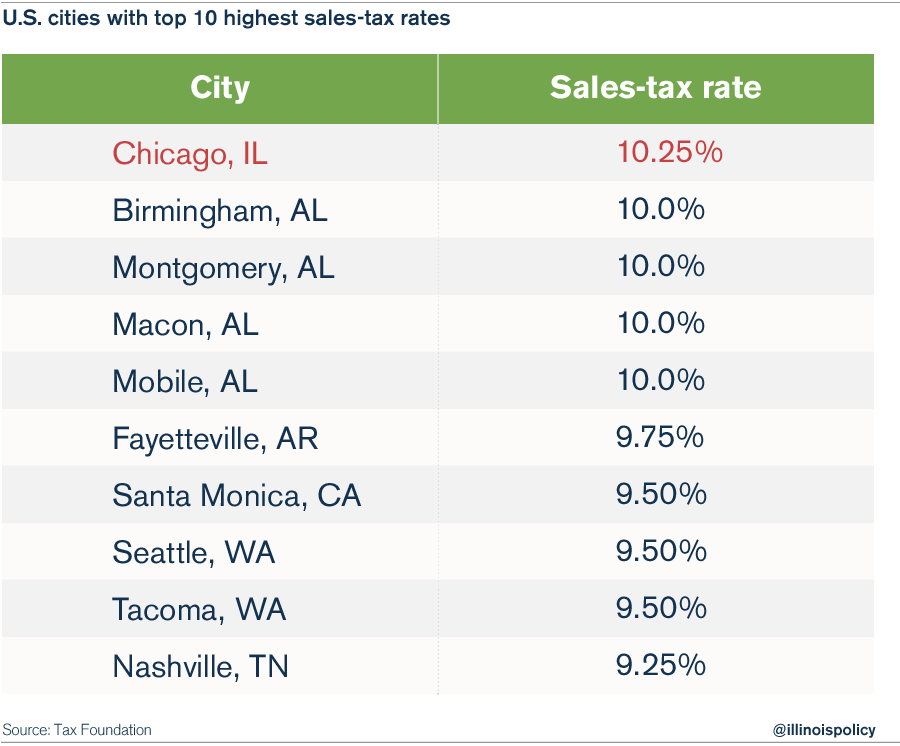
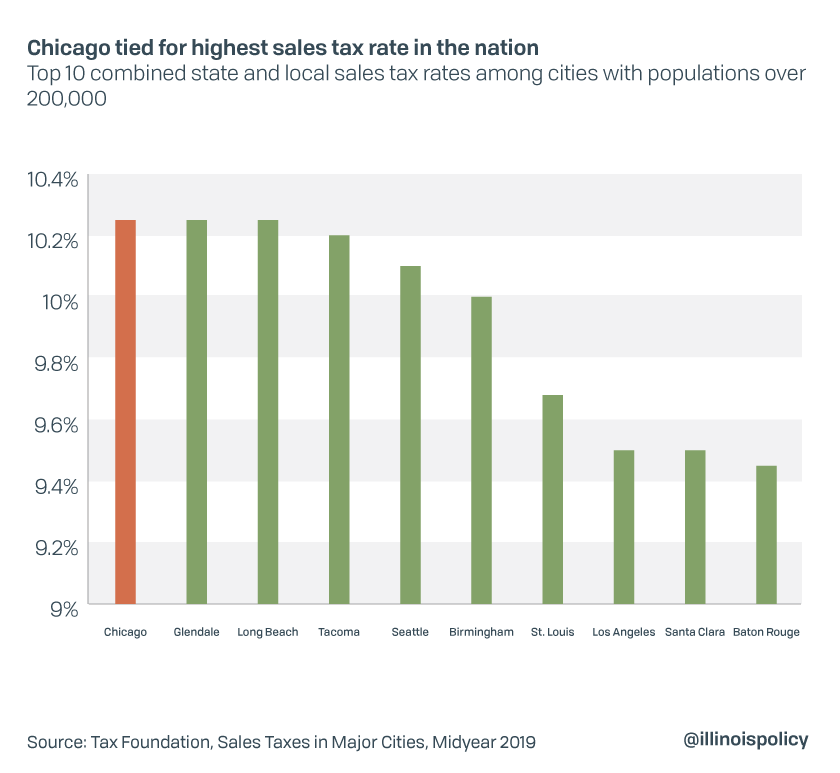
Planning a trip to Chicago, Illinois involves more than just booking flights and accommodations; it also requires a clear understanding of the local financial landscape, particularly sales tax. For any traveler, being aware of the sales tax rate is crucial for accurate budgeting, whether you’re indulging in world-class shopping, dining at renowned restaurants, or exploring the city’s many attractions. Chicago boasts one of the highest combined sales tax rates in the United States, making it an important factor for visitors to consider. This comprehensive guide will break down the complexities of Chicago’s sales tax, helping you navigate your expenses with confidence and avoid any surprises.
Understanding Chicago’s Sales Tax Landscape for Travelers
The sales tax rate in Chicago is not a single, static number but rather a composite of several different tax components. These layers are levied by various governmental bodies, combining to form the final percentage that consumers pay on eligible goods and services. For travelers, this means that almost every purchase, from a souvenir to a meal, will incur an additional charge beyond the listed price.
The Illinois State Sales Tax
At the foundation of Chicago’s sales tax is the statewide sales tax imposed by the State of Illinois. This base rate applies uniformly across the entire state to most tangible personal property and certain services. As of recent updates, the Illinois state sales tax rate is a significant portion of what you’ll pay. This statewide component is essential for funding state-level public services and infrastructure, impacting every transaction within its borders.
Cook County and City of Chicago Additions
Beyond the state tax, both Cook County and the City of Chicago impose their own sales taxes, which stack on top of the state rate. Chicago is located within Cook County, and Cook County has its own local tax rate. Furthermore, the City of Chicago adds another layer, bringing the total combined sales tax significantly higher than in many other parts of Illinois or the nation. These municipal taxes are vital for funding local services such as police, fire departments, public transportation, and various civic projects that enhance the visitor experience.
Special District Taxes
In some instances, specific districts within Chicago might have additional sales taxes. While less common for the general traveler, these can include special service areas or development districts. These micro-level taxes are typically implemented to fund localized improvements or initiatives within a very defined geographic boundary. While the primary components from the state, county, and city will cover the vast majority of your purchases, it’s worth noting that extremely localized rates can theoretically exist, although the primary combined rate is what most travelers will encounter.
The current combined sales tax rate in Chicago typically hovers around 10.25%, making it one of the highest in the United States. This rate is a sum of the Illinois state tax, Cook County tax, Chicago city tax, and often a regional transportation authority tax. It’s crucial for travelers to mentally add this percentage to any listed price when planning their budget.
How Sales Tax Impacts Your Travel Budget in Chicago
Understanding the exact sales tax rate is one thing, but truly grasping its impact on your travel budget requires examining how it applies to various categories of spending during your Chicago visit. The 10.25% sales tax rate influences nearly every consumer purchase, from daily necessities to luxury items, making it a critical consideration for conscientious travelers.
Shopping and Retail Purchases
Chicago is a shopper’s paradise, from the high-end boutiques along the Magnificent Mile to unique local shops in neighborhoods like Wicker Park or Lincoln Park. Every item purchased, whether it’s clothing, electronics, souvenirs, or groceries (excluding certain food items purchased for home consumption), will be subject to the full sales tax rate. A $100 purchase will effectively cost you $110.25. This 10.25% can quickly add up, especially if you plan on doing significant shopping or buying larger-ticket items. Budgeting for this additional cost on all retail purchases is essential to avoid overspending your allocated travel funds.
Dining Out and Restaurant Meals
Chicago’s culinary scene is world-renowned, offering everything from deep-dish pizza joints to Michelin-starred restaurants. When you dine out, the sales tax typically applies to your entire food and beverage bill. This means that a $50 meal, before tip, will actually cost you $55.13. This is distinct from the hotel occupancy tax but is equally important for travelers to factor in. Given the city’s vibrant dining culture, many travelers dedicate a significant portion of their budget to food experiences. Accurately accounting for the sales tax on every meal can prevent budget shortfalls and ensure you can enjoy Chicago’s diverse gastronomic offerings without financial stress.
Entertainment and Attraction Tickets
While some entertainment options and attraction tickets may fall under different tax structures (like the Amusement Tax discussed later), many general entertainment purchases, such as concert merchandise, specific event tickets, or items sold at gift shops within attractions like the Art Institute of Chicago or the Field Museum, are subject to sales tax. Always check the fine print or ask if sales tax is included in the advertised price of tickets or experiences. Understanding this helps in planning visits to popular landmarks like Millennium Park or enjoying a show in the Theatre District, as the final cost might be higher than anticipated.
Differentiating Sales Tax from Other Chicago Taxes
While sales tax is a pervasive levy on many purchases, Chicago also implements other distinct taxes that travelers should be aware of. Confusing these can lead to misconceptions about overall costs. Knowing the difference helps in understanding your bills more accurately.
Hotel Occupancy Tax
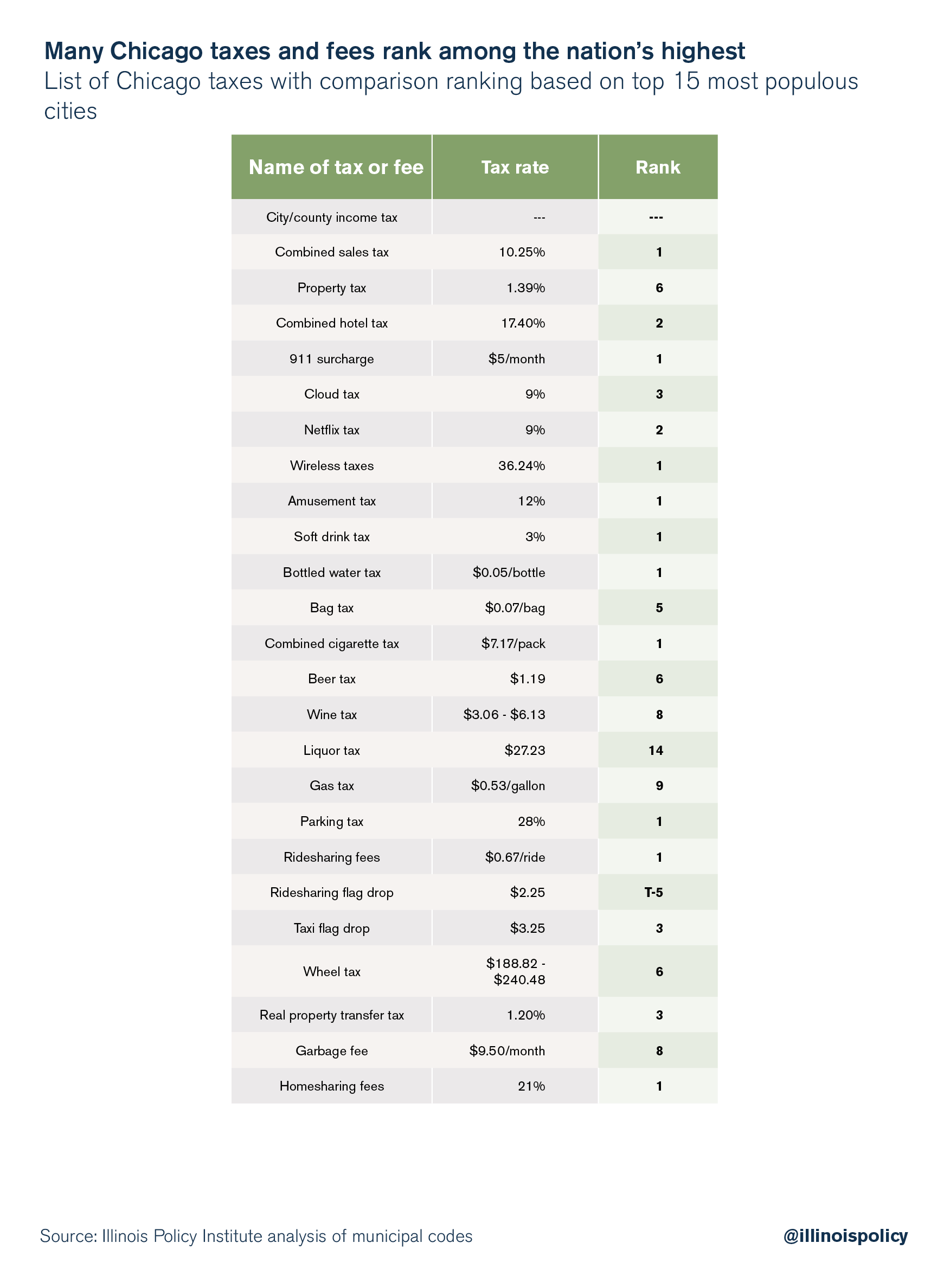
One of the most significant taxes for travelers is the Hotel Occupancy Tax. This is not a sales tax, but a separate tax specifically applied to the rental of hotel rooms, vacation rentals, and other transient accommodations. The Hotel Occupancy Tax in Chicago is a combination of state, county, and city taxes, and can add a substantial percentage (often over 17%) to your nightly room rate. Unlike sales tax, which applies to goods, this tax is strictly on the service of lodging. Travelers should always verify if advertised room rates include this tax or if it will be added at checkout, as it can significantly impact accommodation costs.
Food and Beverage Tax (Restaurant Tax)
While sales tax applies to most food purchases, Chicago also has a separate “Food and Beverage Tax,” sometimes referred to as a “restaurant tax” or “prepared food tax.” This local tax is an additional percentage levied on prepared food and beverages sold at restaurants, bars, and other establishments. This is in addition to the regular sales tax. So, when you dine out, you’re paying the standard 10.25% sales tax plus this specific food and beverage tax, which further increases your dining expenses. This additional levy contributes to specific city funds, often related to tourism or public services.
Amusement Tax
For visitors looking to experience Chicago’s vibrant entertainment scene, the Amusement Tax is another important consideration. This tax applies to admission fees for various recreational activities and events, including concerts, sporting events (like seeing the Chicago Cubs at Wrigleyville or the Chicago Bulls), theatrical performances, movie tickets, and even some museum admissions. The rate of the Amusement Tax can vary depending on the type of event and venue. It’s a distinct tax from sales tax and applies specifically to the cost of admission or participation in certain amusements.
Navigating Sales Tax as a Chicago Visitor
Armed with knowledge about Chicago’s sales tax, travelers can better prepare and manage their finances during their visit. Strategic planning can help minimize financial surprises and maximize your travel enjoyment.
Price Tag vs. Final Cost: What to Expect
In the United States, prices displayed on store shelves or menus typically do not include sales tax. This means that if an item is marked at $20, the actual amount you’ll pay at the register will be $20 plus the 10.25% sales tax, totaling $22.05. This practice can be a surprise for international travelers accustomed to all-inclusive pricing. Always remember to factor in this additional percentage when making purchasing decisions. It’s a good habit to round up slightly or use a quick mental calculation to estimate the final price before reaching the checkout.
Tax Exemptions and Special Cases
While the 10.25% sales tax is broad, there are some exemptions to be aware of. Most notably, prescription medications and certain unprepared food items (like basic groceries purchased from a supermarket for home consumption) are often taxed at a lower rate or are entirely exempt from state sales tax, though local taxes may still apply in some areas. However, for the typical tourist buying prepared meals or consumer goods, these exemptions are less relevant. It’s always wise to check with the retailer or consult official Illinois Department of Revenue resources if you have specific questions about potential exemptions for unusual purchases.
Tips for Budgeting Your Trip
- Pad Your Budget: Always add an extra 10-15% to your estimated spending for shopping, dining, and other purchases to account for sales tax and other potential fees.
- Ask for Clarification: If unsure whether a price includes tax (especially for larger purchases or services), don’t hesitate to ask the vendor.
- Monitor Your Spending: Keep track of your expenditures throughout your trip. Many budgeting apps can help you categorize spending and factor in taxes.
- Consider Food Groceries: For budget-conscious travelers, purchasing some groceries (unprepared foods) from supermarkets and preparing simple meals can help reduce overall costs, as these items are subject to a lower sales tax rate than prepared restaurant meals.
Economic Implications and Traveler Awareness
The high sales tax rate in Chicago is a reflection of the city’s approach to funding its extensive public services and vibrant urban environment. For travelers, this means contributing directly to the infrastructure and amenities that make Chicago such a desirable destination.
Why Sales Tax Matters to the Local Economy
The revenue generated from sales tax is a critical component of Chicago’s municipal budget. These funds support essential services like public transit (the CTA), maintenance of parks and public spaces like Grant Park, cultural programs, and city administration. For visitors, understanding this connection adds a layer of appreciation for how their spending contributes to the very fabric of the city they are enjoying. While the taxes may seem high, they are directly tied to the quality of life and services that both residents and visitors benefit from.
Staying Informed About Tax Changes
Tax rates, especially local ones, can change. While significant fluctuations are uncommon, it’s always a good practice for travelers to do a quick check of current tax rates closer to their travel date. Official sources like the Illinois Department of Revenue or the City of Chicago Department of Finance websites provide the most up-to-date and accurate information. By staying informed, you ensure your travel budget remains accurate and free from unexpected financial adjustments.
In conclusion, the sales tax in Chicago, Illinois, stands at a significant 10.25% for most retail purchases. This combined rate, along with other specialized taxes like the Hotel Occupancy Tax, Food and Beverage Tax, and Amusement Tax, collectively shapes the financial experience of visiting the Windy City. By factoring these costs into your travel budget, you can fully immerse yourself in Chicago’s unparalleled attractions, dining, and shopping without any fiscal surprises. A well-planned budget ensures a smooth and enjoyable journey to one of America’s most dynamic cities.
LifeOutOfTheBox is a participant in the Amazon Services LLC Associates Program, an affiliate advertising program designed to provide a means for sites to earn advertising fees by advertising and linking to Amazon.com. Amazon, the Amazon logo, AmazonSupply, and the AmazonSupply logo are trademarks of Amazon.com, Inc. or its affiliates. As an Amazon Associate we earn affiliate commissions from qualifying purchases.