
Embarking on a journey to a vibrant metropolis like Chicago offers an exhilarating blend of architectural marvels, world-class museums, and an unparalleled culinary scene. As you plan your itinerary, from exploring the Magnificent Mile to savoring deep-dish pizza, understanding the local tax structure is a crucial tip for any savvy tourist. Sales tax, often an overlooked detail, can significantly impact your travel budget, making informed spending decisions all the more valuable. In Chicago, the sales tax rate is a composite figure, combining state, county, and city levies to create one of the highest rates in the United States. Navigating this landscape requires a bit of foresight, ensuring your Windy City adventure remains as enjoyable as it is financially manageable. This guide will meticulously break down Chicago’s sales tax rate, elucidate what it applies to, and offer practical advice for tourists to budget effectively and enhance their overall experience without unwelcome surprises.
Deconstructing Chicago’s Sales Tax for Tourists
Understanding the sales tax rate in Chicago isn’t as simple as memorizing a single number; it’s a layered system that reflects the various governmental entities that contribute to and benefit from it. For tourists, recognizing these components is the first step toward smart financial planning during their visit.
The Layered Approach: State, County, and City Components
The sales tax you pay on most purchases in Chicago is a sum of several distinct taxes. At its base is the Illinois state sales tax, which applies uniformly across the entire state. On top of this, Cook County, where Chicago is located, adds its own county-level sales tax. Finally, the City of Chicago imposes an additional municipal sales tax. Beyond these primary layers, certain special districts or organizations might also add minor surcharges, though these are less common for general tourist purchases and are often absorbed into the overall reported rate. This multi-tiered structure means that the sales tax rate in Chicago is higher than in many other parts of Illinois, reflecting the concentrated services and infrastructure demands of a major urban center. For visitors, this translates to a higher final price tag on goods and prepared foods than the shelf price indicates.
Chicago’s Sales Tax Rate at a Glance
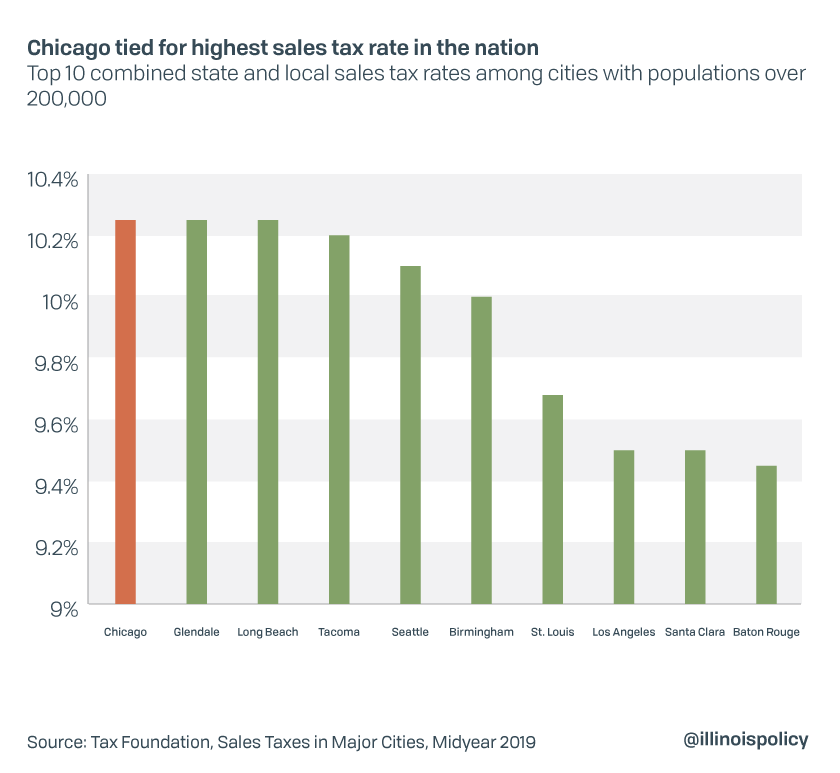
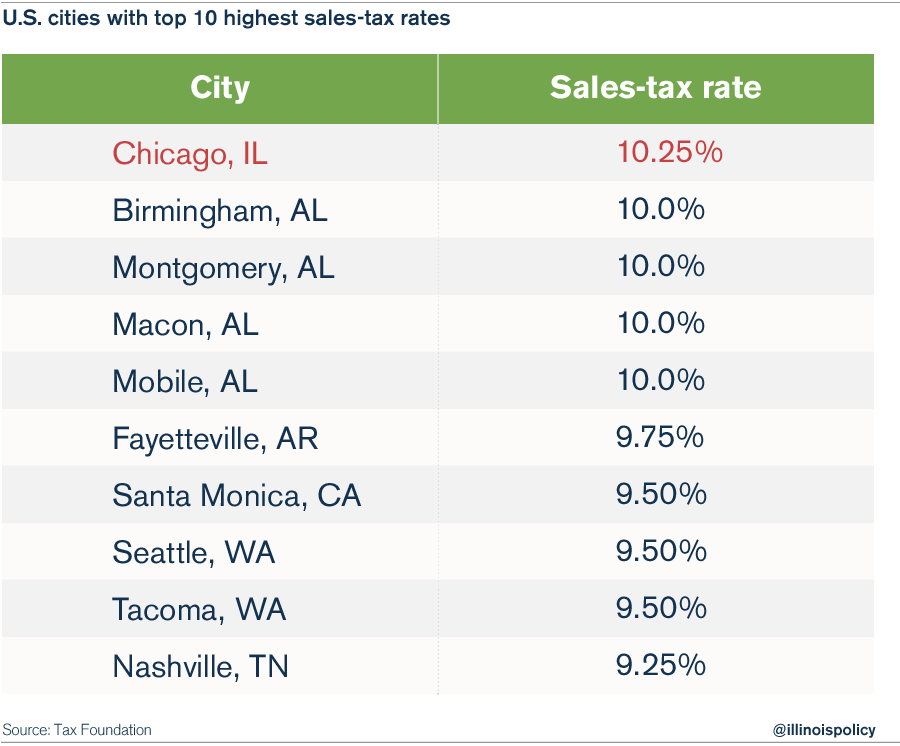
As of late 2023 and early 2024, the general sales tax rate in Chicago is 10.25%. This rate is one of the highest for a major city in the United States. It comprises:
- Illinois State Sales Tax: 6.25%
- Cook County Sales Tax: 1.75%
- City of Chicago Sales Tax: 1.25%
- Regional Transportation Authority (RTA) Sales Tax: 1.00% (This is often categorized with the state/county portion for simplicity but is a distinct levy supporting public transit in the greater Chicago area).
It’s crucial for tourists to remember this 10.25% when budgeting for shopping, dining, and other taxable purchases. While seemingly a small percentage, it quickly adds up, especially on larger items or numerous smaller transactions throughout a trip. This rate applies to most tangible personal property sold at retail, as well as prepared foods and drinks consumed in restaurants or purchased for immediate consumption.
Comparing Rates: What to Expect Versus Other Major US Cities
When juxtaposing Chicago’s 10.25% sales tax rate with those of other prominent tourist destinations across the US, its position as a high-tax city becomes evident. For instance, New York City typically has a combined sales tax rate of 8.875% (New York State 4%, Metropolitan Commuter Transportation District surcharge 0.375%, NYC 4.5%). Los Angeles in California often sees rates around 9.5% to 10.25%, depending on the specific district, placing it in a similar bracket. In contrast, cities in states with no state sales tax, such as Portland, Oregon, or those with very low rates like Denver, Colorado (8.81% state + city), offer a different spending dynamic. This comparison highlights why tourists should be particularly mindful of sales tax while exploring the Windy City, as it represents a more substantial add-on to purchase prices than they might be accustomed to in other travel spots.
Understanding What Gets Taxed: A Tourist’s Spending Guide
For visitors to Chicago, knowing which transactions are subject to the sales tax and which might be exempt is key to managing expenditures. While the general 10.25% rate is prevalent, there are specific categories of goods and services that operate under different rules.
Goods and Prepared Food: The Usual Suspects
The 10.25% sales tax rate primarily applies to most tangible personal property purchased at retail. This includes nearly everything you might buy as a tourist, from clothing and souvenirs to electronics and books. If you’re shopping on the Magnificent Mile, exploring boutiques in Wicker Park, or picking up gifts at the Art Institute of Chicago gift shop, expect to pay this rate.
Perhaps the most significant area where tourists encounter sales tax is dining. All prepared food and drinks purchased from restaurants, cafes, bars, and even many grocery store deli counters (if the food is considered “prepared” for immediate consumption) are subject to the full 10.25% sales tax. This means your iconic deep-dish pizza, gourmet coffees, and craft cocktails will all have this tax added to the menu price. It’s a critical point for budgeting, as dining often constitutes a substantial portion of a travel budget.
Services and Exemptions: Navigating Nuances for Visitors
While most goods and prepared foods are taxed at 10.25%, services in Illinois are generally not subject to sales tax, with some notable exceptions. This means professional services like a haircut or a massage typically won’t incur sales tax. However, if a service involves the sale of tangible personal property (e.g., purchasing hair products during a salon visit), that portion of the transaction would be taxed.
A key exemption for consumers in Illinois, which benefits tourists, relates to certain food items. Unprepared food (groceries) purchased for consumption at home is taxed at a significantly lower rate, usually around 1%. This applies to items like fresh produce, packaged foods, and staples bought at grocery stores like Whole Foods or Mariano’s if they are not considered prepared or hot for immediate consumption. For budget-conscious travelers, opting to buy groceries for breakfast or picnics can be a clever way to save money not only on the base cost of food but also on the sales tax.
Special Considerations: Cannabis and Other Regulated Items
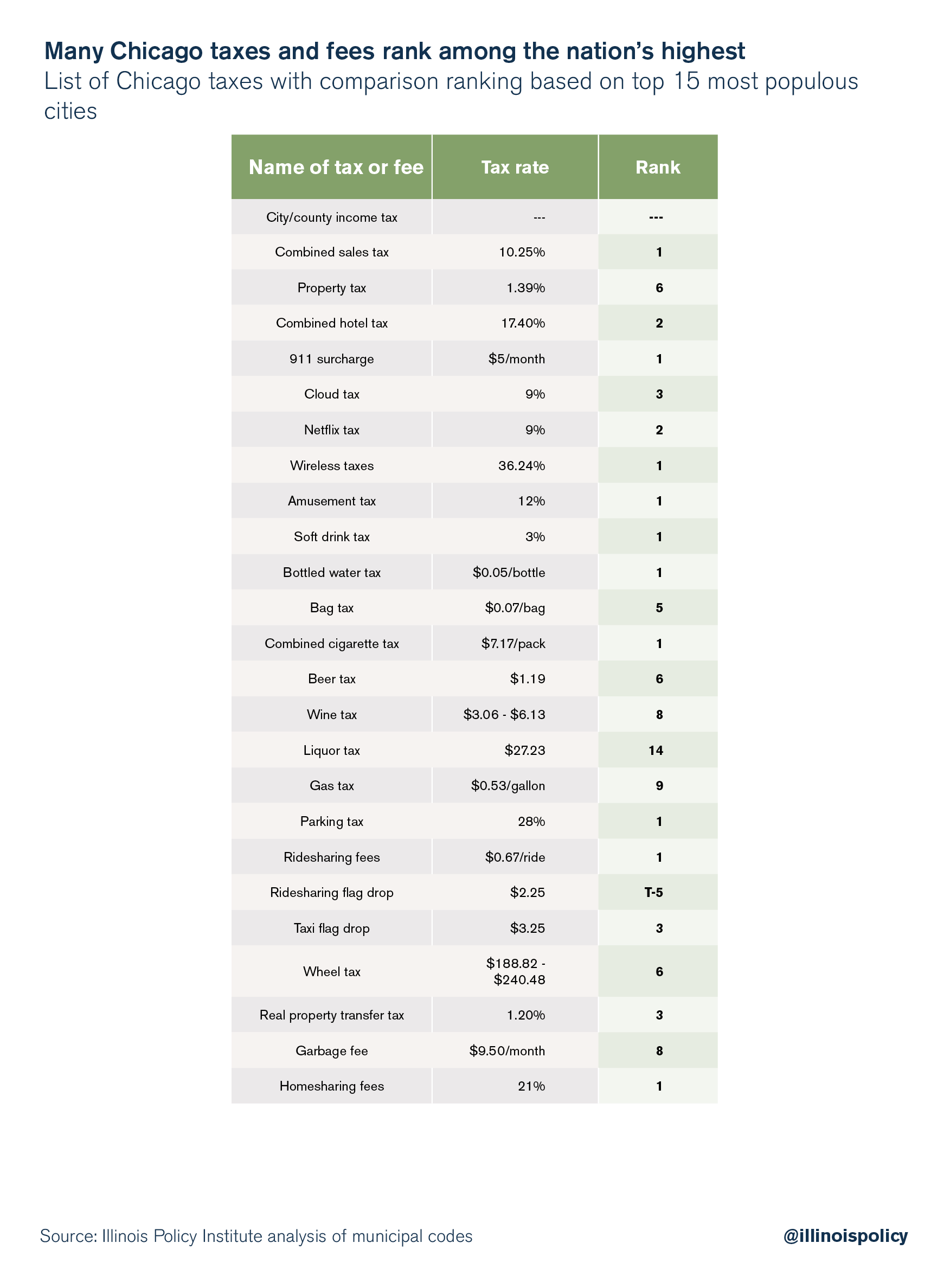
Illinois has legalized recreational cannabis, and while visitors might be curious, it’s essential to understand its specific tax structure. Cannabis products are subject to different, much higher excise taxes based on THC content, in addition to the standard sales tax. These taxes can range from 10% to 25% on top of the base price, creating a significantly higher final cost. Other regulated items like tobacco and alcohol also have their own specific excise taxes embedded in their pricing, though the general sales tax still applies to the retail sale price of these goods. For the average tourist, understanding these specialized taxes is less critical than the general sales tax, but it’s worth noting that not all purchases fall under the straightforward 10.25% rule.
Budgeting for the Windy City Experience: Sales Tax Implications
Effective budgeting is fundamental to a stress-free travel experience. In a city with a high sales tax like Chicago, failing to account for this additional cost can quickly lead to overspending. Integrating sales tax into your financial planning for shopping, dining, and attractions is crucial.
Impact on Shopping: Souvenirs, Fashion, and Electronics
Whether you’re hunting for designer brands on the Magnificent Mile, unique souvenirs at Navy Pier, or need to pick up an essential electronic accessory, the 10.25% sales tax will be added to the sticker price. For a purchase of $100, you’ll actually pay $110.25. If you’re planning a significant shopping spree or considering a high-value purchase like a new gadget, this percentage can translate into a substantial extra cost. A $500 item, for example, will cost you an additional $51.25 in sales tax. Always factor this into your budget, perhaps by setting aside an extra 10-11% on your estimated shopping expenditure. This proactive approach prevents sticker shock at the register and ensures you don’t deplete your funds prematurely.
Dining Out: From Deep Dish Pizza to Fine Dining
Chicago’s culinary landscape is a major draw, from iconic deep-dish establishments to Michelin-starred restaurants. Every meal and drink you purchase at these venues will be subject to the 10.25% sales tax. This is particularly relevant given that dining out is often a daily activity for tourists. A $50 meal for two, before tip, will incur $5.13 in sales tax. Over several days, these charges accumulate quickly. Add in the customary tipping (usually 15-20% on the pre-tax total), and the final bill can be significantly higher than the menu prices suggest. To manage this, consider a “daily food budget” that explicitly includes an allowance for sales tax and gratuity, allowing you to enjoy Chicago’s gastronomic delights without financial strain.
Attractions and Entertainment: Understanding the Hidden Costs
While most admission fees to attractions like museums (Field Museum, Shedd Aquarium, Museum of Science and Industry), theaters, or sports events are typically subject to an “amusement tax” rather than the general sales tax, there are still instances where sales tax applies within these venues. For example, if you purchase souvenirs from the gift shop, snacks from a concession stand, or drinks at a bar within an entertainment venue, these transactions will likely incur the 10.25% sales tax. It’s important to differentiate between general sales tax and specific amusement taxes, as the latter can vary but are distinct from the sales tax discussion here. Always check your receipt or inquire if unsure about the tax structure for specific attraction-related purchases.
Smart Spending Strategies for Your Chicago Trip
Armed with an understanding of Chicago’s sales tax, tourists can employ several strategies to optimize their spending and make the most of their visit. Intelligent planning can help mitigate the impact of the higher tax rate.
Pre-Trip Planning: Accounting for Tax in Your Budget
The most effective strategy is to incorporate sales tax into your budget before you even arrive in Chicago. Instead of budgeting precisely for the listed price of items or meals, add a buffer of at least 10-11% to your estimated spending categories for shopping and dining. For instance, if you anticipate spending $300 on souvenirs and $500 on meals, mentally or physically allocate an additional $30-$33 for souvenirs and $50-$55 for meals to cover the sales tax. This approach ensures that your funds are sufficient for your planned activities and purchases without having to dip into other budget categories or face unexpected shortfalls. Utilizing budgeting apps or spreadsheets can make this process straightforward and transparent.
Savvy Shopping: Maximizing Value in the City
While it’s difficult to avoid sales tax entirely, being a savvy shopper can help. As mentioned, opting for unprepared groceries for some meals can significantly reduce your food tax burden, as these items are taxed at a much lower rate (around 1%). If you are considering a large purchase, comparing prices with online retailers that might not charge Illinois sales tax (though many do, especially large retailers with a physical presence or significant nexus) could be an option, though shipping costs and the convenience of immediate possession often outweigh the tax savings for tourists. Additionally, keep an eye out for sales and discounts, as these reduce the base price on which the sales tax is calculated, indirectly lowering the amount of tax you pay. Shopping during off-peak seasons or holiday sales can also offer opportunities for better deals.
Receipt Scrutiny: Ensuring Accuracy and Understanding Your Spend
Always take a moment to review your receipts. This isn’t just about catching potential errors; it’s also an excellent way to track your spending and see precisely how much you’re paying in sales tax. Most receipts will itemize the sales tax separately, allowing you to observe its accumulation. Understanding how the sales tax is applied to different items on your receipt (e.g., lower tax on groceries versus higher tax on prepared food) can reinforce your budgeting strategies and make you a more informed consumer. If you ever have a question about a charge, don’t hesitate to ask the merchant for clarification. This vigilance empowers you to manage your finances effectively and provides peace of mind throughout your Chicago visit.
By understanding the sales tax landscape and implementing these strategies, tourists can confidently navigate Chicago’s vibrant offerings, ensuring that their budget enhances, rather than limits, their unforgettable Windy City experience.
LifeOutOfTheBox is a participant in the Amazon Services LLC Associates Program, an affiliate advertising program designed to provide a means for sites to earn advertising fees by advertising and linking to Amazon.com. Amazon, the Amazon logo, AmazonSupply, and the AmazonSupply logo are trademarks of Amazon.com, Inc. or its affiliates. As an Amazon Associate we earn affiliate commissions from qualifying purchases.