
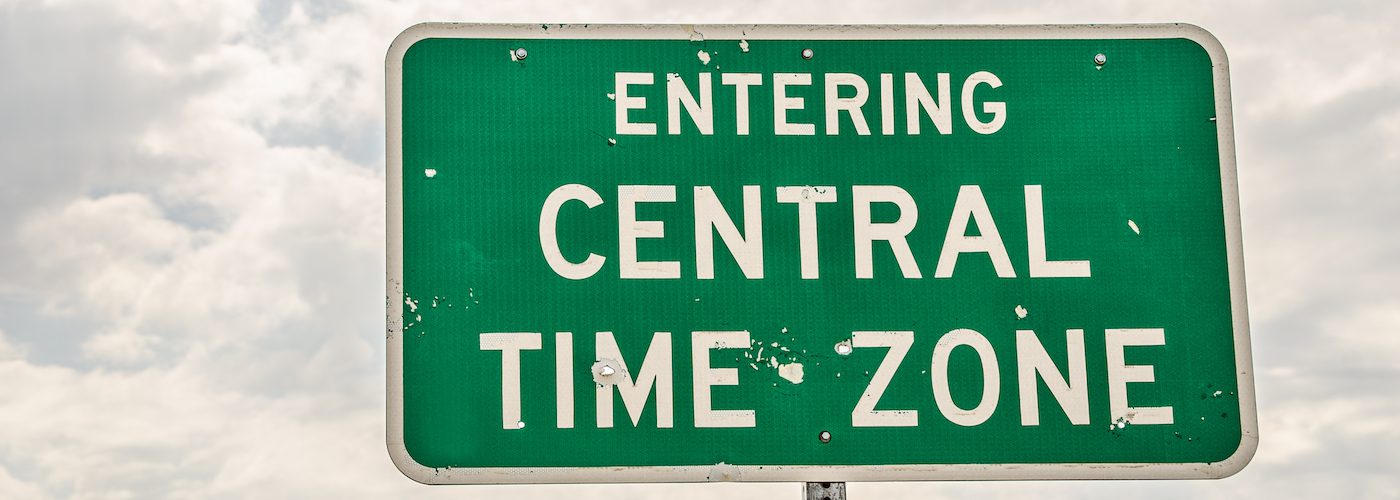
For any traveler planning a visit, understanding the local time zone is more than just a trivial detail—it’s a foundational piece of information that dictates everything from flight schedules and hotel check-ins to restaurant reservations and attraction opening hours. When you set your sights on the vibrant metropolis of Chicago, Illinois, you’re stepping into the heart of the Central Time Zone (CT). This fact, while simple, carries a myriad of implications for a seamless and enjoyable travel experience, impacting your itinerary, communications, and even your body’s rhythm. Delving into Chicago’s time zone helps unlock a deeper appreciation for its operational cadence and prepares you for a successful journey in the Windy City.
Understanding Chicago’s Time Zone: Central Time (CT)
At its core, Chicago observes Central Time, a designation that places it geographically and chronologically within a significant band of North America. This isn’t just a random assignment but a carefully established system designed for practicality and consistency across vast territories. For travelers, grasping the nuances of CT is the first step in aligning with Chicago’s pulse.
The Basics: CST and CDT
The Central Time Zone operates on two different standards throughout the year:
- Central Standard Time (CST): This is the baseline, observed during the colder months, specifically from early November to mid-March. CST is UTC-6, meaning it is six hours behind Coordinated Universal Time.
- Central Daylight Time (CDT): During the spring and summer months, from mid-March to early November, Chicago switches to CDT. This is due to Daylight Saving Time, where clocks are advanced by one hour. CDT is UTC-5, making it five hours behind Coordinated Universal Time.
The transition between CST and CDT is a crucial point for travelers to note, as it can affect arrival times, appointments, and even public transport schedules on the days of change. Forgetting to adjust your internal clock or device could lead to missed connections or appointments. Most modern smartphones and digital devices automatically update for Daylight Saving Time, but it’s always wise to double-check, especially if traveling during the spring forward or fall back periods.
Geographical Context: Why Chicago is in CT
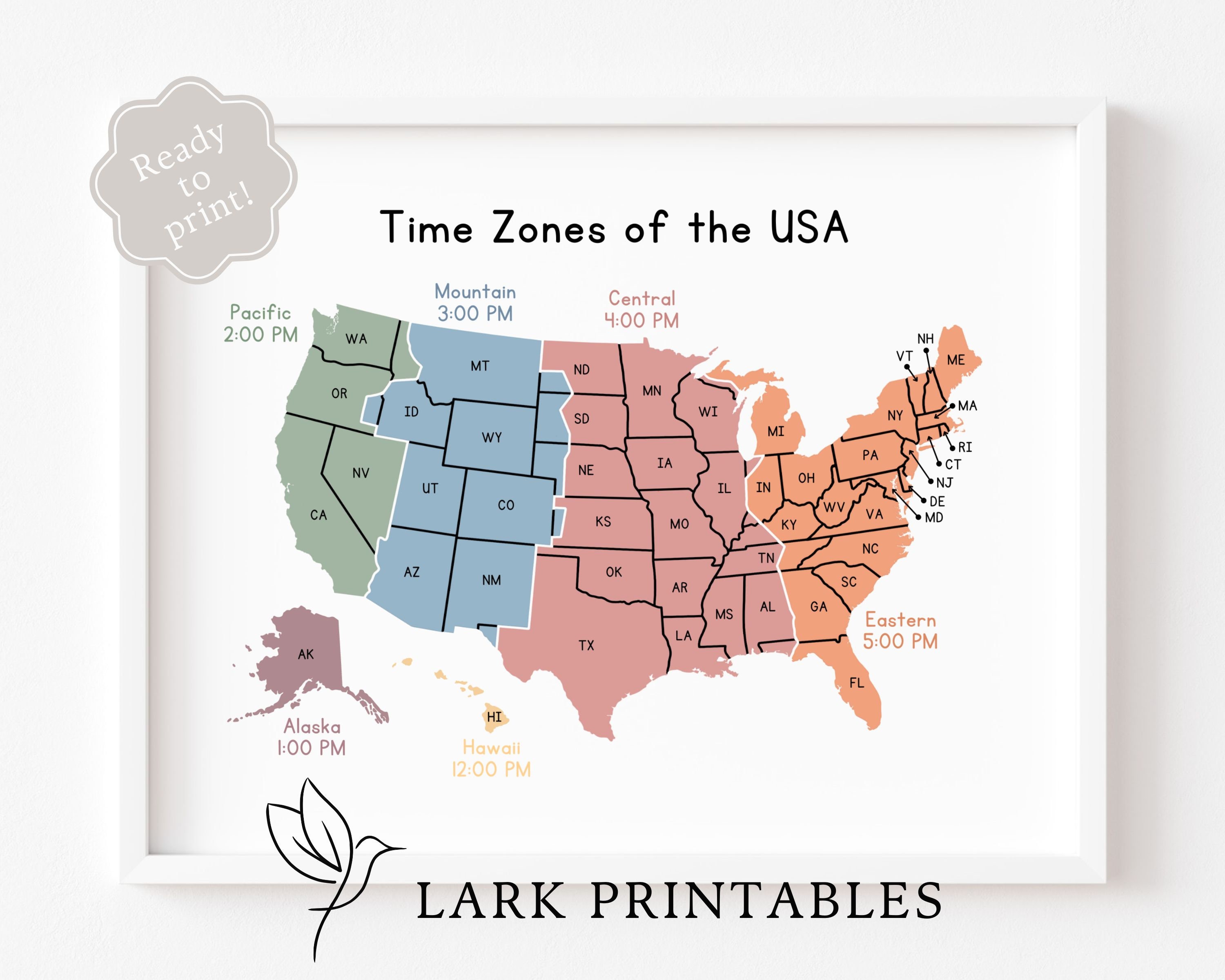
Chicago’s position within the Central Time Zone is a direct result of its geographical location in the United States. The United States is divided into multiple standard time zones to accommodate its vast east-to-west expanse, ensuring that noon aligns roughly with the sun’s highest point across different longitudes. The Central Time Zone covers much of the Midwest, stretching from the Gulf Coast states like Texas and Louisiana north through states like Illinois, Wisconsin, and parts of Canada and Mexico.
For travelers, this means that if you’re arriving from the East Coast (Eastern Time Zone), you’ll gain an hour upon arrival in Chicago. Conversely, if you’re coming from the Mountain or Pacific Time Zones, you’ll lose an hour or two, respectively. Understanding this differential is vital for planning your energy levels and mitigating potential jet lag, which we’ll explore further.
Historical Context: The Origins of Time Zones
The concept of standardized time zones, including the Central Time Zone, emerged in the late 19th century, primarily driven by the expansion of railroads. Before this, towns and cities kept their own local time, usually based on the sun’s position. This created immense confusion for railway schedules, leading to the adoption of a system that divided the continent into zones. Chicago, as a major railway hub, was instrumental in this transition, solidifying its place in the newly established Central Time Zone. This historical context highlights how time zones are not arbitrary but are functional constructs that facilitate modern travel and commerce.
Navigating Time Differences for Travelers
The practical implications of Chicago’s time zone become apparent the moment you start planning your trip. From booking flights to managing your biological clock, time differences are a critical factor in ensuring a smooth and enjoyable visit.
Planning Flights and Arrival Times
When booking flights into Chicago’s major airports, such as O’Hare International Airport (ORD) or Midway International Airport (MDW), all arrival and departure times will be listed in local Central Time. If you’re flying from a different time zone, it’s crucial to calculate the effective arrival time in your body’s time to avoid misinterpretations. For instance, a 5:00 PM arrival from the East Coast would feel like 6:00 PM to your body, while the same arrival from the West Coast would feel like 3:00 PM. This awareness helps you plan your immediate post-arrival activities, like hotel check-in, ground transportation, and dinner reservations, more realistically.
Syncing Schedules Across Time Zones
For business travelers, or those coordinating with friends and family in other parts of the world, syncing schedules can be a puzzle. Be mindful of the one-hour difference with the Eastern Time Zone and the two- or three-hour differences with the Mountain and Pacific Time Zones in the United States. When communicating internationally, these differences become even more pronounced. Always specify the time zone when arranging calls or virtual meetings to avoid confusion. Many scheduling tools offer automatic time zone conversion, which can be incredibly helpful.
Managing Jet Lag When Visiting Chicago
Jet lag, or time zone change syndrome, is a common affliction for travelers crossing multiple time zones. While a one-hour shift from the Eastern Time Zone might be negligible, a two- or three-hour difference from the West Coast can be noticeable. Symptoms include fatigue, disorientation, disrupted sleep, and digestive issues.
To minimize jet lag when traveling to Chicago:
- Adjust gradually: A few days before your trip, try to shift your sleep schedule by 15-30 minutes towards Central Time.
- Hydrate: Drink plenty of water before and during your flight. Avoid excessive alcohol and caffeine, which can exacerbate dehydration.
- Expose yourself to natural light: Upon arrival, spend time outdoors, especially in the morning. Sunlight helps reset your body’s circadian rhythm. A stroll through Millennium Park or along Lake Michigan can do wonders.
- Stick to local time: As soon as you arrive, try to eat and sleep according to Chicago’s local time, regardless of how your body feels initially.
- Light exercise: Gentle activity can help, but avoid intense workouts close to bedtime.
Practical Implications for Your Chicago Itinerary
Beyond flights and jet lag, Chicago’s Central Time influences the rhythm of daily life and, consequently, your travel itinerary. Being aware of these local timings ensures you make the most of your visit without missing out on key experiences.

Business and Conference Schedules
For business travelers, all meetings, conferences, and networking events in Chicago will adhere to Central Time. If you have colleagues or clients in other time zones, ensure all scheduled communications explicitly state the time zone to prevent misunderstandings. Chicago is a major convention city, and schedules for large-scale events are rigidly enforced according to local time. Arriving punctual means acknowledging this time distinction.
Dining and Entertainment Hours
Chicago boasts a world-class culinary scene and vibrant nightlife. Restaurants typically open for lunch around 11:00 AM or noon, and dinner service often begins between 5:00 PM and 6:00 PM, extending well into the evening. Bars and clubs on the Magnificent Mile or in neighborhoods like River North will operate according to local closing times, often until 2:00 AM or later on weekends.
Understanding these typical hours in Central Time helps you plan your reservations effectively. If you’re coming from a time zone where people dine later or earlier, you might need to adjust your internal clock to fully enjoy Chicago’s gastronomic offerings without rushing or waiting.
Public Transportation and Attraction Timings
Public transportation, including the CTA ‘L’ train and bus system, operates on a strict Central Time schedule. When navigating the city, always refer to local times for train departures, bus arrivals, and connecting services. Similarly, popular attractions like the Art Institute of Chicago, the Shedd Aquarium, Field Museum, and the observation deck at Willis Tower (Skydeck) all have specific opening and closing times that are strictly enforced in Central Time. Checking these times in advance and factor in travel time to avoid disappointment is vital. For example, if you plan to visit Cloud Gate (“The Bean”) at sunrise, knowing the exact Central Time for sunrise is crucial.
Day-to-Day Life and Local Rhythms in Chicago
Beyond specific schedules, the time zone shapes the broader rhythms of life in Chicago, influencing everything from daylight hours to daily commutes. Appreciating these patterns can enhance a traveler’s immersion into the city’s environment.
Sunrise and Sunset: Seasonal Variations
Because Chicago observes Daylight Saving Time, the times for sunrise and sunset vary significantly throughout the year, impacting outdoor activities and photography opportunities.
- Summer (CDT): Days are long, with sunrises as early as 5:15 AM and sunsets as late as 8:30 PM. This extended daylight is perfect for enjoying Lake Michigan beaches, boat tours from Navy Pier, and evening strolls.
- Winter (CST): Days are considerably shorter, with sunrises around 7:00 AM and sunsets as early as 4:20 PM. This means fewer daylight hours for sightseeing, requiring more careful planning for outdoor activities.
Understanding these shifts helps you maximize your daylight hours for exploration and know when to transition to indoor attractions or evening entertainment.
Peak Hours and Commute Times
Like any major city, Chicago experiences peak commute hours, primarily dictated by standard work schedules that align with Central Time. Morning rush hour typically runs from 7:00 AM to 9:00 AM, and evening rush hour from 4:00 PM to 6:00 PM. During these times, public transport can be crowded, and road traffic heavy. If your itinerary involves travel across the city during these windows, budgeting extra time is essential. Planning museum visits or shopping excursions during off-peak hours can save you time and provide a more relaxed experience.
Emergency Services and Communication
In critical situations, all emergency services (911 for police, fire, and medical) operate strictly on Chicago’s Central Time. When communicating with local authorities or healthcare providers, always reference local time. For personal communication, especially with those outside Central Time, it’s a courtesy and a necessity to be mindful of their respective time zones, particularly when making calls early in the morning or late at night.
Tips for a Seamless Time-Aware Trip to Chicago
Armed with knowledge about Chicago’s Central Time Zone, here are some actionable tips to ensure your trip runs as smoothly as clockwork.
Setting Your Devices
- Smartphone and Smartwatch: Most modern devices automatically update their time zone based on your location. Ensure your device’s “Automatic Time Zone” setting is enabled.
- Laptop/Tablet: Double-check these devices, especially if you’re using them for critical appointments or online meetings. Manually set them to Central Time if automatic updates are inconsistent.
- Travel Clock: If you use a traditional travel alarm clock, remember to adjust it manually upon arrival.
Best Practices for Communication
- Always confirm time zones: When scheduling calls or meetings with people outside Chicago, explicitly state “CT” or “CDT” to avoid any confusion.
- Use world clock apps: Utilize apps that display multiple time zones simultaneously. This is particularly helpful for international travelers or business professionals.
- Inform your contacts: If you have regular contacts who might not be aware of your current location, give them a heads-up about the time difference.
Embracing the Local Pace
Finally, and perhaps most importantly, embrace the local pace. Chicago’s bustling energy is part of its charm. Allow yourself to adjust to the Central Time rhythm, whether it’s an earlier dinner than you’re used to or waking up with the city’s early morning activity. Don’t fight the clock; flow with it. By understanding and respecting Chicago’s time zone, you not only avoid potential travel mishaps but also deepen your connection to this magnificent city, ensuring a truly immersive and memorable experience.
LifeOutOfTheBox is a participant in the Amazon Services LLC Associates Program, an affiliate advertising program designed to provide a means for sites to earn advertising fees by advertising and linking to Amazon.com. Amazon, the Amazon logo, AmazonSupply, and the AmazonSupply logo are trademarks of Amazon.com, Inc. or its affiliates. As an Amazon Associate we earn affiliate commissions from qualifying purchases.