
Many first-time visitors or those planning a trip to the Windy City might pose a seemingly simple question: “What is the zip code of Chicago?” The straightforward answer, perhaps surprisingly, is that there isn’t just one. Like any expansive major metropolis, Chicago encompasses a multitude of zip codes, each meticulously delineating distinct neighborhoods, postal delivery areas, and, crucially for travelers, unique zones of urban character and experience. Understanding Chicago’s intricate tapestry of zip codes is more than just a logistical detail; it’s a powerful tool for planning an informed, efficient, and deeply immersive travel itinerary. From pinpointing the perfect hotel location to discovering hidden local gems or navigating the city’s vibrant districts, zip codes serve as an invaluable compass for the discerning traveler.
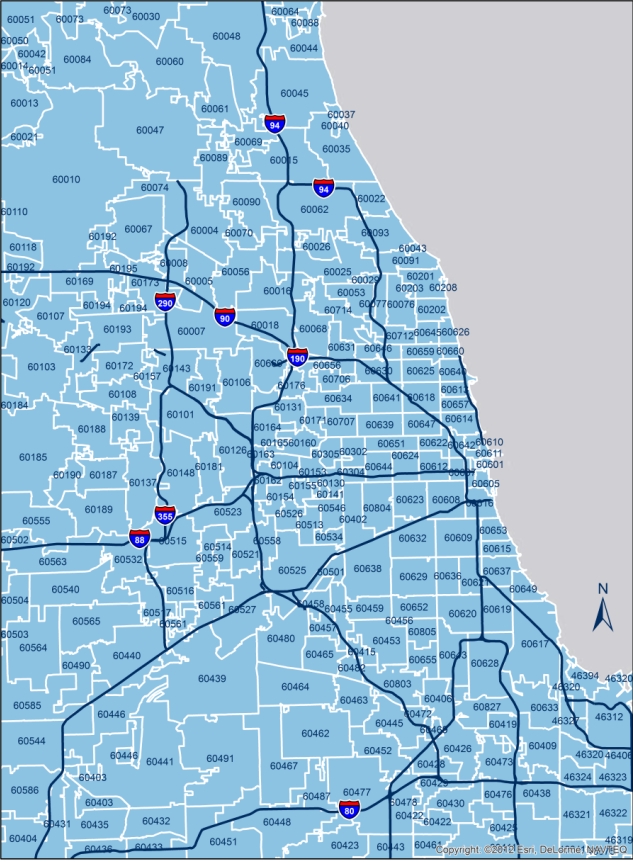
Decoding Chicago’s Zip Code Landscape
To truly appreciate Chicago as a destination, one must first grasp the foundational role that zip codes play in its structure. They are not merely arbitrary numbers but rather the backbone of its postal and geographic organization, directly influencing how we perceive and interact with its diverse environments.
The Basics: Understanding Chicago’s Postal System
The United States Postal Service (USPS) assigns ZIP Codes (Zone Improvement Plan) to areas across the country to streamline mail delivery. For Chicago, these five-digit codes primarily fall within the 606xx range, where ‘xx’ varies widely depending on the specific area. For example, you’ll find zip codes like 60601 for parts of The Loop, 60614 for Lincoln Park, or 60611 for the Magnificent Mile and Streeterville. This system reflects the city’s vastness, with each unique code representing a concentrated geographic segment. While you don’t need to memorize every single one, recognizing the patterns and understanding that different codes signify different locales is paramount for travel planning.
Why Zip Codes Matter for Travelers
For the modern traveler, zip codes transcend their original postal function, evolving into a critical navigational and planning aid. When booking accommodations, researching attractions, or even selecting dining options, a zip code provides immediate context. It tells you whether a location is in the bustling downtown core, the tranquil residential areas, or the vibrant entertainment districts. This geographical insight helps travelers:
- Strategize Location: Identify areas close to specific landmarks or business districts.
- Assess Proximity: Understand distances between planned activities.
- Budget Transportation: Estimate travel times and costs for rideshares or public transit.
- Immerse Locally: Discover neighborhoods that align with their travel style and interests, whether it’s high-end shopping, artistic exploration, or culinary adventures.
Navigating Chicago by Zip Code: A Traveler’s Guide to Neighborhoods
Chicago’s identity is intrinsically linked to its neighborhoods, each boasting its own character, attractions, and often, its own distinct zip code. Exploring the city through this lens offers a more granular and rewarding travel experience.
Downtown and The Loop (e.g., 60601, 60602, 60603, 60604, 60605, 60606, 60607)
At the heart of Chicago lies The Loop, the central business district and a major tourist hub. This area is dense with iconic landmarks and cultural institutions. Visitors here can explore Millennium Park, home to the famous Cloud Gate (affectionately known as “The Bean”), wander through the world-renowned Art Institute of Chicago, stroll along the picturesque Chicago Riverwalk, or ascend the Willis Tower Skydeck for breathtaking city views. Accommodation options range from luxury hotels like the Hyatt Regency Chicago to more budget-friendly choices, all within walking distance or a short public transit ride to major attractions. This area is ideal for first-time visitors who want to experience Chicago’s grandeur and architectural marvels.
North Side Charm: Lincoln Park & Old Town (e.g., 60614, 60610)
Just north of downtown, areas like Lincoln Park (60614) and Old Town (60610) offer a different vibe – a blend of historic charm, expansive green spaces, and vibrant local culture. Lincoln Park is home to the free Lincoln Park Zoo, scenic lakefront trails, and the prestigious DePaul University. Old Town, adjacent to Lincoln Park, is known for its tree-lined streets, historic architecture, and a lively entertainment scene with comedy clubs and boutique shops. These zip codes appeal to travelers seeking a more relaxed, family-friendly atmosphere with plenty of dining options and a local feel, while still being easily accessible from downtown.
Magnificent Mile & Streeterville (e.g., 60611)
The 60611 zip code primarily covers the glamorous Magnificent Mile and its surrounding Streeterville neighborhood. This is Chicago’s premier shopping district, boasting flagship stores, luxury boutiques, and iconic structures like Water Tower Place and the John Hancock Center (now 875 N. Michigan Avenue, offering 360 Chicago views). Within this same zip code, you’ll find Navy Pier, a bustling waterfront attraction with rides, restaurants, and boat tours. The Peninsula Chicago is an example of the high-end accommodation prevalent here. This area is perfect for travelers focused on shopping, upscale dining, and classic Chicago entertainment, all set against a backdrop of stunning urban architecture.
West Loop & Fulton Market (e.g., 60607)
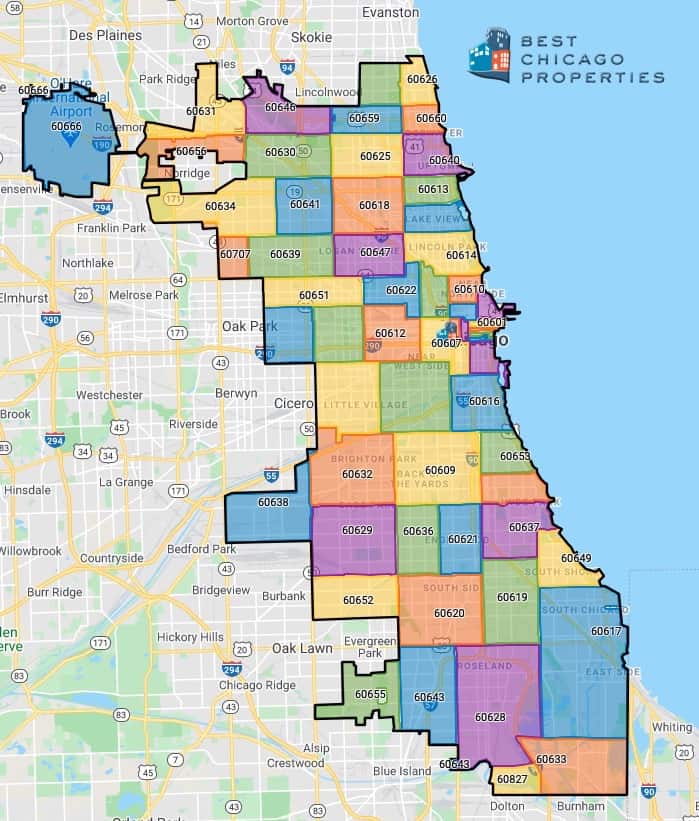
Once an industrial zone, the West Loop and Fulton Market district, largely within the 60607 zip code, have transformed into Chicago’s culinary epicenter. This area is a must-visit for foodies, featuring an incredible concentration of award-winning restaurants, trendy bars, and vibrant art galleries. It’s a dynamic neighborhood where historic warehouses have been converted into chic eateries and tech offices. Travelers seeking an authentic, cutting-edge dining experience and a lively nightlife will find the West Loop to be an exciting contrast to the more traditional tourist areas.
South Side Heritage: Hyde Park (e.g., 60615, 60637)
Venturing further south, Hyde Park (zip codes like 60615 and 60637) offers a rich tapestry of history, culture, and academic life. Home to the prestigious University of Chicago, this neighborhood boasts significant landmarks such as the Museum of Science and Industry and the ongoing development of the Obama Presidential Center. Hyde Park is characterized by its beautiful architecture, diverse community, and intellectual atmosphere. For travelers interested in history, science, and the legacy of influential figures, Hyde Park provides a profound and enriching experience away from the downtown hustle.
Practical Applications of Zip Codes for Your Chicago Trip
Beyond simply knowing which neighborhood is where, understanding zip codes has tangible benefits for the practical aspects of travel, making your Chicago visit smoother and more enjoyable.
Accommodation Booking
When searching for hotels or vacation rentals, zip codes are your best friend. Instead of just searching “hotels in Chicago,” which could yield results across the entire sprawling city, specifying a zip code allows you to narrow down options to your preferred area. If you want to be near Millennium Park, focusing on 60601 or 60603 will provide relevant choices. If you prioritize shopping and luxury, searching 60611 for the Magnificent Mile will filter out less convenient options. This ensures your chosen accommodation is strategically located for your planned activities, minimizing commute times and maximizing your exploration.
Transportation and Logistics
Zip codes implicitly guide your understanding of Chicago’s public transportation system. Different neighborhoods, identified by their zip codes, are serviced by various CTA ( Chicago Transit Authority) train lines (the “L” train) and bus routes. Knowing your starting and destination zip codes can help you quickly plot the most efficient public transit routes, understand transfer points, and estimate travel duration. Similarly, rideshare apps and taxi services often use zip codes to define zones for pricing and availability, giving you a clearer picture of transportation costs between different parts of the city.
Discovering Local Gems
For those who wish to delve deeper than the main tourist attractions, zip codes become a key to unlocking local experiences. Online search engines, review sites, and local blogs often allow you to filter results by zip code. This means you can easily find highly-rated, local-favorite restaurants, independent coffee shops, unique boutiques, or neighborhood parks within the specific district you’re exploring. This approach helps travelers move beyond the well-trodden paths and discover the authentic, everyday charm of Chicago’s diverse communities.
Beyond the Numbers: The Dynamic Nature of Chicago’s Urban Fabric
While zip codes provide a static framework, Chicago itself is a living, breathing entity, constantly evolving. Travelers should use zip codes as a guide, not a rigid boundary.
Evolution of Neighborhoods and Zip Codes
Urban areas are dynamic, and Chicago is no exception. Neighborhoods undergo revitalization, new developments emerge, and sometimes, perceptions of an area shift. While zip codes remain relatively stable, the character of the areas they define can change over time. Being aware of this dynamism adds another layer of insight to your travel planning, encouraging you to look beyond the numbers and explore the current pulse of each district.
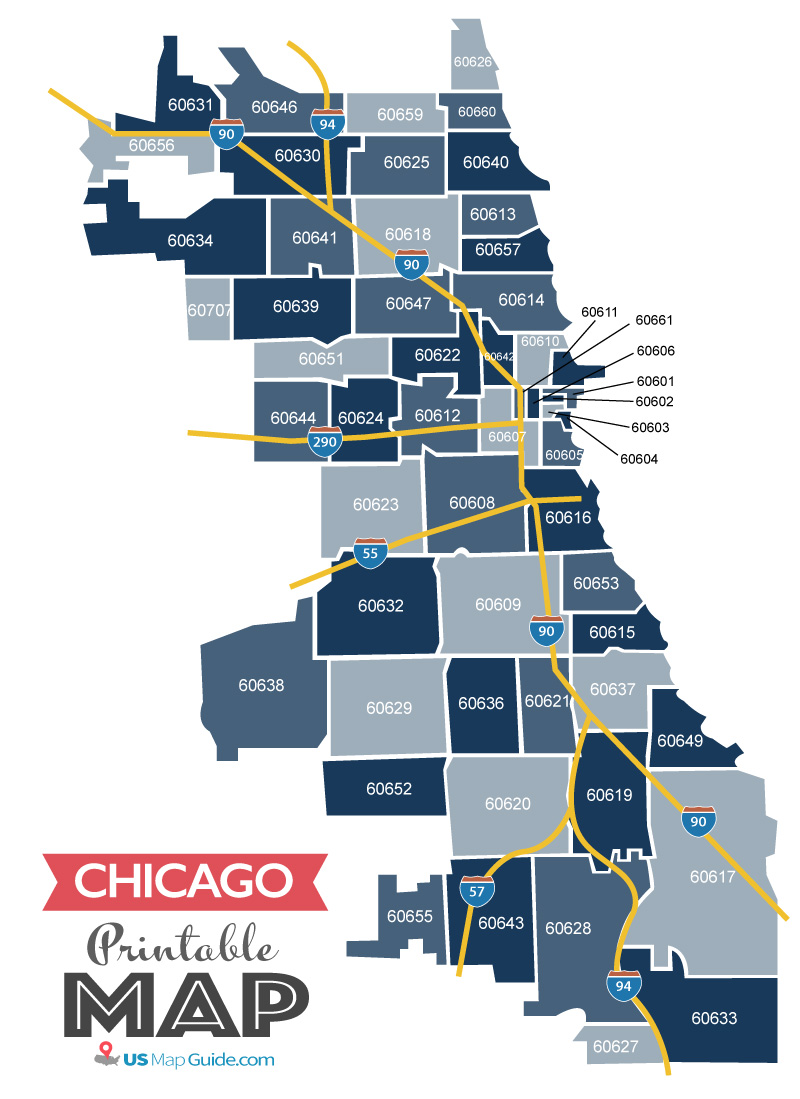
Planning Your Ideal Chicago Itinerary
Ultimately, understanding Chicago’s zip code system empowers you to craft a more thoughtful and enriching travel experience. It allows you to visualize the city geographically, group activities logically, and select accommodations that perfectly suit your itinerary. By using zip codes as a foundational tool, you can move efficiently from the cultural institutions of The Loop to the culinary delights of the West Loop or the tranquil beauty of Lincoln Park, ensuring that your precious travel time is spent experiencing, not just navigating.
In conclusion, there isn’t one single zip code for Chicago, but a fascinating network of them, each telling a story of a specific part of this incredible city. For the discerning traveler, these numbers are far more than just postal codes; they are keys to unlocking the diverse, dynamic, and unforgettable experiences that await in every corner of Chicago.
LifeOutOfTheBox is a participant in the Amazon Services LLC Associates Program, an affiliate advertising program designed to provide a means for sites to earn advertising fees by advertising and linking to Amazon.com. Amazon, the Amazon logo, AmazonSupply, and the AmazonSupply logo are trademarks of Amazon.com, Inc. or its affiliates. As an Amazon Associate we earn affiliate commissions from qualifying purchases.