
For many travelers, adventurers, and those with connections across the vibrant landscape shared by the United States and Mexico, the question of whether the California Mexican border is shut down is a recurring concern. This query often stems from past global events, evolving political narratives, or perhaps anecdotal experiences of increased wait times or temporary restrictions. However, for clarity and peace of mind, it’s essential to state unequivocally: the California-Mexico border is not shut down. It remains a dynamic, continuously operational gateway facilitating millions of crossings annually for tourism, commerce, family visits, and daily commutes.
This article aims to provide a comprehensive guide for anyone planning to traverse this fascinating boundary, offering insights into its current operational status, essential travel requirements, and the wealth of tourism and lifestyle experiences that await on both sides. Whether you’re a seasoned cross-border explorer or contemplating your first journey, understanding the nuances of this international crossing is key to a smooth and enriching experience. We’ll delve into the major ports of entry, necessary documentation, practical tips for efficient passage, and highlight popular destinations that showcase the unique cultural tapestry woven by two nations. Far from being closed, the border is a testament to the enduring interconnectedness of California and Baja California, bustling with life and opportunity for those ready to explore.
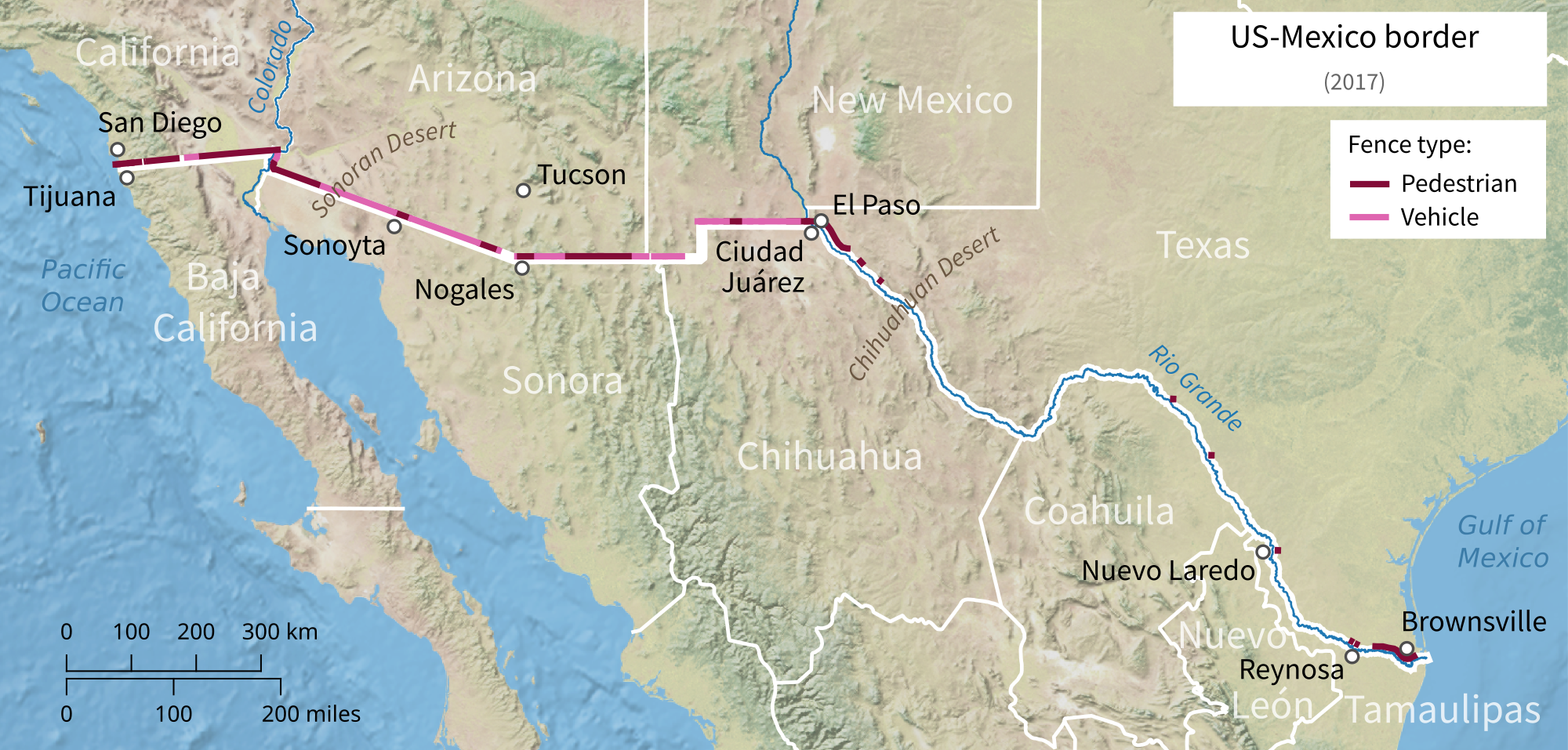
Navigating the California-Mexico Border: Current Status and Key Crossings
Understanding the current operational status and familiarizing oneself with the various entry points is the first step toward a hassle-free cross-border journey. The border is a sophisticated network designed to handle a vast flow of traffic, each crossing point with its own characteristics and typical usage patterns.
A Clear Answer: The Border is Open
To reiterate, the California Mexican border is fully operational and open for all authorized crossings. While there were significant restrictions on non-essential travel during the peak of the global pandemic, these measures have long since been lifted. Today, individuals can cross for tourism, business, education, and family visits, subject to standard international travel requirements. The border facilitates a constant flow of people and goods, underscoring the deep economic and cultural ties between California and Baja California. While security measures are always in place and can sometimes lead to increased scrutiny or wait times, these are standard operating procedures for any international border and do not signify a “shutdown.” Travelers should always be prepared to present proper identification and be subject to inspection by U.S. Customs and Border Protection (CBP) when entering the United States and by Mexican authorities when entering Mexico.
Major Ports of Entry
The California-Mexico border is home to several major ports of entry, each serving different purposes and traffic volumes. Choosing the right one can significantly impact your crossing experience.
- San Ysidro Port of Entry: Located just south of San Diego, California, this is arguably the busiest land border crossing in the Western Hemisphere. It connects directly to Tijuana, Mexico, and is used by millions of pedestrians and vehicles annually. Its size and capacity mean it can handle a tremendous volume of traffic, but also that wait times can be substantial, especially during peak hours. For pedestrians, there are multiple lanes, including dedicated lanes for SENTRI cardholders.
- Otay Mesa Port of Entry: Also near San Diego and Tijuana, Otay Mesa is primarily known for its commercial vehicle traffic, making it a vital economic artery. However, it also has passenger vehicle and pedestrian lanes. While generally less crowded than San Ysidro for passenger vehicles, it’s important to check current wait times, particularly if you’re traveling during a busy commercial period. It’s often a preferred choice for those looking to avoid the most congested areas of Tijuana or for quicker access to specific industrial zones.
- Calexico West Port of Entry: Further east, connecting Calexico, California, with Mexicali, Baja California, this crossing serves the Imperial Valley region. Calexico West primarily handles non-commercial traffic, offering a substantial number of lanes for both vehicles and pedestrians. A newer, modernized facility has improved efficiency, but given the large population of Mexicali, wait times can still be considerable.
- Calexico East Port of Entry: Also serving Calexico and Mexicali, this port is dedicated to commercial traffic and some general vehicle traffic, often diverting heavy trucks from the urban center of Calexico West. It’s generally not the first choice for tourists unless specifically directed.
- Tecate Port of Entry: East of Otay Mesa, the Tecate crossing connects the small, picturesque town of Tecate, California (unincorporated San Diego County), with Tecate, Baja California, Mexico. This is a smaller, often less crowded port, popular with travelers seeking to avoid the bustle of Tijuana. It’s a good option for those heading to Valle de Guadalupe or other inland destinations in Baja California.
Each port of entry offers a distinct experience, and selecting the most appropriate one for your specific travel plans can greatly enhance the efficiency of your border crossing.
Essential Travel Requirements and Border Crossing Tips
A successful and stress-free border crossing hinges on preparation. Understanding the necessary documentation and adopting smart travel strategies can significantly reduce wait times and prevent any unwelcome surprises.
Required Documentation for Seamless Passage
When crossing the international border, having the correct and valid identification is paramount. The type of documentation required depends on your citizenship and whether you are entering Mexico or returning to the United States.
- For U.S. Citizens Entering Mexico: While a passport isn’t always strictly demanded by Mexican authorities for short visits to the immediate border zone, it is highly recommended. For travel beyond the immediate border area or stays longer than 72 hours, a valid U.S. Passport is required. Additionally, you will need a Mexican Tourist Permit (FMM – Forma Migratoria Múltiple). This can be obtained at the border for a fee or online in advance.
- For U.S. Citizens Re-entering the United States: The Western Hemisphere Travel Initiative (WHTI) requires U.S. citizens to present a U.S. Passport, U.S. Passport Card, or other approved travel document. Other acceptable documents include an Enhanced Driver’s License (EDL) from certain states/provinces, or Trusted Traveler Program cards.
- Trusted Traveler Programs: For frequent crossers, enrolling in programs like SENTRI (Secure Electronic Network for Travelers Rapid Inspection) or Global Entry can dramatically reduce wait times. These programs offer expedited processing lanes for pre-approved, low-risk travelers, making border crossings significantly faster and more convenient. While NEXUS is primarily for U.S.-Canada crossings, Global Entry benefits extend to all ports of entry to the U.S..
- Vehicle Documentation: If driving your vehicle into Mexico beyond the immediate border zone (typically 20-30 kilometers), you will need to obtain a temporary import permit for your vehicle. This is usually not required for short day trips into Tijuana or Mexicali. Crucially, U.S. auto insurance is generally not valid in Mexico; you will need to purchase separate Mexican auto insurance, which can be done online or at offices near the border.
Practical Advice for a Smooth Journey
Beyond documentation, a few practical tips can streamline your border crossing experience.
- Check Wait Times: Before heading to the border, always check current wait times. The CBP Border Wait Times App or the CBP website provides real-time estimates for all major ports of entry. This allows you to choose the least congested crossing or adjust your travel time.
- Timing is Key: Generally, early mornings (before 8 AM) and late evenings on weekdays tend to have shorter wait times. Weekends, holidays, and traditional commute hours (afternoons) are typically the busiest.
- What to Declare: Be honest and declare all items you are bringing into the United States. This includes purchased goods, agricultural products, and any large sums of currency. Failure to declare can result in fines, seizure of goods, or even arrest. Familiarize yourself with prohibited and restricted items.
- Be Prepared for Inspection: Border agents have the right to inspect vehicles and personal belongings. Be polite, answer all questions truthfully, and have your documents readily accessible.
- Fuel Up and Hydrate: Especially during long waits, ensure your vehicle has enough fuel, and you have water and snacks, particularly if traveling with children.
- Plan Your Route: Know exactly where you’re going once you cross the border. Use reliable navigation apps that function internationally.
- Safety and Awareness: While cross-border travel is generally safe, always be aware of your surroundings, especially in crowded areas. Secure your belongings and follow local laws and customs.
Unlocking Cross-Border Tourism and Lifestyle Experiences
With the border open and accessible, the opportunities for exploring the rich cultural, culinary, and natural landscapes of both California and Baja California are immense. This region offers a unique blend of experiences, from bustling urban centers to serene coastal retreats and world-class wine country.
Popular Destinations Beyond the Border
The proximity of the California Mexican border means that a day trip or extended stay can transport you to vastly different environments.
On the Mexican Side:
- Tijuana: Just across from San Diego, Tijuana has transformed into a vibrant hub for gastronomy, craft beer, and arts. Explore Avenida Revolución for souvenirs, visit the Pasaje Rodriguez for art galleries, or delve into its acclaimed culinary scene, ranging from street tacos to high-end dining. The city’s energy is infectious, offering a raw and authentic Mexican urban experience.
- Rosarito Beach: A short drive south of Tijuana, Rosarito is a popular coastal town known for its wide sandy beaches, lively nightlife, and water sports. It’s an ideal spot for a relaxing beach getaway or a fun-filled weekend. History buffs might be interested in the proximity to where Fox Baja Studios once stood, famous for filming blockbusters like “Titanic.”
- Ensenada: Further down the coast, Ensenada is a major cruise ship port and a gateway to the famous Valle de Guadalupe wine region. Attractions include the marine geyser, La Bufadora, fresh seafood markets, and a charming downtown area. It offers a blend of adventure, culinary delights, and scenic beauty.
- Valle de Guadalupe: Often referred to as the “Napa Valley of Mexico,” this wine region has garnered international acclaim. It boasts numerous wineries, gourmet restaurants, and boutique hotels, offering an elegant escape for wine enthusiasts and foodies.
- Mexicali: The capital city of Baja California, Mexicali offers a distinct experience with its unique Chinese heritage (La Chinesca), vibrant nightlife, and local cuisine. It’s a key agricultural and industrial center, providing a different perspective on Mexican border life.
- Puerto Peñasco (Rocky Point): Though not directly on the California border, many Californians travel further south into Sonora to reach Puerto Peñasco, a popular beach resort town on the Sea of Cortez. It’s a favorite for fishing, watersports, and relaxing beach vacations.
On the California Side:
- San Diego: A short distance from the border, San Diego is a world-class destination in its own right. Famous for its beautiful beaches, temperate climate, and diverse attractions, it offers everything from the historic Gaslamp Quarter and lush Balboa Park (home to the San Diego Zoo) to the tranquil shores of La Jolla.
- Coronado: Accessible via a scenic bridge from San Diego, Coronado boasts pristine beaches and the iconic Hotel del Coronado, a historic landmark and luxury resort. It’s perfect for a leisurely day trip or an upscale overnight stay.
Accommodation and Lifestyle Considerations
Cross-border travel caters to a wide array of lifestyles and budgets. From luxurious resorts to charming boutique hotels and practical budget-friendly stays, accommodation options abound on both sides.
- In Tijuana, you can find modern high-rise hotels like the Hyatt Regency Tijuana offering amenities for business and leisure travelers, alongside more traditional hotels like Hotel Palacio Azteca. For a more intimate experience, several boutique hotels and Airbnb options provide a taste of local charm.
- In San Diego, the choices are even broader, ranging from five-star luxury at The US Grant, a Luxury Collection Hotel in the heart of downtown to family-friendly resorts near the coast and budget accommodations throughout the city.
- Lifestyle Travel: Whether you’re planning a luxury getaway to Valle de Guadalupe’s vineyards, a budget-friendly family trip to Rosarito Beach, or a business stay requiring proximity to industrial zones, the region accommodates all.
- Cultural Etiquette and Safety: While generally safe, travelers should exercise common sense, especially in unfamiliar areas. Research local customs, be mindful of your belongings, and use reputable transportation services. Learning a few basic Spanish phrases can also enhance your experience.
- Currency: While the U.S. Dollar is often accepted in border towns, especially for larger purchases, using Mexican Pesos is generally recommended for better rates and smoother transactions, particularly in smaller establishments. ATMs are widely available, and exchange houses offer competitive rates.
Planning Your Cross-Border Adventure
The idea that the California Mexican border is shut down is a misconception that, hopefully, this comprehensive guide has thoroughly dispelled. Far from being closed, it is an incredibly active and accessible gateway, vital to the economies and cultures of both nations. The ease of crossing, coupled with the rich array of destinations and experiences available, makes it an attractive proposition for all types of travelers.
Whether your interest lies in the bustling markets and innovative cuisine of Tijuana, the serene vineyards of Valle de Guadalupe, the coastal beauty of Rosarito, or the urban delights of San Diego, the border offers an entry point to countless adventures. Planning your trip with attention to required documentation, understanding the different ports of entry, and utilizing practical tips for efficiency will ensure a seamless journey. Embrace the spirit of exploration, prepare wisely, and you’ll discover that the California-Mexico border is not a barrier, but a bridge to unforgettable experiences. Always consult official government websites for the most up-to-date travel advisories and requirements to ensure a safe and enjoyable cross-border adventure.
LifeOutOfTheBox is a participant in the Amazon Services LLC Associates Program, an affiliate advertising program designed to provide a means for sites to earn advertising fees by advertising and linking to Amazon.com. Amazon, the Amazon logo, AmazonSupply, and the AmazonSupply logo are trademarks of Amazon.com, Inc. or its affiliates. As an Amazon Associate we earn affiliate commissions from qualifying purchases.