
The vibrant emerald transformation of the Chicago River is a sight synonymous with St. Patrick’s Day in the United States, drawing throngs of eager spectators to the heart of the Windy City. This beloved tradition, a spectacular display of civic pride and cultural celebration, has become a cornerstone of Chicago’s identity, captivating locals and tourists alike. While the annual dyeing is widely known, the exact timing and intricate details of this magnificent event often remain a mystery to those planning their visit. Understanding when, how, and where to best experience this unique cultural phenomenon is key to unlocking an unforgettable St. Patrick’s Day adventure in Chicago.

This article delves into the rich history, practical details, and broader cultural significance of the Chicago River dyeing, offering invaluable insights for anyone hoping to witness this emerald marvel firsthand. From the origins of the tradition to tips on prime viewing spots and a deeper look into the city’s wider festivities, consider this your essential guide to celebrating St. Patrick’s Day the Chicago way.
A Beloved Chicago Tradition: The St. Patrick’s Day Spectacle
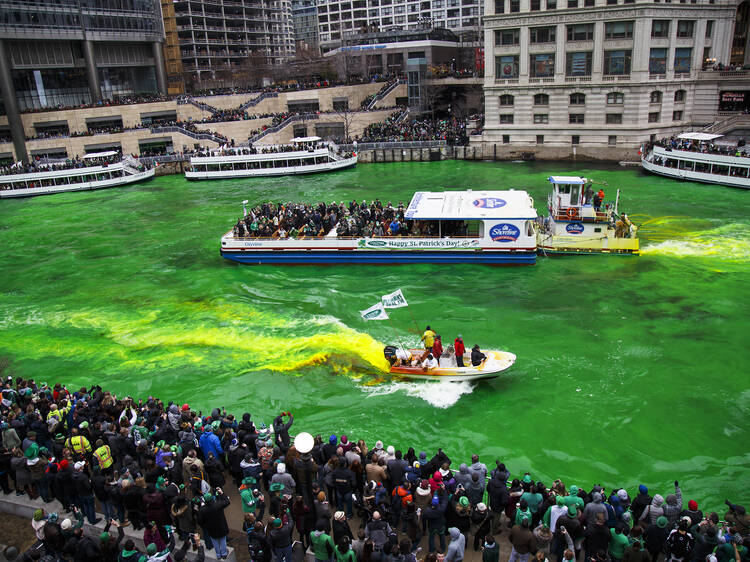
The dyeing of the Chicago River is not merely a temporary alteration of a waterway; it is a profound expression of Chicago’s deep-rooted Irish-American heritage and a highlight of the global St. Patrick’s Day celebrations. Each year, for a few precious hours, the typically murky waters of the Chicago River are transformed into a vibrant, almost surreal, shade of green, marking the commencement of a city-wide festive atmosphere. This tradition, steeped in history and executed with precision, creates an unparalleled visual spectacle that draws hundreds of thousands to the city center.
The Origins of a Green River
The tradition of dyeing the Chicago River green began somewhat by accident in 1962, though its roots can be traced back even further. For years, the city of Chicago had been trying to identify and stop illegal discharge into the river. Stephen Bailey, business manager of the Chicago Journeymen Plumbers Local 130 (now Plumbers Local 130), noticed that a dye used to detect leaks in plumbing systems turned the river a vivid green. This dye, originally orange, would turn bright green upon contact with water, making it perfect for tracing pollution.
Inspired by this observation, Bailey, along with his friend and fellow plumber, Thomas King, had a stroke of genius. Why not use this environmentally safe dye to celebrate St. Patrick’s Day by turning the river green? The idea was initially met with skepticism but quickly gained traction. The first year, they used enough dye to keep the river green for a full week. Over time, and with environmental considerations becoming paramount, the amount of dye used was reduced, and the formula refined to ensure it was completely harmless to the river’s ecosystem. Today, the Plumbers Local 130 still plays a pivotal role in this annual tradition, carefully executing the dyeing process from specially equipped boats. This unique origin story underscores not just a playful celebration but also a deep connection to civic responsibility and ingenuity.
The Science Behind the Green
The dye used to transform the Chicago River is a closely guarded secret, known only to a select few within the Plumbers Local 130. However, it is publicly known to be an eco-friendly, vegetable-based dye. Its primary component is believed to be fluorescein, a non-toxic, biodegradable green powder. When this orange-colored powder is dispersed into the water, a chemical reaction occurs, turning the river an astonishing emerald green.
The process itself is quite a spectacle. Teams aboard several boats, often including members of the Plumbers Local 130, navigate the river. One boat carries the dye, which is sieved into the water. Another boat, with a propeller that churns the water, follows behind, helping to mix and spread the dye evenly. This careful coordination ensures a consistent and vibrant green hue along a specific stretch of the river, typically between Columbus Drive and Lake Shore Drive, passing under the iconic DuSable Bridge (formerly the Michigan Avenue Bridge). The green color usually lasts for several hours, gradually fading over the course of the day, depending on weather conditions and river currents. The commitment to using an environmentally safe dye ensures that this grand celebration does not compromise the health of the urban ecosystem, making it a sustainable and beloved tradition.
Experiencing the Dyeing: Key Details for Tourists
For those traveling to Chicago specifically to witness the river dyeing, timing and location are everything. The event is a quintessential Chicago experience, but it requires some planning to truly enjoy the spectacle amidst the massive crowds.
The Date and Time You Need to Know
The Chicago River is dyed green on the Saturday before St. Patrick’s Day. If St. Patrick’s Day (March 17th) falls on a Saturday, then the river is dyed on that very day. This distinction is crucial for tourists planning their trip. The dyeing typically begins around 9:00 AM Central Time. The actual dyeing process itself is relatively quick, usually taking about 45 minutes to an hour for the boats to complete their sweep and for the color to fully take hold.
However, the crowds begin to gather much earlier, often by 7:00 AM or even before, especially at prime viewing spots. Arriving early is non-negotiable for securing a good vantage point. The river stays visibly green for several hours, often until late afternoon, providing ample opportunity for photographs and appreciation, even if you miss the initial dyeing moment. After the river dyeing, the St. Patrick’s Day Parade, an equally grand affair, kicks off, typically starting at 12:15 PM from Balbo Drive and proceeding north on Columbus Drive to Monroe Street.
Prime Viewing Locations Along the Chicago Riverwalk
Choosing the right spot to witness the river dyeing can significantly enhance your experience. The best views are undoubtedly along the Chicago Riverwalk and from the numerous bridges that span the river in Downtown Chicago.
- Chicago Riverwalk: This pedestrian walkway along the south bank of the river, particularly between State Street and Columbus Drive, offers some of the most intimate and iconic views. Be prepared for dense crowds, and arrive exceptionally early to secure a spot along the railings.
- Bridges: The bridges crossing the Chicago River offer elevated perspectives. The DuSable Bridge (Michigan Avenue Bridge) is arguably the most popular and provides panoramic views of the green river against the backdrop of Chicago’s stunning architecture. Other bridges like Wabash Avenue Bridge, State Street Bridge, and Dearborn Street Bridge also offer excellent viewpoints, often with slightly less intense crowds than Michigan Avenue.
- Upper Wacker Drive: For a less crowded but still impressive view, the upper levels of Wacker Drive offer a good perspective, especially for those who prefer to keep some distance from the bustling riverwalk.
- Restaurants and Bars with River Views: Many establishments along the Chicago Riverwalk offer special St. Patrick’s Day events and viewing parties. While often requiring reservations and a higher price point, they offer a comfortable and often warmer viewing experience with amenities.

Remember that public access to certain areas might be restricted or altered due to crowd control and safety measures, so always heed local signage and police instructions.
Beyond the River: St. Patrick’s Day Festivities in Chicago
The green river is just one part of Chicago’s expansive St. Patrick’s Day celebration. Immediately following the river dyeing, the city hosts its grand St. Patrick’s Day Parade. This vibrant procession features elaborate floats, bagpipers, traditional Irish dancers, and community groups, all adorned in green. The parade route typically runs down Columbus Drive, ending near Grant Park and Buckingham Fountain.
Beyond these two major events, Chicago buzzes with St. Patrick’s Day spirit throughout the weekend. Pubs and restaurants across the city, particularly in neighborhoods with strong Irish-American roots like Beverly and the Near North Side, host special menus, live Irish music, and festive parties. Look for traditional Irish breakfasts, corned beef and cabbage specials, and plenty of Guinness. Family-friendly events, cultural performances, and smaller neighborhood parades also take place, offering a variety of ways to engage with the festive atmosphere.
Planning Your St. Patrick’s Day Visit to Chicago
A successful St. Patrick’s Day experience in Chicago requires foresight, especially when it comes to logistics and personal comfort.
Accommodation and Transportation Tips
Accommodation: Hotels in Downtown Chicago and the surrounding areas book up quickly and significantly increase their rates for St. Patrick’s Day weekend. It is highly advisable to book your accommodation several months in advance to secure better prices and availability. Consider hotels along the Magnificent Mile, in the Loop, or River North for proximity to the river dyeing and parade route.
Transportation: Public transportation is your best friend on St. Patrick’s Day in Chicago. Driving and parking in the city center will be exceptionally challenging, with many streets closed for the parade and crowds. The Chicago Transit Authority (CTA) ‘L’ train and bus system are efficient ways to navigate. Plan your route in advance, as some stations and bus stops might be temporarily re-routed or closed due to the events. Purchase a Ventra Card or use a contactless payment method for easy access to the CTA. Walking is also an excellent option once you’re in the Downtown Chicago area, allowing you to soak in the festive ambiance.
What to Wear and What to Bring
Dress in Layers: March weather in Chicago is notoriously unpredictable. It can range from chilly and windy to surprisingly mild. Dressing in layers is crucial to adapt to changing temperatures throughout the day. A warm coat, hat, gloves, and a scarf are often necessary, especially if you’re arriving early and standing for extended periods.
Embrace the Green: Don’t forget to wear green! From elaborate costumes to simple green accessories, joining in the festive attire is part of the fun. You’ll find vendors selling St. Patrick’s Day merchandise throughout the city.
Comfortable Shoes: You’ll likely be doing a lot of walking and standing. Comfortable, waterproof shoes are a must.
Essentials: Bring a small backpack with water bottles, snacks, hand sanitizer, and a portable phone charger. If it looks like rain or snow, a compact umbrella or raincoat will be invaluable.
Capturing the Moment: Photography Tips
The green river provides incredible photo opportunities. To capture the best shots:
- Arrive Early: This cannot be stressed enough. Early arrival not only secures a good spot but also allows you to set up your equipment without feeling rushed.
- Use a Wide-Angle Lens: This will help capture the vastness of the river and the surrounding city skyline.
- Look for Reflections: The green water often reflects the city’s architectural marvels, creating stunning mirror-like images.
- Incorporate the Crowds (or avoid them): Depending on your photographic style, you might want to capture the energy of the crowds or aim for shots that minimize them by focusing on the river and buildings. Higher vantage points from bridges or upper Wacker Drive can help.
- Patience is Key: The best light and moments often require waiting. Be patient, and don’t be afraid to experiment with different angles and compositions.
The Broader Cultural Impact and Sustainability
The dyeing of the Chicago River transcends a simple holiday celebration; it has become a powerful symbol of Chicago’s community spirit, its vibrant cultural mosaic, and its commitment to sustainable urban practices.
Embracing the Spirit of St. Patrick’s Day in the Windy City
Chicago’s St. Patrick’s Day celebrations are a testament to the city’s ability to embrace and amplify cultural traditions. The green river and the subsequent parade are not just for those of Irish descent; they are for everyone. The event fosters a sense of unity and shared joy, drawing people from all backgrounds to celebrate together. It showcases Chicago’s unique character – a blend of historical pride, architectural grandeur, and a lively, welcoming atmosphere. Tourists get a firsthand look at how a major metropolitan city can transform into a colossal festival, offering a unique glimpse into local culture and community engagement.
The Eco-Conscious Green: Is It Safe?
A common question, especially from environmentally aware travelers, concerns the safety of the dye used in the Chicago River. Thankfully, the city and the Plumbers Local 130 are meticulous about ensuring the process is eco-friendly. The dye used is a vegetable-based, biodegradable compound, primarily fluorescein, which is non-toxic and harmless to the river’s fish, plants, and other wildlife. Environmental protection agencies have continuously monitored the river before and after the dyeing, confirming its safety. This commitment to environmental responsibility allows Chicago to maintain its cherished tradition without compromising the ecological health of its iconic waterway, making the emerald transformation not just beautiful but also conscientiously green.
In conclusion, witnessing the dyeing of the Chicago River is more than just a fleeting moment; it’s an immersive cultural experience that embodies the spirit of St. Patrick’s Day and the vibrant heart of Chicago. By understanding the “when” and “how,” and by following these practical tips, tourists can ensure their visit to the Windy City for this legendary event is truly unforgettable.
LifeOutOfTheBox is a participant in the Amazon Services LLC Associates Program, an affiliate advertising program designed to provide a means for sites to earn advertising fees by advertising and linking to Amazon.com. Amazon, the Amazon logo, AmazonSupply, and the AmazonSupply logo are trademarks of Amazon.com, Inc. or its affiliates. As an Amazon Associate we earn affiliate commissions from qualifying purchases.