
The golden state of California, a beacon for travelers seeking sun-drenched beaches, majestic mountains, vibrant cities, and serene wine country, has long grappled with an increasing frequency and intensity of wildfires. These devastating blazes, far from being isolated incidents, are a complex tapestry woven from environmental factors, human activities, and the undeniable influence of a changing global climate. For those who cherish travel, explore new destinations, seek unique accommodations, or simply revel in the diverse lifestyle offerings of this United States gem, understanding the causes of California fires is not merely an academic exercise; it’s crucial for responsible tourism, informed planning, and appreciating the resilience of a state that continues to rebuild and welcome visitors. This article delves into the multi-faceted origins of these infernos, exploring their profound impact on California’s tourism and lifestyle sectors, and offering insights for navigating travel in a fire-prone landscape.
The Complex Web of Causes: Why California Burns
The narrative of California’s wildfires is rarely simple, involving a confluence of natural conditions that predispose the landscape to burn, and human actions that often act as the spark or exacerbate the spread. It’s a delicate balance of ecology and human development, pushed to its breaking point by broader environmental shifts.
Climate Change: Fueling the Inferno
Perhaps the most overarching and insidious cause of the escalating wildfire crisis in California is global climate change. Rising global temperatures contribute directly to conditions ripe for large, destructive fires. Extended periods of drought are becoming the new normal across much of the state, particularly in Southern California and the Central Valley. These droughts dry out vegetation, turning forests, chaparral, and grasslands into vast stores of highly combustible fuel. When winter precipitation, primarily snowpack in the Sierra Nevada mountains, is meager, the landscape enters the warmer months already parched.
Compounding this is the increase in average temperatures, leading to longer, hotter summers and an extended fire season. This means more days with critically low humidity and higher temperatures, further desiccating plant life. The “vapor pressure deficit,” a measure of how much moisture the atmosphere can draw from plants and soil, has also been on the rise. This effectively sucks the water out of the landscape, turning lush greenery into kindling. The changing climate also contributes to more extreme weather events, including intense heatwaves that can quickly escalate fire risk and powerful, dry wind events, such as the Santa Ana winds in the south and Diablo winds in Northern California. These winds act like bellows, fanning flames and carrying embers miles ahead of the main fire front, making containment incredibly challenging and unpredictable. The resulting mega-fires, such as the Camp Fire that devastated the town of Paradise, demonstrate the catastrophic potential when these climate-driven factors align.
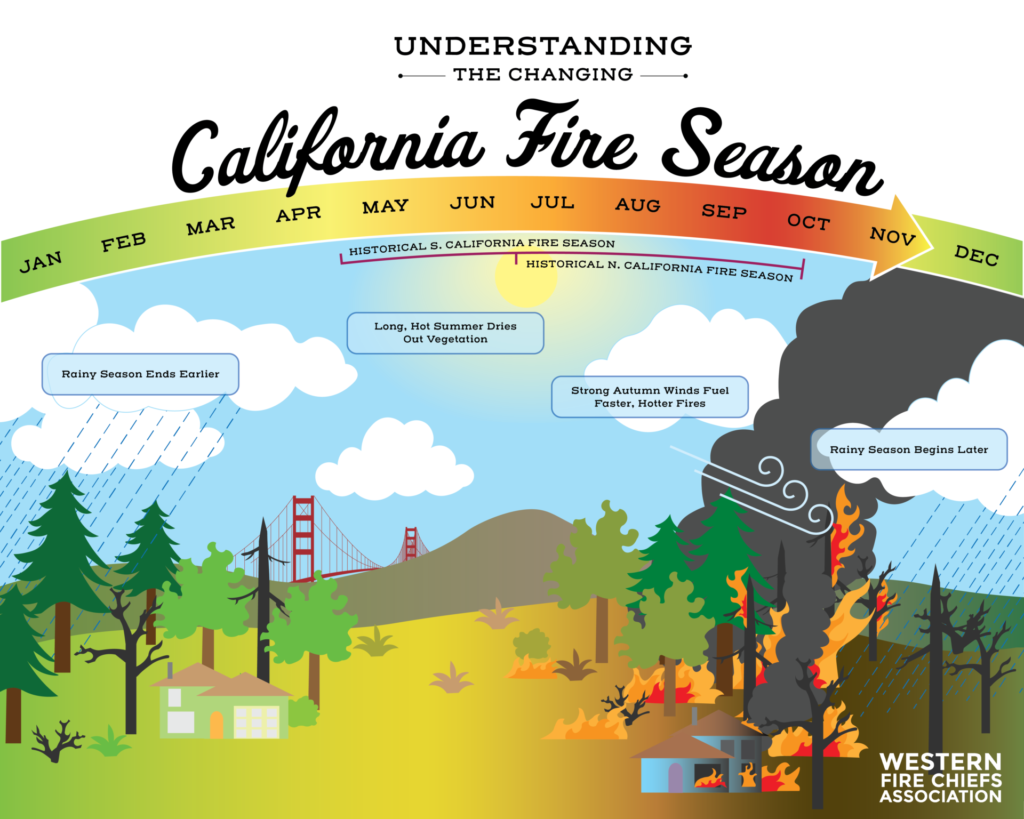
Topography and Vegetation: A Natural Tinderbox
Beyond climate, the very geography and biodiversity of California inherently make it prone to wildfires. The state’s rugged mountainous terrain, particularly the Sierra Nevada, Klamath Mountains, San Gabriel Mountains, San Bernardino Mountains, and Santa Monica Mountains, creates natural chimneys and canyons that funnel winds, accelerating fire spread uphill at alarming rates. The diverse ecosystems, while beautiful and a draw for nature-based tourism, are also key contributors to fire risk.
Chaparral, dense shrubland found throughout much of Southern California, is highly flammable, evolving to burn periodically. Its oils make it ignite easily and burn intensely. Coniferous forests in the Sierra Nevada and other mountain ranges, including iconic trees in Yosemite National Park, Sequoia National Park, and Kings Canyon National Park, have seen a massive buildup of undergrowth and dead trees due to historical fire suppression policies. For decades, the philosophy was to extinguish all fires quickly, regardless of their natural role in the ecosystem. This interrupted the natural cycle of low-intensity fires that would clear out smaller fuels, leaving behind overgrown, fuel-dense forests ready for catastrophic blazes. Bark beetle infestations, exacerbated by drought and warmer temperatures, have killed millions of trees, adding further dead fuel to an already overburdened landscape.
Human Activity: Unintended Consequences
While natural and climatic factors set the stage, human activity is overwhelmingly the initial spark for most California wildfires. Research consistently shows that a vast majority of fires are ignited by people.
- Faulty Infrastructure: Aging electrical transmission lines and equipment are a significant and often devastating cause. Utility companies, most notably Pacific Gas and Electric Company (PG&E) in Northern California, have been held responsible for numerous catastrophic fires, including the 2018 Camp Fire and others in Sonoma County and Napa Valley. Strong winds can cause lines to spark or fall, igniting dry vegetation below.
- Arson and Accidental Ignitions: Deliberate acts of arson contribute to a percentage of fires, but accidental ignitions are far more common. These include sparks from vehicle exhaust systems, discarded cigarettes, unattended campfires, fireworks, welding sparks, target shooting, and even debris burns that get out of control. With millions of residents and tourists enjoying California’s wildlands, the potential for such accidental starts is immense.
- Urban Sprawl and Wildland-Urban Interface (WUI): As cities like Los Angeles, San Diego, Santa Barbara, and those in Orange County and Monterey County expand into historically wild areas, more homes and communities are built in the wildland-urban interface (WUI). This places human settlements directly in the path of natural fire cycles, increasing both the risk of ignition and the potential for property damage and loss of life. Development in these zones often means that homes are surrounded by flammable landscaping and construction materials, effectively creating more fuel for fires to consume and spread.
The Devastating Impact on California’s Travel and Tourism Landscape
The relentless cycle of wildfires in California casts a long shadow over its vibrant travel and tourism industry. From pristine natural landmarks to world-renowned hospitality establishments, the consequences are far-reaching, affecting everything from destination appeal to visitor safety and the long-term sustainability of local economies.
Altered Destinations and Experiences
The allure of California often lies in its breathtaking natural beauty, with iconic destinations that draw millions annually. Wildfires directly impact these experiences:
- National Parks and Forests: Treasured national parks such as Yosemite National Park, Sequoia National Park, Kings Canyon National Park, Joshua Tree National Park, and Lassen Volcanic National Park are frequently threatened or directly impacted by fires. Park closures, even temporary ones, can derail carefully planned trips and cause significant financial losses for surrounding communities that rely on park visitors. Hikers’ favorite trails may be closed for years, scenic overlooks altered, and entire sections of forests, including ancient giant sequoia groves, tragically lost or scarred. For instance, the fires in the Sierra Nevada have repeatedly impacted access to areas around Lake Tahoe and Mammoth Lakes, affecting skiing in winter and hiking in summer.
- Wine Regions: Napa Valley and Sonoma County, celebrated globally for their exquisite wines, gourmet cuisine, and charming boutique hotels, have faced repeated devastation. Fires can destroy vineyards, wineries, and luxurious resorts, causing immense economic damage. Even when physical structures are spared, the lingering smoke taint can compromise entire vintages, affecting a region’s most famous product. Furthermore, the perception of danger or compromised air quality can deter tourists, leading to booking cancellations and a significant drop in visitor numbers for years following a major blaze. Quaint towns like Calistoga and St. Helena have learned to adapt to this new reality.
- Coastal Havens and Mountain Retreats: Picturesque coastal communities like Malibu and portions of Big Sur, known for their scenic drives and exclusive resorts, have seen homes and hotels consumed by flames, as was the case with the Woolsey Fire. Mountain towns such as Lake Arrowhead and Big Bear Lake, popular for family trips and weekend getaways, also find themselves directly in harm’s way. The physical destruction leaves lasting scars, but the psychological impact on residents and the perception of these destinations as safe havens for relaxation can be even harder to rebuild.
Challenges for Hotels and Accommodation Providers
The hospitality sector bears a direct and often immediate brunt of wildfires:
- Evacuations and Closures: When fires erupt, hotels, resorts, and vacation rentals in affected zones are often subject to mandatory evacuations, leading to abrupt closures. This means immediate loss