
Navigating a bustling metropolis like Chicago requires a keen understanding of its rhythm, and perhaps no aspect dictates this rhythm more profoundly than rush hour. For travelers, knowing when the city grinds to a halt—and when it flows freely—is not just about avoiding frustration; it’s about optimizing precious vacation time, making timely appointments, and ensuring a smoother, more enjoyable experience in the Windy City. Whether you’re planning to visit iconic landmarks, attend a business meeting, or simply explore Chicago’s vibrant neighborhoods, being aware of its peak traffic times is an indispensable travel strategy. This guide will decode Chicago’s rush hour patterns, offer practical strategies for maneuvering through them, and highlight how special events and seasonal changes can further impact your journey.
Decoding Chicago’s Commute Patterns
Understanding the typical ebb and flow of Chicago’s daily commute is the first step toward conquering its rush hour challenges. The city’s extensive workforce relies heavily on its vast network of expressways and public transit, creating predictable surges in activity during specific times.
The Morning Rush: Kicking Off the Workday
The morning rush is a daily ritual that sees hundreds of thousands of commuters making their way into the central business district and surrounding employment hubs.
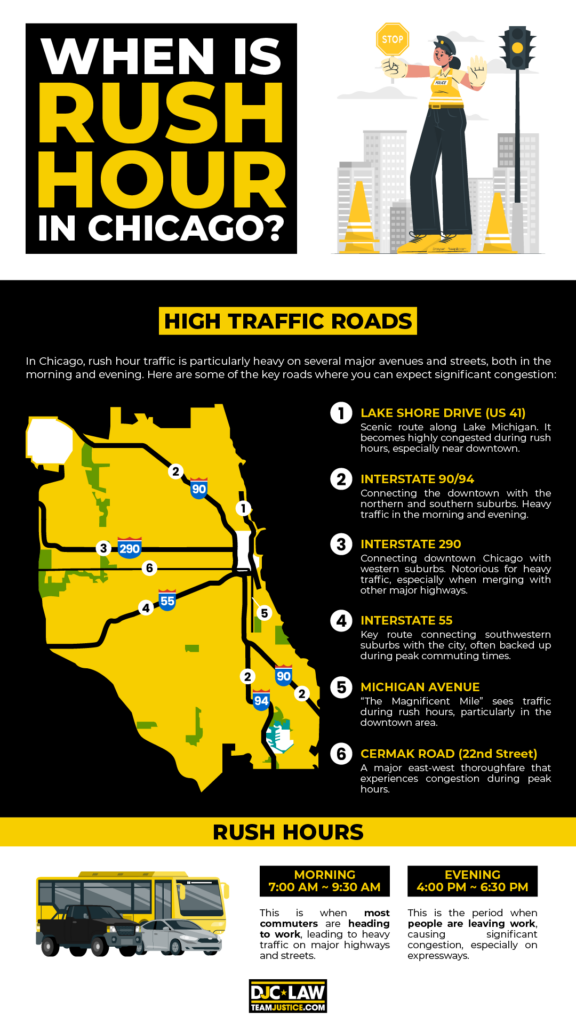
- Typical Hours: Generally, the morning rush hour in Chicago begins to build around 6:00 AM and gradually subsides by 9:00 AM. The absolute peak congestion typically occurs between 7:30 AM and 8:30 AM.
- Key Affected Areas: During these hours, major expressways become parking lots. Expect significant delays on the Dan Ryan Expressway, Kennedy Expressway (especially inbound towards downtown), and the Eisenhower Expressway. Within the city, the Loop and adjacent areas like River North and the West Loop experience dense surface street traffic. Public transportation, particularly the CTA L Train and key bus routes, will also be at maximum capacity, with crowded cars and potentially slower service.
- Impact on Travel: For travelers, this means longer travel times to attractions, crowded public transport making it difficult to find seats, and a higher demand (and thus higher prices) for taxis and rideshares. If your itinerary involves an early morning flight out of O’Hare International Airport or Midway International Airport, factor in at least an additional 30-60 minutes of travel time, even on public transport.
The Evening Gauntlet: The End of the Day
As the workday winds down, Chicago experiences an equally intense, if not more prolonged, evening rush.
- Typical Hours: The evening rush hour typically starts around 3:30 PM and can stretch well into 6:30 PM, with the heaviest congestion usually observed between 4:30 PM and 5:30 PM. This period can sometimes extend longer due to evening events, sports games, or concerts.
- Key Affected Areas: The same major expressways and downtown areas that were congested in the morning will be problematic again, but this time with a stronger emphasis on outbound traffic. Surface streets in the Loop, Streeterville, and areas surrounding office buildings become gridlocked. Public transit also sees another surge of commuters heading home, making it standing-room-only on many lines and buses.
- Impact on Travel: Planning dinner reservations or theater showtimes during this window requires careful calculation of travel time. Attempting to drive through the Loop or along Michigan Avenue can lead to significant delays. Attractions that close around 5 PM might see a double whammy of outgoing tourists and incoming commuters.
Midday Lull and Weekend Variations
Between the two main rush hour periods, the city experiences a relative calm, though “calm” in Chicago is always a subjective term.
- Midday Lull (9:30 AM – 3:00 PM): This period generally offers the lightest traffic and least crowded public transport. While expressways can still experience slowdowns due to accidents or construction, widespread gridlock is less common. This is often the best time for travelers to move between distant neighborhoods, visit attractions further afield, or tackle popular shopping districts like the Magnificent Mile.
- Weekend Variations: Weekends have their own distinct traffic patterns, which are less about commuting and more about leisure and events. There isn’t a defined “rush hour,” but specific areas can experience significant congestion. For instance, areas around popular attractions like Navy Pier, Museum Campus, Lincoln Park Zoo, or shopping districts can become very busy, especially on pleasant weather days. Major festivals or sports events can also create localized traffic surges throughout the weekend.
Navigating Chicago During Peak Hours: Strategies for Travelers
Confronting Chicago’s rush hour doesn’t have to derail your plans. With a bit of foresight and strategic planning, you can navigate the city like a seasoned local.
Public Transportation: Your Best Bet (with Caveats)
The CTA ( Chicago Transit Authority) offers an extensive network of trains and buses, making it the most efficient way to get around during rush hour.
- Pros: The L Train system, being elevated or underground for much of its route, largely bypasses street-level traffic congestion. Buses also have dedicated lanes in some areas. The network connects major attractions, business districts, and neighborhoods seamlessly.
- Cons: Trains and buses will be extremely crowded, especially on popular lines like the Blue, Red, and Brown Lines. Personal space will be minimal, and delays can still occur due to operational issues or passenger volume.
- Tips: If possible, try to travel slightly before the peak (e.g., depart by 7:00 AM or 3:00 PM) or after (e.g., after 9:00 AM or 6:30 PM). Utilize CTA’s tracker apps for real-time train and bus arrival information. Consider walking a few extra blocks to a less-crowded stop or switching to an express line if available.
Driving and Parking: A Challenging Proposition
While tempting for flexibility, driving during Chicago rush hour is generally not recommended for tourists, especially those unfamiliar with the city.
- Expressways: As mentioned, they are often at a standstill. Getting on and off can be a nightmare.
- Surface Streets: Downtown streets are often one-way, making navigation tricky, and they become choked with cars, buses, and delivery vehicles.
- Parking: Parking is notoriously expensive and scarce in the Loop and other popular areas. During rush hour, finding an available spot, even in a garage, can be a time-consuming ordeal.
- Tips: If you must drive, consider parking outside the immediate downtown core (e.g., in a neighborhood adjacent to an L Train station) and taking public transit for the final leg of your journey. Always pre-book parking if possible through apps like SpotHero or ParkWhiz to save time and money.
Rideshares and Taxis: Convenience at a Premium
Uber, Lyft, and traditional taxis offer door-to-door convenience but come with significant drawbacks during rush hour.
- Surge Pricing: Expect surge pricing on rideshare apps during peak commute times, significantly increasing the cost of your ride.
- Road Congestion: While convenient, these services are still subject to the same road congestion as personal vehicles, meaning your ride might take much longer than anticipated.
- Tips: Use them for shorter distances where walking isn’t feasible, or if you’re not time-sensitive and value comfort over cost and speed during peak hours. Otherwise, public transport is usually faster.
Walking and Biking: Embrace the City’s Core
For those staying within or near the central areas, walking and biking offer excellent alternatives.
- Walking: Chicago is a remarkably walkable city, especially its downtown core. Many attractions are within comfortable walking distance of each other. Walking allows you to appreciate the city’s stunning architecture and vibrant street life without traffic worries.
- Biking: The Divvy bike-share program has numerous stations throughout the city. Chicago has invested in bike lanes, making cycling a viable option, particularly during the midday lull or on weekends. Just be aware of urban traffic dynamics and pedestrians.
The Impact of Special Events and Seasonal Fluctuations
Chicago’s event calendar is packed year-round, and these events can significantly alter traffic patterns, even outside of typical rush hour times.
Major Conventions and Sports Events
- Conventions: McCormick Place, one of the largest convention centers in the world, regularly hosts massive events. When a major convention is in town, traffic around the convention center, on the Dan Ryan Expressway, and downtown hotels can be unusually heavy throughout the day.
- Sports: Chicago is a passionate sports city. Games at Wrigley Field (Cubs), Guaranteed Rate Field (White Sox), and the United Center (Bulls and Blackhawks) create significant traffic surges before and after games in their respective neighborhoods (Wrigleyville, Bridgeport, and the Near West Side). Plan travel to these venues well in advance, especially if attending a weeknight game during the evening rush.
Festivals and Concerts
- Outdoor Festivals: Chicago is famous for its summer festivals. Events like Lollapalooza in Grant Park, the Taste of Chicago, and numerous street festivals can lead to road closures and massive localized congestion, often lasting for several days. Even walking paths can become crowded.
- Concerts: Major concerts at venues like Soldier Field or the United Center can cause traffic jams hours before and after the event.
Holiday Travel and Seasonal Effects
- Holiday Periods: Thanksgiving, Christmas, and New Year’s see increased traffic on expressways and at both O’Hare International Airport and Midway International Airport. Travel during these times requires extra padding.
- Summer vs. Winter: Summer generally brings heavier tourist traffic, more outdoor events, and better weather for walking and biking. Winter, while perhaps seeing fewer leisure travelers, can experience weather-related delays (snow, ice) that exacerbate regular commute times.
Planning Your Chicago Itinerary Around Traffic
Incorporating traffic awareness into your itinerary planning can make a significant difference in your Chicago experience.
Early Bird or Night Owl: Adjusting Your Schedule
- Morning Attractions: Aim to visit popular attractions like the Art Institute of Chicago, Shedd Aquarium, or Field Museum right at opening, or later in the afternoon/evening when commuter traffic has subsided.
- Strategic Grouping: Group your activities by geographical area. For example, dedicate a morning to Museum Campus ( Shedd Aquarium, Field Museum, Adler Planetarium), then take public transit to the Loop for lunch, and explore its architecture on foot in the afternoon.
Strategic Location Choices: Where to Stay
- Public Transit Access: When booking accommodation, prioritize hotels or rentals that are within easy walking distance of an L Train station. This provides flexibility regardless of road traffic.
- Neighborhoods: Areas like the Loop, River North, Streeterville, and the Magnificent Mile are centrally located, making it easier to walk to many attractions. The West Loop offers excellent dining and good public transit connections.
Utilizing Technology: Real-time Traffic Updates
- Navigation Apps: Always use real-time navigation apps like Google Maps, Apple Maps, or Waze. They provide up-to-the-minute traffic conditions and can suggest alternative routes or transit options.
- CTA Trackers: Download the official CTA app or a third-party equivalent to track L Train and bus arrivals, helping you minimize wait times at crowded stations.
- Local News: Keep an eye on local Chicago news outlets for reports on major accidents, road closures, or transit disruptions that could impact your plans.
Beyond the Commute: Why Rush Hour Matters for Your Experience
The impact of rush hour extends beyond just physical movement; it can affect your overall travel experience, your budget, and even your perception of the city.
Dining Reservations and Showtimes
Trying to make a 6:00 PM dinner reservation in the West Loop if you’re coming from the Museum Campus at 5:00 PM during the evening rush can be a recipe for stress and tardiness. Factor in ample buffer time for all time-sensitive activities, especially if they involve crossing major arteries or traversing busy neighborhoods.
Enjoying the Vibe vs. Avoiding the Crowds
Some travelers relish the bustling, energetic atmosphere of a city during its peak hours, seeing it as an authentic slice of local life. Others prefer a more tranquil experience. Rush hour in Chicago is undoubtedly intense, showcasing the city’s relentless pace. Decide what kind of experience you prefer and plan accordingly.

Cost Implications
Poor planning around rush hour can hit your wallet. Surge pricing for rideshares, last-minute expensive parking, or even missing a pre-booked event due to delays can add unforeseen costs to your trip.
In conclusion, “When is rush hour in Chicago?” is a question with a nuanced answer, shifting based on time of day, day of the week, and the city’s vibrant event schedule. For travelers, the key is to be informed and flexible. By understanding the city’s commute patterns, leveraging its excellent public transportation, and using real-time information, you can effortlessly navigate Chicago’s busiest times and ensure your visit is as smooth and enjoyable as possible.
LifeOutOfTheBox is a participant in the Amazon Services LLC Associates Program, an affiliate advertising program designed to provide a means for sites to earn advertising fees by advertising and linking to Amazon.com. Amazon, the Amazon logo, AmazonSupply, and the AmazonSupply logo are trademarks of Amazon.com, Inc. or its affiliates. As an Amazon Associate we earn affiliate commissions from qualifying purchases.