
When embarking on a journey, especially one that spans the vast and varied landscapes of the United States, understanding the local time is far more than a mere detail; it’s a foundational element of successful travel planning. For those contemplating a visit to the remarkable state of South Dakota, asking “What time is it in South Dakota?” opens a fascinating gateway into the practicalities of navigating its unique geography, maximizing your experiences, and truly immersing yourself in its diverse offerings. This question isn’t just about synchronizing your watch; it’s about optimizing your travel itinerary, booking accommodations, and ensuring you don’t miss a single moment of adventure in this captivating Midwest gem.
South Dakota is a state of compelling contrasts, boasting both the sweeping Great Plains and the dramatic, pine-covered peaks of the Black Hills. This geographical diversity is mirrored in its time zones, which can be a delightful surprise or a minor logistical challenge for the unprepared traveler. From the moment you begin envisioning your trip – whether it’s a family road trip, a luxury escape, an immersive cultural tour, or an adventurous exploration of natural wonders – understanding the rhythm of time in South Dakota becomes paramount. It influences everything from the timing of your flights and hotel check-ins to the operating hours of world-famous landmarks and the optimal moments for wildlife viewing.
Our comprehensive guide will delve into the nuances of South Dakota’s time zones, offering insights on how to plan your itinerary efficiently, select the perfect accommodation, and embrace the local lifestyle. We aim to equip you with the knowledge to craft an unforgettable journey, where every moment is spent enjoying, rather than fretting over, the clock.
Navigating South Dakota’s Time Zones: A Traveler’s Essential Guide
Understanding the time zones within South Dakota is the first step toward a seamless travel experience. Unlike many states that sit squarely within a single time zone, South Dakota is bisected, creating an important distinction for travelers to consider. This division profoundly impacts logistical planning, particularly for those intending to explore both the eastern and western halves of the state.
The Great Divide: Mountain vs. Central Time
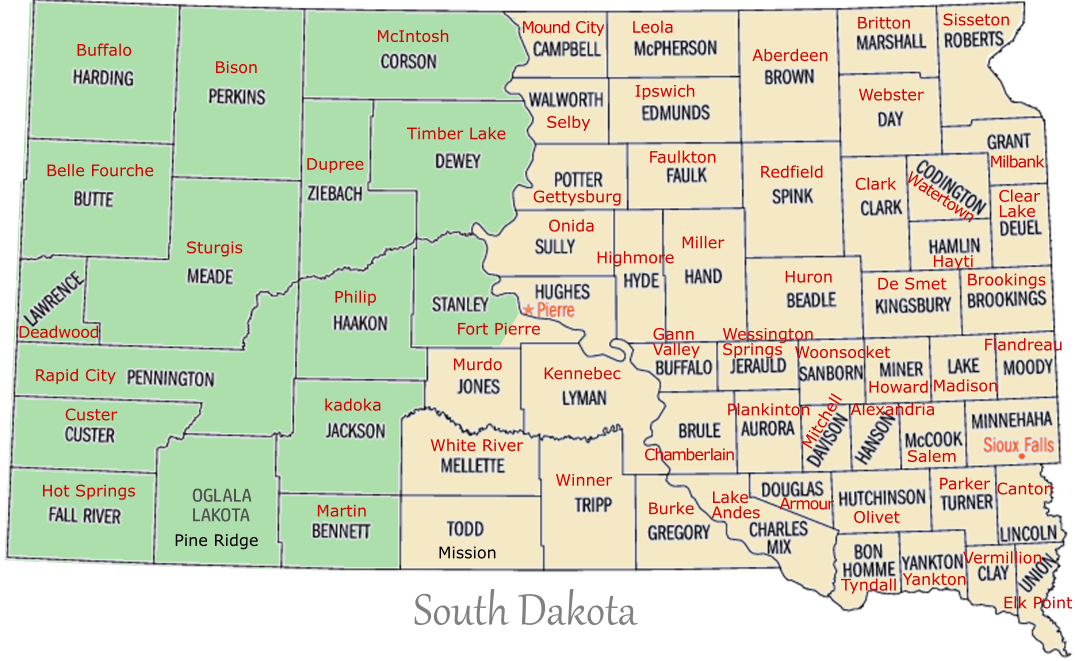
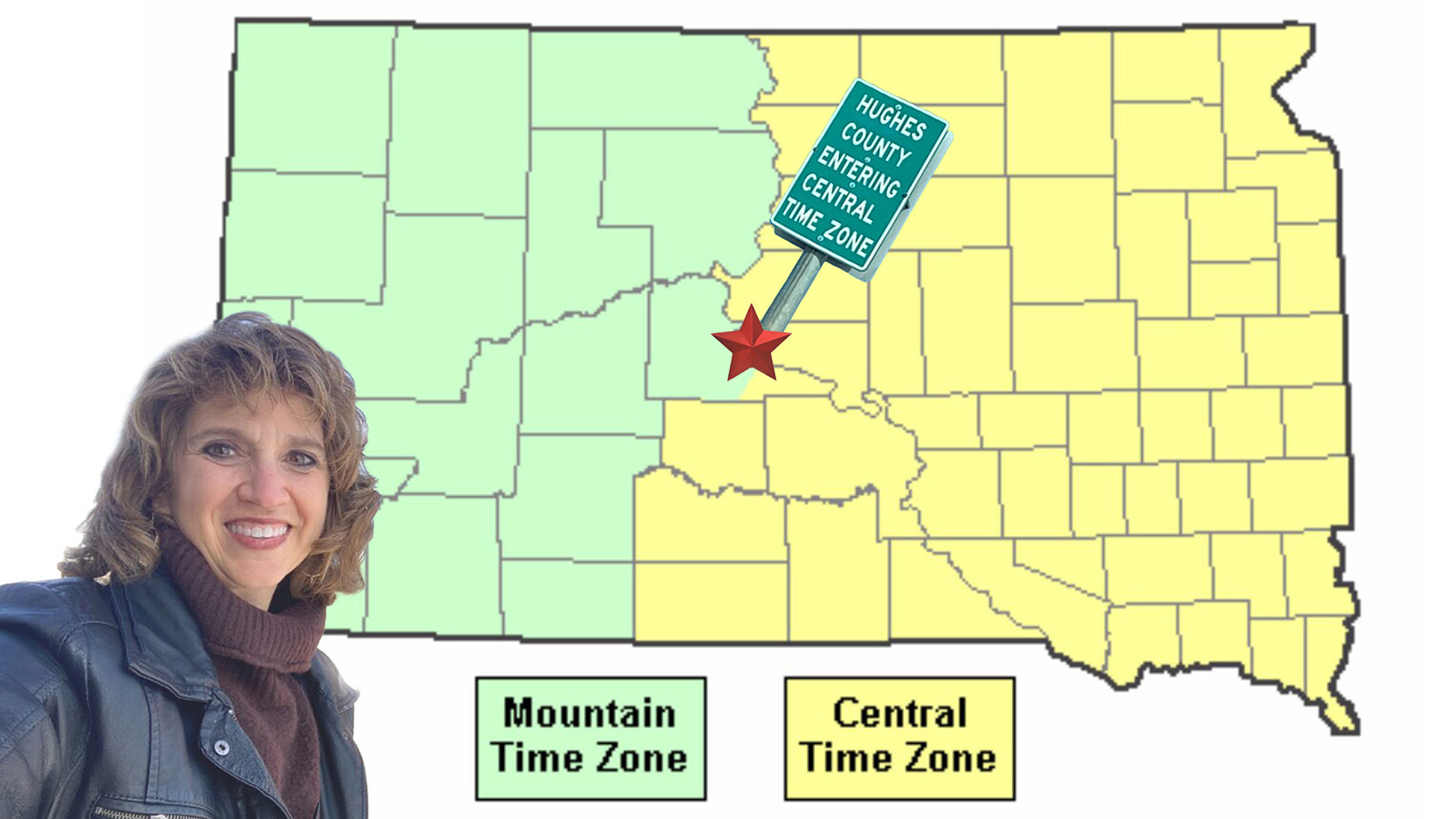
The vast majority of South Dakota observes Central Time (CT), which is UTC-6 during Standard Time and UTC-5 during Daylight Saving Time. This encompasses the state’s most populous city, Sioux Falls, along with the state capital, Pierre, and other significant urban centers like Aberdeen, Brookings, and Watertown. Most of the state’s eastern two-thirds fall under this time zone, reflecting its geographical position closer to the nation’s central meridian.
However, a significant portion of western South Dakota operates on Mountain Time (MT), which is UTC-7 during Standard Time and UTC-6 during Daylight Saving Time. This includes the popular tourist destinations situated within and around the Black Hills region. Key cities in this zone are Rapid City, Deadwood, Custer, and Wall. The dividing line generally follows the Missouri River, though there are some slight variations that travelers should verify with specific locations if unsure. This means that if you’re flying into Rapid City (MT) and planning to drive directly to Pierre (CT), you’ll gain an hour upon arrival, and vice-versa.
For anyone planning an extensive road trip across the state, this time zone change is a critical detail. Imagine driving from the bustling urban landscape of Sioux Falls to the majestic monuments of the Black Hills; you’ll need to adjust your internal clock and itinerary by an hour. This shift, while seemingly minor, can have a domino effect on pre-booked activities, dinner reservations, and even your body’s rhythm, especially if traveling with children or for business.
Practical Implications for Your Itinerary
The time zone split in South Dakota carries several practical implications that smart travelers will anticipate:
- Driving Across Time Zones: When planning your driving routes, be mindful of the transition. A two-hour drive might effectively become a three-hour journey if you’re moving from Mountain Time to Central Time, or a one-hour journey if going the other direction, in terms of local clock time. This can affect daylight hours for scenic drives and your arrival time for accommodations.
- Checking Attraction Opening/Closing Times: South Dakota’s iconic landmarks and attractions, such as Mount Rushmore National Memorial or Badlands National Park, strictly adhere to their local time. Always double-check their operating hours based on the specific time zone they are located in, especially during shoulder seasons when hours might be reduced. A planned morning visit might start an hour later than expected, or an evening event might end earlier.
- Impact on Dining and Local Activities: Local businesses, from restaurants to souvenir shops, operate on their respective local time. If you’ve booked a dinner reservation in Rapid City after a day of exploring Central Time attractions, ensure you account for the hour difference. Similarly, local festivals, concerts, or events will always be listed in their local time, which requires conversion if you’re traveling from the other side of the state.
Ignoring these time zone differences can lead to missed appointments, unnecessary rushing, or even inadvertently being an hour late (or early) for significant engagements. A simple rule of thumb: always know which time zone your current location is in, and which time zone your next destination will be in. Your smartphone or GPS will typically update automatically, but a quick manual check can save you from potential headaches.
Beyond the Clock: Optimizing Your South Dakota Experience
While understanding the exact time on the clock is crucial, “what time is it” in a broader sense also refers to the opportune moments to visit South Dakota – the best seasons, the ideal parts of the day for specific activities, and how to align your visit with the natural rhythms of this incredible state. Optimizing your trip is about more than just avoiding time zone mishaps; it’s about making every second count.
Maximizing Daylight: Best Seasons to Visit
South Dakota’s climate varies dramatically throughout the year, each season offering a distinct personality and unique opportunities for exploration. Your choice of “time” to visit can profoundly shape your experience:
- Summer (June – August): This is peak tourist season, and for good reason. The days are long, warm, and perfect for outdoor adventures. From hiking in the Black Hills to exploring the badlands, swimming, boating on the Missouri River lakes, or attending events like the Sturgis Motorcycle Rally, summer is vibrant. The ample daylight hours mean more time for sightseeing and enjoying outdoor attractions. However, be prepared for crowds, higher accommodation prices, and booking well in advance.
- Spring (April – May): As the snow melts and the prairies burst into life with wildflowers, spring offers mild temperatures and fewer crowds. It’s an excellent time for nature photography, bird watching, and visiting attractions before the summer rush. While some higher elevation roads might still be closed early in the season, the shoulder season generally provides a more tranquil experience with pleasant weather.
- Fall (September – October): Many consider fall the “secret season” in South Dakota. The weather is crisp, the crowds have thinned, and the Black Hills transform into a breathtaking canvas of red, orange, and gold. This is an ideal time for scenic drives, hiking, and enjoying the serene beauty of the parks. Wildlife viewing is also excellent as animals are more active.
- Winter (November – March): For those seeking solitude and a unique perspective, winter in South Dakota is magical. The landscapes are often covered in snow, offering stunning photographic opportunities and winter sports like cross-country skiing or snowshoeing in certain areas. Many attractions operate on reduced hours or close entirely, so meticulous planning is essential. Accommodation prices are typically lower, and you’ll experience a quiet charm unlike any other season.
Each season presents its own ‘time’ for optimal enjoyment, aligning with different travel preferences and lifestyles, whether you’re a budget-conscious traveler, seeking luxury, or planning a family adventure.
Timing Your Visits to Iconic Landmarks
Beyond the season, the specific time of day you choose to visit South Dakota’s famous landmarks can dramatically enhance your experience, affecting everything from crowd levels to photographic opportunities and wildlife sightings.
- Mount Rushmore National Memorial: This iconic monument is best visited early in the morning, shortly after opening, to avoid the largest crowds and enjoy cooler temperatures, especially in summer. The morning light also offers excellent conditions for photography. An evening visit, particularly from May through September, is highly recommended for the dramatic lighting ceremony, which provides a moving tribute to the monument’s history.
- Badlands National Park: To truly appreciate the otherworldly beauty of the Badlands, aim for sunrise or sunset. These times offer unparalleled photographic opportunities as the low sun angles create dramatic shadows and vibrant hues across the sculpted formations. During midday, especially in summer, the heat can be intense, making early morning or late afternoon hikes more comfortable and safer. Wildlife, such as bighorn sheep and prairie dogs, are also more active during these cooler periods.
- Custer State Park & Wildlife Loop Road: The best time for wildlife viewing in Custer State Park is typically early morning or late afternoon/early evening. This is when the famous bison herd, pronghorn, deer, and other animals are most active and likely to be seen near the roads. Midday often sees animals retreating to shadier areas.
- Crazy Horse Memorial: Like Mount Rushmore, visiting Crazy Horse Memorial earlier in the day can help avoid peak crowds. They also offer a captivating “Legends in Light” laser light show on the mountain face during summer evenings, which is a must-see and requires planning for an evening visit.
- Wind Cave National Park and Jewel Cave National Monument: These incredible underground wonders operate on specific tour schedules. It’s highly advisable to check their websites and book your cave tour tickets in advance, especially during busy seasons, as tour times fill up quickly. Arriving well before your scheduled tour time is crucial.
Considering these optimal viewing times will not only enhance your enjoyment of these landmarks but also contribute to a smoother, less crowded experience, allowing you to fully soak in their grandeur and history.
Seamless Stays: Accommodation and Local Rhythms
Beyond the natural and historical marvels, a comfortable and well-planned accommodation experience is central to any successful journey. In South Dakota, the local rhythm, influenced by the state’s time zones and seasonal variations, directly impacts hotel bookings, check-in logistics, and the overall enjoyment of your stay. Whether you’re seeking luxury resorts, budget-friendly motels, or unique vacation rentals, aligning your accommodation plans with the state’s practical “time” considerations is key.
Booking Accommodation Across Time Zones
When planning your hotel or accommodation, remember the time zone split. For instance, if you are flying into Sioux Falls (Central Time) but your ultimate destination is a resort in Custer (Mountain Time), consider the time difference when scheduling your arrival.
- Check-in/Check-out Times: Hotels, resorts, apartments, and villas will always operate on their local time zone. A 3 PM check-in at a Rapid City hotel is 3 PM Mountain Time, which would be 4 PM Central Time for someone arriving from Sioux Falls. This is critical to avoid early arrival fees or late check-out penalties. Always confirm the specific local time for your booking.
- Amenities and Their Availability: If you’re staying at a resort or a hotel offering extensive amenities like spas, pools, or dining options, be aware that their operating hours will also be in local time. If you plan to arrive late after crossing a time zone, verify if the hotel kitchen will still be open for a meal or if the front desk will be staffed for late check-in. Major hotel chains like Hilton, Marriott, or Sheraton often have standardized check-in times, but local interpretations or specific property policies may vary.
- Comparison and Reviews: When comparing accommodation options, particularly for long-term stays or unique experiences like glamping or cabin rentals, ensure the booking details explicitly state the local time zone for all logistical information. Reading reviews can often provide insights into how properties handle guests arriving from different time zones or adjusting to the local pace.
Efficiently managing your accommodation bookings means less stress upon arrival and more time to enjoy the unique amenities and local culture South Dakota has to offer.
Embracing South Dakota’s Lifestyle and Local Culture
Beyond the strictures of the clock, understanding the “time” of South Dakota’s lifestyle and local culture enriches any travel experience. The pace of life can feel different, and immersing yourself in it requires a subtle adjustment to your internal clock.
- Dining Schedules: Especially in smaller towns, dining establishments might have earlier closing times than in major metropolitan areas. Plan your meals accordingly, particularly if you’ve had a long day of sightseeing and are making a time zone transition. Many local eateries offer authentic cultural experiences, from hearty cowboy breakfasts to traditional Midwest comfort food, and catching them during their open hours is part of the charm.
- Festivals and Events: South Dakota hosts numerous local festivals, rodeos, and cultural events throughout the year. Always verify the event schedule against the local time zone. Attending these events provides a wonderful opportunity to connect with the local community and experience the unique heritage of the state.
- Day Trips and Managing Travel Time: Planning day trips requires careful calculation of driving times, especially when crossing time zones. Consider how much daylight you have for exploration, and factor in breaks for meals and rest. A family trip might benefit from shorter travel segments and planned stops to avoid overtiring younger travelers. For business stays, coordinating meetings between clients in different parts of the state means explicitly stating the time zone for each appointment.
- Family Trips and Business Stays: When traveling with family, particularly young children, maintaining a consistent routine can be crucial. Be mindful of how a time zone change might affect sleep schedules and meal times. For business travelers, clarity on meeting times and travel logistics across the state’s time zones is paramount for professional success.
Ultimately, asking “What time is it in South Dakota?” is just the beginning of a thoughtful travel planning process. It’s a question that unravels layers of geographical, logistical, and cultural considerations that, when understood, pave the way for a truly memorable and enriching journey. From the bustling streets of Sioux Falls to the serene majesty of the Black Hills, every moment in South Dakota offers an opportunity for discovery. By respecting its time zones, understanding seasonal rhythms, and embracing the local pace, you are well on your way to experiencing the very best this incredible state has to offer. So, check your watch, plan wisely, and prepare to be captivated by the timeless allure of South Dakota.
LifeOutOfTheBox is a participant in the Amazon Services LLC Associates Program, an affiliate advertising program designed to provide a means for sites to earn advertising fees by advertising and linking to Amazon.com. Amazon, the Amazon logo, AmazonSupply, and the AmazonSupply logo are trademarks of Amazon.com, Inc. or its affiliates. As an Amazon Associate we earn affiliate commissions from qualifying purchases.