
The majestic moose, with its impressive antlers and towering stature, often evokes images of the far northern wilderness of Canada or Alaska. However, for visitors and residents of Colorado, the sight of a moose foraging in a willowy riparian area or ambling through a snow-covered forest is becoming increasingly common. This prevalence naturally leads to a fascinating question: are moose truly native to Colorado, or are they relatively newcomers to the state’s diverse ecosystems? The answer is nuanced, weaving together historical records, dedicated conservation efforts, and the remarkable adaptability of one of North America’s most iconic mammals. Understanding the moose’s journey in Colorado is not just a biological inquiry; it’s a story central to the state’s natural heritage and offers invaluable insights for responsible tourism, wildlife appreciation, and ecological stewardship.

The Historical Presence and Reintroduction of Moose in Colorado
The history of moose in Colorado is not as straightforward as many other native species. While their presence today is robust and celebrated, it wasn’t always this way. Their historical status has been a subject of debate among naturalists and historians for decades, revealing a complex narrative of natural migration, human impact, and successful reintroduction.
Early History: A Sparse Presence
Prior to significant European settlement and the intensive hunting pressures of the 19th and early 20th centuries, evidence suggests that moose were indeed present in Colorado, albeit in very small, localized populations. These were primarily Shiras moose, a subspecies known for inhabiting the Rocky Mountains in the western United States. Historical accounts and archaeological findings point to sporadic appearances, particularly in the northern reaches of the state, bordering Wyoming. It’s believed that these small groups migrated south from more established populations in neighboring states, capitalizing on suitable, albeit limited, habitats like high-elevation willow thickets and riparian zones. However, they were never abundant, unlike elk or deer, and their numbers dwindled to near extinction in the state by the early 1900s, largely due to unregulated hunting, habitat loss, and competition with livestock. By the mid-20th century, moose were considered extirpated from Colorado, meaning they were locally extinct.
The 20th Century Reintroduction Efforts
The turning point for moose in Colorado came in the late 1970s. Recognizing the ecological niche left vacant and the potential for a self-sustaining population, Colorado Parks and Wildlife (CPW), then known as the Colorado Division of Wildlife, embarked on an ambitious reintroduction program. In 1978 and 1979, 24 Shiras moose—two bulls, 10 cows, and 12 yearlings—were relocated from Utah and Wyoming to North Park, a high-altitude basin in Jackson County known for its extensive willow stands along the Illinois River and its tributaries. This region was carefully chosen for its ideal habitat, minimal human disturbance, and existing protection as State Forest State Park. The initial success of this endeavor laid the groundwork for further introductions.
Successful Resurgence and Population Growth
Following the initial reintroductions, the moose population thrived in North Park. Their numbers grew steadily, and by the 1980s, the population was robust enough to allow for additional translocations within Colorado. In the mid-1980s, moose were moved to the Grand Mesa area in western Colorado, and later to the Gore Range near Kremmling and Steamboat Springs. These strategic efforts ensured genetic diversity and established new strongholds for the species across various suitable habitats. Today, Colorado’s moose population is estimated to be around 3,000 individuals, a remarkable testament to the success of these conservation initiatives. Their undeniable presence now defines parts of the Colorado wilderness, offering unparalleled wildlife viewing opportunities for tourists and a vital component of the local ecosystem. So, while their historical native status was tenuous, the current population is largely established through reintroduction, making them an integral, if relatively recent, part of Colorado’s natural landscape.
Where to Find Moose in Colorado Today
For tourists eager to witness these magnificent creatures, knowing their preferred habitats and prime viewing locations is key. While moose have expanded their range across Colorado, certain areas offer a higher probability of an encounter, provided visitors approach with respect and patience.
Prime Habitats and Regions
Moose in Colorado are primarily found in high-elevation areas that offer a combination of dense willow thickets, riparian zones along rivers and streams, and subalpine forests. These habitats provide their preferred food sources—willows, aspens, and other shrubs—as well as crucial cover from predators and harsh weather. Key regions where moose populations are well-established include:
- North Park (Jackson County): This is the original reintroduction site and remains one of the best places to see moose. The extensive willow bottoms of the Illinois River and its tributaries create an ideal environment.
- Rocky Mountain National Park (Kawuneeche Valley): The western side of the park, particularly the Kawuneeche Valley, with its winding Colorado River and expansive willow groves, is a prime moose habitat.
- Gore Range and Never Summer Mountains (Grand County, Summit County): Areas around Kremmling, Fraser, and Steamboat Springs offer excellent viewing opportunities, especially along waterways and marshy areas.
- Grand Mesa and the Raggeds Wilderness Area: The high country of western Colorado also supports a healthy moose population, though they can be more dispersed here.
Popular Viewing Locations
While moose can be elusive, some specific spots are renowned for increased chances of sightings:
- State Forest State Park (Jackson County): Often dubbed the “moose viewing capital of Colorado,” this park, especially along Highway 14 and Moose Visitor Center trails, offers exceptional opportunities.
- Kawuneeche Valley in Rocky Mountain National Park: Drives along US-34 (Trail Ridge Road, on the western slope) often yield sightings, particularly in the early morning or late afternoon. Look for them in the willow patches along the Colorado River.
- Willow Creek Pass Area: Connecting Grand County and Jackson County, this pass offers beautiful scenery and good chances to spot moose near water sources.
- Along the Fraser River near Winter Park and Fraser: The riparian zones here are increasingly frequented by moose.
Seasonal Considerations for Moose Spotting
The best time to see moose generally aligns with their activity patterns and seasonal movements.
- Summer (Late Spring to Early Fall): Moose are very active during these months, especially at dawn and dusk, when they forage in willow bottoms and along streams. The lush vegetation provides ample food. Early morning and late evening offer the highest chances of sightings.
- Winter: Moose are well-adapted to snow and can be found in high-elevation areas, but they often move to lower, more protected valleys where food is still accessible. Their dark coats against the snow can make them easier to spot, but accessibility for humans might be limited.
- Rutting Season (Late September to October): Bulls are particularly active during the rut, making them more visible as they search for mates. This can also make them more unpredictable and potentially aggressive.
Regardless of the season, patience, a good pair of binoculars, and respectful observation from a distance are crucial for a rewarding and safe moose viewing experience.
Understanding Moose Behavior and Ecology for Responsible Tourism
To truly appreciate Colorado’s moose and engage in responsible tourism, it’s essential to understand their basic biology, behavior, and ecological role. Unlike many other ungulates, moose possess unique characteristics that shape their interactions with their environment and with humans.
Dietary Habits and Habitat Preferences
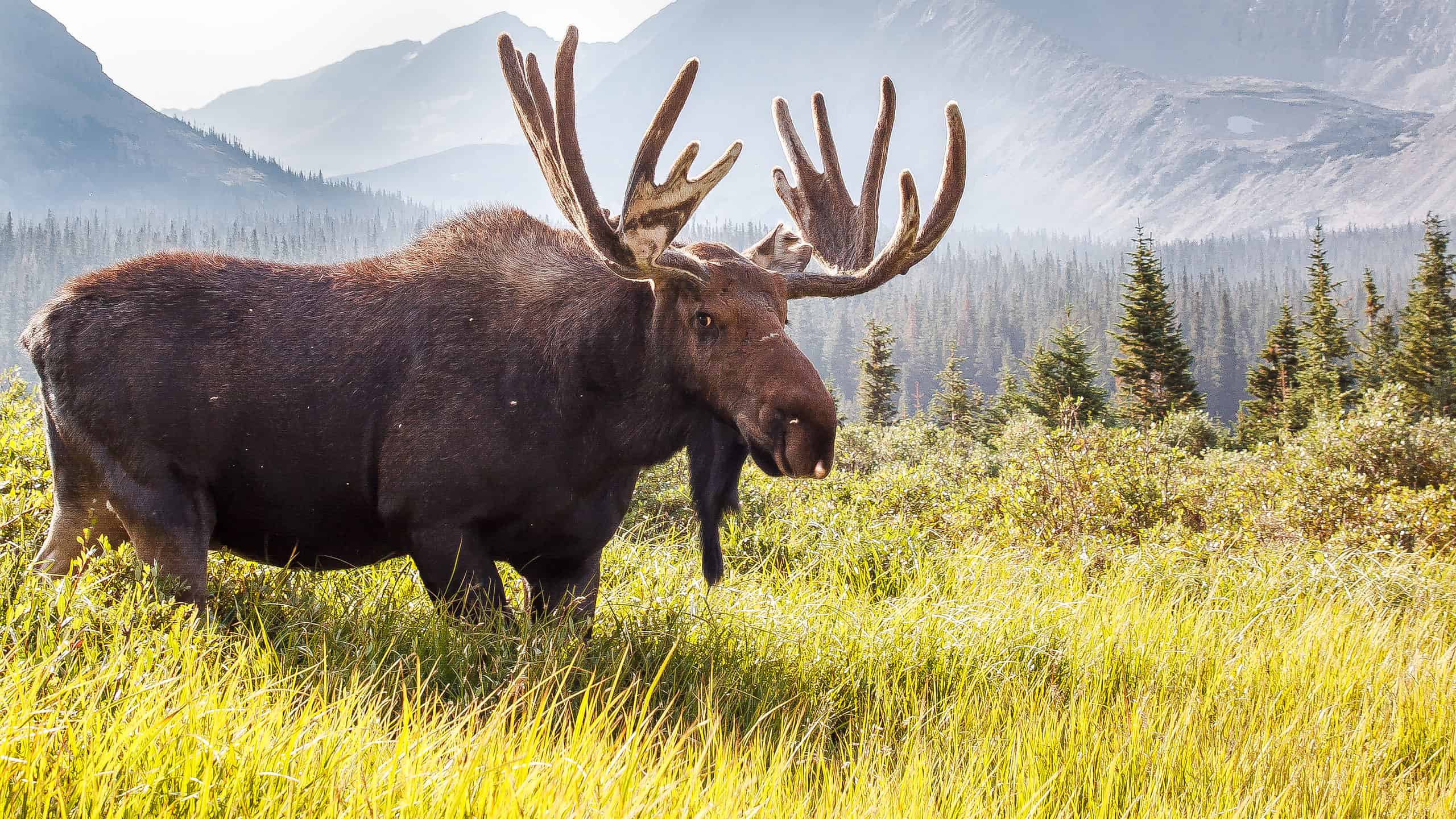
Moose are herbivores with a very specific diet, which directly influences their habitat choices. They are primarily “browsers,” meaning they prefer to eat leaves, twigs, bark, and buds from woody plants rather than grazing on grasses. Willows are their absolute favorite, followed by aspen, serviceberry, and various aquatic plants. This dietary preference explains why they are almost exclusively found in areas with abundant willow thickets, particularly along rivers, streams, and marshy areas at higher elevations. These riparian zones and subalpine forests not only provide ample food but also offer the dense cover necessary for shelter and safety. Their long legs and prehensile lips are perfectly adapted for reaching high branches and stripping leaves, allowing them to thrive in environments where other ungulates might struggle. Understanding this crucial link between their diet and habitat helps tourists predict where they might find moose and appreciate the delicate balance of their ecosystem.
Reproduction and Life Cycle
The life cycle of a moose is equally fascinating. The rut, or mating season, typically occurs in late September and October, during which bull moose, characterized by their impressive antlers, become highly active and vocal. Cows usually give birth to one or two calves in late May or early June. These calves are vulnerable but grow rapidly, staying with their mothers for about a year until the next calving season. A moose’s lifespan can range from 10 to 15 years in the wild, though many factors like predation, disease, and environmental conditions can influence this. A healthy population with successful reproduction is vital for the long-term sustainability of moose in Colorado, especially considering their reintroduction history. Observing moose during calving season requires extreme caution, as mothers are highly protective of their young.
Interactions with Other Wildlife and Ecosystems
As large herbivores, moose play a significant role in shaping the ecosystems they inhabit. Their browsing habits can influence forest composition by pruning certain plant species and promoting the growth of others. This “natural gardening” can create diverse habitats that benefit other wildlife. In Colorado, their primary predators are bears and mountain lions, though healthy adult moose are formidable and generally avoid predation. They share their high-altitude environments with elk, deer, bighorn sheep, and a variety of smaller mammals and birds. While direct competition for food can occur, moose typically occupy slightly different niches and elevations, minimizing conflict. Their presence contributes to the overall biodiversity and health of Colorado’s montane and subalpine ecosystems, serving as an indicator species for the health of riparian areas. For tourists, recognizing these ecological relationships enriches the wildlife viewing experience and reinforces the importance of preserving these intricate natural webs.
Responsible Moose Viewing: Tips for Tourists
Encountering a moose in the wild is an unforgettable experience, but it comes with a responsibility to prioritize safety for both humans and the animals. Moose are wild, powerful, and can be unpredictable, making respectful and informed observation paramount.
Maintaining a Safe Distance
The golden rule for all wildlife viewing, and especially for moose, is to maintain a safe and respectful distance. Unlike deer or elk, moose often don’t perceive humans as predators and may not flee immediately. This can lead people to believe they are docile, but this is a dangerous misconception. Moose, particularly cows with calves or bulls during the rut, can be incredibly aggressive if they feel threatened. Their sheer size and strength—a bull moose can weigh over 1,000 pounds and stand six feet tall at the shoulder—mean they can inflict serious injury. Colorado Parks and Wildlife recommends staying at least 75 feet (25 yards) away from moose. If a moose changes its behavior due to your presence (e.g., stops eating, raises its head, lays back its ears), you are too close and should slowly back away. Never approach a moose for a photo, try to feed it, or attempt to pet it. Use binoculars or a telephoto lens to get a closer look.
Avoiding Disturbance and Protecting Habitat
Responsible tourism extends beyond maintaining distance; it includes minimizing any disturbance to the moose and their habitat.
- Stay on Designated Trails: Wandering off-trail can disturb moose hiding in dense cover, especially in riparian areas, and can also damage sensitive ecosystems.
- Control Pets: Dogs are often perceived as predators by moose, who may react aggressively to protect themselves or their calves. Always keep dogs on a leash and ensure they do not harass wildlife.
- Keep Quiet: Loud noises, sudden movements, or large groups can stress moose and cause them to flee, wasting precious energy.
- Pack It In, Pack It Out: Leave no trace of your visit. Litter can be harmful to wildlife and degrade their habitat.
- Respect Roadside Sightings: If you spot a moose from your vehicle, pull over safely, well off the road, and turn off your engine if staying for a while. Avoid blocking traffic and do not leave your vehicle if the moose is close to the road.
What to Do if You Encounter a Moose
Despite best efforts, unexpected close encounters can happen. Knowing how to react can prevent a dangerous situation.
- Look for Warning Signs: A moose that feels threatened may lay its ears back, raise the hair on its hump, lick its lips, or stomp its feet. If you see these signs, it’s indicating it’s agitated.
- Back Away Slowly: Do not run, as this might trigger a chase response. Back away slowly and speak in a calm, low voice.
- Find Obstacles: If a moose charges, try to get behind a large tree, a vehicle, or any other substantial obstacle that can protect you. Moose are generally more focused on pushing away a threat than actively hunting.
- Curl into a Ball: If knocked down, curl into a ball and protect your head with your arms. Moose typically stop attacking once they perceive the threat is neutralized.
By following these guidelines, tourists can enjoy the awe-inspiring presence of Colorado’s moose while ensuring their safety and contributing to the continued well-being of these magnificent animals in their natural habitat.
The Broader Impact of Moose on Colorado’s Tourism and Ecosystem
The return and flourishing of moose in Colorado have had significant ripple effects, influencing both the state’s tourism landscape and the delicate balance of its high-country ecosystems. Their presence is a testament to successful conservation and a draw for nature enthusiasts worldwide.
Economic Contributions through Wildlife Tourism
The moose population has become a significant asset for Colorado’s tourism industry. Wildlife viewing is a powerful motivator for travelers, and moose, being large and relatively easier to spot than some other elusive species, are a major draw. Tourists flock to areas like State Forest State Park and the western side of Rocky Mountain National Park specifically for the chance to see a moose. This influx of visitors translates into economic benefits for local communities through lodging, dining, gear rentals, guided tours, and other services. Businesses catering to eco-tourism and wildlife photography thrive on the opportunities moose sightings provide. The “moose capital” designation for Jackson County, for instance, has helped brand the area as a prime nature destination, attracting visitors who might otherwise overlook it. This economic value provides a strong incentive for continued conservation efforts and responsible management of moose populations and their habitats.
Ecological Role as Herbivores
Beyond their appeal to tourists, moose play a vital ecological role as keystone herbivores in Colorado’s subalpine and riparian ecosystems. By browsing on willows, aspens, and other woody vegetation, they influence plant succession, nutrient cycling, and the overall structure of forests and shrublands. Their selective feeding can open up dense areas, creating varied habitats that benefit other species. For example, their browsing can stimulate new growth in willows, which in turn provides more food for other animals. They also help control the density of certain plant species, preventing monocultures and promoting biodiversity. This “top-down” influence on vegetation is crucial for maintaining healthy, dynamic ecosystems. The reintroduction of moose has, therefore, not just added a charismatic megafauna back to the landscape but has also restored a critical ecological function that was missing for decades.
Conservation Challenges and Future Outlook
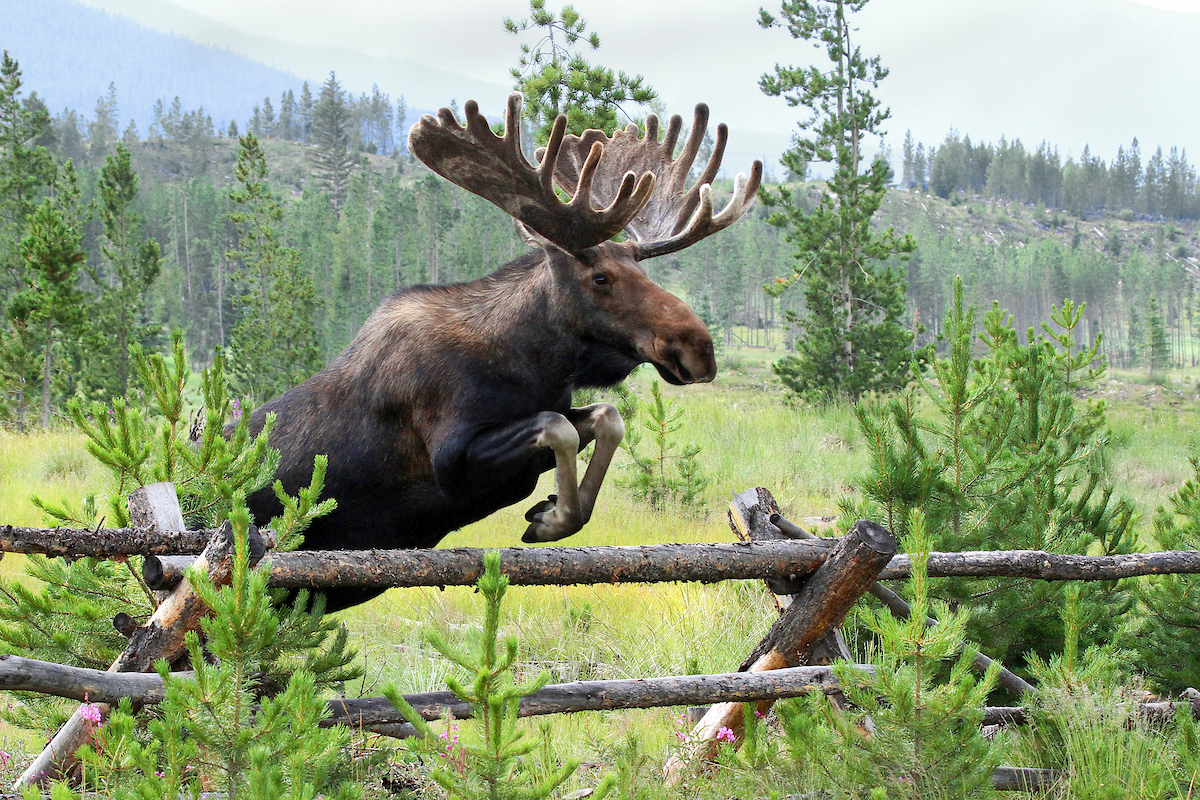
While Colorado’s moose population is currently thriving, conservation challenges remain. Habitat degradation due to human development, climate change impacting their preferred high-elevation habitats, and potential disease outbreaks are ongoing concerns. Human-wildlife conflict, particularly vehicle collisions and irresponsible viewing practices, also pose threats. Colorado Parks and Wildlife actively manages the moose population through research, habitat protection, and hunting regulations designed to maintain a healthy and sustainable number of animals. Educating the public on responsible wildlife viewing is a continuous effort to minimize human-caused disturbances. The future outlook for moose in Colorado remains positive, provided that proactive conservation strategies are continued, and tourists and residents alike commit to sharing the landscape responsibly with these magnificent creatures. Their journey from near extirpation to a celebrated and integral part of the Colorado landscape stands as a remarkable success story in wildlife management and a powerful draw for nature-focused tourism.
LifeOutOfTheBox is a participant in the Amazon Services LLC Associates Program, an affiliate advertising program designed to provide a means for sites to earn advertising fees by advertising and linking to Amazon.com. Amazon, the Amazon logo, AmazonSupply, and the AmazonSupply logo are trademarks of Amazon.com, Inc. or its affiliates. As an Amazon Associate we earn affiliate commissions from qualifying purchases.