
For many travelers, understanding local laws and regulations is as crucial as knowing the best local attractions or the most scenic routes. When planning a trip to Colorado, a state renowned for its majestic mountains, vibrant cities, and outdoor adventures, one question that occasionally arises, particularly among knife enthusiasts or those simply seeking to be informed, is the legality of carrying specific types of knives, such as switchblades. The legal landscape surrounding knives, especially automatic ones, can be a convoluted maze of federal, state, and local statutes, making it challenging for even seasoned residents, let alone visitors, to navigate. This guide aims to demystify Colorado’s knife laws, specifically focusing on switchblades, to ensure your travels through the Centennial State are compliant and carefree.
Navigating Colorado’s Knife Laws: A Traveler’s Guide
The United States has a complex tapestry of knife laws, with regulations varying significantly from one state to another, and even from city to city. What might be perfectly legal in one jurisdiction could lead to serious legal trouble in another. This variability underscores the importance of diligent research, especially when it comes to items like switchblades, which have historically faced stringent prohibitions due to their perceived dangerousness.
The Shifting Sands of Federal vs. State Regulations
At the federal level, the Federal Switchblade Act of 1958 primarily restricts the interstate commerce and possession on federal lands of automatic knives. This act was largely a response to public perception and media portrayals of switchblades in the mid-20th century. However, it’s critical to understand that this federal law doesn’t necessarily dictate what’s legal for possession or carry within a state’s borders for ordinary citizens. States retain significant authority to enact their own, often more permissive or restrictive, laws regarding knives.
For travelers, this means that even if a knife is legal to own in their home state and technically permissible under federal law for personal use, it might be prohibited once they cross into Colorado’s jurisdiction. Conversely, a state could allow certain knives that federal law restricts in specific contexts. The key takeaway is that state law often takes precedence for intrastate possession and carry, necessitating a deep dive into Colorado’s specific statutes.
Colorado’s Stance on Automatic Knives
Historically, Colorado was among the states that imposed significant restrictions on switchblades. For many years, the manufacture, sale, and possession of automatic knives were largely prohibited, classifying them as “illegal weapons.” This era reflected a common legislative approach across many states, driven by a desire to curb perceived dangers associated with quick-opening blades.
However, the legal landscape in Colorado underwent a significant transformation with the passage of HB 1162 in 2017. This landmark legislation brought about a substantial shift, largely decriminalizing the possession and open carry of automatic knives. Prior to this, switchblades were categorized as “illegal weapons” under state law. HB 1162 removed this specific prohibition, essentially making it legal for individuals to own and openly carry switchblades within the state.
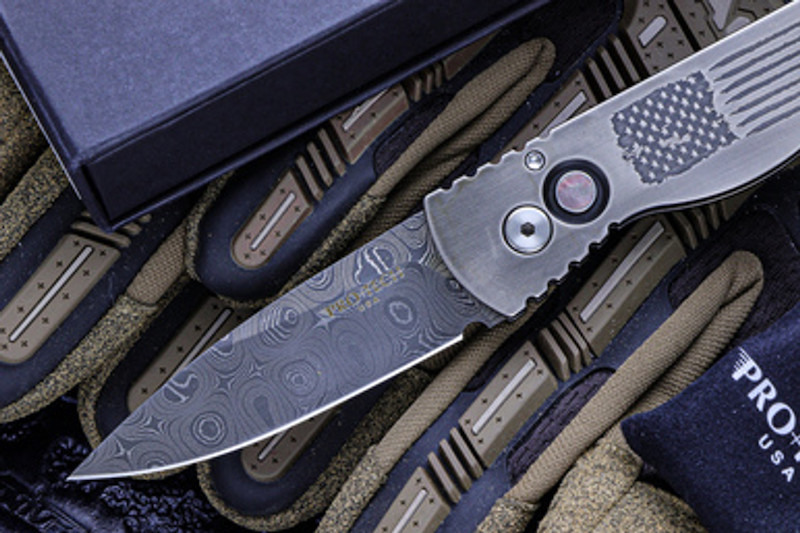
An “automatic knife,” commonly known as a switchblade, is generally defined as any knife having a blade that opens automatically by hand pressure applied to a button, spring, or other device in the handle, or by operation of inertia or gravity. This definition typically includes side-opening automatics and out-the-front (OTF) knives. With HB 1162, Colorado moved towards a more permissive stance, aligning itself with a growing number of states that have recognized the utility and legitimate purposes of these knives beyond illicit use.
What the Law Says Now: Possession and Carry
While HB 1162 significantly altered the legality of switchblades, it did not create a completely unrestricted environment. Travelers must still be mindful of the nuances regarding how these knives are carried and where they can be brought. The distinction between open carry and concealed carry, as well as specific prohibited locations, remains critically important.
Open Carry vs. Concealed Carry
In Colorado, the general rule for most knives, including switchblades, is that open carry is permissible. This means that if you possess a switchblade, it should be carried in a manner that is visible to others, not hidden from plain view. For example, clipped to a pocket with the clip visible, or carried in a sheath on a belt.
However, the situation changes when it comes to concealed carry. Colorado law prohibits the concealed carry of a “dangerous weapon” without a valid permit, typically a concealed handgun permit (CHP). The crucial point here is how a knife might be classified as a “dangerous weapon.” While a switchblade itself is no longer an illegal weapon by definition, any knife can become a “dangerous weapon” if its blade length exceeds 3.5 inches and it is carried concealed.
Therefore, if you are carrying a switchblade with a blade longer than 3.5 inches, and it is hidden from ordinary observation, you could be in violation of Colorado’s concealed carry laws, even if you have no intent to use it unlawfully. For travelers, this implies a strong recommendation: if you choose to carry a switchblade in Colorado, it is safest to do so openly, or ensure the blade length is under 3.5 inches if you intend to conceal it. Even with a CHP, the interpretation can sometimes be ambiguous regarding knives, so open carry for longer blades is the most straightforward approach.
Key Exceptions and Prohibited Locations
Even with the more lenient state laws, there are specific locations where carrying any knife, including a legally owned switchblade, is strictly prohibited. These restrictions are in place for public safety and apply universally, regardless of the knife’s type or carry method:
- Schools and Universities: Carrying knives on the grounds or in the buildings of public or private elementary, middle, or high schools, or in any building of a public institution of higher education, is generally forbidden.
- Federal Buildings: Due to federal regulations, knives are often prohibited in federal courthouses, post offices, and other federal government buildings.
- Airports: Within secured areas of airports, knives are prohibited. Knives can only be transported in checked luggage, in accordance with Transportation Security Administration (TSA) guidelines.
- Courthouses and Polling Places: Similar to federal buildings, state and local courthouses, as well as designated polling places on election days, typically prohibit weapons, including knives.
- Private Property: Businesses and private property owners retain the right to prohibit knives on their premises. This is often indicated by signage, and failure to comply can result in being asked to leave or even trespassing charges.

Travelers should exercise caution and be aware of their surroundings, particularly when entering public or private establishments. When in doubt, it’s always best to secure your knife in a vehicle or leave it at your accommodation.
Beyond Switchblades: Other Knife Types and Restrictions
While the focus here is on switchblades, it’s worth noting that Colorado’s knife laws encompass a broader spectrum of blades. Understanding these additional nuances can further protect travelers from inadvertent legal issues.
Understanding “Dangerous Weapons” and Intent
Even if a knife is legal to possess and carry, its intended use can quickly turn it into an “illegal weapon.” Colorado law states that it is unlawful to possess any knife (or other instrument) “with intent to use the same unlawfully against another person.” This “intent” clause is critical. A kitchen knife, a utility folder, or a switchblade, when carried for legitimate purposes (e.g., camping, work, collecting), is generally fine. However, if an individual carries any knife with the express intent to harm another, they could face serious charges, regardless of the knife’s inherent legality.
Furthermore, there are other categories of knives that remain outright prohibited in Colorado, regardless of intent or carry method. These typically include:
- Ballistic Knives: Knives with a detachable blade that can be propelled by a spring-operated mechanism.
- Undetectable Knives: Knives made of materials that cannot be detected by metal detectors, and which are not X-ray opaque.
- Gravity Knives and Balisongs (Butterfly Knives): While HB 1162 largely decriminalized switchblades, the specific language for gravity knives and balisongs can sometimes lead to different interpretations or still fall under stricter definitions, depending on how they are operated. Generally, these are treated similarly to switchblades post-2017 legislation, meaning open carry is permissible, but caution should be exercised regarding concealed carry and intent.
Local Ordinances: A Layer of Complexity
One of the most significant complexities for travelers is the existence of local ordinances. While Colorado state law provides a general framework, cities and counties within the state have the authority to enact their own, often more restrictive, knife regulations. This means that while a switchblade might be legal statewide, a particular city could have an ordinance prohibiting its possession or carry within its municipal limits.
For example, a city like Denver or Colorado Springs might have stricter rules regarding blade length, specific types of knives, or concealed carry compared to a rural county. A traveler passing through multiple cities could inadvertently violate local laws if they aren’t aware of these variations. Unfortunately, there isn’t a single comprehensive database of all local knife ordinances in Colorado.
The best practice for travelers planning to visit specific cities or counties is to proactively check the municipal code or contact the local police department for clarity on their specific knife regulations. This extra step, though perhaps cumbersome, can prevent unexpected legal issues and ensure a smooth journey.
Practical Advice for Travelers
Given the intricacies of knife laws, particularly when crossing state and local borders, a cautious approach is always the wisest.
When in Doubt, Leave it Out (or Check Thoroughly)
For travelers, the golden rule should be: if you are unsure about the legality of carrying a specific knife, especially a switchblade, it is best to err on the side of caution. If it’s not essential for your trip, consider leaving it at home. If you absolutely must bring it, then thorough research is non-negotiable.
- Consult Official Sources: Look up the actual Colorado Revised Statutes (C.R.S.) concerning weapons and knives. For local ordinances, consult the specific city’s municipal code.
- Legal Counsel: For absolute clarity, especially for those with unique situations or extensive knife collections, consulting a Colorado-licensed attorney specializing in weapons law is advisable.
- Understand Your “Why”: Be clear about the purpose of carrying a knife. If it’s for legitimate utility (e.g., camping, hiking, fishing, opening packages), ensure it’s carried openly and appropriately for the activity. Avoid carrying any knife, particularly a larger one, if its primary perceived purpose by law enforcement could be for self-defense in a manner that might be construed as aggressive or threatening.

Transporting Knives Safely and Legally
Even if a switchblade is legal to possess, how you transport it is important:
- In a Vehicle: When transporting a knife in a vehicle, it is generally recommended to keep it in a sheath, case, or box, and preferably in a location that is not readily accessible to the driver or passengers (e.g., trunk, glove compartment). This helps avoid any perception of concealed carry or intent to use.
- Air Travel: As mentioned, knives are strictly prohibited in carry-on luggage. They must be packed in checked baggage. Ensure they are securely sheathed or wrapped to prevent injury to baggage handlers and comply with all TSA regulations.
In conclusion, the answer to “Are switchblades legal in Colorado?” is a qualified yes. Following the passage of HB 1162 in 2017, the possession and open carry of automatic knives (switchblades) are generally legal under state law. However, travelers must remain vigilant regarding concealed carry restrictions for blades over 3.5 inches, specific prohibited locations such as schools and federal buildings, and the potential for stricter local ordinances in various cities and counties. By understanding and adhering to these nuanced laws, you can ensure your travel experiences in Colorado remain safe, enjoyable, and free from legal complications. Always prioritize being informed and exercising caution to fully embrace all that this magnificent state has to offer.
LifeOutOfTheBox is a participant in the Amazon Services LLC Associates Program, an affiliate advertising program designed to provide a means for sites to earn advertising fees by advertising and linking to Amazon.com. Amazon, the Amazon logo, AmazonSupply, and the AmazonSupply logo are trademarks of Amazon.com, Inc. or its affiliates. As an Amazon Associate we earn affiliate commissions from qualifying purchases.