
For many prospective travelers planning an adventure to the breathtaking landscapes of Colorado, a natural curiosity often arises about the local wildlife, particularly insects that might impact their experience. Among these, the question of “Are there mosquitoes in Colorado?” frequently surfaces. The straightforward answer is yes, mosquitoes are indeed present in the Centennial State. However, understanding their prevalence, seasonal patterns, and geographical distribution is key to ensuring an enjoyable and comfortable trip. Far from being a deterrent, this insight merely serves as valuable preparation, allowing visitors to embrace all that Colorado has to offer, from its towering peaks to its vibrant urban centers, with minimal disruption.
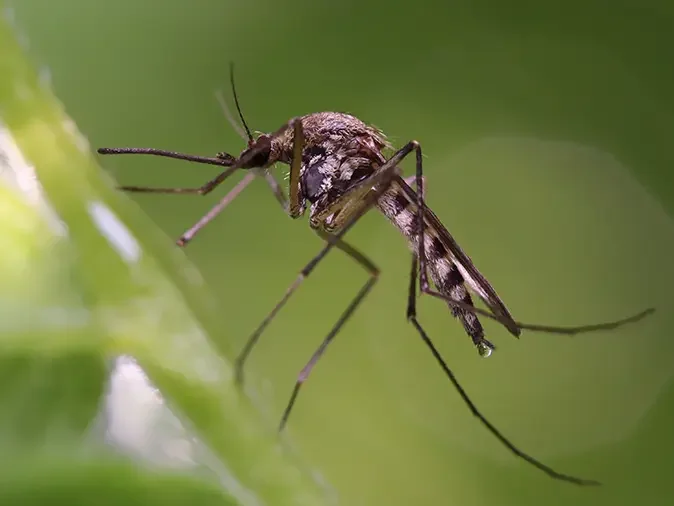
The Buzz About Colorado Mosquitoes: An Overview for Travelers
Colorado’s diverse geography and climate create a varied environment, impacting where and when mosquitoes are most active. From the arid plains to the alpine tundra, the conditions fluctuate dramatically, leading to different mosquito populations and behaviors depending on your chosen destination within the state. For travelers, acknowledging this ecological reality is the first step in smart planning.
Dispelling Myths and Understanding Realities
A common misconception is that Colorado’s generally dry climate and high elevations make it largely free of mosquitoes. While it’s true that some parts of the state experience fewer mosquitoes than more humid, low-lying regions elsewhere in the country, it’s inaccurate to assume their complete absence. Mosquitoes are remarkably adaptable insects and have found ways to thrive in various Colorado ecosystems. They require standing water to breed, and Colorado, despite its perceived aridity, has numerous sources: melting snowpack, rivers, lakes, irrigation ditches, temporary puddles from summer rains, and even urban water features. Therefore, while you might not encounter the overwhelming swarms found in swampier climates, expecting to encounter some mosquitoes, especially during warmer months and near water sources, is a realistic approach. This awareness empowers travelers to pack appropriately and plan activities with prevention in mind, rather than being caught off guard.
Why Colorado’s Diverse Landscape Matters
Colorado’s iconic landscape, characterized by its dramatic elevation changes and varied ecoregions, directly influences mosquito activity. In the eastern plains, where agriculture and river systems like the South Platte River are prevalent, mosquitoes can be quite common. Moving westward into the Front Range cities such as Denver and Boulder, urban parks, greenbelts, and residential areas with irrigation and standing water can host populations. Higher up in the Rocky Mountains, the cooler temperatures and faster-flowing streams generally reduce mosquito numbers, but stagnant pools formed by snowmelt or slow-moving alpine lakes can still become breeding grounds. Even popular high-altitude destinations like Rocky Mountain National Park or the resort town of Aspen can have periods of mosquito activity, particularly in marshy areas or near lakes after a significant rain. Understanding this geographical variability allows travelers to anticipate potential encounters based on their specific itinerary, from hiking near Ouray to exploring the Great Sand Dunes National Park and Preserve where seasonal creeks might create habitats.
Seasonal Presence and Peak Activity
The life cycle of mosquitoes is heavily influenced by temperature and water availability, making their presence in Colorado distinctly seasonal. Travelers visiting at different times of the year will encounter varying levels of activity, which can significantly impact their outdoor plans and packing list.
Spring’s Awakening: Snowmelt and Early Season Bites
As winter snows begin to melt across Colorado in late spring, typically from April into early June, a crucial condition for mosquito breeding emerges: abundant standing water. This snowmelt often pools in low-lying areas, creates temporary wetlands, and swells rivers, providing ideal nurseries for the first generations of mosquitoes. While temperatures are generally cooler than mid-summer, these early season mosquitoes can be quite persistent, especially in riparian zones and along hiking trails that follow streams or pass through damp forest floors. Travelers engaging in activities like spring fishing in the Arkansas River valley or early-season hiking in foothills near Fort Collins should be prepared. The cooler air might make their presence less obvious at first glance, but once you stop moving, they can quickly make their presence known.
Summer’s Swarm: Peak Activity Across the State
Summer, from late June through August, represents the peak season for mosquito activity throughout much of Colorado. Warmer temperatures accelerate the mosquito life cycle, and summer monsoons, particularly in the southwestern parts of the state around Durango and Mesa Verde National Park, create renewed breeding opportunities. This is when mosquitoes are most numerous and active, particularly during dawn and dusk hours. Travelers planning to camp, fish, hike, or enjoy outdoor patios in cities like Grand Junction or Colorado Springs should be most vigilant during these months. Lakeshores, slow-moving sections of the Colorado River, and heavily irrigated agricultural areas will see the highest concentrations. While daytime activity can vary, evenings are almost always prime time for mosquito encounters.
Autumn’s Retreat: Diminishing Threat
As Colorado transitions into autumn, typically from September through October, declining temperatures and fewer sources of standing water lead to a significant reduction in mosquito populations. The cooler nights and shorter days effectively slow down their breeding cycles and reduce the adult mosquito lifespan. For travelers, this means a generally more comfortable outdoor experience with fewer insect concerns. Autumn is a popular time to visit Colorado for its spectacular fall foliage, and the diminished mosquito threat adds to the appeal. While a few persistent mosquitoes might linger in sheltered, warmer spots or near isolated water sources early in the season, the widespread nuisance of summer typically subsides. By late autumn, with the arrival of the first hard freezes, mosquito activity effectively ceases until the following spring.
Where Mosquitoes Thrive: Hotspots for Travelers
Understanding where mosquitoes are most likely to be encountered in Colorado can help travelers choose their destinations and plan their activities more strategically. While no area is entirely immune, certain environments present a higher risk of mosquito encounters.
Mountainous Regions and High-Altitude Considerations
Even in the seemingly pristine Colorado mountains, mosquitoes can be a factor, particularly at lower to mid-elevations. Areas like the valleys surrounding Vail or Steamboat Springs, especially near rivers, lakes, and marshy meadows, can experience significant mosquito activity after snowmelt and during summer. While the very highest altitudes (above 10,000 feet) generally have fewer mosquitoes due to colder temperatures and shorter seasons, hiking trails that traverse through subalpine forests and near alpine lakes can still put you in contact with them. For example, a leisurely walk around Lake Granby or a camping trip in parts of San Juan National Forest might necessitate repellent. The key is to look for stagnant water, even small puddles, which can be surprisingly common even in rugged terrain.
Urban Parks and Riparian Areas
Colorado’s cities, with their commitment to green spaces and waterways, also provide ample habitat for mosquitoes. Urban parks, botanical gardens, and areas alongside rivers like the South Platte River in Denver or the Boulder Creek path, often feature ponds, decorative water features, and irrigated lawns that can become breeding grounds. Residents and travelers enjoying evening strolls, picnics, or outdoor concerts in places like City Park in Denver or near the Garden of the Gods in Colorado Springs might encounter mosquitoes, especially around dusk. These areas, while beautiful and inviting, are also micro-ecosystems where mosquitoes can flourish, necessitating awareness and preventative measures for those lingering outdoors after sunset.
Agricultural Lands and Rural Excursions
Venture into Colorado’s agricultural heartlands, particularly on the eastern plains or in river valleys like the Uncompahgre River valley near Montrose, and you’ll find conditions highly conducive to mosquito breeding. Irrigation ditches, retention ponds, and flooded fields provide vast expanses of standing water. Travelers exploring rural areas, visiting farms, or camping near such environments should be particularly prepared for higher mosquito populations. Destinations like Dinosaur National Monument, with its river access, or state parks situated in lower-elevation wetlands, will also experience significant mosquito activity during the peak summer months. These rural and agricultural areas often have less natural predation and management of mosquito populations compared to densely populated urban zones, making personal protection even more critical.
Health Concerns and Prevention Strategies for Visitors
While the primary concern for most travelers is the nuisance of mosquito bites, it’s also important to be aware of the potential for mosquito-borne illnesses. Fortunately, with a few simple precautions, visitors can significantly reduce their risk and enjoy a bite-free Colorado adventure.
Understanding Mosquito-Borne Illnesses in Colorado
The most significant mosquito-borne illness risk in Colorado is West Nile Virus (WNV). WNV is endemic to the state, meaning it regularly circulates among mosquito populations and birds, with occasional transmission to humans. While most people infected with WNV experience no symptoms or mild flu-like symptoms, a small percentage can develop serious, sometimes fatal, neurological illnesses. Cases tend to peak in late summer and early fall when mosquito populations are still active. Colorado health departments actively monitor WNV activity, and public health advisories are issued when necessary. Other mosquito-borne diseases are rare but not impossible, especially for international travelers, though WNV remains the primary domestic concern. Awareness, not alarm, is the key here; understanding the risk helps inform preventative actions.
Essential Personal Protection Measures
The good news is that protecting yourself from mosquitoes in Colorado is relatively straightforward and effective.
- Use EPA-registered Insect Repellent: Products containing DEET, picaridin, IR3535, oil of lemon eucalyptus (OLE), para-menthane-diol (PMD), or 2-undecanone are recommended. Always follow product instructions, especially for children.
- Wear Protective Clothing: Long-sleeved shirts, long pants, and socks can provide a physical barrier against bites. Light-colored clothing may also be less attractive to mosquitoes. Consider treating clothing with permethrin for added protection, but never apply permethrin directly to skin.
- Timing of Outdoor Activities: Mosquitoes are most active during dawn and dusk. If possible, limit outdoor activities during these hours, especially in mosquito-prone areas.
- Secure Your Accommodation: If staying in cabins or tents, ensure screens on windows and doors are intact and use mosquito netting if necessary, especially in rustic settings.
- Eliminate Standing Water: If camping or staying in a rental with a yard, minimize standing water around your immediate area. Even a bottle cap of water can be a breeding site.
Smart Packing for a Mosquito-Free Trip
Preparing your packing list with mosquitoes in mind can make a huge difference to your Colorado experience. Beyond your standard outdoor gear, consider adding:
- A travel-sized bottle of high-quality insect repellent.
- Lightweight, breathable long-sleeved shirts and pants.
- A hat with a brim to protect your face and neck.
- For backcountry trips, a head net might be a worthwhile addition for peak mosquito season.
- After-bite cream or antihistamines to soothe any bites you might get.
By incorporating these simple items and strategies, you can significantly enhance your comfort and safety, allowing you to focus on the spectacular natural beauty and vibrant culture of Colorado.
Enjoying Colorado Responsibly: Coexisting with Nature
Ultimately, the presence of mosquitoes in Colorado is a natural part of its diverse ecosystem. While they might be a nuisance, they are also part of the intricate web of life, serving as food for birds, bats, and other wildlife. For travelers, understanding and preparing for mosquitoes is not about eliminating them, but about responsibly coexisting with nature during your visit. With appropriate planning and preventative measures, mosquitoes should not deter anyone from experiencing the unparalleled beauty and adventure that Colorado has to offer. Whether you’re hiking a challenging trail in the San Juan Mountains, fly fishing in a pristine river, or exploring the cultural attractions of Denver, being mosquito-aware ensures that your memories are filled with majestic landscapes and thrilling experiences, not itchy bites. Plan smart, pack well, and immerse yourself in the wonders of Colorado.The article “Are There Mosquitoes In Colorado?” belongs to the Travel (Destinations, Attractions, Guides, Experiences…) category.
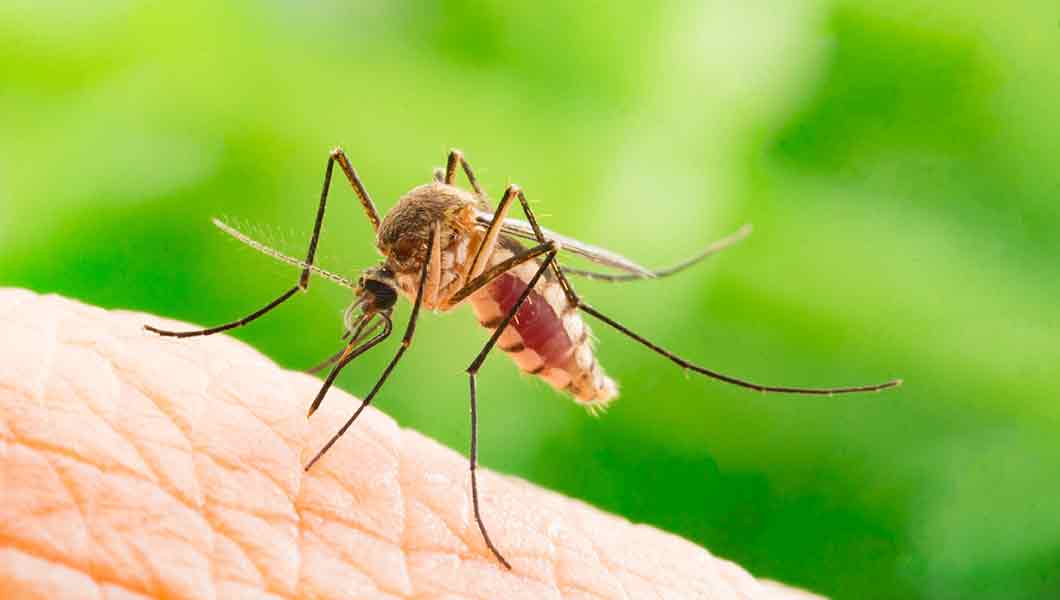
Are There Mosquitoes In Colorado?
For many prospective travelers planning an adventure to the breathtaking landscapes of Colorado, a natural curiosity often arises about the local wildlife, particularly insects that might impact their experience. Among these, the question of “Are there mosquitoes in Colorado?” frequently surfaces. The straightforward answer is yes, mosquitoes are indeed present in the Centennial State. However, understanding their prevalence, seasonal patterns, and geographical distribution is key to ensuring an enjoyable and comfortable trip. Far from being a deterrent, this insight merely serves as valuable preparation, allowing visitors to embrace all that Colorado has to offer, from its towering peaks to its vibrant urban centers, with minimal disruption.
The Buzz About Colorado Mosquitoes: An Overview for Travelers
Colorado’s diverse geography and climate create a varied environment, impacting where and when mosquitoes are most active. From the arid plains to the alpine tundra, the conditions fluctuate dramatically, leading to different mosquito populations and behaviors depending on your chosen destination within the state. For travelers, acknowledging this ecological reality is the first step in smart planning.
Dispelling Myths and Understanding Realities
A common misconception is that Colorado’s generally dry climate and high elevations make it largely free of mosquitoes. While it’s true that some parts of the state experience fewer mosquitoes than more humid, low-lying regions elsewhere in the country, it’s inaccurate to assume their complete absence. Mosquitoes are remarkably adaptable insects and have found ways to thrive in various Colorado ecosystems. They require standing water to breed, and Colorado, despite its perceived aridity, has numerous sources: melting snowpack, rivers, lakes, irrigation ditches, temporary puddles from summer rains, and even urban water features. Therefore, while you might not encounter the overwhelming swarms found in swampier climates, expecting to encounter some mosquitoes, especially during warmer months and near water sources, is a realistic approach. This awareness empowers travelers to pack appropriately and plan activities with prevention in mind, rather than being caught off guard.
Why Colorado’s Diverse Landscape Matters
Colorado’s iconic landscape, characterized by its dramatic elevation changes and varied ecoregions, directly influences mosquito activity. In the eastern plains, where agriculture and river systems like the South Platte River are prevalent, mosquitoes can be quite common. Moving westward into the Front Range cities such as Denver and Boulder, urban parks, greenbelts, and residential areas with irrigation and standing water can host populations. Higher up in the Rocky Mountains, the cooler temperatures and faster-flowing streams generally reduce mosquito numbers, but stagnant pools formed by snowmelt or slow-moving alpine lakes can still become breeding grounds. Even popular high-altitude destinations like Rocky Mountain National Park or the resort town of Aspen can have periods of mosquito activity, particularly in marshy areas or near lakes after a significant rain. Understanding this geographical variability allows travelers to anticipate potential encounters based on their specific itinerary, from hiking near Ouray to exploring the Great Sand Dunes National Park and Preserve where seasonal creeks might create habitats.
Seasonal Presence and Peak Activity
The life cycle of mosquitoes is heavily influenced by temperature and water availability, making their presence in Colorado distinctly seasonal. Travelers visiting at different times of the year will encounter varying levels of activity, which can significantly impact their outdoor plans and packing list.
Spring’s Awakening: Snowmelt and Early Season Bites
As winter snows begin to melt across Colorado in late spring, typically from April into early June, a crucial condition for mosquito breeding emerges: abundant standing water. This snowmelt often pools in low-lying areas, creates temporary wetlands, and swells rivers, providing ideal nurseries for the first generations of mosquitoes. While temperatures are generally cooler than mid-summer, these early season mosquitoes can be quite persistent, especially in riparian zones and along hiking trails that follow streams or pass through damp forest floors. Travelers engaging in activities like spring fishing in the Arkansas River valley or early-season hiking in foothills near Fort Collins should be prepared. The cooler air might make their presence less obvious at first glance, but once you stop moving, they can quickly make their presence known.
Summer’s Swarm: Peak Activity Across the State
Summer, from late June through August, represents the peak season for mosquito activity throughout much of Colorado. Warmer temperatures accelerate the mosquito life cycle, and summer monsoons, particularly in the southwestern parts of the state around Durango and Mesa Verde National Park, create renewed breeding opportunities. This is when mosquitoes are most numerous and active, particularly during dawn and dusk hours. Travelers planning to camp, fish, hike, or enjoy outdoor patios in cities like Grand Junction or Colorado Springs should be most vigilant during these months. Lakeshores, slow-moving sections of the Colorado River, and heavily irrigated agricultural areas will see the highest concentrations. While daytime activity can vary, evenings are almost always prime time for mosquito encounters.
Autumn’s Retreat: Diminishing Threat
As Colorado transitions into autumn, typically from September through October, declining temperatures and fewer sources of standing water lead to a significant reduction in mosquito populations. The cooler nights and shorter days effectively slow down their breeding cycles and reduce the adult mosquito lifespan. For travelers, this means a generally more comfortable outdoor experience with fewer insect concerns. Autumn is a popular time to visit Colorado for its spectacular fall foliage, and the diminished mosquito threat adds to the appeal. While a few persistent mosquitoes might linger in sheltered, warmer spots or near isolated water sources early in the season, the widespread nuisance of summer typically subsides. By late autumn, with the arrival of the first hard freezes, mosquito activity effectively ceases until the following spring.
Where Mosquitoes Thrive: Hotspots for Travelers
Understanding where mosquitoes are most likely to be encountered in Colorado can help travelers choose their destinations and plan their activities more strategically. While no area is entirely immune, certain environments present a higher risk of mosquito encounters.
Mountainous Regions and High-Altitude Considerations
Even in the seemingly pristine Colorado mountains, mosquitoes can be a factor, particularly at lower to mid-elevations. Areas like the valleys surrounding Vail or Steamboat Springs, especially near rivers, lakes, and marshy meadows, can experience significant mosquito activity after snowmelt and during summer. While the very highest altitudes (above 10,000 feet) generally have fewer mosquitoes due to colder temperatures and shorter seasons, hiking trails that traverse through subalpine forests and near alpine lakes can still put you in contact with them. For example, a leisurely walk around Lake Granby or a camping trip in parts of San Juan National Forest might necessitate repellent. The key is to look for stagnant water, even small puddles, which can be surprisingly common even in rugged terrain.
Urban Parks and Riparian Areas
Colorado’s cities, with their commitment to green spaces and waterways, also provide ample habitat for mosquitoes. Urban parks, botanical gardens, and areas alongside rivers like the South Platte River in Denver or the Boulder Creek path, often feature ponds, decorative water features, and irrigated lawns that can become breeding grounds. Residents and travelers enjoying evening strolls, picnics, or outdoor concerts in places like City Park in Denver or near the Garden of the Gods in Colorado Springs might encounter mosquitoes, especially around dusk. These areas, while beautiful and inviting, are also micro-ecosystems where mosquitoes can flourish, necessitating awareness and preventative measures for those lingering outdoors after sunset.
Agricultural Lands and Rural Excursions
Venture into Colorado’s agricultural heartlands, particularly on the eastern plains or in river valleys like the Uncompahgre River valley near Montrose, and you’ll find conditions highly conducive to mosquito breeding. Irrigation ditches, retention ponds, and flooded fields provide vast expanses of standing water. Travelers exploring rural areas, visiting farms, or camping near such environments should be particularly prepared for higher mosquito populations. Destinations like Dinosaur National Monument, with its river access, or state parks situated in lower-elevation wetlands, will also experience significant mosquito activity during the peak summer months. These rural and agricultural areas often have less natural predation and management of mosquito populations compared to densely populated urban zones, making personal protection even more critical.
Health Concerns and Prevention Strategies for Visitors
While the primary concern for most travelers is the nuisance of mosquito bites, it’s also important to be aware of the potential for mosquito-borne illnesses. Fortunately, with a few simple precautions, visitors can significantly reduce their risk and enjoy a bite-free Colorado adventure.
Understanding Mosquito-Borne Illnesses in Colorado
The most significant mosquito-borne illness risk in Colorado is West Nile Virus (WNV). WNV is endemic to the state, meaning it regularly circulates among mosquito populations and birds, with occasional transmission to humans. While most people infected with WNV experience no symptoms or mild flu-like symptoms, a small percentage can develop serious, sometimes fatal, neurological illnesses. Cases tend to peak in late summer and early fall when mosquito populations are still active. Colorado health departments actively monitor WNV activity, and public health advisories are issued when necessary. Other mosquito-borne diseases are rare but not impossible, especially for international travelers, though WNV remains the primary domestic concern. Awareness, not alarm, is the key here; understanding the risk helps inform preventative actions.
Essential Personal Protection Measures
The good news is that protecting yourself from mosquitoes in Colorado is relatively straightforward and effective.
- Use EPA-registered Insect Repellent: Products containing DEET, picaridin, IR3535, oil of lemon eucalyptus (OLE), para-menthane-diol (PMD), or 2-undecanone are recommended. Always follow product instructions, especially for children.
- Wear Protective Clothing: Long-sleeved shirts, long pants, and socks can provide a physical barrier against bites. Light-colored clothing may also be less attractive to mosquitoes. Consider treating clothing with permethrin for added protection, but never apply permethrin directly to skin.
- Timing of Outdoor Activities: Mosquitoes are most active during dawn and dusk. If possible, limit outdoor activities during these hours, especially in mosquito-prone areas.
- Secure Your Accommodation: If staying in cabins or tents, ensure screens on windows and doors are intact and use mosquito netting if necessary, especially in rustic settings.
- Eliminate Standing Water: If camping or staying in a rental with a yard, minimize standing water around your immediate area. Even a bottle cap of water can be a breeding site.
Smart Packing for a Mosquito-Free Trip
Preparing your packing list with mosquitoes in mind can make a huge difference to your Colorado experience. Beyond your standard outdoor gear, consider adding:
- A travel-sized bottle of high-quality insect repellent.
- Lightweight, breathable long-sleeved shirts and pants.
- A hat with a brim to protect your face and neck.
- For backcountry trips, a head net might be a worthwhile addition for peak mosquito season.
- After-bite cream or antihistamines to soothe any bites you might get.
By incorporating these simple items and strategies, you can significantly enhance your comfort and safety, allowing you to focus on the spectacular natural beauty and vibrant culture of Colorado.
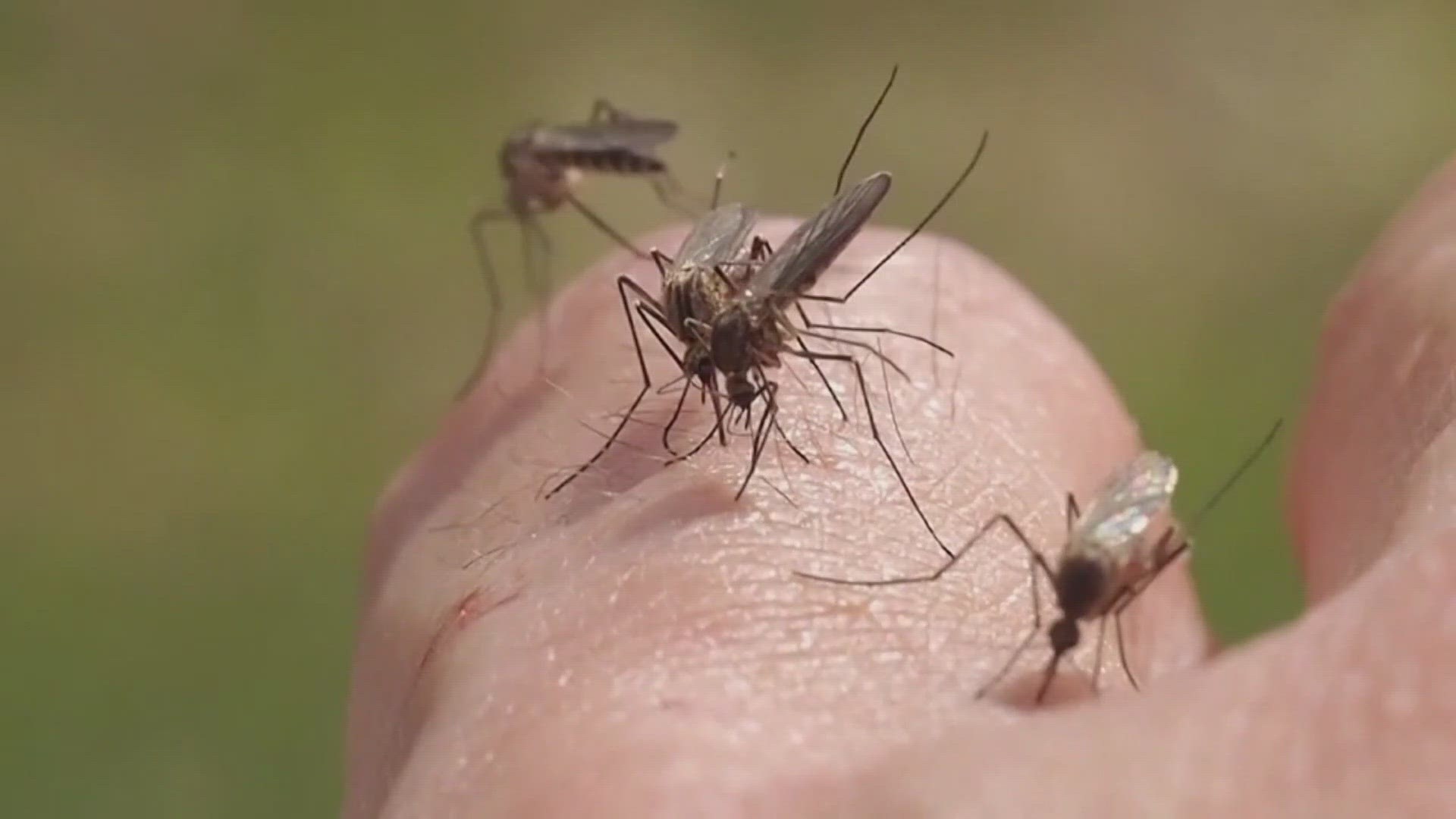
Enjoying Colorado Responsibly: Coexisting with Nature
Ultimately, the presence of mosquitoes in Colorado is a natural part of its diverse ecosystem. While they might be a nuisance, they are also part of the intricate web of life, serving as food for birds, bats, and other wildlife. For travelers, understanding and preparing for mosquitoes is not about eliminating them, but about responsibly coexisting with nature during your visit. With appropriate planning and preventative measures, mosquitoes should not deter anyone from experiencing the unparalleled beauty and adventure that Colorado has to offer. Whether you’re hiking a challenging trail in the San Juan Mountains, fly fishing in a pristine river, or
LifeOutOfTheBox is a participant in the Amazon Services LLC Associates Program, an affiliate advertising program designed to provide a means for sites to earn advertising fees by advertising and linking to Amazon.com. Amazon, the Amazon logo, AmazonSupply, and the AmazonSupply logo are trademarks of Amazon.com, Inc. or its affiliates. As an Amazon Associate we earn affiliate commissions from qualifying purchases.