
For many, the image of Colorado is synonymous with towering mountains, pristine ski slopes, and the majestic Rocky Mountains. It’s a state celebrated for its outdoor adventures, vibrant cities like Denver and Boulder, and a seemingly endless array of natural beauty. However, a common question that arises for prospective travelers, perhaps influenced by images of the American Midwest, is whether this mountainous state experiences tornadoes. The short answer is yes, Colorado does experience tornadoes, but the full picture is far more nuanced and reveals a state of remarkable meteorological diversity. Understanding this aspect of [Colorado]’s climate is key for any traveler planning an informed and enjoyable visit. While not on the scale of states deeper within Tornado Alley, the Centennial State holds a unique position on the western edge of this infamous corridor, offering a blend of high-alpine tranquility and prairie dynamism. This guide aims to shed light on where, when, and how tornadoes manifest in [Colorado], and what travelers need to know to ensure a safe and memorable experience.
Unpacking Colorado’s Diverse Climate and Geography
[Colorado]’s vast and varied landscape is a primary driver of its complex weather patterns, including the potential for tornadoes. From its lowest points on the Eastern Plains to its highest peaks in the Rocky Mountains, the state experiences dramatic shifts in elevation, which in turn dictate local climates. This geographical dichotomy is fundamental to comprehending why and where tornadoes can occur.A Tale of Two Landscapes
The state can essentially be divided into two major geographical regions, each with its own distinct climatic personality. To the west, the Rocky Mountains dominate, characterized by high altitudes, rugged terrain, and a predominantly alpine climate. Here, heavy snowfall in winter and cool, dry summers are common, with severe thunderstorms occurring but tornadoes being exceedingly rare due to the complex topography that disrupts the atmospheric conditions necessary for their formation. The air is typically too stable, and wind shear patterns are often unfavorable.
In stark contrast, the eastern half of Colorado is composed of flat to rolling plains, an extension of the Great Plains. This region, often referred to as the Eastern Plains, has a semi-arid, continental climate, marked by hotter summers, colder winters, and significantly less precipitation than the mountains. Crucially, this flat terrain provides the ideal conditions for the collision of air masses required for tornadic activity. Cities like Fort Collins, Colorado Springs, and Limon are situated within or adjacent to this dynamic zone.
The Dynamics of Colorado’s Weather
The unique geography of Colorado creates a meteorological battleground where different air masses frequently collide. Warm, moist air from the Gulf of Mexico often flows northward over the Eastern Plains, while cooler, drier air descends from the Rocky Mountains or arrives from the north. The convergence of these air masses, especially when combined with powerful jet stream winds aloft and the heating of the land surface, can lead to the development of severe thunderstorms.
These storms, known as supercells, are the most common precursors to tornadoes. The Front Range, which marks the transition from the plains to the mountains, plays a particularly important role. The upslope flow of air against the mountains can enhance lift and moisture convergence, often initiating severe weather outbreaks just east of the mountain range. This understanding of [Colorado]’s climatological interplay is essential for travelers to grasp the nature of its weather events.
The Reality of Tornadoes in the Centennial State
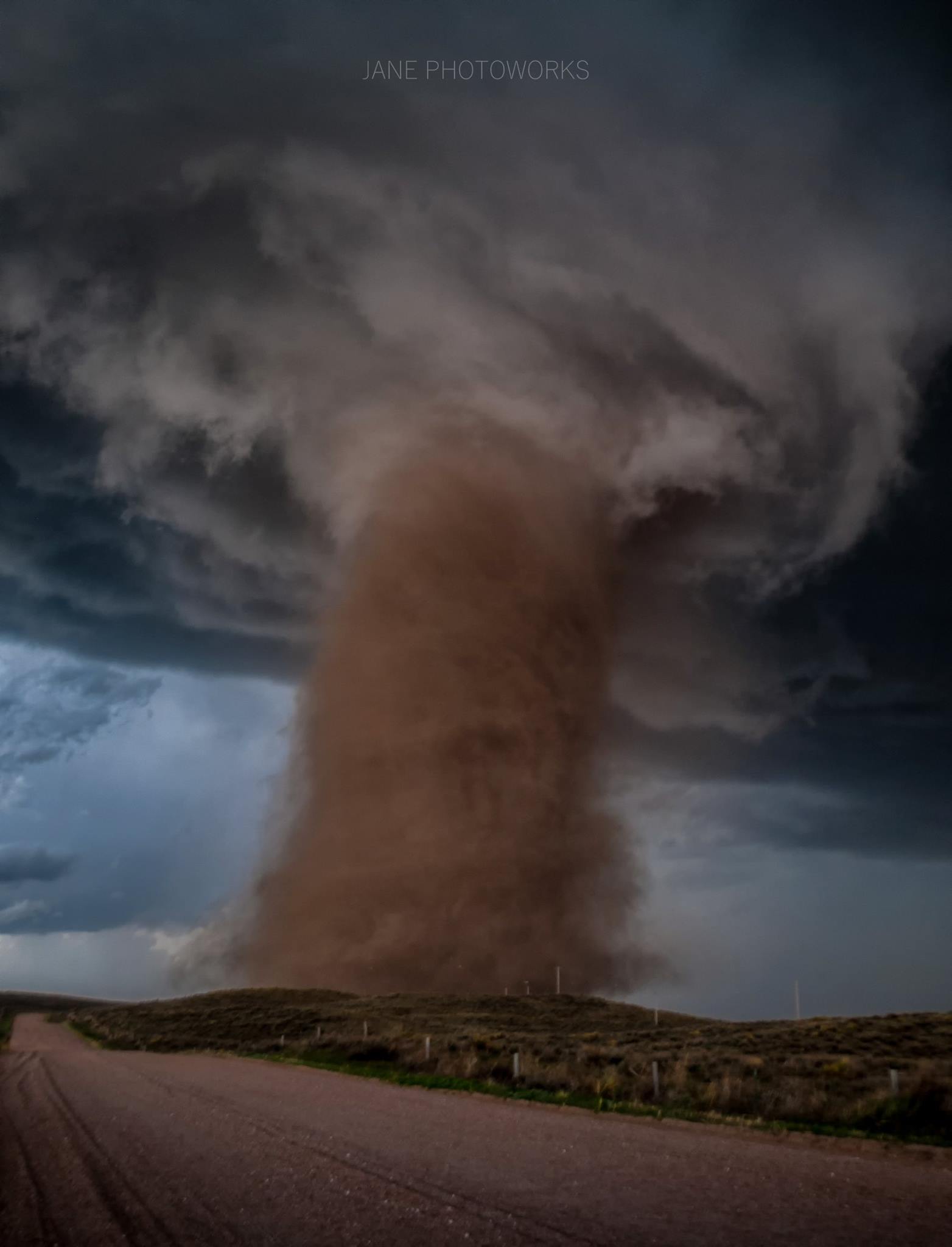
Despite its mountainous reputation, Colorado indeed experiences a notable number of tornadoes each year, primarily due to its position on the edge of the nation’s tornado hot zone. This reality, though often surprising to first-time visitors, is a well-documented meteorological phenomenon.
Tornado Alley’s Western Front
Colorado lies on the western fringe of Tornado Alley, a broad area of the central United States where tornadic activity is most frequent. While states like Oklahoma, Kansas, and Texas are often considered the heart of this region, [Colorado] ranks surprisingly high among states for annual tornado occurrences. On average, [Colorado] experiences between 50 to 60 tornadoes per year, placing it among the top 10 states nationally. This statistic underscores the importance of acknowledging the potential for severe weather, particularly for those traveling to the eastern half of the state. It’s not a daily occurrence, but it’s far from a rarity.
Where and When Do They Occur?
The vast majority of tornadoes in Colorado occur over the Eastern Plains, generally east of the Interstate 25 corridor and the Front Range. Areas around towns such as Burlington, Sterling, Akron, and Limon are statistically more prone to tornadic activity. The relatively sparse population density in these regions means that many tornadoes occur over open fields, often causing minimal damage to structures but still posing a significant threat to anyone caught in their path.
The peak tornado season in Colorado typically spans from late spring through early summer, specifically from May to July. June often sees the highest frequency of events. During these months, the atmospheric conditions—warm, moist air from the Gulf of Mexico interacting with cooler, drier air from the mountains and upper atmosphere—are most conducive to severe thunderstorm and tornado formation. Diurnal heating during the afternoon and early evening hours is also a critical factor, making late afternoon and early evening the most common times for tornadoes to develop.
Severity and Frequency
While Colorado experiences a considerable number of tornadoes, their typical intensity is often less severe than those observed deeper within Tornado Alley. Many of [Colorado]’s tornadoes are classified as weaker EF0 or EF1 events on the Enhanced Fujita scale, which are generally short-lived and cause minor damage. However, stronger, more destructive tornadoes (EF2 and above) are certainly possible and have occurred, particularly in the more open, agricultural areas of the Eastern Plains.
It is important for travelers to understand that while the frequency of tornadoes is relatively high on paper, the probability of any individual traveler encountering one directly is quite low. The vastness of the state and the localized nature of these phenomena mean that most visitors will never witness a tornado. However, awareness and preparedness remain crucial, especially when traveling through the more susceptible regions during peak season.
Safety Measures and Preparedness for Travelers
For travelers to Colorado, particularly during the late spring and summer months, being aware of potential severe weather and understanding basic safety protocols can provide peace of mind and ensure a safer trip. While the likelihood of encountering a tornado is low, being prepared is always the best approach.
Staying Informed: Weather Alerts
The most critical step for any traveler is to stay informed about local weather conditions. Utilize reliable sources such as the National Weather Service (NWS) through its website, local news channels, or smartphone weather apps that provide real-time alerts. A NOAA Weather Radio is also an excellent tool, especially when traveling through more remote areas of the Eastern Plains where cell service might be spotty.
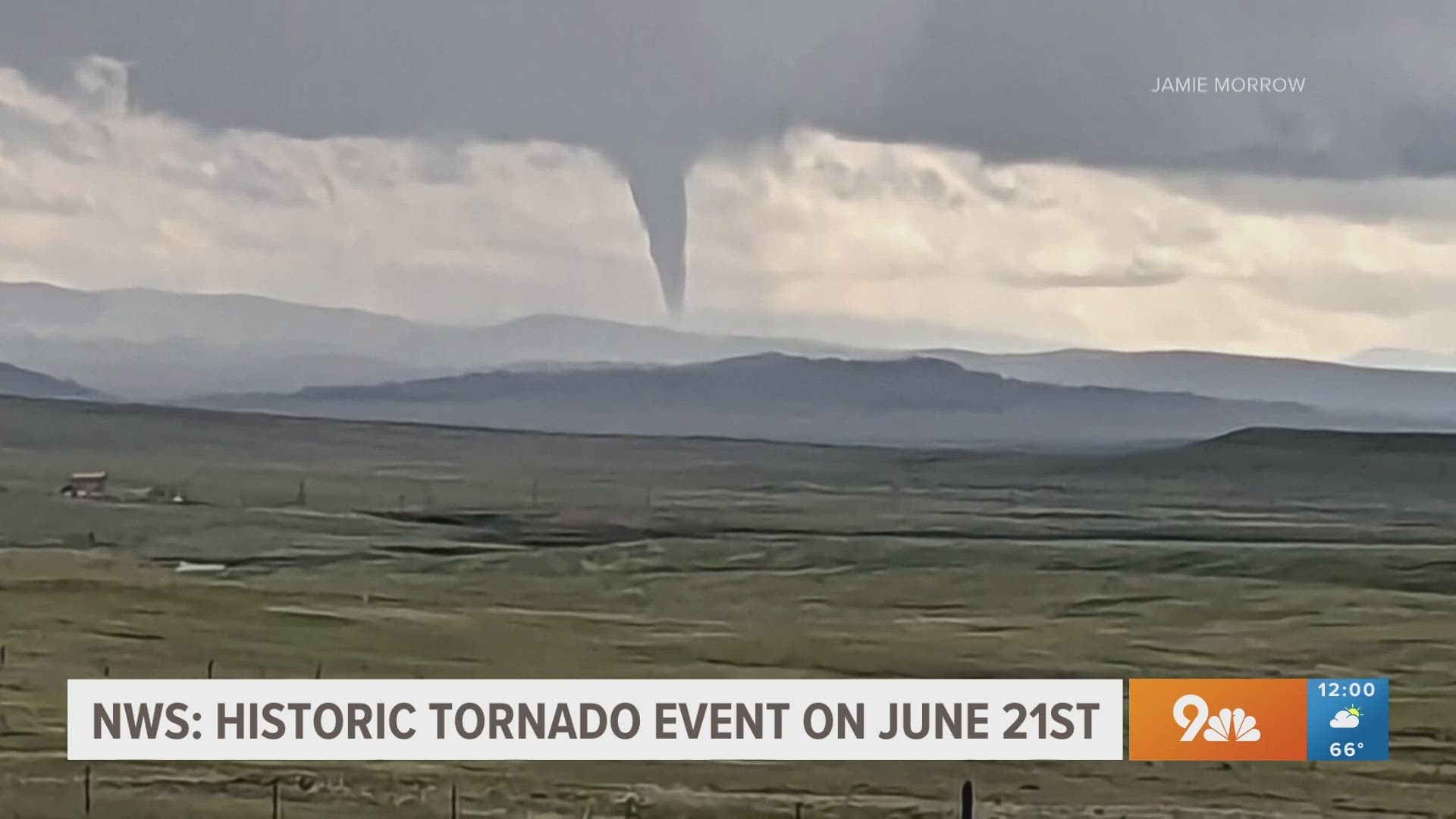
Pay close attention to “tornado watches” and “tornado warnings.” A tornado watch means conditions are favorable for tornadoes to develop in or near the watch area. This is the time to review your safety plan and stay alert. A tornado warning means a tornado has been sighted or indicated by radar, posing an imminent threat. If a warning is issued for your location, immediate action is required.
Knowing Your Shelters
If a tornado warning is issued while you are traveling, knowing where to seek shelter is paramount. The safest place is a sturdy building, preferably in a basement or an interior room on the lowest floor, away from windows. Hotels and motels in Colorado are often equipped with information regarding shelter locations for guests, so inquire upon check-in, especially if you are staying in the eastern part of the state.
If you are outdoors or in a vehicle, the situation becomes more perilous. Do not try to outrun a tornado in a car, especially if you are in an urban area with traffic. Seek the nearest sturdy shelter immediately. If no sturdy shelter is available, lie down in a ditch or other low-lying area and cover your head, away from any potential flying debris. Never seek shelter under an overpass, as this can create a wind tunnel effect.
Travel Planning Considerations
When planning your Colorado adventure, consider the time of year and your intended destinations. If you plan to spend significant time on the Eastern Plains during late spring or early summer, a heightened awareness of weather conditions is advisable. However, rest assured that the vast majority of [Colorado] travel experiences, particularly those focused on mountain activities or urban exploration in cities like Denver or Colorado Springs, will be completely unaffected by tornadic weather.
Travel insurance can also be a valuable consideration for any trip, offering coverage for unexpected weather-related disruptions, although direct tornado encounters leading to travel cancellation are rare. The key is to be informed, not alarmed, and to approach your travel with a sensible level of preparedness, just as you would for any other potential natural phenomenon.
Experiencing Colorado Beyond the Weather Forecast
Despite the potential for severe weather, Colorado remains an overwhelmingly safe and exhilarating travel destination. The state’s appeal lies in its unparalleled natural beauty, diverse activities, and vibrant culture, which far outweigh the occasional meteorological concerns.
Embracing the Outdoors Safely
[Colorado]’s outdoor playground is legendary, offering everything from world-class skiing in resorts like Aspen and Vail to hiking and rock climbing in Rocky Mountain National Park and the striking formations of Garden of the Gods near Colorado Springs. While it’s crucial to be aware of the weather, these activities are primarily concentrated in areas less prone to tornadoes, namely the mountainous regions.For any outdoor pursuit, whether it’s whitewater rafting on the Arkansas River or exploring Mesa Verde National Park, travelers should always check local weather forecasts relevant to their specific location. Mountain weather can be unpredictable, with sudden thunderstorms, hail, or rapid temperature drops being more common concerns than tornadoes. Preparation for varied conditions, including appropriate clothing and gear, is always recommended.

Urban Adventures and Cultural Gems
[Colorado]’s cities offer a vibrant counterpoint to its wild landscapes, providing cultural experiences, culinary delights, and diverse entertainment options. Cities like Denver, Boulder, and Fort Collins boast world-class museums, breweries, live music venues, and thriving food scenes. These urban centers are well-equipped with infrastructure to handle various weather events, and indoor attractions provide excellent alternatives on days when the weather is less than ideal.Travelers can confidently explore attractions like the Denver Art Museum, catch a game at Coors Field, or enjoy the pedestrian-friendly Pearl Street Mall in Boulder without significant concern for tornadic activity impacting their plans. These areas, while sometimes experiencing severe thunderstorms, have robust warning systems and readily accessible shelters.
In conclusion, while the question “Are There Tornadoes In [Colorado]?” is answered with a definitive yes, it’s essential to contextualize this information for travelers. [Colorado]’s diverse geography means that tornadic activity is largely confined to its Eastern Plains and is most prevalent during late spring and early summer. For most visitors, whose itineraries often focus on the majestic Rocky Mountains or the vibrant cities along the Front Range, the risk of encountering a tornado is statistically very low.
The key to a worry-free trip to Colorado lies in awareness and preparedness. By staying informed about local weather forecasts, understanding the difference between a tornado watch and a warning, and knowing basic safety procedures, travelers can confidently enjoy all the incredible experiences this unique state has to offer. [Colorado]’s breathtaking landscapes, adventurous spirit, and rich cultural tapestry await, making it an unforgettable destination regardless of its fascinating meteorological quirks.
LifeOutOfTheBox is a participant in the Amazon Services LLC Associates Program, an affiliate advertising program designed to provide a means for sites to earn advertising fees by advertising and linking to Amazon.com. Amazon, the Amazon logo, AmazonSupply, and the AmazonSupply logo are trademarks of Amazon.com, Inc. or its affiliates. As an Amazon Associate we earn affiliate commissions from qualifying purchases.