
For residents of the Golden State and anyone planning to experience the myriad California wonders, understanding the nuances of identification, particularly the Real ID, is crucial. In an era where seamless travel and secure access are paramount, this specialized form of identification plays a significant role in modern life, especially for those who embrace a “life out of the box.” Whether you’re embarking on a domestic flight to explore new California destinations, checking into a luxurious resort, or simply navigating daily life, your identification matters. This article delves into what a Real ID in California entails, why it’s important for travelers and residents alike, and how it connects to your adventures in tourism, accommodation, and lifestyle.
Understanding the Real ID Act and Its Purpose
The concept of the Real ID didn’t emerge in a vacuum; it was a direct response to a pivotal moment in global history. For any traveler or resident, understanding its origins provides valuable context for its current importance.
The Origins and Mandate
The Real ID Act of 2005 was a federal law enacted by the United States Congress in response to the September 11 attacks. Following the recommendations of the 9/11 Commission, which highlighted how terrorists had exploited lax identification standards, the Act established minimum security standards for state-issued driver’s licenses and identification cards. The primary goal was to prevent terrorism, reduce fraud, and enhance the security of the American populace.
Under the Real ID Act, federal agencies, including the Transportation Security Administration (TSA) and the Department of Homeland Security (DHS), are prohibited from accepting driver’s licenses and identification cards from states that do not meet these minimum standards for certain official purposes. This mandate was designed to ensure that the documents used for sensitive activities like boarding domestic flights and accessing federal facilities are secure and trustworthy, safeguarding national security while facilitating legitimate travel and access.
Distinguishing Real ID from Standard California Driver’s Licenses
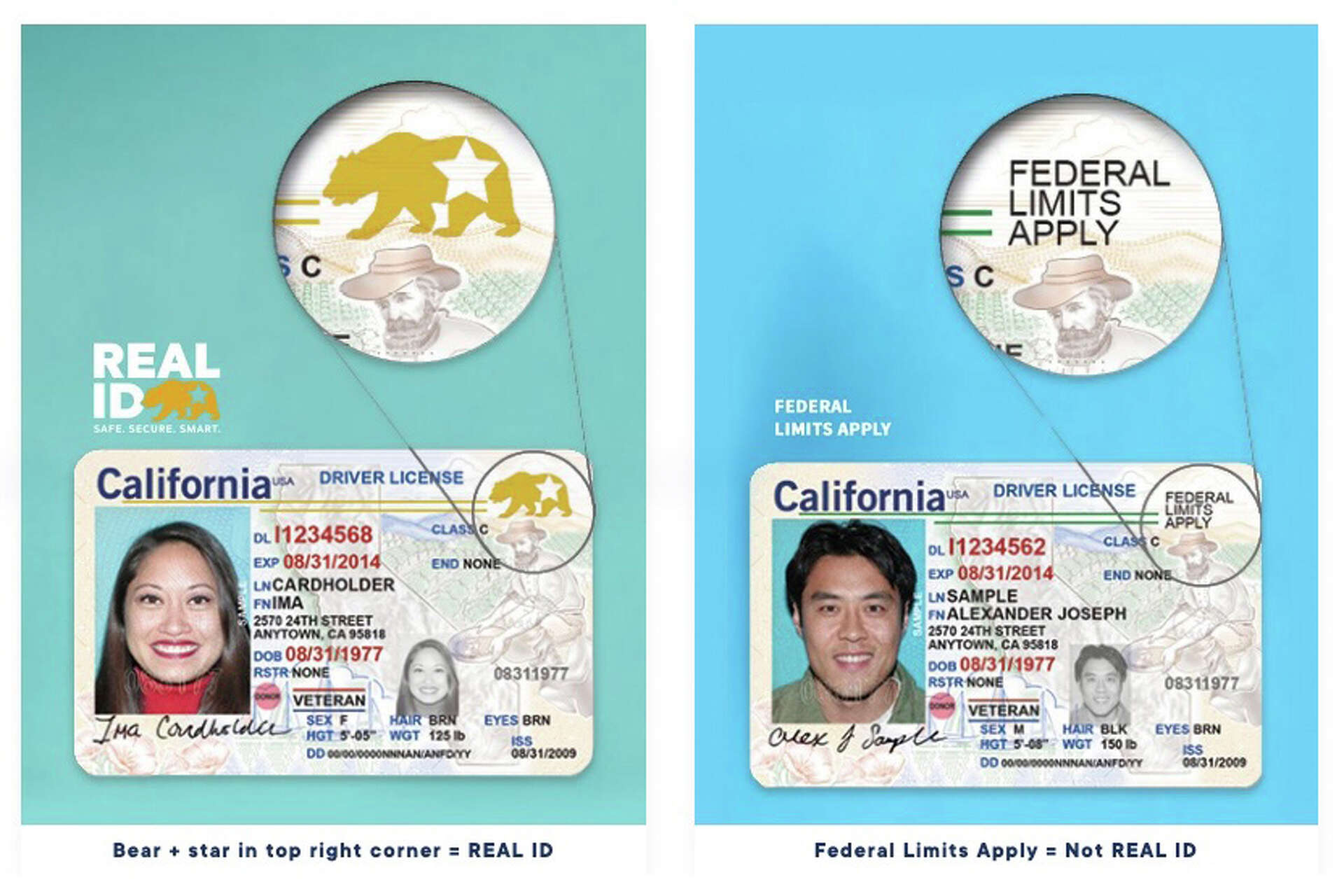
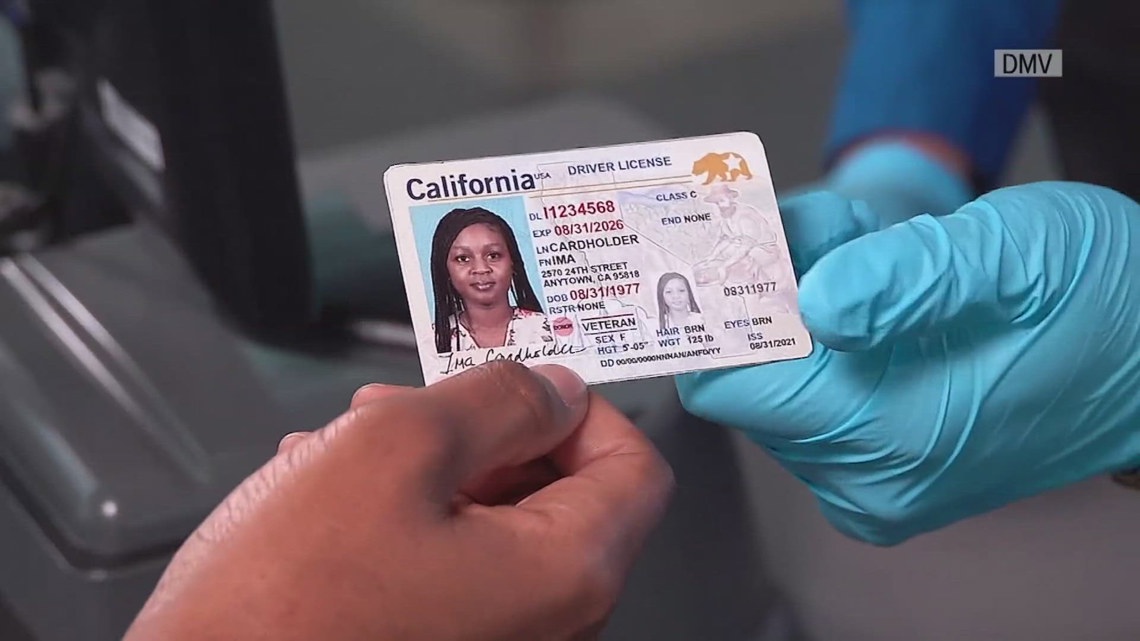
In California, this federal mandate translated into a distinct identification option. When you look at a California driver’s license or ID card, you can easily tell if it’s a Real ID or a standard card. A Real ID compliant card is marked with a golden bear and a white star in the upper right-hand corner. This small symbol signifies that the card meets the federal security standards set by the DHS.
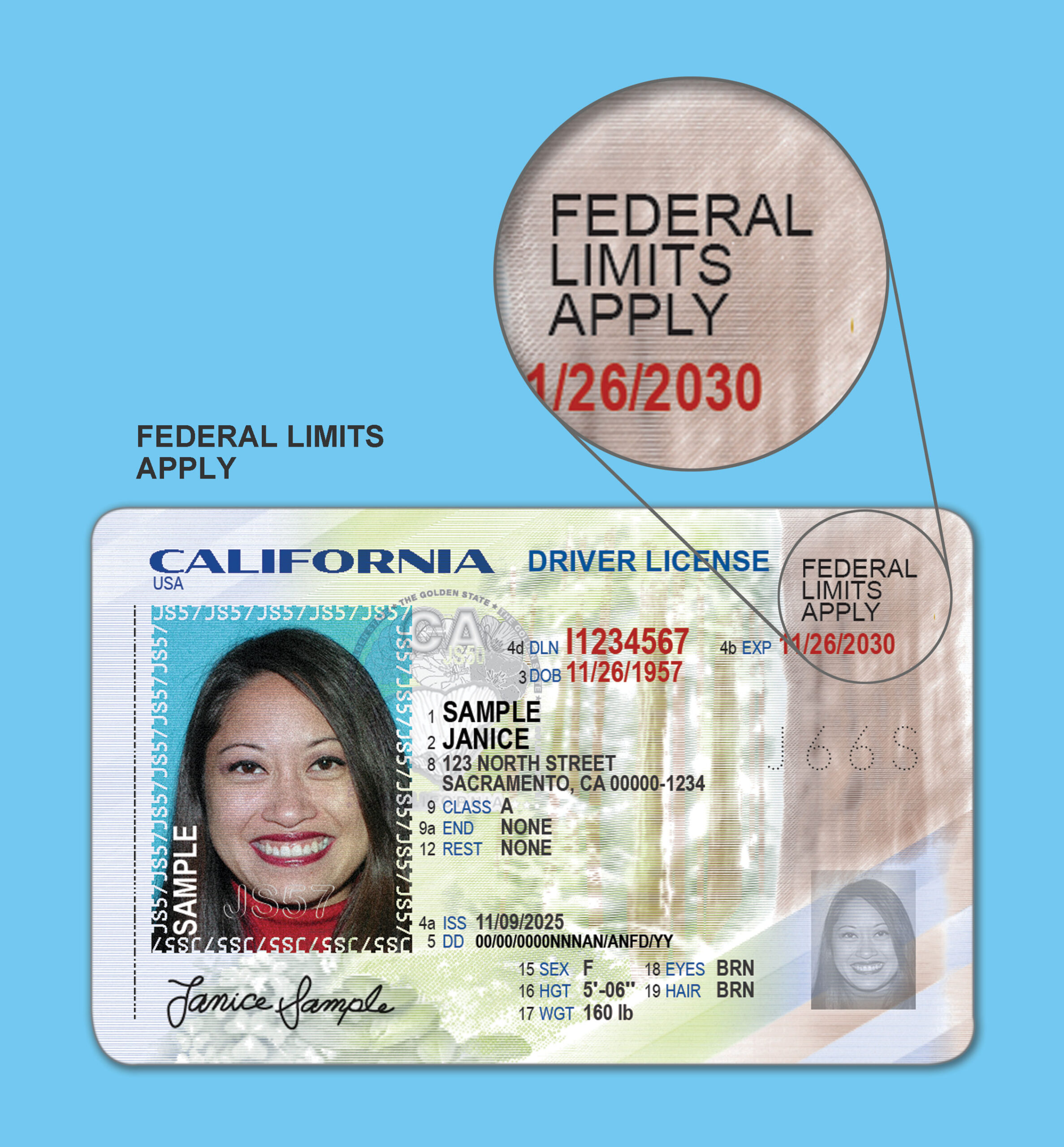
Conversely, a standard California driver’s license or ID card, often referred to as a “federal non-compliant” card, will have the words “FEDERAL LIMITS APPLY” printed in the upper right-hand corner. While both types of cards allow you to legally drive in California and serve as proof of identity for many common purposes like voting, age verification, or renting a vehicle, their federal acceptance differs significantly. The standard card is perfectly adequate for most day-to-day interactions within the state, but it will not be accepted for boarding domestic flights or entering secure federal facilities after the enforcement deadline. Understanding this distinction is vital for anyone planning to travel or interact with federal agencies.
The Real ID and Its Impact on Travel
For anyone seeking to explore destinations, partake in unique experiences, or simply visit family across the United States, the Real ID has profound implications for travel, particularly for air travel.
Navigating Domestic Air Travel
The primary driver for many California residents to obtain a Real ID is its necessity for domestic air travel. After the enforcement deadline of May 7, 2025, if you are 18 years of age or older, a Real ID compliant driver’s license or identification card will be required to board federally regulated commercial flights within the United States. This means that travelers flying from major California hubs like Los Angeles International Airport, San Francisco International Airport, or San Diego International Airport will need this specific form of ID or an acceptable alternative.
The impact on frequent travelers, vacationers, and business travelers is substantial. Without a Real ID, individuals will need to present an alternative form of identification accepted by the TSA. These alternatives include a valid U.S. passport, a passport card, a military ID, or other federally recognized IDs. For those who do not possess a passport or prefer not to carry it for domestic trips, the Real ID becomes the most convenient and straightforward option for airport security checkpoints. Proactively obtaining a Real ID can save significant stress and potential delays at the airport, ensuring a smoother start to your journey, whether it’s a family trip to Disneyland or a business conference in New York City.
Beyond the Airport: Federal Facilities and Tourist Attractions
While domestic air travel is the most common reason to obtain a Real ID, its utility extends to accessing secure federal facilities. This encompasses military bases, federal courthouses, and certain restricted government buildings across the United States. For most tourists, this might not seem immediately relevant, as many popular federal landmarks, like national parks such as Yosemite National Park or Grand Canyon National Park, generally do not require a Real ID for entry into the park itself, though some visitor centers or specific federal offices within them might.
However, for individuals with reasons to visit places like the Presidio of San Francisco (a former military post and current national park site with federal offices) or specific federal administrative buildings within cities like Los Angeles or Sacramento, a Real ID or an approved alternative will be necessary. For instance, if you were to book a unique experience that involves a tour of a historical federal building, or if you had a business meeting in a federal office, presenting a Real ID would ensure hassle-free entry. It’s an identification that grants broader access and security clearance, an important consideration for a well-rounded lifestyle that might occasionally intersect with federal operations.
Obtaining a Real ID in California: A Traveler’s Guide
The process of acquiring a California Real ID is designed to be straightforward, though it requires careful attention to documentation. Understanding the steps can save time and frustration, particularly for busy travelers.
The Application Process and Required Documents
To obtain a Real ID in California, you must apply in person at a California Department of Motor Vehicles (DMV) office. The key to a smooth application is gathering all necessary documents beforehand. The DMV requires several types of documents to verify your identity, residency, and Social Security number, ensuring compliance with federal standards.
Here’s a breakdown of the essential documents you’ll need:
- Proof of Identity: You must provide one document proving your identity. Acceptable documents include an original or certified copy of a U.S. birth certificate, a valid U.S. passport or passport card, a foreign passport with a valid U.S. visa and I-94 form, or a permanent resident card.
- Proof of Social Security Number (SSN): You’ll need one document demonstrating your SSN. This could be your Social Security card, a W-2 form, a SSA-1099 form, a non-SSA-1099 form, or a pay stub with your name and SSN.
- Proof of California Residency: Two different documents are required to prove your residency in California. Examples include utility bills (gas, electric, water), a rental or lease agreement, a mortgage statement, an insurance policy, or a bank statement. Each document must show your name and current mailing address.
- Proof of Name Change (if applicable): If the name on your identity document differs from your current legal name, you must provide documents proving the legal name change. This could include a marriage certificate, a divorce decree, or a court-ordered name change document.
It is highly recommended to start your application online on the California DMV website before visiting an office. This pre-application process allows you to fill out forms and upload some documents, streamlining your in-person visit.
Tips for a Smooth DMV Experience
While a visit to the DMV can sometimes be associated with long waits, there are several strategies to make the Real ID application process as smooth and efficient as possible, especially for those with busy travel schedules.
- Schedule an Appointment Online: This is perhaps the most crucial tip. The California DMV website allows you to schedule appointments for Real ID applications. Doing so significantly reduces wait times, ensuring you are seen promptly. Without an appointment, you risk considerable delays, which can impact your travel planning.
- Gather All Documents in Advance: Use the DMV’s online checklist to double-check that you have every required document. Missing even one item will mean you cannot complete your application and will have to return, wasting precious time.
- Complete the Online Application: As mentioned, initiating your application online on the DMV website before your visit can save time during your in-person appointment. This pre-fills many fields and can sometimes alert you to missing information.
- What to Expect at the Office: During your appointment, a DMV representative will review your documents, verify your identity, and take your photograph. You’ll also be required to complete a vision test. Upon successful completion, you will be issued a temporary paper Real ID, which is valid immediately for driving. Your permanent Real ID card will be mailed to you within a few weeks.
- Cost: The fee for a Real ID in California is the same as for a standard driver’s license or identification card, making it an accessible option for all residents.
By following these tips, you can transform a potentially time-consuming administrative task into a quick and efficient step towards more secure and convenient travel.
Real ID and Its Connection to Tourism & Accommodation
Beyond the immediate requirements for air travel, the Real ID subtly but significantly enhances a range of experiences related to tourism, accommodation, and lifestyle, aligning perfectly with the ethos of hassle-free exploration.
Seamless Travel Experiences and Accommodation Bookings
While a standard driver’s license or another government-issued photo ID is typically sufficient for checking into hotels, booking car rentals, or verifying identity for various services, possessing a Real ID streamlines these interactions. For travelers arriving in vibrant California cities like Los Angeles, San Francisco, or San Diego, the Real ID offers an undeniable layer of confidence and ease. When you check into a luxurious suite at a Beverly Hills hotel, board a domestic cruise from Long Beach, or rent a car to explore the scenic Pacific Coast Highway, presenting a federally compliant ID removes any potential ambiguity or extra scrutiny, ensuring a smooth process.
For international visitors to California or U.S. citizens traveling abroad, a U.S. passport remains the definitive document. However, for those navigating domestic travel within the United States, the Real ID acts as a powerful and universally recognized form of identification that signifies adherence to the highest security standards. This can be particularly reassuring when dealing with various aspects of travel and accommodation, from purchasing tickets for attractions to picking up rental equipment for outdoor activities.
Beyond the Basics: Lifestyle and Luxury Travel Implications
The implications of a Real ID extend beyond mere compliance; they touch upon the very quality of your travel and lifestyle experiences. For the luxury traveler, convenience is often as important as the destination itself. A Real ID significantly streamlines the airport security process, potentially minimizing wait times and allowing more time to enjoy airport lounges, fine dining, or duty-free shopping before a flight. This efficiency aligns perfectly with a lifestyle that values seamless transitions and premium experiences.
Business travelers, who often operate on tight schedules, also benefit immensely from the assurance of a Real ID. It minimizes the risk of unforeseen delays at security checkpoints, ensuring punctual arrivals for critical meetings and conferences in major business hubs. Furthermore, for families embarking on vacation, ensuring all adult members possess compliant identification reduces pre-travel stress and contributes to a more relaxed and enjoyable journey. From attending high-profile events in Hollywood to exploring wine country in Napa Valley, a Real ID offers peace of mind, knowing that your identification is robust and widely accepted, facilitating access to venues that might require stringent verification. It’s an essential component of a prepared and sophisticated approach to a life filled with exploration and adventure.
Conclusion
The Real ID in California is far more than just another piece of plastic; it’s a crucial document for modern travel and daily life, particularly for those who frequently explore new horizons. Born out of a necessity for enhanced security following the September 11 attacks, the Real ID Act has reshaped how identity is verified for federal purposes. For residents of California, obtaining a Real ID compliant driver’s license or identification card is a strategic choice that ensures seamless domestic air travel and straightforward access to federal facilities after the May 7, 2025, enforcement deadline.
While alternative forms of ID like a U.S. passport remain valid, the Real ID offers a convenient, state-issued option for those who prioritize ease and efficiency in their travels. Its distinct golden bear and star symbol signify a commitment to security standards that benefit every traveler. From navigating the bustling airports of Los Angeles and San Francisco to checking into your chosen accommodation or attending events, the Real ID simplifies identification processes, allowing you to focus on the experiences that matter most.
Embracing a life out of the box means being prepared for adventures, and the California Real ID is an integral part of that preparation. It represents not just compliance, but a step towards more secure, convenient, and enjoyable journeys, whether across the state or the nation.
LifeOutOfTheBox is a participant in the Amazon Services LLC Associates Program, an affiliate advertising program designed to provide a means for sites to earn advertising fees by advertising and linking to Amazon.com. Amazon, the Amazon logo, AmazonSupply, and the AmazonSupply logo are trademarks of Amazon.com, Inc. or its affiliates. As an Amazon Associate we earn affiliate commissions from qualifying purchases.