
For travelers planning an unforgettable trip to the picturesque state of Colorado, understanding local time practices is crucial for seamless itinerary planning and maximizing every moment of exploration. One common question that arises, particularly for those coming from different regions or countries, is whether Colorado observes Daylight Saving Time (DST). The straightforward answer is yes, Colorado does observe Daylight Saving Time.
This means that visitors arriving in Colorado during the warmer months will experience longer daylight hours in the evenings, while those visiting in late autumn and winter will find the clocks have “fallen back,” resulting in earlier sunsets. For a tourism-centric state like Colorado, where outdoor adventures, scenic drives, and vibrant city experiences are paramount, these seasonal shifts in daylight can significantly influence travel plans, activity scheduling, and overall enjoyment. This comprehensive guide will delve into the specifics of DST in Colorado, its implications for tourists, and practical tips for navigating your visit with time changes in mind.
Understanding Daylight Saving Time in Colorado
Daylight Saving Time is a practice observed by many regions globally, including a majority of states in the United States. Its primary aim is to make better use of daylight by advancing clocks one hour during spring and summer, pushing sunset times later into the evening, and then reverting to standard time in the fall.
The Current Status: Yes, Colorado Observes DST
As of current regulations, Colorado actively participates in Daylight Saving Time. This means that twice a year, residents and visitors alike must adjust their clocks. For tourists, this knowledge is not merely a local quirk but a fundamental piece of information that will shape their entire experience, from booking tours to planning dinner reservations after a day on the slopes or hiking trails. Ignoring the time change could lead to missed appointments, confusion, and a less-than-optimal vacation. Unlike Arizona and Hawaii, which largely do not observe DST, Colorado follows the common pattern, aligning its clocks with many other popular travel destinations across the nation.
When the Clocks Change: Spring Forward, Fall Back
The mechanism of Daylight Saving Time is consistent across observing regions. In Colorado:
- Spring Forward: On the second Sunday in March, clocks are advanced by one hour at 2:00 AM local time. This results in the loss of an hour of sleep but ushers in longer daylight evenings, a welcome change for many planning outdoor activities.
- Fall Back: On the first Sunday in November, clocks are moved back by one hour at 2:00 AM local time. This “gains” an hour back, bringing earlier sunrises and sunsets, signaling the transition to winter’s shorter days.
These dates are crucial for travelers to note, especially if their trip dates straddle a time change. A flight arrival or a scheduled tour time could be misinterpreted if not accounting for the shift, leading to unnecessary stress and logistical challenges. Most modern devices like smartphones and computers automatically update, but travelers should still be mindful, especially if relying on analog clocks or specific itineraries.
Colorado’s Time Zone: Mountain Time and its DST Shift
Colorado operates within the Mountain Time Zone (MT). During standard time, it is officially Mountain Standard Time (MST), which is UTC-7. When Daylight Saving Time is in effect, the state switches to Mountain Daylight Time (MDT), becoming UTC-6. This distinction is vital for anyone coordinating plans across different time zones, such as communicating with family back home or attending virtual meetings for work while on vacation. Understanding this shift ensures accurate timing for all activities and communications, making your Colorado visit as smooth as possible.
Why DST Matters for Your Colorado Tourism Experience
For a state renowned for its outdoor activities, vibrant cities, and stunning natural beauty, the observance of Daylight Saving Time has tangible effects on a tourist’s experience. It’s not just about changing a clock; it’s about altering the rhythm of the day and influencing how visitors engage with the local environment.
Maximizing Daylight for Outdoor Adventures
Colorado is a paradise for outdoor enthusiasts, offering everything from world-class ski resorts like Vail and Breckenridge to countless hiking trails in the Rocky Mountains and unique geological formations in places like Great Sand Dunes National Park. During Daylight Saving Time, the extended daylight hours in the evening are a significant boon for visitors.
Imagine finishing a long day of hiking near Aspen or exploring Mesa Verde National Park and still having ample sunlight to enjoy an outdoor patio dinner, take a leisurely stroll, or capture breathtaking sunset photos. This extra hour of evening light allows for more flexibility, enabling tourists to fit more activities into their day without feeling rushed by an early dusk. It encourages longer exploration of Denver’s neighborhoods or continued scenic drives through the Grand Mesa National Forest, enhancing the overall value of their trip.
Impact on Scheduling Tours, Activities, and Dining
The time change also directly impacts the operating hours and scheduling of tourism-related businesses. Tour operators, museums, theme parks, and even restaurants adjust their schedules to align with the perceived length of the day. During DST, attractions may offer later closing times, and guided tours or adventure activities might run later into the evening, providing more options for visitors.
Conversely, during standard time (winter months), attractions may close earlier, and sunset-dependent activities will shift to earlier slots. Tourists need to be aware of these changes when making reservations or planning their day-to-day itinerary. Always confirm operating hours directly with providers, especially if traveling during the shoulder seasons (March/April or October/November) when time changes occur. Misjudging the time can lead to missed bookings, closed attractions, or arriving after a kitchen has stopped serving.
Adjusting to the Time Shift: Practical Tips for Travelers
For visitors arriving from different time zones, the “spring forward” in March can feel like a mini-jet lag, as an hour is “lost.” Conversely, “falling back” in November can sometimes disrupt sleep patterns.
To mitigate these effects and ensure a smooth transition:
- Adjust Gradually: If possible, try to shift your sleep schedule by 15-30 minutes each day in the days leading up to the time change.
- Stay Hydrated: Dehydration can exacerbate feelings of fatigue.
- Expose Yourself to Natural Light: Getting sunlight exposure, particularly in the morning, helps regulate your body’s internal clock.
- Plan Buffer Time: Don’t schedule critical appointments or strenuous activities immediately after the time change. Give yourself an extra hour or two to adjust.
- Utilize Technology: Rely on your smartphone, which automatically updates time, but always double-check against a reliable source.
For those flying into Colorado from time zones that do not observe DST, or are on a significantly different schedule, understanding the Mountain Time Zone and its DST offset is crucial for avoiding confusion and ensuring punctuality.
The Broader Debate and Potential Future Changes
The discussion around Daylight Saving Time is a perennial one, with ongoing debates at both state and federal levels in the United States. Colorado is not immune to this conversation, and potential legislative changes could significantly reshape the tourism landscape for future visitors.
The National Conversation on DST Permanence
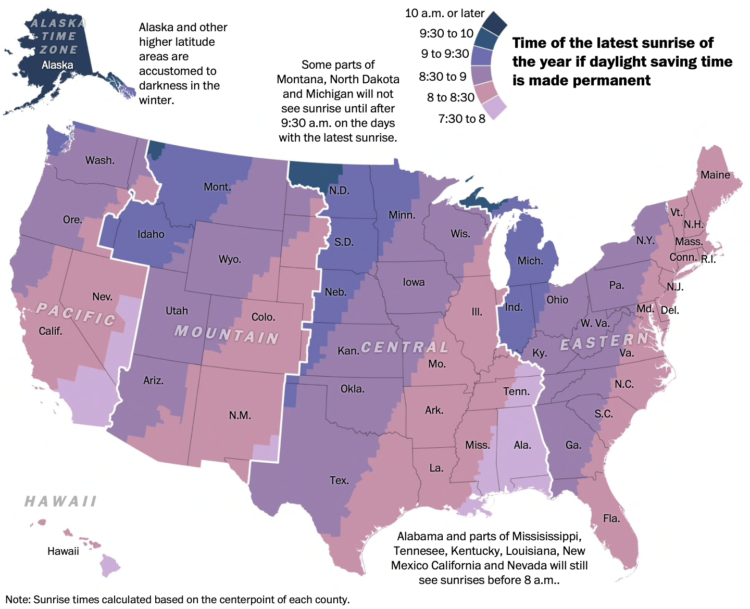
While Colorado currently observes Daylight Saving Time, there have been legislative efforts, both within the state and nationally, to either make DST permanent year-round or revert to permanent standard time. Proponents of permanent DST often cite benefits such as increased evening daylight for outdoor recreation, reduced energy consumption (though this is debated), and potential boosts to businesses that thrive on evening activities. Others argue for permanent standard time, emphasizing the health benefits of consistent sleep schedules and aligning with natural light cycles.
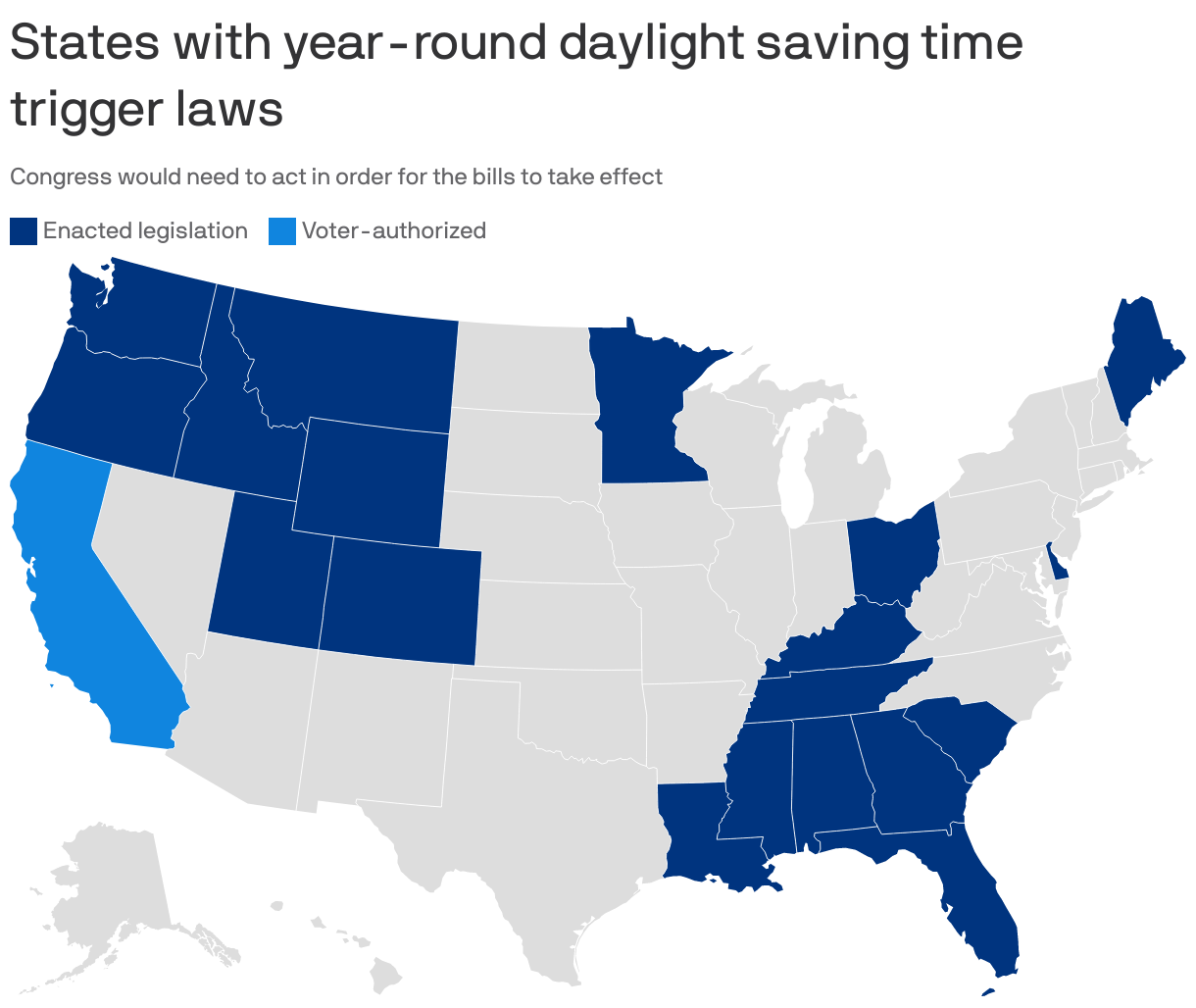
Several states have passed legislation to make Daylight Saving Time permanent, but these changes typically require approval from the federal government, which has yet to grant such widespread permission. The Sunshine Protection Act has been introduced in Congress to make DST permanent nationwide, indicating the strong interest in resolving the biannual time change.
What a Permanent Standard Time or DST Could Mean for Tourism in Colorado
Any change to Colorado’s current DST practice would have substantial implications for the tourism sector.
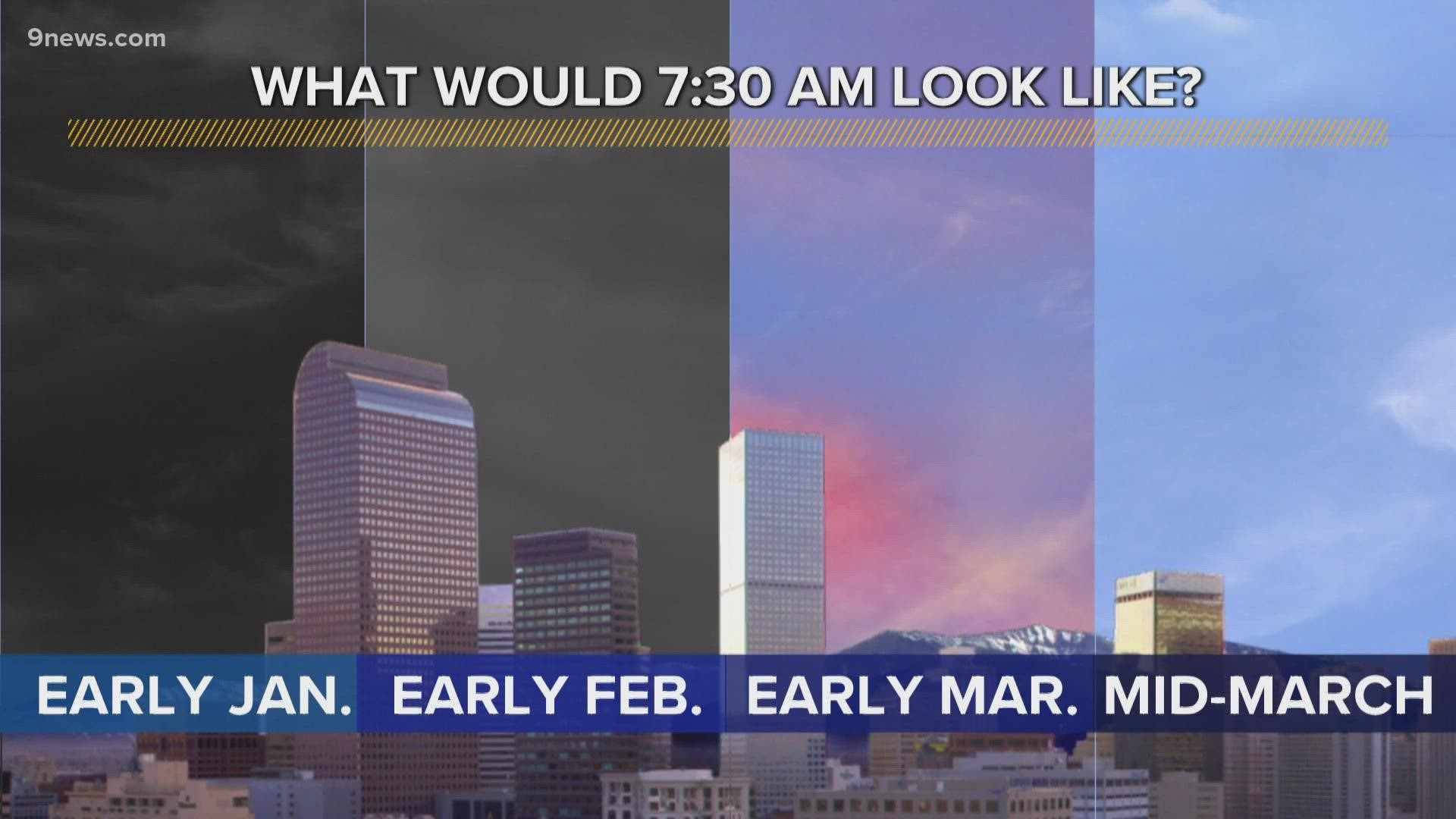
- Permanent Daylight Saving Time: If DST were made permanent, Colorado would experience longer daylight evenings year-round. This could be a significant draw for winter tourism, allowing for extended hours on the slopes or more time for apres-ski activities in towns like Durango and Telluride. Summer outdoor activities would also benefit from even longer, consistent evening light. This consistency could simplify planning for international visitors who often find the time changes confusing.
- Permanent Standard Time: Conversely, a move to permanent standard time would mean earlier sunsets year-round. While this might be less disruptive for sleep patterns, it could limit the appeal of late afternoon and evening outdoor activities, particularly in winter. Ski resorts and other attractions might need to adjust their operating hours significantly, potentially impacting the overall visitor experience and requiring tourists to start their days earlier.
For now, Colorado continues to observe Daylight Saving Time, meaning visitors should plan their trips with the understanding that clocks will spring forward in March and fall back in November. Staying informed about these potential legislative changes, however, is a good practice for any frequent traveler to the state.
Navigating Your Colorado Trip with DST in Mind
Effectively managing your time during a Colorado vacation means more than just knowing when the clocks change; it means strategically planning your activities to leverage the daylight (or lack thereof) and ensure a stress-free experience.
Planning Your Itinerary Around Sunlight Hours
When planning your Colorado tourism itinerary, always consider the season and the corresponding daylight hours.
- Spring/Summer (DST in effect): With extended daylight into the evenings, you can afford to start your day a little later or fit in more activities after your main excursions. This is ideal for leisurely drives, extended hikes, visiting multiple attractions in a day, and enjoying patio dining. Embrace the freedom of longer evenings for stargazing or simply relaxing outdoors.
- Fall/Winter (Standard Time): Early sunsets mean you’ll want to prioritize your daylight activities. Plan your major outdoor adventures for the morning and early afternoon. If you’re skiing or snowboarding, consider starting when the lifts open to maximize time on the slopes. Evening activities might shift indoors, focusing on museums, breweries, restaurants, or live performances in cities like Denver or Boulder. Always carry a headlamp if planning any late afternoon hikes that might extend into dusk.
Utilizing Technology for Seamless Time Management
Modern technology is your best friend when dealing with time changes. Most smartphones, smartwatches, and GPS devices automatically adjust to the local time zone and account for Daylight Saving Time.
- Trust Your Phone: Your mobile phone is usually the most reliable source for the correct local time.
- Set Reminders: Use your phone’s calendar and alarm features to set reminders for tours, reservations, and departure times, ensuring you don’t miss anything due to time confusion.
- Check Local Weather Apps: Many weather apps also display sunrise and sunset times, which can be invaluable for planning outdoor activities, especially during the shorter days of standard time.
- Download Offline Maps: While not directly related to time, having offline maps helps you navigate efficiently, ensuring you don’t waste precious daylight hours getting lost.
Embracing the Extra Hour of Daylight (or Adjusting to Less)
Ultimately, how you perceive and utilize the time changes can greatly impact your Colorado experience.
- Embrace the “Extra” Hour: During DST, the later sunsets can evoke a feeling of having more time, extending the vibrancy of the day. Use this to your advantage for spontaneous explorations, enjoying extended happy hours, or simply soaking in the evening ambiance of a Colorado town.
- Adjust to Earlier Sunsets: During standard time, recognize that your window for daylight outdoor activities is shorter. Prioritize what you want to do and start earlier. This can also be an opportunity to enjoy the unique charm of winter evenings, such as cozying up by a fireplace, experiencing holiday light displays, or enjoying a warming meal.
Being aware of Daylight Saving Time in Colorado is a fundamental travel tip that contributes significantly to a well-planned and enjoyable vacation.
In conclusion, for anyone wondering “Does Colorado have Daylight Savings?”, the answer is a resounding yes. Colorado observes Daylight Saving Time, shifting its clocks forward in March and back in November, operating in the Mountain Time Zone. This knowledge is more than a trivial detail; it’s a practical cornerstone for planning a successful tourism experience in the Centennial State. By understanding these time changes and adapting your itinerary accordingly, you can fully embrace all the beauty and adventure Colorado has to offer, from extended summer evenings in the Rocky Mountains to cozy winter activities in Denver. Stay informed, plan wisely, and prepare for an unforgettable Colorado adventure, perfectly synchronized with local time.
LifeOutOfTheBox is a participant in the Amazon Services LLC Associates Program, an affiliate advertising program designed to provide a means for sites to earn advertising fees by advertising and linking to Amazon.com. Amazon, the Amazon logo, AmazonSupply, and the AmazonSupply logo are trademarks of Amazon.com, Inc. or its affiliates. As an Amazon Associate we earn affiliate commissions from qualifying purchases.