
The rugged, captivating landscapes of [Colorado] beckon adventurers and nature enthusiasts from around the globe, promising unparalleled outdoor experiences and breathtaking wildlife encounters. From the soaring peaks of the [Rocky Mountains] to vast national forests and plains, the state is a sanctuary for a remarkable array of fauna. However, a common question arises among those planning a trip, particularly wildlife photographers and avid hikers: “Does [Colorado] have grizzly bears?” It’s a query often fueled by the iconic image of this majestic apex predator roaming wild, yet the answer, nuanced as it might be, holds significant implications for understanding the state’s ecological history and current wildlife landscape.
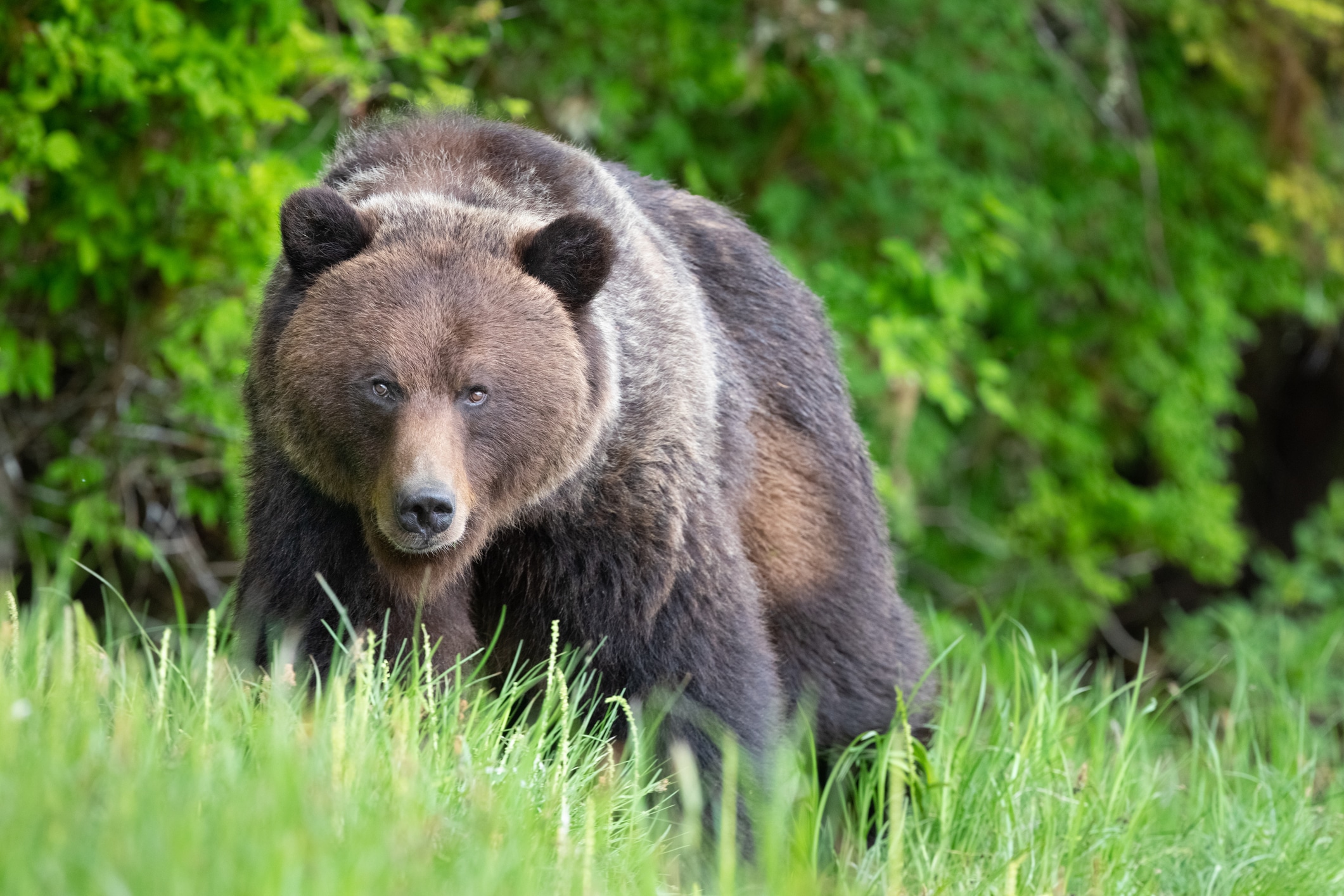
While the thought of encountering a grizzly might add an extra thrill (or trepidation) to a wilderness expedition, the definitive answer for [Colorado] today is no, not in the wild. Grizzly bears, once a powerful presence across much of the [Western United States], including [Colorado]’s high country, have been extirpated from the state. This means that while they historically roamed these lands, there are no established, breeding populations of grizzlies in [Colorado] in the modern era. This article will delve into the fascinating history of grizzlies in [Colorado], clarify their current status, introduce you to the state’s true ursine residents—the black bear—and highlight the diverse and thriving wildlife that continues to make [Colorado] a premier destination for nature lovers.
The Historical Presence and Current Status of Grizzly Bears in Colorado
The narrative of grizzly bears in [Colorado] is a poignant tale of magnificent creatures whose reign was ultimately cut short by human expansion and activity. Understanding this history is crucial to appreciating the state’s current ecological balance.
A Legacy of Grizzlies in the Rocky Mountains
For millennia, grizzly bears (Ursus arctos horribilis) were an integral part of the North American wilderness, their range extending from the Pacific coast deep into the continent, including the vast expanses of the [Rocky Mountains]. In [Colorado], these powerful omnivores thrived in the diverse ecosystems, from the alpine tundra to dense forests and river valleys. As apex predators, they played a vital role in maintaining the health and balance of these ecosystems, influencing everything from deer populations to the distribution of seeds. Early explorers and settlers documented their presence, often with a mix of awe and fear, recognizing them as an undeniable force of nature within the rugged terrain. Their immense size, formidable claws, and distinct shoulder hump made them unmistakable symbols of wild America.
The Vanishing Act: Extirpation from Colorado
The 19th and early 20th centuries brought dramatic changes to the American West, and with them, the rapid decline of grizzly bear populations. As human settlements expanded, agriculture grew, and livestock grazing became widespread, the conflict between humans and grizzlies escalated. Grizzlies, often seen as a threat to cattle and a dangerous impediment to westward expansion, were aggressively hunted, trapped, and poisoned. Their habitat was fragmented and destroyed. This relentless persecution, combined with a slow reproductive rate and large habitat requirements, led to the systematic extirpation of grizzlies from much of their historical range.
In [Colorado], the last confirmed grizzly bear was famously killed in 1979 in the [San Juan Mountains], bringing a definitive end to their known presence in the state. This individual, an old female, was discovered by a bow hunter and, after a defensive attack, was killed. Subsequent investigations confirmed it was indeed a grizzly, marking a somber milestone. Since then, official wildlife agencies like [Colorado] Parks and Wildlife have maintained that [Colorado] is grizzly-free, asserting that there is no evidence of a breeding population or even transient individuals.
The Debate: Are There Still Unseen Grizzlies?
Despite the official stance, whispers and rumors of grizzly sightings occasionally surface in [Colorado]’s remote wilderness areas. Hikers report seeing unusually large bears or bears exhibiting grizzly-like characteristics. These reports, while intriguing, have consistently lacked the verifiable evidence — such as clear photographs, DNA samples, or tracks — necessary to confirm the presence of a grizzly bear. Wildlife experts emphasize the difficulty of distinguishing between a large, light-colored black bear and a grizzly without clear identifying features, and the powerful human desire to believe in the persistence of such an iconic creature.
The challenges of reintroducing grizzlies into [Colorado] are immense. They require vast, contiguous wilderness areas with minimal human disturbance, abundant food sources, and public acceptance—factors that are increasingly difficult to secure in a state with a rapidly growing human population and extensive outdoor recreation. While some conservation groups advocate for potential reintroduction, the ecological, social, and political hurdles are substantial, making it a complex and distant prospect.
Black Bears: Colorado’s True Ursine Residents
While grizzlies are a part of [Colorado]’s past, American black bears (Ursus americanus) are very much a part of its vibrant present. These intelligent and adaptable omnivores are the only species of bear found in the state and are a significant part of the wildlife experience for visitors.
Distinguishing Features: Grizzly vs. Black Bear
For travelers venturing into [Colorado]’s wilderness, understanding the difference between a black bear and a grizzly bear is crucial for identification and safety, especially since black bears can display a wide range of colors.
- Size and Build: Grizzlies are generally larger and more powerfully built than black bears, often weighing significantly more. They possess a distinctive and prominent shoulder hump, which is a mass of muscle used for digging. Black bears lack this hump; their back slopes relatively smoothly from the shoulders.
- Facial Profile: Grizzlies typically have a concave or “dished” facial profile, with a prominent snout and smaller, rounder ears in proportion to their head. Black bears have a straighter facial profile and larger, more pointed ears.
- Claws: Grizzly claws are long, curved, and light-colored, built for digging up roots and prey. Black bear claws are shorter, darker, and more sharply curved, adapted for climbing trees.
- Color: This is perhaps the most misleading differentiator. While many people assume black bears are exclusively black, they come in a stunning variety of colors, including cinnamon, brown, blonde, and even reddish-brown, especially in [Colorado]. Therefore, color alone is never a reliable indicator for distinguishing between species. Always look for the physical characteristics like the shoulder hump, facial profile, and claw length.
Where to Find Black Bears in Colorado
Black bears are common throughout [Colorado]’s forested and mountainous regions, adapting to a wide range of habitats from elevations of 5,500 feet up to the treeline. They are particularly prevalent in areas with abundant natural food sources, such as berries, nuts, acorns, and insects.
Popular destinations where you might encounter black bears include:
- [Rocky Mountain National Park]: Though historically a grizzly habitat, it’s now a prime location for black bears, especially in its forested valleys and meadows.
- [San Juan National Forest]: The vast wilderness of southwestern [Colorado] provides ample habitat.
- [Great Sand Dunes National Park]: Even the unique ecosystem surrounding the dunes supports a bear population.
- Other national forests like [White River National Forest], and state parks.
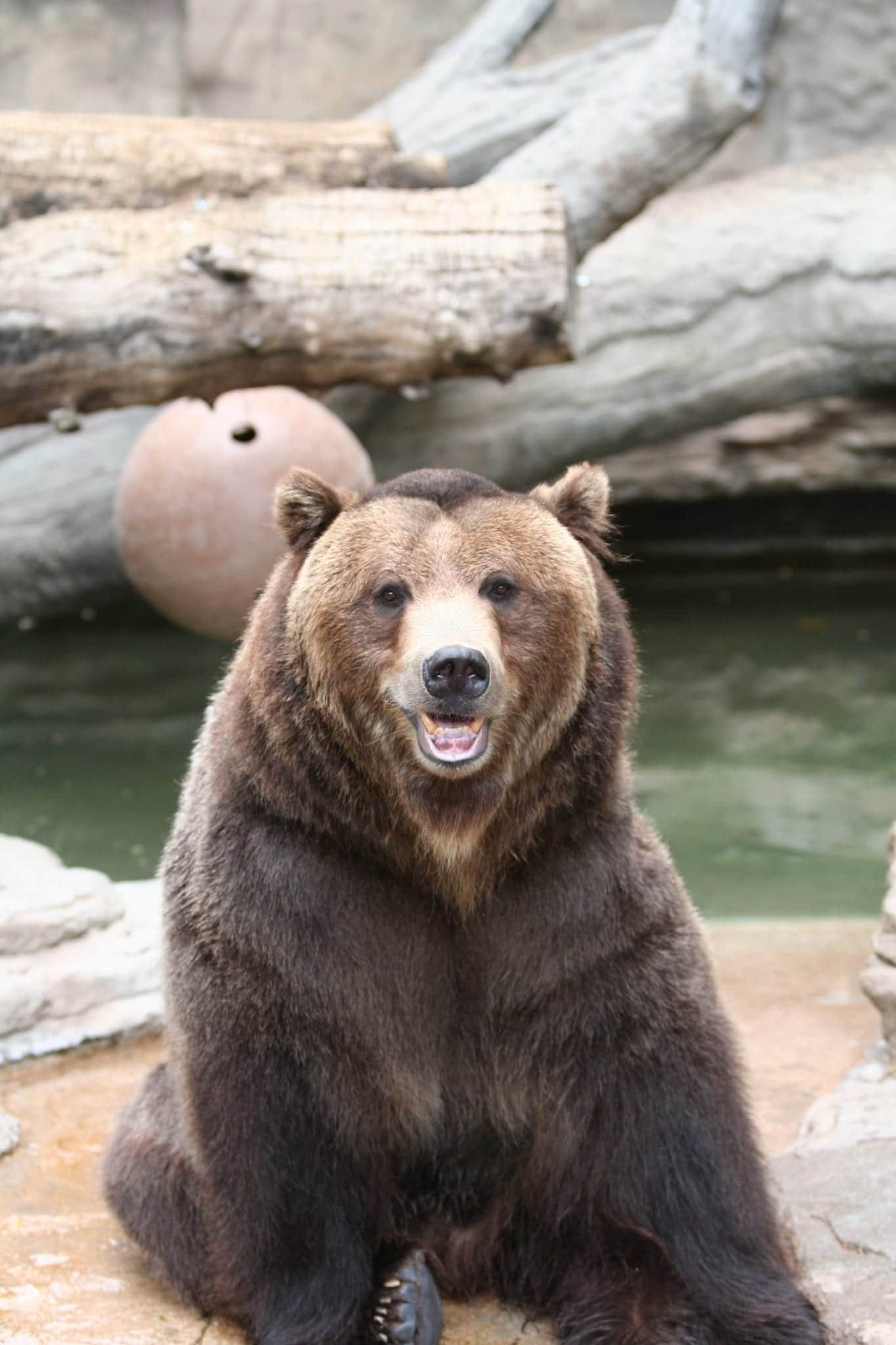
Black bears are most active during dawn and dusk, though they can be seen at any time. They are generally shy and reclusive, preferring to avoid human contact.
Responsible Bear Viewing and Safety
Coexisting with black bears requires adherence to “Bear Aware” principles, ensuring both human safety and the bears’ well-being.
- Store Food Properly: Never leave food, scented items (like toiletries), or trash unattended, especially when camping. Use bear-resistant containers, food lockers, or hang food from a tree.
- Keep a Clean Camp: Clean up all food scraps and spills immediately.
- Never Feed Bears: This habituates them to humans, leading to dangerous encounters and often resulting in the bear being euthanized.
- Make Noise on Trails: Especially in dense vegetation, announcing your presence can prevent surprising a bear.
- Carry Bear Spray: While primarily designed for grizzlies, bear spray can be effective against aggressive black bears. Learn how to use it properly.
- If You See a Bear: Maintain a safe distance. If a bear notices you, talk calmly, make yourself look large, and slowly back away. Never run, as this can trigger a chase instinct. If a black bear attacks, fight back vigorously.
Beyond Bears: Colorado’s Rich Wildlife Tapestry
While grizzly bears may be absent, [Colorado] remains a wildlife enthusiast’s paradise, boasting an incredible diversity of species that thrive in its varied ecosystems. A trip to [Colorado] offers numerous opportunities for awe-inspiring encounters with iconic North American animals.
Majestic Mammals of the Rockies
[Colorado]’s mountains and forests are home to a spectacular array of large mammals, making wildlife viewing a highlight for many visitors:- [Elk]: Perhaps [Colorado]’s most famous mammal, vast herds of [Elk] can be seen, especially during the fall rut when their bugling echoes through the valleys of places like [Rocky Mountain National Park].
- [Moose]: Once rare, [Moose] populations have rebounded and expanded, particularly in [North Park] and parts of the [Rocky Mountains]. Their sheer size and distinctive antlers make for memorable sightings.
- [Mule Deer]: Common throughout the state, [Mule Deer] are easily recognized by their large ears and unique bounding gait.
- [Bighorn Sheep]: [Colorado]’s state animal, [Bighorn Sheep] are often found on steep, rocky slopes at high elevations. Their impressive curling horns are a sight to behold.
- Predators: Beyond bears, [Colorado] is home to stealthy predators like [Mountain Lions], [Bobcats], and [Coyotes]. While sightings are less common due to their elusive nature, their presence speaks to a healthy ecosystem.
Avian Wonders and Aquatic Life
The skies and waters of [Colorado] are equally vibrant. Birdwatchers can delight in species ranging from majestic [Bald Eagles] and [Golden Eagles] soaring above canyons to colorful hummingbirds flitting through mountain meadows. The state’s rivers and high-altitude lakes teem with various fish species, attracting anglers seeking trout and other cold-water species. Observing waterfowl, raptors, and songbirds adds another layer to the state’s rich biodiversity.
Prime Wildlife Viewing Destinations
To maximize your chances of incredible wildlife encounters, consider visiting these prime locations:
- [Rocky Mountain National Park]: An absolute must-visit for [Elk], [Mule Deer], [Moose], and [Bighorn Sheep]. Early mornings and late evenings are best.
- [Great Sand Dunes National Park]: Surprisingly, the surrounding forests and wetlands here support a diverse array of wildlife, including [Elk] and black bears.
- [Mesa Verde National Park]: While famous for its ancient cliff dwellings, the park’s natural environment is also home to abundant wildlife, including [Mule Deer], [Elk], and various bird species.
- National Forests: Expansive areas like [San Juan National Forest] and [White River National Forest] offer wild, less-trafficked opportunities for viewing a wide range of animals.
Always remember that patience, quiet observation, and respect for wildlife are key to rewarding viewing experiences.
Planning Your Colorado Wildlife Adventure
Embarking on a wildlife adventure in [Colorado] is an experience that promises wonder and connection with nature. Careful planning ensures both enjoyment and safety.
Essential Gear and Preparation
Being well-prepared is paramount for any wilderness excursion.
- Optics: A good pair of binoculars is indispensable for distant wildlife viewing, and a camera with a telephoto lens will capture those memorable moments.
- Clothing: Layered clothing is crucial due to [Colorado]’s rapidly changing mountain weather. Waterproof and windproof outer layers are highly recommended.
- Footwear: Sturdy, broken-in hiking boots are essential for navigating varied terrain.
- Navigation: Carry maps, a compass, or a GPS device. Cell service can be unreliable in remote areas.
- Safety Gear: Always have water, snacks, a first-aid kit, and sun protection. Bear spray, while not for grizzlies here, is still recommended in black bear country.
Guided Tours vs. Self-Exploration
Both guided tours and self-exploration offer distinct advantages for wildlife viewing:
- Guided Tours: Professional wildlife guides possess extensive local knowledge, often knowing the best spots and times to find specific animals. They can offer valuable insights into animal behavior, ecology, and history, enriching your experience. Many tours also provide transportation and specialized equipment.
- Self-Exploration: For independent travelers, self-exploration offers flexibility and the thrill of discovery. It requires more personal research and preparation but allows you to set your own pace and itinerary. Always stick to marked trails and be aware of your surroundings.

Supporting Conservation Efforts
As a traveler, you have the opportunity to contribute positively to [Colorado]’s conservation efforts.
- Leave No Trace: Practice the seven principles of Leave No Trace to minimize your impact on the environment and wildlife. Pack out everything you pack in, stay on designated trails, and respect wildlife from a distance.
- Respect Wildlife: Never harass, approach, or feed wild animals. Their natural behavior is essential for their survival.
- Support Local Organizations: Consider donating to or volunteering with [Colorado] conservation groups that work to protect wildlife and their habitats. Your contributions help ensure that future generations can also enjoy [Colorado]’s natural treasures.
In conclusion, while the legendary grizzly bear no longer roams the wild spaces of [Colorado], the state offers an incredible and accessible wildlife experience. From the majestic black bear to enormous [Elk] and elusive [Mountain Lions], [Colorado]’s natural beauty is teeming with life. By understanding the state’s wildlife, practicing responsible viewing habits, and planning thoughtfully, visitors can immerse themselves in the unforgettable wild heart of the [Rocky Mountains].
LifeOutOfTheBox is a participant in the Amazon Services LLC Associates Program, an affiliate advertising program designed to provide a means for sites to earn advertising fees by advertising and linking to Amazon.com. Amazon, the Amazon logo, AmazonSupply, and the AmazonSupply logo are trademarks of Amazon.com, Inc. or its affiliates. As an Amazon Associate we earn affiliate commissions from qualifying purchases.