
Colorado, a state synonymous with majestic mountains and vibrant outdoor recreation, often sparks curiosity regarding its winter weather, especially as autumn transitions to the colder months. For prospective travelers and winter sports enthusiasts, a crucial question arises: Does it snow in Colorado in November? The unequivocal answer is yes, it absolutely does. November in Colorado typically heralds the arrival of significant snowfall, particularly in its higher elevations, marking the official commencement of the ski and snowboard season. However, the exact timing, intensity, and location of snowfall can vary dramatically across the state’s diverse topography, influencing everything from travel plans to available activities. Understanding these nuances is key to planning an unforgettable early winter adventure in the Centennial State.
The November Climate in Colorado: A Winter Preview
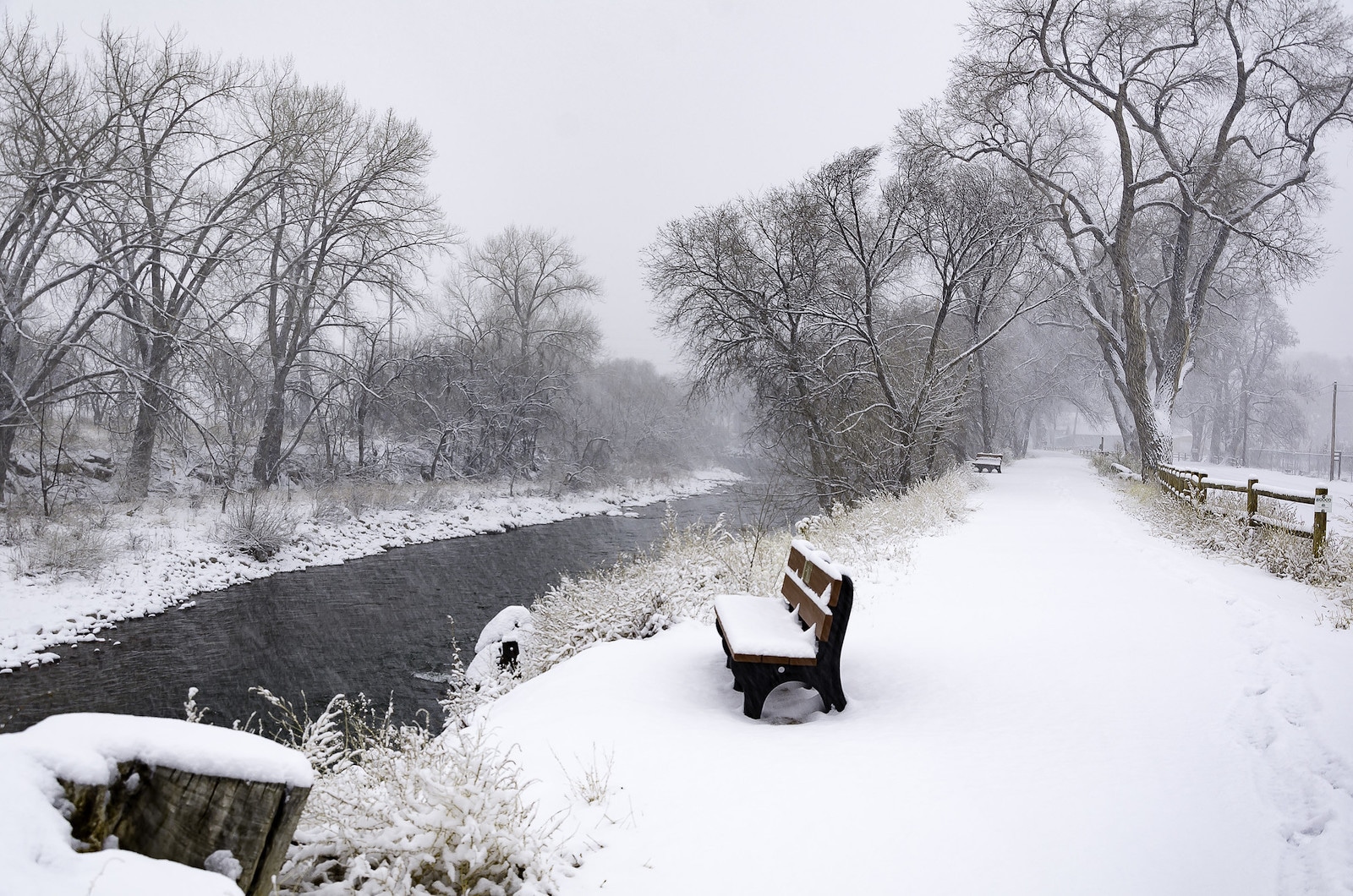
November in Colorado serves as a fascinating transitional month, where the last vestiges of autumn foliage give way to burgeoning snowscapes. It’s a period characterized by a distinct shift in weather patterns, often bringing the first substantial snowfalls that transform the landscape into a winter wonderland.
Understanding Colorado’s Diverse Topography
Colorado’s geography is remarkably varied, ranging from the towering peaks of the Rocky Mountains to the sprawling Eastern Plains and the high desert plateaus of the Western Slope. This topographic diversity is the primary driver behind the state’s highly localized weather patterns. Elevations play a critical role; as a general rule, higher altitudes experience colder temperatures and significantly more precipitation in the form of snow. The Continental Divide, which bisects the state, also influences weather by creating rain shadows and channeling storm systems differently across its eastern and western sides. Travelers planning a November visit must consider their specific destination’s elevation and geographic position to accurately anticipate weather conditions.
General November Weather Patterns
Throughout November, Colorado typically sees a noticeable drop in temperatures, with average highs ranging from the mid-30s to low 50s Fahrenheit (1-10°C) and average lows often dipping below freezing. While sunny days are still common, especially in lower elevations, cold fronts become more frequent and potent. These fronts often bring moisture that, when combined with sub-freezing temperatures, results in snow. Early November might still offer glimpses of autumn, but by mid-month, winter’s grip usually tightens. The length of daylight also decreases, contributing to the colder feel of the season.
The Likelihood of Snowfall Across Regions
The probability of encountering snow in November is overwhelmingly high in the mountain ranges, moderately high in the Front Range urban corridor, and less frequent but still possible on the Eastern Plains. Mountain towns like Aspen, Vail, and Breckenridge routinely receive their first significant snowfalls in November, often building a base for the coming ski season. Cities like Denver and Colorado Springs along the Front Range can experience several snow events, though accumulations might be lighter and quicker to melt than in the mountains. Even the Eastern Plains can see snow, though it’s typically less frequent and often accompanied by strong winds.
Snowfall Expectations Across Colorado Regions
Understanding regional variations is paramount for any traveler planning a trip to Colorado in November. The state’s vastness means that conditions can be dramatically different just a short drive apart.
The Rocky Mountains: A Winter Wonderland
For snow lovers, the Rocky Mountains are the undisputed destination in November. High-elevation areas and mountain passes frequently receive heavy snowfall, sometimes measured in feet rather than inches. Resorts such as Keystone, Loveland Ski Area, and Arapahoe Basin Ski Area are typically among the first in North America to open for the season, often by late October or early November, thanks to consistent early-season snow. By mid-November, most major ski resorts, including Winter Park Resort, Steamboat Springs, and Telluride, are usually operational, offering pristine conditions for skiing and snowboarding. Even Rocky Mountain National Park transforms into a snowy paradise, though many of its higher roads, like Trail Ridge Road, become impassable to vehicles.
Front Range Cities: A Mix of Snow and Sun
The major metropolitan areas along the Front Range, including Denver, Boulder, Fort Collins, and Colorado Springs, have a more temperamental relationship with November snow. While snowstorms are common, especially later in the month, the snow often melts relatively quickly due to the region’s abundant sunshine and occasional warm Chinook winds. Average snowfall in Denver for November is around 8-10 inches, but it typically falls in several events rather than accumulating consistently. This means travelers to the Front Range might experience beautiful snow-covered landscapes one day and clear, sunny conditions the next, allowing for a broader range of activities.
Western Slope and Eastern Plains: Varied Conditions
The Western Slope encompasses a diverse range of elevations, from high desert valleys around Grand Junction to mountain towns like Ouray and Durango. Lower elevations on the Western Slope might see occasional light snow, but substantial accumulations are less common than in the high mountains. However, the mountainous areas of the Western Slope, particularly the San Juan Mountains, receive some of the heaviest snowfalls in Colorado, making destinations like Wolf Creek Ski Area legendary for early season powder. The Eastern Plains, being significantly flatter and lower in elevation, experience less frequent and lighter snowfalls compared to the rest of the state. When snow does occur here, it can be accompanied by strong winds, leading to blizzard-like conditions and reduced visibility on roadways like I-70.
Why November Snow Matters for Travelers
For travelers, the presence of snow in November profoundly impacts trip planning, offering unique opportunities while also posing specific challenges.
Winter Sports and Activities Kick-off
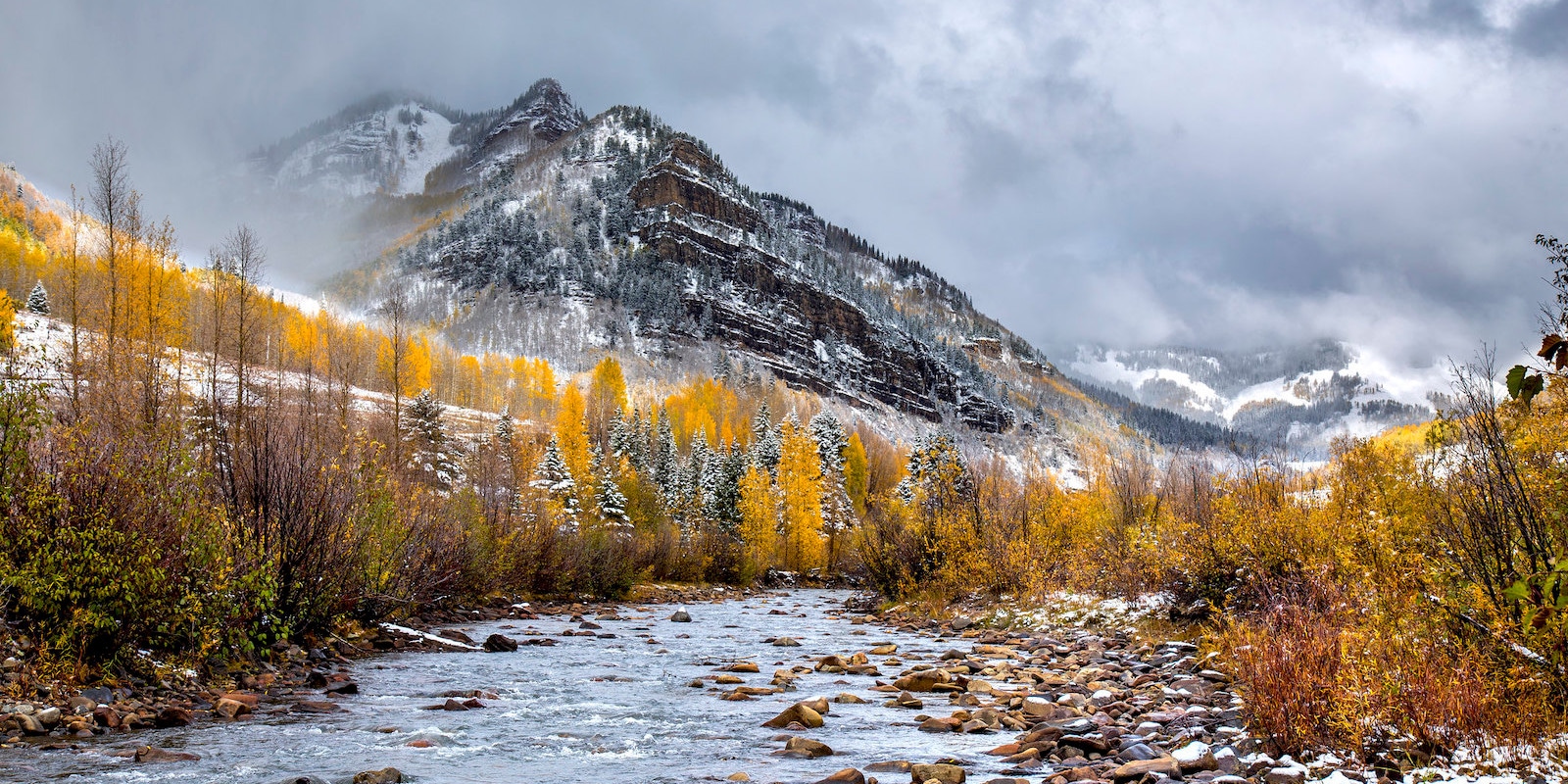
November is prime time for the official opening of many Colorado ski resorts. This means travelers can be among the first to hit the slopes, often enjoying fresh powder and fewer crowds compared to peak season. Beyond skiing and snowboarding, other winter activities such as snowshoeing, cross-country skiing, and even early season ice skating begin to emerge. Places like Vail and Aspen transform into bustling winter hubs, though some services might still be ramping up. For those eager to embrace winter sports without the mid-season rush, November offers an ideal window.
Road Conditions and Travel Considerations
Snowfall, especially in the mountains, brings significant changes to road conditions. Mountain passes can become slick, icy, or even temporarily closed during active snowstorms. Travelers should be prepared for winter driving conditions, which may include requiring vehicles with four-wheel drive (4WD) or all-wheel drive (AWD), and tires with adequate tread, often marked with a mountain and snowflake symbol. The Colorado Department of Transportation (CDOT) frequently implements chain laws or traction laws on major mountain thoroughfares like I-70, especially over passes such as Eisenhower Tunnel or Vail Pass. It is crucial to check road conditions before heading out, as travel times can increase substantially.
Packing Essentials for a November Trip
Given the potential for diverse weather, smart packing is essential for a November visit to Colorado. Layers are key: waterproof and insulated outer layers are crucial for protection against snow and cold, especially in the mountains. Thermal base layers, fleece mid-layers, warm hats, gloves or mittens, and waterproof winter boots with good traction are indispensable. Even for Front Range cities, warm clothing is advisable, as temperatures can drop significantly. Don’t forget sunglasses and sunscreen, as the high altitude and reflective snow can lead to intense sun exposure, even on cloudy days.
Embracing Colorado’s Early Winter Charm
Despite the practical considerations, November in Colorado offers a unique and enchanting experience for travelers willing to embrace its early winter charm.
Best November Winter Destinations and Activities
For prime winter action, focus on the mountain towns. Breckenridge, Vail, and Aspen offer world-class skiing and vibrant village atmospheres. For a more serene experience, snowshoeing in Rocky Mountain National Park (accessible areas) or cross-country skiing in areas like Fraser Valley are excellent options. Hot springs resorts such as Glenwood Springs or Pagosa Springs provide a perfect blend of relaxation and snowy scenery. Even Great Sand Dunes National Park and Preserve can offer a surreal experience with snow-dusted dunes.
Festivals and Events in Early Winter
November sees the tail end of fall festivals and the beginning of winter celebrations. Many mountain towns will host early season opening parties for their ski resorts. In Denver, holiday markets and festive light displays often begin to appear towards the end of the month, offering a different kind of winter magic. Checking local event calendars for your chosen destination can reveal unique cultural experiences, from craft fairs to early holiday parades, adding a special touch to your trip.
Photography Opportunities in Snow-Dusted Landscapes
The landscapes of Colorado in November are exceptionally photogenic. The contrast of lingering golden aspens with fresh white snow, the dramatic snow-capped peaks against a crisp blue sky, or the soft glow of village lights under a blanket of white create stunning visual opportunities. Sunrise and sunset over a snowy landscape are particularly breathtaking. Photographers will find endless inspiration, capturing the serene beauty of the transition from autumn’s last gasp to winter’s grand entrance.
Planning Your Colorado November Adventure
Successful travel in Colorado during November hinges on meticulous planning and preparation.
Booking Accommodations and Flights
As many ski resorts open in November, popular mountain destinations can see an increase in demand for accommodations. It’s advisable to book hotels, cabins, or vacation rentals in advance, especially if you plan to visit during Thanksgiving week, which is a busy travel period. Flights into Denver International Airport (DIA) are generally plentiful, but consider booking early for better rates. Remember that adverse weather can cause flight delays or cancellations, so build some flexibility into your itinerary.
Renting a Vehicle: 4WD/AWD Recommendations
For exploring outside of urban centers, particularly if heading into the mountains, renting a vehicle with 4WD or AWD is highly recommended. Many rental agencies offer these options, but they may come at a premium and should be booked well in advance, as demand is high. Ensure your rental comes with appropriate tires for winter conditions. Familiarize yourself with how to use 4WD/AWD and be aware of traction laws. For those uncomfortable driving in snow, shuttle services often run from Denver International Airport (DIA) directly to major ski resorts, providing a stress-free alternative.
Staying Safe and Prepared in Winter Conditions
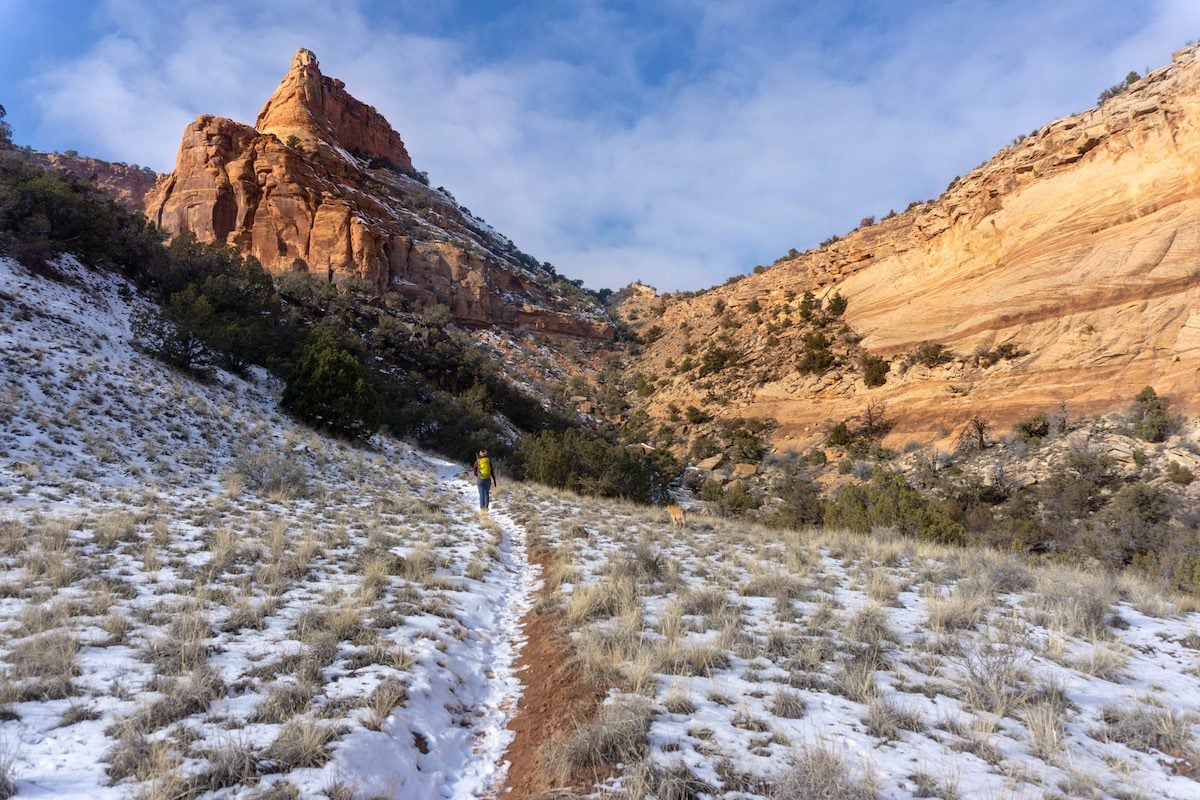
Safety is paramount when traveling in Colorado in November. Always check weather forecasts and road conditions before you depart. Carry an emergency kit in your vehicle, including blankets, extra warm clothing, water, snacks, a flashlight, and a first-aid kit. Be mindful of altitude sickness, especially if arriving from sea level; stay hydrated and take it easy on your first day. Inform someone of your travel plans, particularly if venturing into remote areas for activities like hiking or snowshoeing. By being well-prepared, you can fully enjoy the beauty and excitement that Colorado in November has to offer.
In conclusion, November in Colorado is undeniably a snowy affair, especially in the high country, transforming the landscape and kicking off the highly anticipated winter sports season. While it demands careful planning and preparation for varying weather and road conditions, the rewards are immense. Travelers can look forward to pristine snowy vistas, exhilarating early-season skiing, and the unique charm of Colorado’s transition into its iconic winter persona. With the right mindset and proper gear, a November trip to the Centennial State promises an unforgettable introduction to its winter magic.
LifeOutOfTheBox is a participant in the Amazon Services LLC Associates Program, an affiliate advertising program designed to provide a means for sites to earn advertising fees by advertising and linking to Amazon.com. Amazon, the Amazon logo, AmazonSupply, and the AmazonSupply logo are trademarks of Amazon.com, Inc. or its affiliates. As an Amazon Associate we earn affiliate commissions from qualifying purchases.