
Navigating the requirements for official identification can sometimes feel like traversing the intricate trails of the Rocky Mountains. For residents and visitors alike who find themselves in the Centennial State, understanding how to obtain a Colorado State ID is a crucial step for a multitude of reasons, ranging from accessing local amenities to fulfilling legal necessities. This guide aims to demystify the process, providing a clear roadmap for acquiring this essential form of identification. Whether you are a new resident setting up your life in Denver, a student attending University of Colorado Boulder, or a visitor who needs a reliable form of ID for specific activities, this information will be invaluable.

Understanding the Colorado State ID
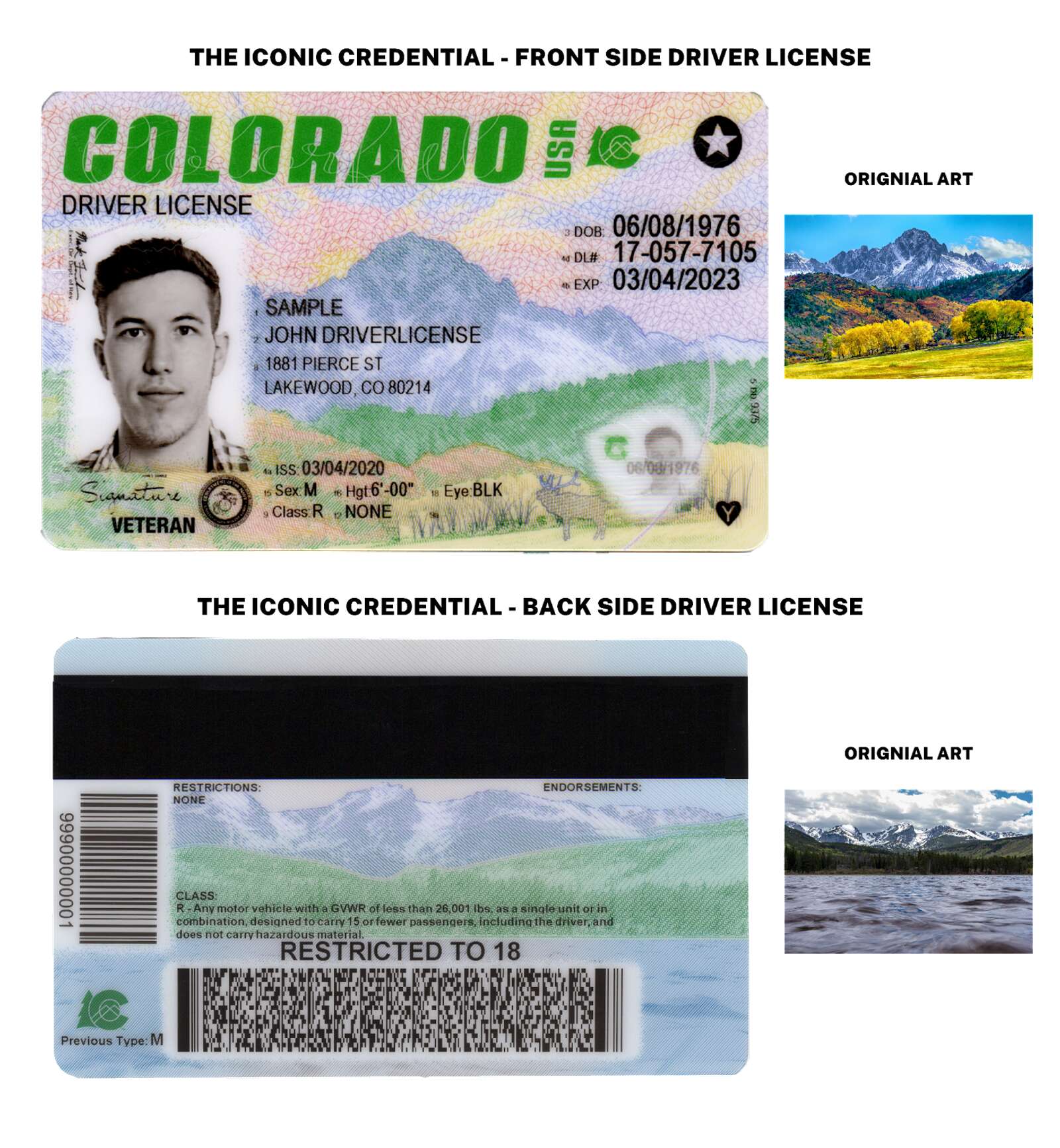
A Colorado State ID, often referred to as a state identification card or driver’s license (though distinct from a driver’s license, the application process for an ID card is managed by the same department), is an official document issued by the Colorado Department of Revenue through its Division of Motor Vehicles (DMV). It serves as a primary form of identification for individuals who do not possess a driver’s license. This card is vital for a variety of everyday activities, including but not limited to:
- Age Verification: Essential for purchasing age-restricted items like alcohol or tobacco, or for entry into venues with age limits.
- Financial Transactions: Many banks and financial institutions require a state-issued ID to open accounts or conduct significant transactions.
- Travel: While not a substitute for a passport for international travel, a state ID is often required for domestic flights when traveling within the United States if you do not have a driver’s license.
- Employment: Employers may require a state ID as part of the onboarding process to verify identity.
- Accessing Services: Government services, healthcare providers, and other public institutions often request a state ID to confirm identity.
- Local Activities: Some local tours or recreational activities might ask for identification.
It’s important to distinguish between a standard state ID card and a Colorado Driver’s License. While both are issued by the DMV, a driver’s license grants the privilege of operating a motor vehicle. A state ID card is solely for identification purposes. The application process shares many similarities, focusing on proving identity, residency, and legal presence.
Types of Colorado State IDs
The Colorado Department of Revenue offers several types of identification cards, each designed to serve specific needs. The most common are:
- Standard State Identification Card: This is the general-purpose ID for residents who do not have a driver’s license.
- Instruction Permit: For individuals learning to drive, this permit allows them to practice driving under specific supervision. While technically an instruction permit, it also serves as a form of identification.
- Minor Operator’s License: For young drivers, this is a restricted driver’s license.
- Newcomer License: A specialized license for individuals new to the state who may not yet have established a full residency history.
For the purpose of this guide, we will focus on obtaining the standard State Identification Card, which is the most frequently sought-after form of ID for non-drivers.
Eligibility Requirements for a Colorado State ID
Before embarking on the application process, it’s crucial to ensure you meet the eligibility criteria set forth by the state of Colorado. These requirements are designed to verify your identity, legal presence in the United States, and residency within Colorado.
Proof of Identity
You must provide documentation that unequivocally proves your identity. The DMV generally accepts the following as primary proof of identity:
- Original or Certified Copy of a Birth Certificate: This must be issued by a vital statistics office and include a seal and signature.
- Valid U.S. Passport: A current and unexpired U.S. passport is a universally accepted form of identification.
- Consular Report of Birth Abroad: For U.S. citizens born abroad.
- Certificate of Citizenship or Naturalization: For naturalized citizens.
- Permanent Resident Card (Green Card): For lawful permanent residents of the United States.
- Employment Authorization Document (EAD): For individuals authorized to work in the United States.
It is essential to present original documents or certified copies bearing the appropriate seal. Photocopies are generally not accepted.
Proof of Social Security Number
You must also provide proof of your Social Security Number (SSN). Accepted documents include:
- Social Security Card: The original card is preferred.
- W-2 Form: A tax form from an employer.
- SSA-1099 Form: A tax form from the Social Security Administration.
- Pay Stub: Must show your name and SSN.
If you do not have an SSN, you will need to provide a letter from the Social Security Administration stating you are not eligible for an SSN.
Proof of Colorado Residency
Establishing that you reside in Colorado is a key component of the application. You will need to present at least two documents that clearly show your name and current Colorado address. These documents must be current and not expired. Examples include:
- Utility Bills: Electricity, gas, water, or internet bills.
- Bank Statements: From a Colorado-based financial institution.
- Lease Agreement or Mortgage Statement: For your current residence.
- Mail from a Government Agency: Such as a property tax bill or voter registration confirmation.
- Pay Stubs: Showing your employer’s address and your home address.
- Colorado Vehicle Registration or Title: If you own a vehicle.
Documents like a driver’s license from another state or a PO Box address are typically not accepted as proof of residency for a Colorado State ID.
Legal Presence
If you are not a U.S. citizen, you must provide documentation that proves your legal presence in the United States. This could include your Permanent Resident Card, Employment Authorization Document, or relevant visa documents. The expiration date of your legal presence document will impact the validity of your Colorado State ID.
The Application Process: Step-by-Step
Once you have gathered all the necessary documentation, the next step is to navigate the application process, which involves visiting a Colorado Division of Motor Vehicles (DMV) office.
Step 1: Gather Your Documentation
This is arguably the most critical step. Carefully review the requirements for proof of identity, SSN, and residency. Ensure all documents are original or certified copies, current, and accurately reflect your information. Missing or incorrect documentation is the most common reason for application delays. It’s advisable to have more than the minimum required documents, just in case.
Step 2: Schedule an Appointment (Recommended)
While some DMV offices accept walk-ins, it is highly recommended to schedule an appointment in advance. Appointments significantly reduce your waiting time and ensure that you are seen promptly. You can usually schedule an appointment online through the Colorado DMV website or by calling their customer service line.
Step 3: Visit Your Local Colorado DMV Office
On the day of your appointment, arrive a few minutes early to allow time for parking and check-in. Bring all your original documents and any copies you might have made. The process typically involves:
- Submitting Your Application: You will likely fill out an application form either online before your visit or at the office.
- Document Verification: A DMV representative will carefully review all your submitted documents to ensure they meet the state’s requirements. This is where having all your ducks in a row is paramount.
- Taking Your Photo: A digital photograph will be taken for your ID card. It’s a good idea to dress presentably for your photo.
- Eye Exam (if applicable): While primarily for driver’s licenses, certain situations might require an eye exam, especially if you are applying for a license that includes driving privileges.
- Payment of Fees: There is a fee associated with obtaining a Colorado State ID. The exact amount can vary, so it’s best to check the Colorado DMV website for the current fee schedule. Payment methods typically include cash, check, money order, and sometimes credit or debit cards.
Step 4: Receive Your Colorado State ID
After your application is approved and all requirements are met, you will be issued your Colorado State ID. In most cases, you will receive a temporary ID on-site, and your permanent card will be mailed to your address within a few weeks. Inspect the temporary ID for any errors before you leave the office.
Special Considerations and Tips
Obtaining a Colorado State ID is a straightforward process when approached with proper preparation. However, a few special considerations and tips can make the experience even smoother.
Non-Citizens and Legal Presence
For individuals who are not U.S. citizens, the documentation requirements for legal presence are particularly important. It’s crucial to understand that the validity period of your Colorado State ID will be tied to the expiration date of your legal immigration status. Always carry your valid immigration documents along with your ID.
Minors Applying for an ID
If a minor is applying for a state ID, they will typically need to be accompanied by a parent or legal guardian who can provide consent and also present their own identification. The minor will still need to provide proof of identity, SSN, and residency, which may come from the guardian’s documentation or a combination of the minor’s and guardian’s.
Real ID Compliance
Colorado offers a federally compliant identification option known as a REAL ID. To obtain a REAL ID, you will need to provide additional documentation beyond the standard requirements, including proof of your legal presence and your Social Security Number. A REAL ID is required for boarding domestic flights and entering certain federal facilities starting in May 2025. If your goal is to have an ID that meets these federal security standards, be sure to inquire about REAL ID requirements when you visit the DMV.
Keeping Your Information Updated
If you move within Colorado or change your name, you are legally required to update your Colorado State ID within a specific timeframe. This process usually involves visiting a DMV office and providing updated documentation. Failure to do so can result in penalties.

Utilizing the Colorado DMV Website
The Colorado Department of Revenue provides a wealth of information on its official website, including checklists of required documents, fee schedules, office locations, and the ability to schedule appointments. Before your visit, thoroughly explore the website to ensure you have the most up-to-date information. This proactive approach can save you time and potential frustration.
By following these guidelines and being well-prepared, you can efficiently obtain your Colorado State ID, a vital document for fully engaging with life in the beautiful state of Colorado.
LifeOutOfTheBox is a participant in the Amazon Services LLC Associates Program, an affiliate advertising program designed to provide a means for sites to earn advertising fees by advertising and linking to Amazon.com. Amazon, the Amazon logo, AmazonSupply, and the AmazonSupply logo are trademarks of Amazon.com, Inc. or its affiliates. As an Amazon Associate we earn affiliate commissions from qualifying purchases.