
Embarking on a journey, whether for business or pleasure, often begins with a fundamental question: “How far is it?” For those planning to explore the vibrant landscape of Colorado, the distance between two of its most iconic cities, Boulder and Denver, is a common query. These two urban centers, while distinct in their character and offerings, are closely intertwined, making travel between them a frequent occurrence for residents and visitors alike. Understanding the distance, travel time, and various transportation options is crucial for any seamless Colorado itinerary.
This guide will delve into the specifics of navigating the route between Boulder and Denver, providing professional insights into the most efficient and enjoyable ways to experience both cities. Whether you’re a nature enthusiast drawn to Boulder’s outdoor allure or a city slicker eager to explore Denver’s metropolitan charm, the journey between them is far more than just a commute; it’s an integral part of the Colorado travel experience.

The Straightforward Answer: Distance and Time
The first step in any travel plan is to ascertain the basic logistics: how many miles separate your points of interest and how long will it take to traverse them? For Boulder and Denver, the answer is refreshingly straightforward, yet nuanced by various factors.
Geographical Proximity and Road Miles
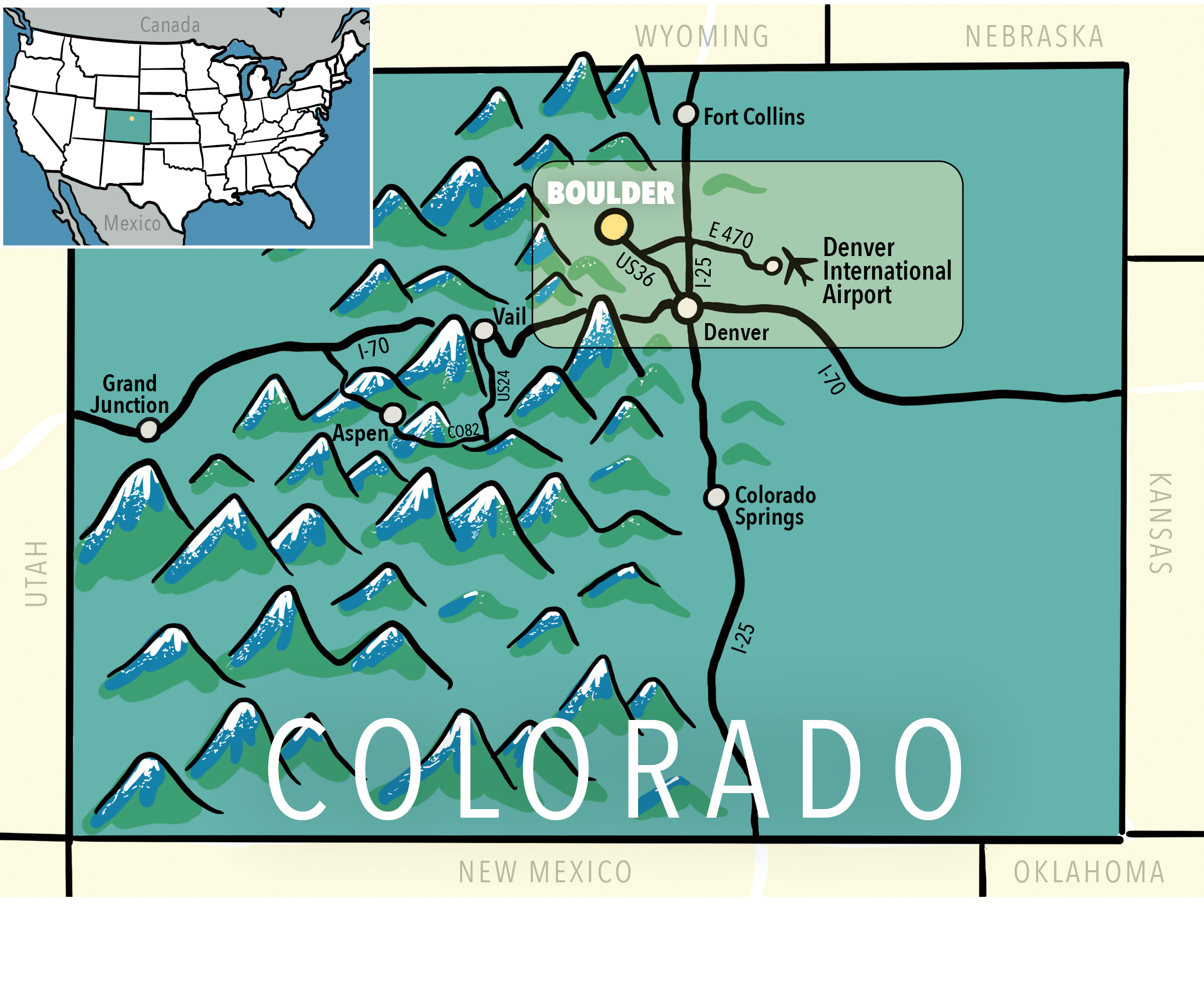
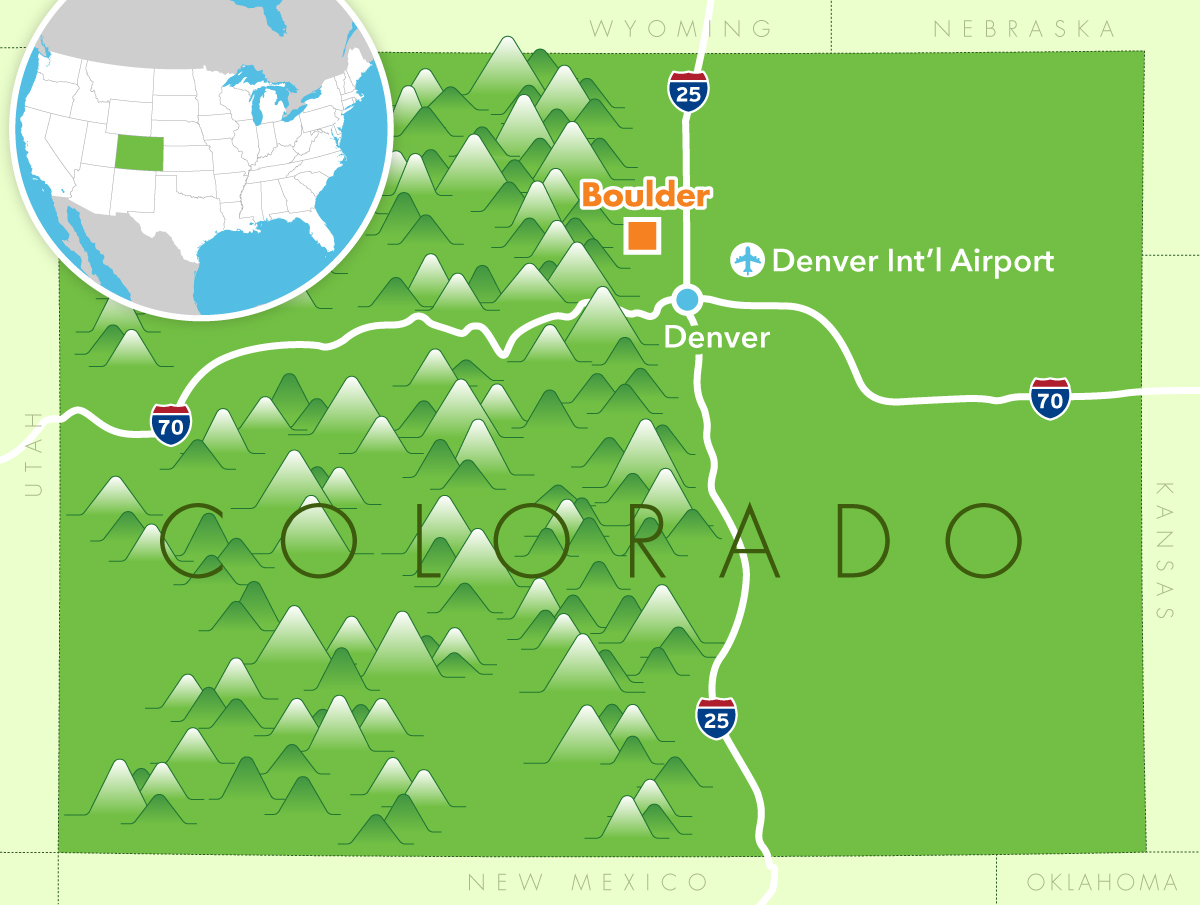
Geographically, Boulder lies to the northwest of Denver, nestled against the backdrop of the Rocky Mountains. The most direct and commonly used route connecting the two cities is primarily via US-36, also known as the Denver-Boulder Turnpike. Depending on your exact starting point in Boulder and your destination in Denver, the driving distance typically ranges from 25 to 30 miles. For instance, a trip from downtown Boulder to downtown Denver would usually measure around 28 miles. This relatively short distance makes day trips and commuting between the two highly feasible.
Driving Time Expectations
While the mileage is a fixed figure, the time it takes to cover that distance can vary significantly. Under ideal conditions – light traffic, clear weather, and no unexpected delays – the drive between Boulder and Denver can be completed in approximately 30 to 45 minutes. However, it is crucial for travelers to manage their expectations, as these ideal conditions are not always the norm.
Factors Influencing Travel Time
Several factors can impact your travel time, transforming a quick jaunt into a longer expedition:
- Rush Hour Traffic: This is undoubtedly the most significant variable. Commuters traveling into Denver in the mornings (roughly 7:00 AM to 9:00 AM) and out to Boulder in the afternoons (roughly 4:00 PM to 6:00 PM) can experience substantial delays. During these peak periods, the 28-mile drive can easily extend to 60-90 minutes, or even longer on particularly bad days. The express lanes on US-36 offer a faster, toll-based option during heavy congestion.
- Weather Conditions: Colorado weather can be unpredictable. Snowstorms, heavy rain, or even dense fog can reduce visibility and necessitate slower driving speeds, adding considerable time to the journey.
- Road Construction: As a major arterial road, US-36 periodically undergoes maintenance and construction, which can lead to lane closures and detours.
- Special Events: Both Boulder and Denver host numerous festivals, sporting events, and concerts throughout the year. These events can draw large crowds and increase traffic volume on surrounding roadways.
Considering these variables, it’s always wise to factor in a buffer when planning your travel time, especially if you have a scheduled appointment or flight to catch at Denver International Airport.
Navigating the Journey: Transportation Options
Beyond simply knowing the distance, selecting the right mode of transportation is key to an efficient and enjoyable trip between Boulder and Denver. Each option offers distinct advantages, catering to different preferences and budgets.
Driving Your Own Vehicle or Rental Car
For many travelers, the flexibility and independence offered by driving a personal or rental car are paramount.
- Pros: Having your own vehicle allows for spontaneity, enabling detours to scenic spots or stops at points of interest along the way. It’s particularly convenient for those carrying luggage or traveling with family. The primary route, US-36, is a well-maintained highway designed for direct travel. Alternatively, one could take I-25 north from Denver and then head west on a connecting road to Boulder, though this is generally longer.
- Cons: The main drawbacks are dealing with potential traffic congestion, finding and paying for parking, particularly in the bustling downtown areas of both cities, and the environmental impact. The express lanes on US-36 require a toll payment, which can add to the cost.
Public Transportation: The RTD Flatiron Flyer
For those seeking an economical and stress-free option, Denver’s Regional Transportation District (RTD) provides an excellent public transit solution: the RTD Flatiron Flyer.
- Details: The RTD Flatiron Flyer (routes FF1, FF2, FF4, FF5) is an express bus service connecting Boulder and Denver. These buses utilize the dedicated express lanes on US-36, often bypassing the worst of rush hour traffic. The primary Denver stop is the magnificent Union Station, a hub for various transit lines, while in Boulder, the main stop is the Boulder Transit Center (or Downtown Boulder Station).
- Frequency and Cost: Buses run frequently throughout the day, with enhanced schedules during peak times. The fare is affordable, and tickets can be purchased onboard, via the RTD mobile app, or at vending machines.
- Benefits: This option eliminates the stress of driving, traffic, and parking. It’s an environmentally conscious choice and allows travelers to relax, read, or work during the journey. The travel time is typically comparable to, or even faster than, driving during heavy traffic periods.
Ride-Sharing Services and Taxis
Ride-sharing apps like Uber and Lyft, as well as traditional taxi services, offer a convenient door-to-door option.
- Convenience: These services provide ultimate flexibility for travelers who prefer not to drive or use public transport. They are readily available in both cities.
- Cost: While convenient, ride-sharing and taxi fares can be significantly higher than public transit, especially during peak demand (surge pricing) or late at night. It’s advisable to check estimated fares before booking.
Biking Between Cities (For the Adventurous)
For the truly adventurous and physically active, biking between Boulder and Denver is a viable, albeit challenging, option.
- Paths: Dedicated bike paths, such as the US 36 Bikeway, run parallel to the highway for much of the distance. These paths offer a safe and scenic route.
- Distance and Time: The bike ride covers roughly the same distance (25-30 miles) but, depending on fitness level and stops, can take anywhere from 2 to 4 hours.
- Considerations: This option requires preparation, including carrying water, snacks, and repair kits. Be mindful of elevation changes; while US-36 is relatively flat for Colorado standards, there are still gradual inclines. It’s also important to check weather conditions, especially wind, which can significantly impact the ride.
Why Travel Between Boulder and Denver? A Traveler’s Perspective
Understanding the “how far” and “how to get there” is just one part of the travel equation. The “why” is equally important, as it illuminates the unique draws of each city and the synergistic relationship that makes travel between them so common. Both Boulder and Denver serve as significant travel destinations, each offering distinct experiences that complement the other.
Boulder’s Allure: Outdoor Enthusiast’s Paradise
Boulder is renowned for its stunning natural beauty and a vibrant, health-conscious lifestyle. It’s often considered an outdoor enthusiast’s paradise.
- Iconic Landmarks: The majestic Flatirons, part of the Rocky Mountains foothills, provide a dramatic backdrop to the city and offer countless opportunities for hiking, rock climbing, and trail running. Chautauqua Park is a historic landmark and a gateway to many popular trailheads.
- Urban Charm: The pedestrianized Pearl Street Mall is the heart of downtown Boulder, famous for its unique boutiques, art galleries, street performers, and diverse culinary scene.
- Academic Hub: Home to the University of Colorado Boulder, the city boasts a youthful energy, intellectual vibrancy, and a strong sense of community.
- Experiences: Visitors come to Boulder for world-class outdoor adventures, a relaxed yet sophisticated atmosphere, and a taste of its innovative food and craft beer scene.
Denver’s Metropolitan Charm: The Mile High City
Denver, the state capital and largest city in Colorado, offers a bustling metropolitan experience with a growing reputation as a cultural and culinary hub.
- Cultural Attractions: The city boasts an impressive array of museums, including the Denver Art Museum, and beautiful green spaces like the Denver Botanic Gardens. The Denver Center for the Performing Arts is a major draw for theater lovers.
- Sports Mecca: Denver is a true sports city, home to several professional sports teams. Catch a baseball game at Coors Field, a football match at Empower Field at Mile High, or a basketball game at Ball Arena.
- Dining and Nightlife: From innovative farm-to-table restaurants to lively breweries and chic cocktail bars, Denver’s culinary and nightlife scene is thriving.
- Gateway to the Rockies: While Boulder is closer to the immediate foothills, Denver often serves as the primary gateway for travelers flying into Denver International Airport before heading further into the Rocky Mountains for skiing, hiking, or other alpine adventures.
Commuting for Work or Leisure
The relatively short distance and efficient transportation options also facilitate a significant amount of daily commuting. Many individuals live in one city and work in the other, taking advantage of diverse job markets and lifestyle preferences. For leisure travelers, it’s common to base oneself in one city and take day trips to the other, maximizing the varied experiences Colorado has to offer within a single visit. This interconnectedness makes understanding the journey essential for maximizing a Colorado travel experience.
Tips for a Seamless Trip
To ensure your journey between Boulder and Denver is as smooth and stress-free as possible, a bit of foresight and planning goes a long way.
Planning Ahead
- Check Traffic Conditions: Before hitting the road, use real-time traffic apps (like Google Maps or Waze) to check current conditions on US-36. This will give you an accurate estimate of travel time and help you decide if the express lanes are worth the toll.
- RTD Schedules: If opting for public transportation, familiarize yourself with the RTD Flatiron Flyer schedule, especially for early morning or late-night travel. The RTD website or app provides up-to-date information.
- Weather Forecasts: Always check the weather forecast for both cities, particularly during winter months or monsoon season, as conditions can change rapidly and impact road safety and travel times.
Peak Times and Alternatives
- Avoid Rush Hour: If your schedule allows, try to travel outside of the typical morning (7-9 AM) and afternoon (4-6 PM) rush hour windows. This can significantly cut down on travel time, especially if you’re driving.
- Consider Express Lanes: If you must travel during rush hour and are driving, consider using the toll express lanes on US-36. While there’s a fee, they can offer a much faster commute when traffic is heavy.
- Utilize Public Transit: During peak hours, the RTD Flatiron Flyer often proves to be the most efficient mode of transport, as it uses dedicated lanes.
Parking Considerations
- Downtown Denver: Parking in downtown Denver can be expensive and challenging to find, especially near popular attractions like Union Station or the 16th Street Mall. Research parking garages or lots in advance, or consider using public transportation to your final destination once you’re in the city.
- Boulder: While generally easier, parking in downtown Boulder, particularly around Pearl Street Mall, can also be competitive. Many areas have metered parking or parking garages.
By keeping these tips in mind, travelers can easily navigate the path between these two iconic Colorado cities, ensuring that the journey itself is as pleasant as the destinations.
Conclusion
The question “How far is Boulder, Colorado to Denver, Colorado?” has a clear answer: approximately 25 to 30 miles. However, the travel experience between these two dynamic cities is much richer than a simple mileage figure suggests. With an average driving time of 30-45 minutes under ideal conditions, extending up to 90 minutes during peak traffic, the journey is consistently manageable.
Travelers have a plethora of options, from the flexibility of a personal vehicle to the efficiency of the RTD Flatiron Flyer public bus service, or the convenience of ride-sharing. Each method caters to different travel styles and budgets, ensuring that anyone can comfortably make the trip. Whether you’re drawn to Boulder’s natural beauty and outdoor adventures or Denver’s bustling urban landscape and cultural attractions, the connection between them is seamless. By planning ahead, checking traffic and schedules, and choosing the right mode of transportation, visitors can effortlessly experience the best of both worlds, making their Colorado adventure truly unforgettable.
LifeOutOfTheBox is a participant in the Amazon Services LLC Associates Program, an affiliate advertising program designed to provide a means for sites to earn advertising fees by advertising and linking to Amazon.com. Amazon, the Amazon logo, AmazonSupply, and the AmazonSupply logo are trademarks of Amazon.com, Inc. or its affiliates. As an Amazon Associate we earn affiliate commissions from qualifying purchases.