
Embarking on a journey through Colorado often involves navigating between its vibrant urban centers and scenic mountain towns. Among the most frequent inquiries for travelers and locals alike is the distance and ease of travel between the state capital, Denver, and the renowned outdoor hub of Boulder. These two cities, while distinct in their character and offerings, are remarkably close, making day trips, commutes, and explorations between them incredibly convenient. Understanding the exact distance, available transportation methods, and what to expect on the route is key to planning a seamless and enjoyable Colorado adventure. This guide will delve into all aspects of traversing the corridor connecting Denver and Boulder, ensuring you’re well-equipped for your travels.
The Straightforward Journey: Distance and Drive Time
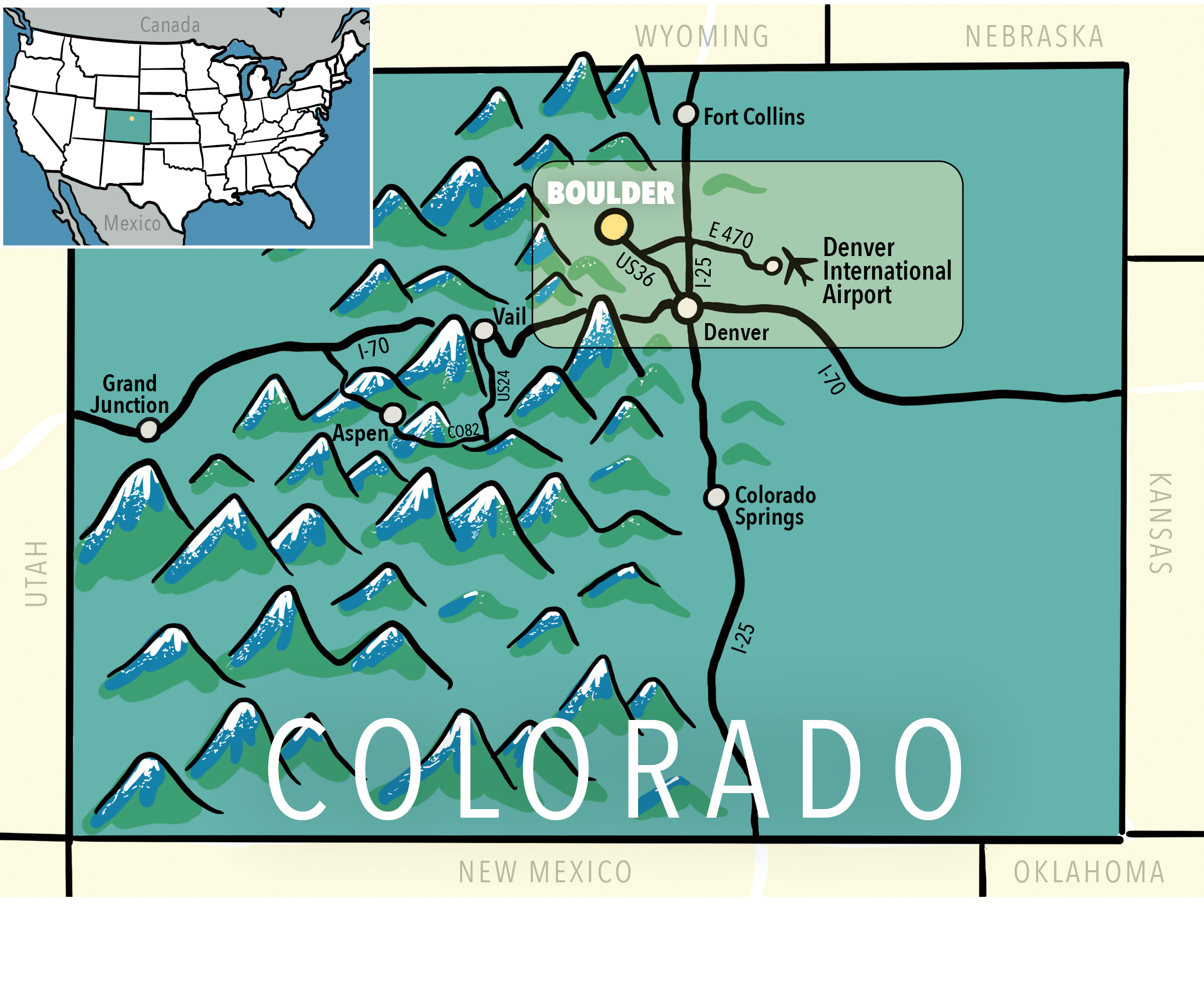
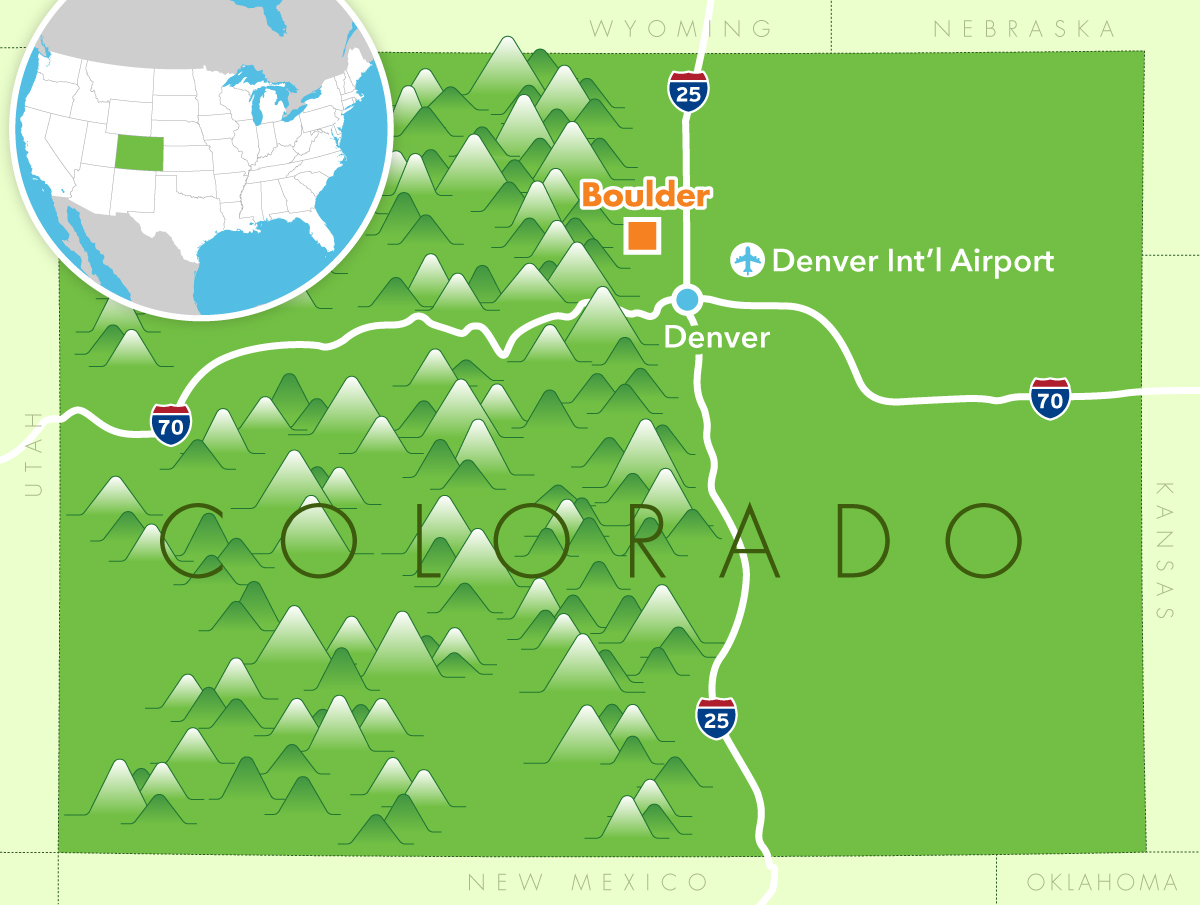
The proximity of Denver and Boulder is one of Colorado’s great advantages, offering residents and visitors easy access to diverse urban experiences and world-class outdoor recreation within a short span. The journey connecting these two cities is a well-traveled route, primarily along US-36, also known as the Denver-Boulder Turnpike.
Unpacking the Miles
The typical distance between downtown Denver and downtown Boulder is approximately 25 to 30 miles (40 to 48 kilometers). This figure can vary slightly depending on your specific starting point in Denver and your final destination within Boulder. For instance, if you’re departing from Denver International Airport, the distance to Boulder would be closer to 45-50 miles, as the airport is located northeast of downtown Denver. However, for most common travel scenarios involving the urban cores, the 25-30 mile range holds true. The route is predominantly flat to gently rolling, presenting no significant geographical challenges that would add to the mileage or complexity. This relatively short distance makes the trip manageable for various modes of transport, from private vehicles to public transit and even ambitious cycling excursions.
Real-World Drive Times
While the mileage is consistent, the actual time it takes to travel between Denver and Boulder can fluctuate significantly based on traffic conditions. Under ideal circumstances, with light traffic, the drive can be completed in as little as 30 to 40 minutes. This is typically achievable during off-peak hours, such as mid-mornings, early afternoons, or late evenings.
However, during peak rush hour, the journey can stretch considerably. Morning commutes (roughly 7:00 AM to 9:00 AM) and evening commutes (approximately 4:00 PM to 6:30 PM) often see heavy congestion on US-36. During these times, the drive could easily take 50 minutes to over an hour, and sometimes even longer if there are accidents or adverse weather conditions. Weekends can also experience increased traffic, especially on sunny days when many head to the foothills for recreation or if there are special events in either city. It’s always advisable to check real-time traffic updates using navigation apps before departing, particularly if your schedule is tight. The US-36 corridor is well-maintained, but winter weather, including snow and ice, can also impact travel times and road conditions, occasionally requiring slower speeds and extra caution.
Navigating the Corridor: Transportation Options
The corridor between Denver and Boulder is served by a variety of transportation options, catering to different preferences for cost, convenience, and flexibility. Whether you prefer the independence of a car or the ease of public transit, you’ll find a suitable way to make the journey.
Driving Yourself
Driving is often the most popular choice for travelers heading between Denver and Boulder, offering unparalleled flexibility. You can depart whenever you wish, stop wherever you please, and bring as much luggage as your vehicle allows. The primary route is US-36, a modern highway that is well-maintained and offers scenic views of the Front Range as you approach Boulder.
For those without their own vehicle, numerous rental car agencies are available at Denver International Airport and throughout Denver. Renting a car provides the freedom to explore beyond Boulder into the wider Colorado Rockies. However, consider potential downsides: traffic congestion during peak hours, the cost of fuel, and parking challenges, particularly in downtown Boulder where parking can be scarce and expensive. Some sections of US-36 also include toll lanes (Express Lanes) which can speed up your journey during heavy traffic, but come with an additional cost.
Public Transportation: The RTD Bus
For those preferring to avoid driving, traffic, and parking hassles, public transportation offers an excellent alternative. The Regional Transportation District (RTD) operates a robust bus service connecting Denver and Boulder. The most popular and efficient option is the Flatiron Flyer (routes FF1, FF2, FF3, FF4, FF5, FF6, FF7, FF8, FF9).
The Flatiron Flyer is a Bus Rapid Transit (BRT) service that utilizes dedicated bus lanes on US-36, allowing it to bypass much of the traffic congestion that affects private vehicles. Buses run frequently throughout the day, with reduced service during off-peak hours and weekends. The journey typically takes between 45 minutes to an hour, depending on the number of stops and traffic conditions. Buses depart from Denver’s Union Station in downtown Denver and make several stops in Boulder, including the Downtown Boulder Station and the University of Colorado Boulder campus. Fares are affordable, and day passes are available for unlimited rides. This option is particularly appealing for environmentally conscious travelers or those who prefer to relax and enjoy the scenery rather than navigate traffic.
Ride-Sharing and Taxis
Ride-sharing services like Uber and Lyft are readily available in both Denver and Boulder. These services offer a convenient door-to-door experience, eliminating the need for parking. The cost for a standard ride can range from $40 to $70, depending on demand (surge pricing), time of day, and the specific service level chosen. While generally more expensive than public transit, ride-sharing can be a good option for groups, those with luggage, or travelers who value direct service and flexibility without the commitment of renting a car. Traditional taxi services are also an option, though they are typically more expensive than ride-sharing apps.

Other Options: Cycling and Walking (Considerations)
While less common for the full Denver to Boulder distance, cycling is a feasible option for experienced and fit cyclists. A dedicated bike path parallels US-36 for much of the way, offering a scenic and challenging ride. The journey would typically take 2 to 3 hours one-way, depending on speed and fitness levels. This is a great choice for recreational athletes or those seeking an environmentally friendly adventure. Walking the entire distance is generally not recommended due to the length, highway proximity, and time commitment involved, though sections of the route are enjoyable for shorter strolls.
Beyond the Miles: What to Expect on the Journey
The trip from Denver to Boulder is more than just a transition between two points on a map; it’s an experience offering glimpses into Colorado’s diverse landscapes and lifestyle. Understanding what to expect can enhance your travel.
The Scenic Route
As you leave the urban sprawl of Denver and head northwest on US-36, the landscape gradually transforms. Initially, you’ll pass through suburban areas, but quickly, the magnificent Front Range of the Rocky Mountains begins to dominate the western horizon. The drive offers increasingly impressive views of the iconic Flatirons – the slanted, reddish-brown rock formations that are synonymous with Boulder. On clear days, the entire sweep of the Rocky Mountains is visible, from Longs Peak to the north to Pikes Peak to the south. This scenic backdrop is a constant reminder of Colorado’s natural beauty and the active, outdoor lifestyle it promotes.
Roadside Amenities and Stopovers
The US-36 corridor is well-serviced with amenities. You’ll find numerous gas stations, convenience stores, and fast-food restaurants at various exits along the route, particularly in the suburban areas closer to Denver and around the Interlocken business park area. If you’re looking for a quick break, there are a few parks and open spaces adjacent to the highway where you can stretch your legs. While the drive is relatively short, these stops can be useful for longer journeys or if you simply need a moment to refuel or refresh. Travelers with children might appreciate the various playgrounds and green spaces near some of the exits.
Weather Considerations
Colorado’s weather can be dynamic, and it’s always a factor to consider when traveling between Denver and Boulder. Summers bring abundant sunshine, but afternoon thunderstorms are common, sometimes leading to heavy rain or hail which can reduce visibility and impact road conditions. Winters can bring significant snowfall, making roads slick and potentially slowing traffic to a crawl. Even a light dusting of snow can add considerable time to the commute. It’s crucial to check the weather forecast before you leave, especially if traveling during the colder months. Four-wheel drive or all-wheel drive vehicles are recommended during heavy snow, and always ensure your tires are in good condition. Fog can also occur, particularly in the mornings, affecting visibility on the open highway.
Planning Your Trip: Tips for a Seamless Experience
Making the most of your travel between Denver and Boulder involves a bit of strategic planning. These tips will help ensure a smooth and enjoyable journey, whether it’s for work or leisure.
Best Time to Travel
To minimize travel time and avoid congestion, aim to travel during off-peak hours.
- Avoid weekday rush hours: This means typically before 7:00 AM or after 9:00 AM in the morning, and before 4:00 PM or after 6:30 PM in the evening.
- Mid-day: Travel between 10:00 AM and 3:00 PM on weekdays often offers the clearest roads.
- Late evenings/early mornings: If your schedule allows, these times are usually the quickest.
- Weekends: While generally lighter than weekday rush hours, weekend traffic can still be heavy, especially mid-day on Saturdays and Sundays, particularly if there are major events or good weather encouraging outdoor activities. Always check event calendars for both cities before planning your weekend travel.
Essential Apps and Resources
Leveraging technology can significantly improve your travel experience.
- Navigation Apps: Use real-time navigation apps like Google Maps or Waze. These apps provide up-to-the-minute traffic updates, estimated travel times, and can suggest alternative routes if there’s significant congestion or an accident. They are invaluable for avoiding unexpected delays.
- RTD App: If you plan to use public transportation, download the official RTD Mobile Tickets app. This allows you to purchase tickets, plan your trip, and view real-time bus schedules and locations.
- Colorado Department of Transportation (CDOT): For detailed information on road conditions, especially during winter or construction, check the CDOT website (cotrip.org) or their app.
Combining Destinations
The close proximity of Denver and Boulder makes them perfect for a multi-city Colorado itinerary. Many travelers choose to base themselves in one city and take day trips to the other.
- Denver Base: From Denver, a day trip to Boulder could include hiking the Flatirons, strolling along Pearl Street Mall, or exploring the University of Colorado Boulder campus.
- Boulder Base: From Boulder, a day in Denver might involve visiting museums, exploring RiNo Art District, catching a sports game, or enjoying the culinary scene.
The ease of travel allows visitors to experience both the urban sophistication of Denver and the outdoor-centric, bohemian charm of Boulder within a single trip, offering a comprehensive taste of the Front Range lifestyle.
In conclusion, the distance between Denver and Boulder is a manageable 25-30 miles, making inter-city travel exceptionally convenient. Whether you opt for the flexibility of driving your own car, the efficiency of the RTD Flatiron Flyer bus service, or the door-to-door convenience of a ride-share, you’ll find the journey straightforward. With a bit of planning to avoid peak traffic and an eye on the weather, your travel between these two iconic Colorado cities will be a smooth and enjoyable part of your overall adventure. Embrace the short distance and explore the unique offerings of both Denver and Boulder to enrich your Colorado experience.
LifeOutOfTheBox is a participant in the Amazon Services LLC Associates Program, an affiliate advertising program designed to provide a means for sites to earn advertising fees by advertising and linking to Amazon.com. Amazon, the Amazon logo, AmazonSupply, and the AmazonSupply logo are trademarks of Amazon.com, Inc. or its affiliates. As an Amazon Associate we earn affiliate commissions from qualifying purchases.