
The journey between Denver, the vibrant capital of Colorado, and the picturesque city of Boulder is a quintessential experience for anyone exploring the state’s Front Range. These two cities, while distinct in their character and offerings, are remarkably close, making travel between them not just feasible but an integral part of many Colorado itineraries. Understanding the precise distance, available transportation options, and the travel implications of this proximity is key to planning an efficient and enriching trip. This guide will delve into all aspects of the Denver to Boulder connection, providing invaluable insights for travelers looking to experience the best of both worlds – from urban sophistication to outdoor adventure.
The Essential Distance: A Quick Overview
For many travelers, the first question when considering a multi-city visit is often, “How far is it really?” The short answer regarding Denver and Boulder is: not far at all. This close proximity is one of the region’s greatest assets, allowing visitors to easily combine the diverse attractions of both locales.
Geographical Proximity
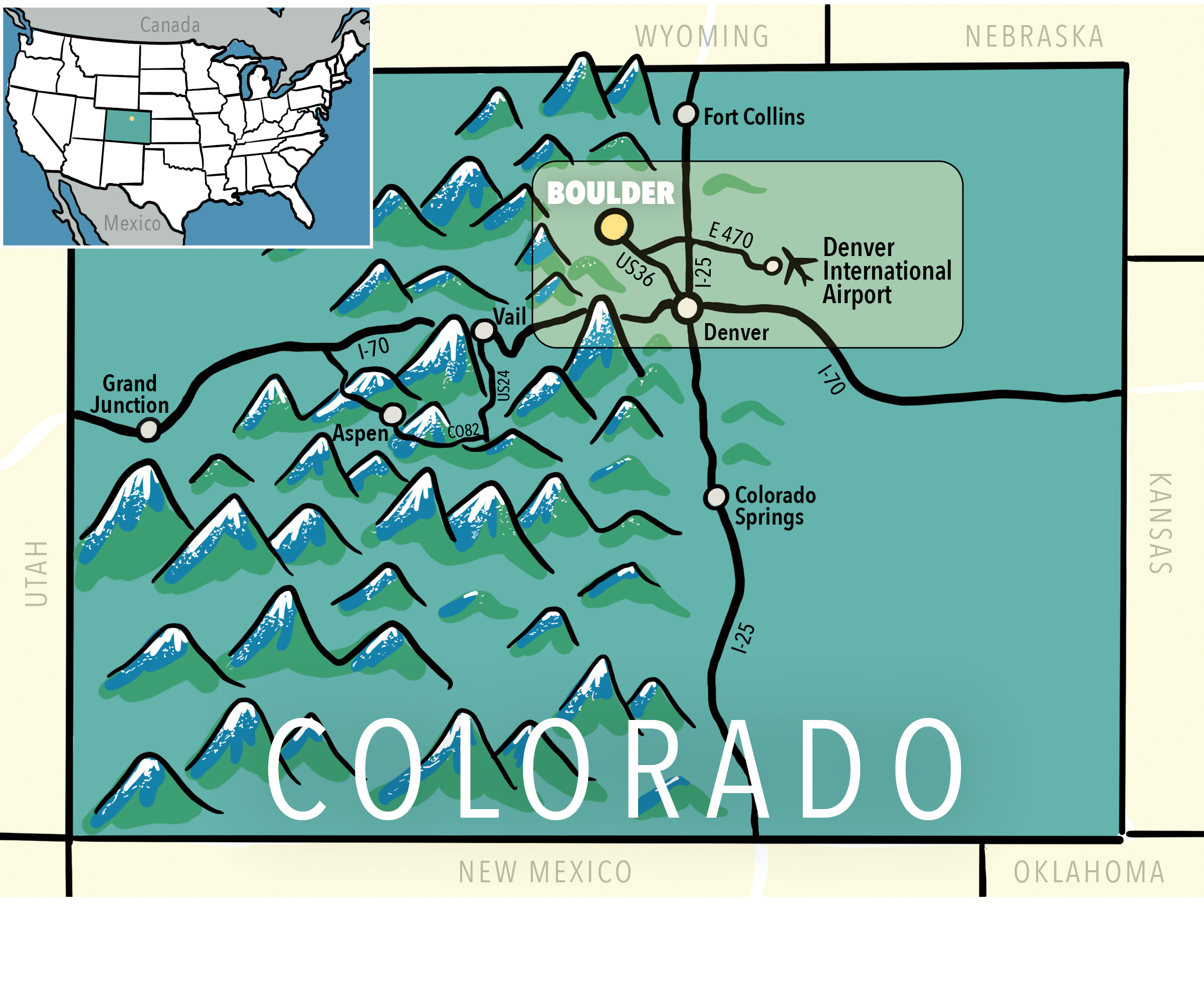
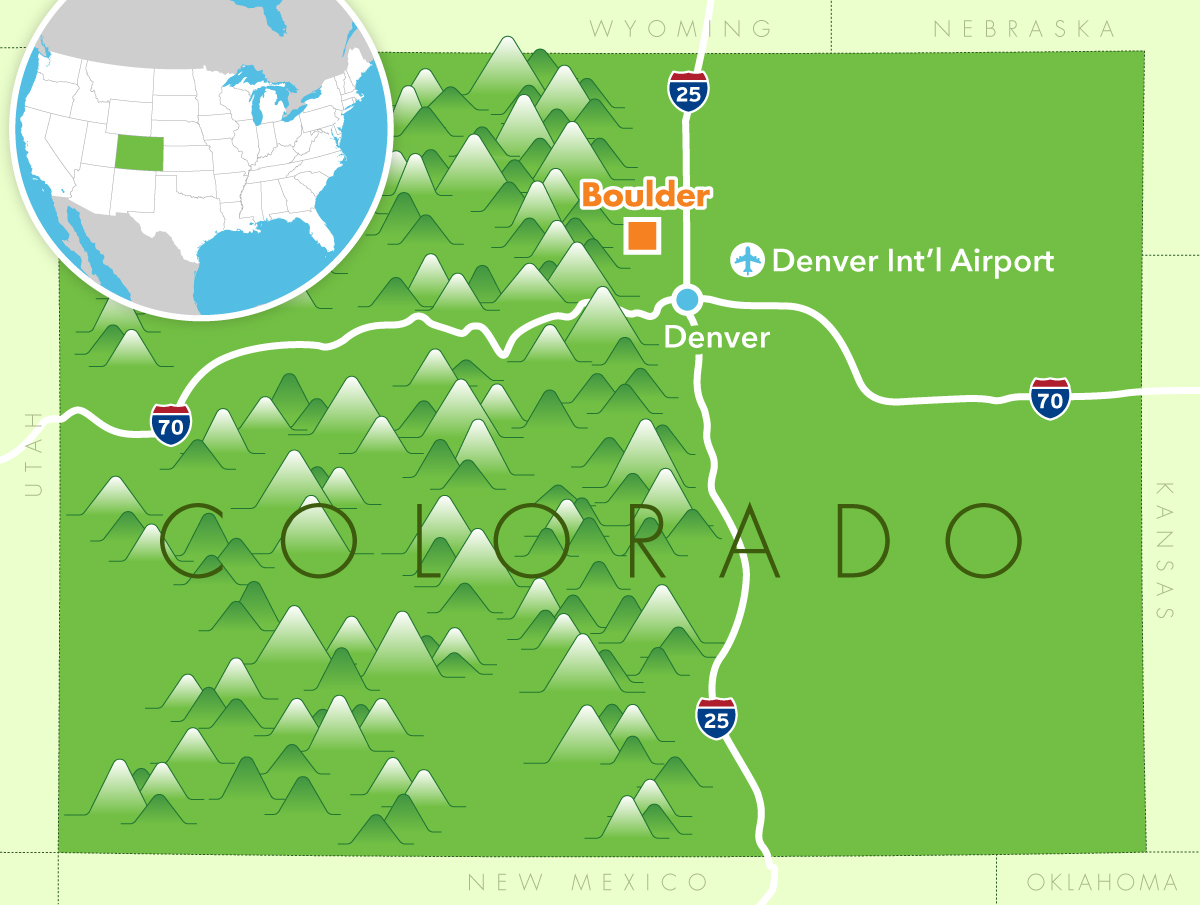
Geographically, Boulder is situated northwest of Denver, nestled right at the foothills of the Rocky Mountains. This strategic location means that the drive from Denver quickly transitions from urban sprawl to scenic landscapes dominated by the iconic Flatirons. The relatively flat terrain between the two cities for the majority of the route also contributes to straightforward travel.
Key Metrics for Travelers
The direct driving distance between downtown Denver and downtown Boulder is approximately 25 to 30 miles (40 to 48 kilometers), depending on the specific starting and ending points within each city. This translates into a remarkably short travel time, especially for those accustomed to longer drives between major attractions or cities in other regions. Under ideal traffic conditions, the journey typically takes around 30 to 45 minutes by car. Of course, like any metropolitan area, traffic can influence these estimates, particularly during peak commuting hours or weekends when locals and tourists alike flock to outdoor destinations.
Navigating the Journey: Transportation Options
Traveling between Denver and Boulder is convenient, with several reliable transportation methods catering to different preferences and budgets. Each option offers a unique experience, from the flexibility of driving to the ease of public transit.
Driving: The Most Common Route
For many, driving remains the preferred method of travel due to its flexibility and directness. The main thoroughfare connecting the two cities is efficient and well-maintained.
I-25 North and US-36 West (The Boulder Turnpike)
The most direct and frequently used route involves heading north on Interstate 25 (I-25) from downtown Denver, then transitioning onto US Route 36 West, famously known as the Boulder Turnpike. This highway is a modern, multi-lane route designed to handle significant traffic volumes. It offers designated express lanes (HOV/Toll) for those looking to bypass congestion, though tolls apply for single-occupancy vehicles in these lanes. The scenery along US-36 becomes increasingly beautiful as you approach Boulder, with the majestic Flatirons gradually coming into full view.
Estimated Travel Times and Traffic Considerations
As mentioned, the journey typically takes 30-45 minutes in clear conditions. However, it’s crucial for travelers to factor in potential traffic delays. Peak commuting times, generally from 7 AM to 9 AM and 4 PM to 6 PM on weekdays, can significantly extend travel times, sometimes pushing the journey to an hour or more. Weekends can also see increased traffic, especially on sunny days as people head to the mountains or popular Boulder attractions. Utilizing real-time navigation apps is highly recommended to get the most accurate travel estimates and potentially find alternative routes if necessary. Parking can also be a consideration, particularly in popular areas like Boulder’s Pearl Street Mall or Denver’s LoDo district.
Public Transportation: RTD Bus Service
For those who prefer to avoid driving, or simply want a relaxing journey, public transportation is an excellent and highly recommended option. The Regional Transportation District (RTD) provides efficient bus services connecting the two cities.
The Flatiron Flyer (US 36 Express Bus)
The flagship service is the Flatiron Flyer (FF) route, an express bus system that operates along US-36. These modern, comfortable buses run frequently throughout the day, often utilizing the express lanes to ensure a swift journey. The Flatiron Flyer departs from Denver’s Union Station and arrives at the Boulder Transit Center, both centrally located and convenient hubs for further exploration. The journey time by bus is comparable to driving, typically 45-60 minutes, depending on the specific stops and traffic.
Convenience and Cost-Effectiveness
The Flatiron Flyer offers a stress-free travel experience, allowing passengers to enjoy the views, read, or work without the hassle of driving and parking. Fares are reasonable, and various pass options are available for frequent travelers or those planning multiple trips. It’s an environmentally friendly choice and a great way to immerse oneself in the local rhythm. From Denver International Airport (DIA), travelers can take the A-Line commuter rail to Union Station and then connect to the Flatiron Flyer to Boulder.
Ridesharing and Taxis
Ridesharing services like Uber and Lyft, as well as traditional taxis, are readily available in both cities. This option provides door-to-door convenience, especially beneficial for travelers with luggage or those heading to specific, less accessible locations. While more expensive than public transit, it offers flexibility and comfort, particularly if traveling with a group. Prices can fluctuate based on demand, time of day, and specific service levels chosen.

Biking: An Adventurous Alternative
For the active and adventurous, biking between Denver and Boulder is a distinct possibility. Numerous bike paths and designated lanes connect the two cities, offering a scenic and invigorating ride. While not for everyone (it’s a considerable distance and requires stamina), it’s a popular choice for local cycling enthusiasts. The US-36 Bikeway runs parallel to the highway for much of the route, providing a safe and dedicated path. This option transforms the “how far” question into an experience of the journey itself.
Why the Proximity Matters: Enhancing Your Colorado Itinerary
The close distance between Denver and Boulder is not just a logistical detail; it’s a significant advantage for travelers seeking to maximize their Colorado experience. It allows for dynamic itineraries that combine urban exploration with outdoor adventure seamlessly.
Easy Day Trips from Either City
One of the primary benefits of this proximity is the ease with which one can undertake day trips. Visitors based in Denver can easily spend a full day exploring Boulder’s unique attractions, enjoy a hike, and return to Denver for dinner. Conversely, those staying in Boulder can readily venture into Denver to experience its cultural institutions, sports events, or nightlife, returning to the tranquility of the foothills by evening. This flexibility means you don’t have to choose between the two; you can experience both without feeling rushed or spending excessive time in transit.
Exploring Diverse Attractions
The distinct characters of Denver and Boulder mean that their combined offerings create a truly comprehensive Colorado experience.
Denver’s Urban Appeal
Denver, the Mile High City, boasts a sophisticated urban environment with a thriving arts scene, diverse culinary landscape, and historical districts. Must-see attractions include the Denver Art Museum, the historic LoDo (Lower Downtown) district with its Victorian architecture and bustling nightlife, and the iconic Red Rocks Park and Amphitheatre, a world-renowned outdoor concert venue and natural wonder just outside the city. Denver also serves as a major hub for professional sports and offers a wide array of shopping and entertainment options.
Boulder’s Outdoorsy Charm
Boulder, in contrast, embodies an active, health-conscious, and environmentally friendly ethos, deeply integrated with its stunning natural surroundings. The city is a mecca for outdoor enthusiasts, offering direct access to hiking trails in the Flatirons and Chautauqua Park, world-class rock climbing, and scenic biking routes. Its lively downtown is centered around the Pearl Street Mall, a vibrant pedestrian promenade filled with unique boutiques, farm-to-table restaurants, street performers, and a palpable bohemian spirit. The University of Colorado Boulder also adds a youthful, intellectual energy to the city.
Combining City Life and Mountain Adventures
The short distance allows travelers to effortlessly switch gears from urban exploration to mountain immersion. Spend a morning enjoying Denver’s cultural institutions, then take a short drive to Boulder for an afternoon hike with breathtaking Front Range views. This ability to blend experiences within a single day or over a few days is a powerful draw for visitors to Colorado, providing a comprehensive taste of what the state has to offer without excessive travel time.
Planning Your Visit: Tips for Seamless Travel
To make the most of the short distance between Denver and Boulder, a little strategic planning goes a long way.
Best Time to Travel Between Cities
While Colorado weather can be unpredictable, generally, the best times to travel between Denver and Boulder are during non-peak traffic hours (mid-morning to early afternoon on weekdays). Weekends can be busy, especially during pleasant weather, so an early start or late return can help avoid the heaviest congestion. In winter, be mindful of potential snow and ice, which can slow down travel considerably, though US-36 is typically well-plowed.
Accommodation Strategy
Deciding where to base yourself is often a matter of personal preference. If you prefer a bustling urban environment with easy access to museums, theaters, and a wider range of dining options, staying in Denver might be ideal. From Denver, Boulder is an effortless day trip. If your priority is immediate access to hiking trails, a more laid-back atmosphere, and proximity to the mountains, Boulder would be an excellent base, with Denver providing the urban excursions. Many visitors opt to spend a few nights in each city to fully immerse themselves in both experiences.
Leveraging Local Knowledge and Resources
Before you embark on your journey, check local news outlets or transportation websites for any road closures, traffic alerts, or special events that might impact travel times. The RTD website provides real-time bus schedules and fare information. Don’t hesitate to ask hotel concierges or locals for their tips on the best times to travel or hidden gems to explore along the way.
Conclusion: Making the Most of Denver and Boulder’s Close Connection
The question “How far is Denver from Boulder?” reveals itself to be less about a challenging distance and more about an opportunity. At a mere 25-30 miles apart, these two Colorado gems offer an incredibly accessible and diverse travel experience. Whether you choose to drive, take the convenient Flatiron Flyer, or even cycle, the journey is straightforward and scenic. This close connection allows travelers to effortlessly combine the metropolitan vibrancy of Denver with the natural beauty and outdoor spirit of Boulder, creating a rich and memorable Colorado adventure that truly offers something for everyone.
LifeOutOfTheBox is a participant in the Amazon Services LLC Associates Program, an affiliate advertising program designed to provide a means for sites to earn advertising fees by advertising and linking to Amazon.com. Amazon, the Amazon logo, AmazonSupply, and the AmazonSupply logo are trademarks of Amazon.com, Inc. or its affiliates. As an Amazon Associate we earn affiliate commissions from qualifying purchases.