
Embarking on a journey through the Golden State, from the sun-drenched beaches of San Diego to the majestic redwoods of Northern California, promises an unforgettable experience. California is a land of diverse landscapes, vibrant cities, and unparalleled attractions that draw millions of visitors each year. Whether you’re planning a luxurious escape to Beverly Hills, a family adventure to Disneyland Resort in Anaheim, or a culinary tour through Napa Valley, understanding the local economic landscape is a crucial part of smart travel planning. One of the fundamental aspects every traveler and resident should be aware of is the California State Sales Tax.
Often overlooked in the excitement of booking flights and hotels, sales tax plays a significant role in the overall cost of your trip. It impacts everything from the souvenirs you pick up at Universal Studios Hollywood to the fine dining experiences in San Francisco or the necessities purchased during a road trip along Highway 1. For those planning longer stays or even considering a move, a comprehensive grasp of this tax system is even more vital. This article will demystify the California sales tax, exploring its components, what it applies to, and how it can affect your travel budget and overall lifestyle choices within this iconic state. From luxurious resorts to budget-friendly accommodations, and from thrilling attractions to serene natural landmarks, we’ll guide you through the financial considerations that ensure a smooth and enjoyable California adventure.
Understanding California’s Sales Tax Landscape
The sales tax system in California is not as straightforward as a single, uniform rate across the entire state. It’s a multi-layered structure composed of a statewide base rate combined with various local district taxes. This complexity means that the actual sales tax percentage you pay can vary significantly depending on the specific city or county where you make a purchase. For travelers exploring different regions, this nuance is particularly important, as the cost of the same item could differ based on its point of sale.
The Base Rate and Local District Taxes
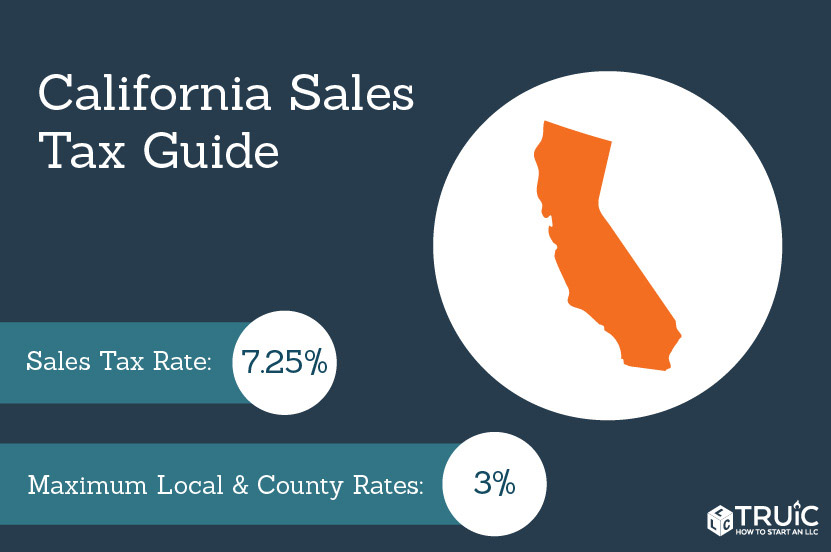
At its core, California imposes a statewide sales tax rate. As of recent updates, this base rate is typically 7.25%. This portion of the tax is applied uniformly across all transactions subject to sales tax, regardless of location within California. It’s the foundational component that funds various state-level public services, infrastructure projects, and other governmental expenditures. Without this base rate, the state would struggle to maintain its extensive network of roads, support public education, and provide essential services to its vast population and millions of visitors.
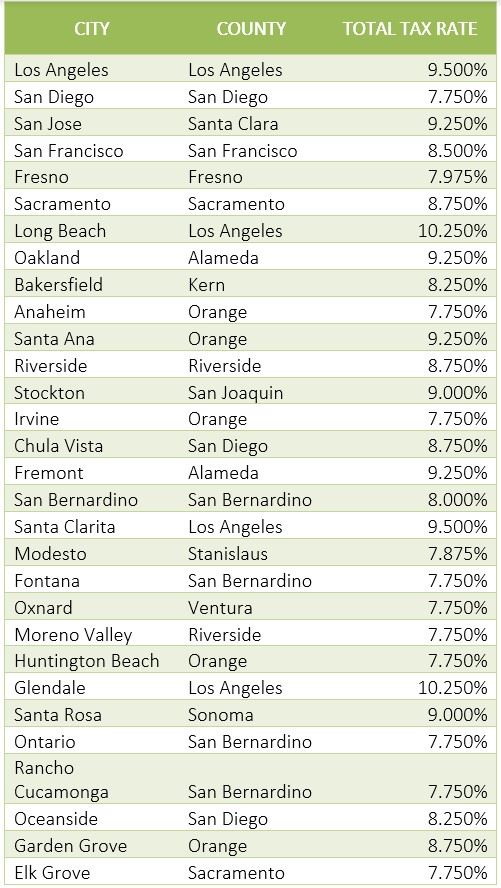
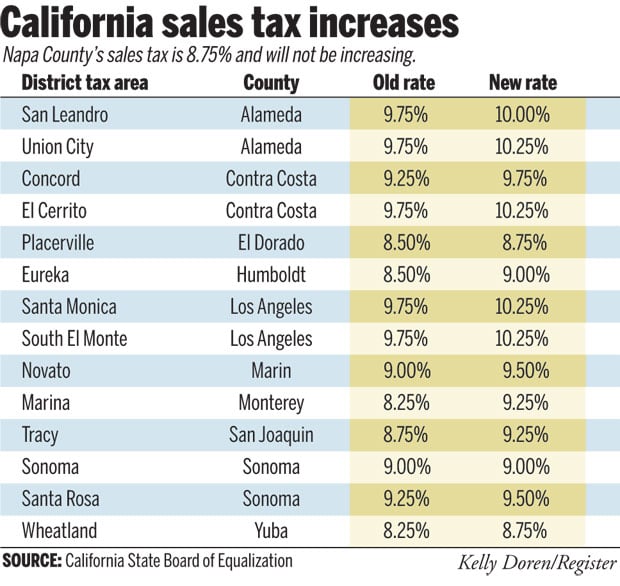
However, the 7.25% is just the starting point. Most cities and counties in California levy additional local district taxes. These district taxes are typically approved by local voters to fund specific local initiatives, such as public transportation improvements in Los Angeles or housing programs in Oakland. These additional rates can range from as little as 0.10% to over 2.00% or even higher in some areas, leading to combined sales tax rates that can exceed 10% in certain locales. For instance, a purchase made in Santa Monica might have a different total sales tax rate than an identical purchase made in a neighboring city like Malibu, despite both being within Los Angeles County. This variability underscores the importance for tourists and residents alike to be aware of the specific rates in the areas they frequent. Utilizing online sales tax calculators or simply checking receipts can help travelers understand the full cost of their purchases, allowing for more precise budgeting, especially when indulging in shopping sprees or buying high-value items.
What Goods and Services Are Taxed?
The application of California sales tax primarily extends to the retail sale of tangible personal property. This means that when you purchase a physical item—whether it’s a new outfit from a boutique on Rodeo Drive, a surfboard from a shop in Huntington Beach, or groceries from a supermarket (with some key exemptions discussed later)—it will generally be subject to sales tax. This broad category covers almost all physical goods you might buy during your travels, including souvenirs, electronics, clothing, books, and even prepared food items from restaurants or delis.
For a traveler, understanding this distinction is crucial. When you visit attractions like the Getty Center and buy a gift from the museum store, sales tax will apply. Similarly, if you’re exploring the historic Gaslamp Quarter in San Diego and decide to purchase a unique piece of art, sales tax will be added to the price. Even seemingly small purchases can add up, making it worthwhile to factor sales tax into your budget for shopping, especially for higher-ticket items or when planning extensive retail therapy.
One common area of confusion for many is the taxation of services. In California, most services are generally not subject to sales tax, unless they are intrinsically linked to the sale of tangible personal property. For example, if you pay for a massage at a spa in Palm Springs, no sales tax is typically applied to the service fee itself. However, if the spa sells you a lotion or other physical product, sales tax would apply to that item. Similarly, tickets for attractions like Legoland California or tour packages for Yosemite National Park are generally exempt from sales tax, though any physical merchandise purchased within these venues would be taxed. This distinction between goods and services is a key feature of the sales tax system, designed to differentiate between the transfer of physical items and the provision of expertise or experiences.
Sales Tax and the California Traveler’s Budget
For many visitors, budgeting for a trip to California involves estimating costs for flights, hotels, dining, and attractions. However, the often-overlooked sales tax can significantly impact your overall expenses, particularly for those who enjoy shopping, dining out, or plan to purchase souvenirs and local goods. Integrating sales tax into your financial planning ensures a more accurate budget and prevents any unwelcome surprises at the checkout counter.
Impact on Retail Therapy and Souvenirs
California offers an unparalleled shopping experience, from high-end luxury brands in South Coast Plaza to unique artisan crafts in Carmel-by-the-Sea. Every retail purchase of tangible personal property, be it a new pair of sunglasses in Santa Barbara, a piece of apparel from a boutique in West Hollywood, or even a magnet commemorating your visit to the Golden Gate Bridge in San Francisco, will have sales tax added to its sticker price. Given that combined sales tax rates in popular tourist destinations can easily exceed 9% or even 10%, a significant shopping spree can see hundreds of dollars added to your bill in taxes alone.
For example, if you splurge on a designer handbag priced at $1,000 in a city with a 9.5% sales tax rate, you’ll end up paying an additional $95 in tax. While individual small purchases might not seem like much, cumulatively, they can substantially inflate your spending. Savvy travelers often factor an extra 10% into their shopping budget to account for sales tax, ensuring they can enjoy California’s retail delights without financial stress. This consideration is particularly relevant for those on a budget travel plan, where every dollar counts, or for luxury travelers who might make several high-value purchases.
Dining Out: Restaurant Meals and Sales Tax
California is a culinary paradise, boasting everything from Michelin-starred restaurants in Yountville to casual taco trucks in Orange County. Almost all prepared food and beverages purchased for immediate consumption, whether from a restaurant, café, food truck, or even a grocery store deli, are subject to sales tax. This means that every delicious meal, every artisanal coffee, and every glass of local wine or craft beer will have sales tax added to the menu price.
This applies broadly across the state. Enjoying seafood on Pier 39 in San Francisco, sampling diverse cuisines in Downtown Los Angeles, or grabbing a quick bite before heading to Knott’s Berry Farm will all incur sales tax. The total cost of your dining experiences can significantly increase when you factor in sales tax, alongside customary tips. To maintain an accurate dining budget, it’s wise to assume an additional 10-12% on top of menu prices for tax and tip, especially in areas with higher local sales tax rates. For travelers exploring the diverse food scenes, this small calculation can prevent overspending and allow for more culinary adventures.
Accommodation and Related Charges
When it comes to accommodation in California, it’s important to distinguish between sales tax and Transient Occupancy Tax (TOT), often referred to as hotel or bed tax. The room rate for hotels, resorts, apartments, and villas, while definitely subject to an additional tax, is typically exempt from the statewide sales tax. Instead, accommodations are subject to the TOT, which is a separate local tax levied by cities and counties on short-term rentals.
The TOT rates vary widely across California, from around 6% to as high as 15% or more in popular tourist destinations. For instance, a luxury suite at a Santa Monica resort or a cozy bungalow in Big Sur will have this occupancy tax added to the nightly rate. While this isn’t the sales tax we’ve been discussing, it serves a similar function in adding to the overall cost of your stay. When booking your accommodation, always check the fine print for the total cost, including all taxes and fees, to avoid surprises. Many booking platforms will show the combined rate, but it’s good practice to be aware of the different components.
However, sales tax can still apply to certain purchases within your accommodation. If you order room service food, buy items from the hotel gift shop, or make purchases at an on-site retail store within a resort like Pechanga Resort Casino in Temecula, those specific transactions for tangible goods will be subject to the standard California sales tax rate for that locality. Understanding this distinction helps travelers accurately budget for their entire stay, from the initial booking to in-room conveniences and amenities.
Navigating Exemptions and Special Circumstances
While the general rule of thumb is that tangible personal property is subject to California sales tax, there are notable exemptions and special circumstances that can impact consumers and businesses alike. Being aware of these exceptions can lead to significant savings for travelers and residents, and they often reflect specific policy goals, such as promoting health or supporting certain industries.
Common Exemptions for Consumers and Businesses
One of the most significant exemptions for everyday consumers, and a relief for families traveling on a budget, is for most unprepared food products. When you visit a grocery store or farmer’s market in Pasadena or San Luis Obispo, items like fresh produce, meats, dairy products, and packaged snacks intended for home consumption are generally exempt from sales tax. This exemption is a crucial aspect of affordability, especially for long-term stays or family trips where self-catering is a preferred accommodation option. However, as mentioned, prepared foods for immediate consumption, hot meals, and certain carbonated beverages are typically taxed. The line can sometimes be blurry, so if in doubt, check your receipt or inquire at the point of sale.
Other notable exemptions include prescription medicines and certain medical devices, which are exempt to ensure healthcare accessibility. Additionally, sales of certain materials used in manufacturing or for resale by businesses are also exempt, preventing “tax on tax” scenarios and supporting industrial activity across the state, from the tech hubs of Silicon Valley to the agricultural regions of the Central Valley. Businesses also benefit from exemptions on equipment and machinery purchases that are integral to manufacturing, which helps foster economic growth and job creation within the state.
Digital Services, Rentals, and Unique Scenarios
In the modern digital age, the question of how sales tax applies to digital goods and services is increasingly relevant. Generally, purely digital products like downloaded software, e-books, streaming subscriptions to services in Hollywood, or online courses are not subject to California sales tax. This is because they are not considered “tangible personal property” under the current tax laws. This is a welcome distinction for travelers who might be downloading entertainment or digital guides for their journey, as it keeps those costs tax-free. However, if a digital product is delivered on a tangible medium, such as software on a physical disc, it would typically be taxed.
Rentals of tangible personal property also fall under a specific set of rules. For example, when you rent a car for a road trip from San Francisco to Lake Tahoe, the rental charges themselves are subject to sales tax. This differs from the service-oriented model of hiring a taxi or ride-share, where the service itself is generally untaxed. Additionally, specific industries might have unique tax implications. For example, certain vending machine sales or transactions involving specific agricultural products may have different rules. Understanding these nuances can be particularly helpful for business travelers or those engaging in niche activities during their California visit.
The Broader Economic Impact and Consumer Awareness
Beyond the immediate financial implications for individual purchases, California sales tax plays a critical role in the state’s economy and directly impacts the quality of life for both residents and visitors. Being aware of where your tax dollars go can foster a deeper appreciation for the services and infrastructure that make California such an attractive destination.
Funding Public Services and Infrastructure
The revenues generated from California’s sales tax, both the state portion and the local district taxes, are essential for funding a vast array of public services. These include vital areas such as public education, healthcare services, emergency response (police and fire departments), and social welfare programs that support communities across the state, from the bustling urban centers of Sacramento to the rural communities of the Sierra Nevada.
Furthermore, a significant portion of sales tax revenue is allocated to public infrastructure projects. This means that the roads you drive on, the public transportation systems you utilize in cities like San Jose, the parks you visit, and even the upkeep of famous landmarks like Alcatraz Island are often supported by these tax contributions. For travelers, this translates into well-maintained tourist routes, accessible public facilities, and a safe, enjoyable environment throughout their journey. Understanding this broader impact can transform the perception of sales tax from a mere added cost to a contribution towards the vibrant experience California offers.
Tips for Budgeting Your California Adventure
For anyone planning a trip to California, incorporating sales tax into your budget from the outset is a smart move. Here are some practical tips to ensure a financially smooth and stress-free adventure:
- Research Local Rates: Before heading to a specific city or region, quickly check its current sales tax rate online. Websites like the California Department of Tax and Fee Administration (CDTFA) provide up-to-date information on rates by city and county. Knowing if you’re in a 7.25% or 10.25% zone can significantly impact your shopping and dining costs.
- Factor into Shopping & Dining Budgets: When allocating funds for retail therapy or culinary explorations, add an extra 8-10% buffer to your estimated spending for sales tax alone. This small percentage can prevent surprises, especially on higher-value purchases or multiple dining experiences.
- Distinguish Food Purchases: Maximize your budget by being mindful of the sales tax on food. Opting for unprepared groceries for some meals, particularly if your accommodation includes kitchen facilities (e.g., an Airbnb in Big Bear Lake or a suite at an Embassy Suites Hotel), can significantly reduce your overall food expenses compared to eating out for every meal.
- Check Accommodation Total Costs: Always look at the “total cost” when booking hotels or other accommodations, which typically includes the Transient Occupancy Tax (TOT) and any other fees. Do not assume the listed nightly rate is the final price.
- Keep Receipts: Reviewing your receipts is a good habit. It helps you track your spending, understand the various taxes applied, and can even help identify any potential errors.
- Consider the “All-Inclusive” Option: While less common in California than in some other destinations, some resorts might offer packages that bundle certain meals or activities. Carefully evaluate if these options genuinely save you money after considering individual sales tax implications.
By keeping these points in mind, you can navigate California’s sales tax system with confidence, ensuring that your focus remains on enjoying the breathtaking destinations, unique attractions, and unforgettable experiences that the Golden State has to offer. From the vibrant city life to the serene natural landmarks, understanding the financial landscape is a key step towards a truly memorable California adventure.
LifeOutOfTheBox is a participant in the Amazon Services LLC Associates Program, an affiliate advertising program designed to provide a means for sites to earn advertising fees by advertising and linking to Amazon.com. Amazon, the Amazon logo, AmazonSupply, and the AmazonSupply logo are trademarks of Amazon.com, Inc. or its affiliates. As an Amazon Associate we earn affiliate commissions from qualifying purchases.