
The Colorado Blue Spruce (Picea pungens glauca) stands as a truly iconic natural landmark, particularly in its native habitat of the Rocky Mountains of North America. Revered for its striking silvery-blue needles, conical form, and impressive stature, this evergreen conifer is not only the state tree of Colorado and Utah but also a popular choice for ornamental planting across temperate regions worldwide. Its majestic presence often evokes a sense of enduring natural beauty and resilience, making its growth a subject of considerable interest for horticulturists, landscapers, and nature enthusiasts alike. Understanding the growth rate of a Colorado Blue Spruce is crucial for those who wish to appreciate its life cycle, plan its placement in a garden or forest, or simply marvel at the intricate processes of the natural world.

Unlike fast-growing deciduous trees or even some other conifers, the Colorado Blue Spruce is generally considered to be a medium-growth tree. This classification, however, masks a nuanced reality where various factors can significantly accelerate or decelerate its development. From the nutrient composition of the soil to the prevailing climatic conditions, a multitude of environmental and genetic elements conspire to dictate precisely how quickly this magnificent tree ascends skyward. For those observing these natural wonders in their pristine environments or cultivating them in managed landscapes, a deeper insight into these dynamics is essential. This article delves into the typical growth patterns of the Colorado Blue Spruce, exploring the critical factors that influence its development, and outlining what to expect from this enduring symbol of the American West. By understanding its rhythm of growth, we can better appreciate its place as a cherished component of natural landscapes and cultivated spaces, recognizing it not just as a tree, but as a living landmark that evolves and thrives over decades, even centuries.
The Colorado Blue Spruce: An Iconic Natural Landmark
The Colorado Blue Spruce is more than just a tree; it’s a living monument, deeply intertwined with the natural heritage of the western United States. Its resilience, distinctive appearance, and ecological significance cement its status as an iconic natural landmark, both in its native Rocky Mountains and in cultivated landscapes globally.
Native Habitat and Characteristics
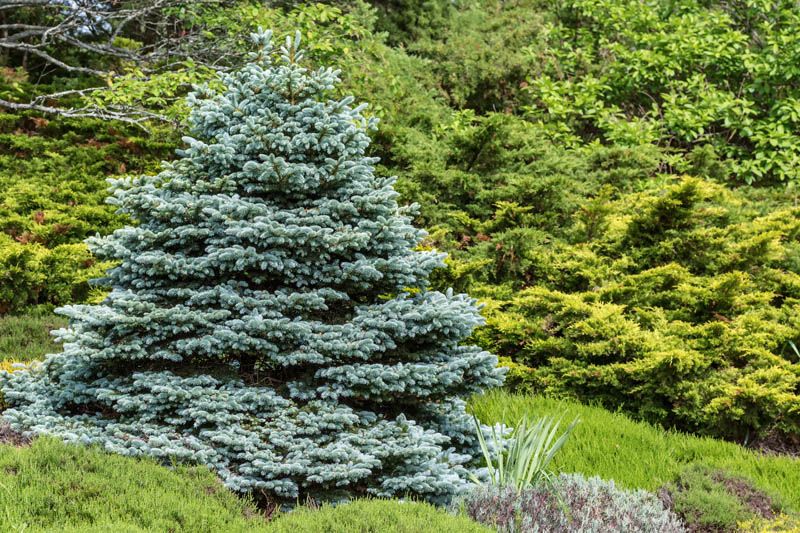
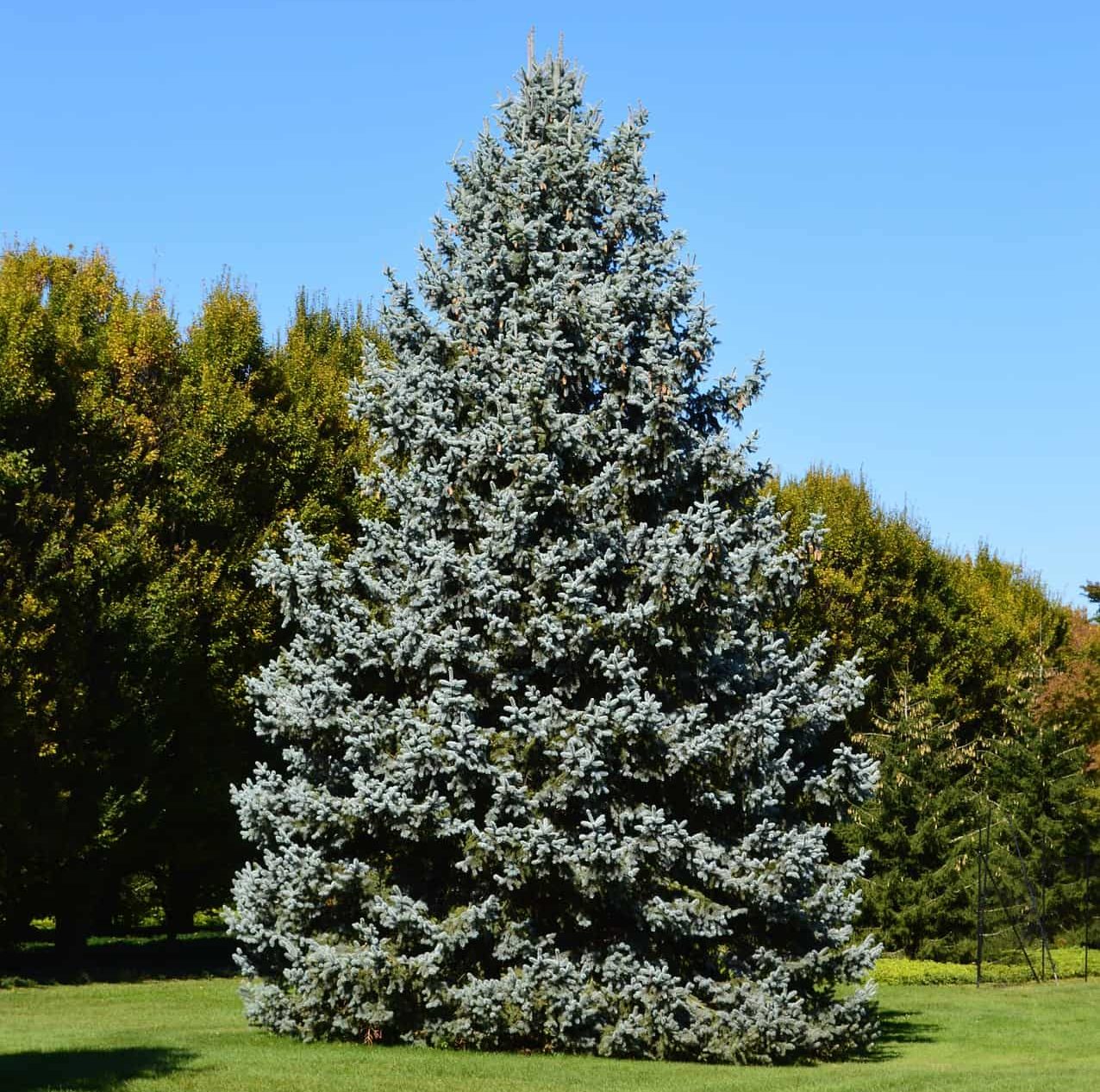
Originating in the central and southern Rocky Mountains, primarily in Colorado and Utah, the Colorado Blue Spruce thrives at elevations between 6,000 and 11,000 feet. Here, it endures harsh conditions, including cold winters, significant snow loads, and arid summers, testament to its remarkable hardiness. Its scientific name, Picea pungens, refers to its sharp, pointed needles, while ‘glauca’ highlights its characteristic glaucous, or bluish-white, waxy coating, which gives the tree its celebrated blue hue. This protective coating is not merely aesthetic; it plays a vital role in reducing water loss, enabling the spruce to withstand the dry, sunny conditions of its mountain home. The tree typically grows to a height of 60-100 feet (18-30 meters) in the wild, with a spread of 20-30 feet (6-9 meters), though some specimens have been known to reach up to 150 feet. Its pyramidal shape, dense branching, and stiff, prickly needles make it an unmistakable presence in the subalpine forest ecosystem.
Its Role in Colorado’s Ecosystem
In its native environment, the Colorado Blue Spruce plays a crucial ecological role. It provides vital habitat and shelter for a variety of wildlife, from birds nesting in its dense branches to mammals seeking cover beneath its broad canopy. Its extensive root system helps stabilize soil, preventing erosion on steep mountain slopes, particularly along streambanks and in moist valleys where it often thrives. The tree contributes to the overall biodiversity of the Rocky Mountain forests, forming mixed stands with other conifers like Douglas fir and Ponderosa pine. Its ability to withstand drought and cold makes it a resilient component of these ecosystems, contributing to the health and stability of these cherished natural landmarks. Beyond its ecological function, the striking beauty of the Colorado Blue Spruce has made it a symbol of the American West, drawing countless visitors to admire its grandeur in national parks and forests.
Deciphering the Growth Rate: What to Expect
When considering the growth rate of a Colorado Blue Spruce, it’s important to frame it within the context of a medium-growing tree. This general classification translates to an average annual growth increment, but this average is influenced by distinct phases in the tree’s life.
Typical Annual Growth Increment
On average, a Colorado Blue Spruce will grow about 12 to 24 inches (30-60 cm) per year under ideal conditions. This figure is a general guideline and can fluctuate significantly. In its early years, particularly after establishment, a young spruce might exhibit slightly slower growth as it invests energy into developing a robust root system. Once established, typically after 2-3 years, its growth rate will accelerate. Optimal conditions – well-drained soil, adequate sunlight, sufficient water, and proper nutrients – are paramount for achieving the upper end of this growth range. Conversely, poor soil, drought, excessive shade, or nutrient deficiencies will inevitably slow its development, sometimes reducing annual growth to just a few inches.
Growth Stages and Milestones
The life of a Colorado Blue Spruce can be broadly divided into several growth stages, each with its own characteristics and growth potential.
- Seedling Stage (0-5 years): During this initial phase, growth is relatively slow. The primary focus is on root development to anchor the tree and absorb nutrients. A seedling might only grow a few inches per year in height, appearing more like a small bush.
- Juvenile Growth (5-20 years): This is typically the most vigorous growth period. Once the root system is well-established, the tree will dedicate more energy to vertical growth, often reaching its peak annual growth rate of 12-24 inches (or more) during these years. The distinctive pyramidal shape begins to become more pronounced. A 10-year-old Colorado Blue Spruce grown under good conditions could reasonably be 10-15 feet (3-4.5 meters) tall.
- Mature Growth (20-60+ years): As the tree matures, its vertical growth rate may begin to slow, gradually decreasing from its peak. However, it continues to gain girth and density. The tree’s crown expands, and it achieves its characteristic stately form. A mature Colorado Blue Spruce can reach impressive heights of 60-100 feet (18-30 meters) and live for 150-200 years, with some wild specimens exceeding 600 years, standing as true living landmarks through centuries.
- Old Growth/Decline (60+ years): In very old age, growth slows considerably, and the tree may begin to show signs of decline, though a healthy Blue Spruce can maintain its vigor for a very long time.
Key Environmental Factors Influencing Spruce Growth
The growth rate of a Colorado Blue Spruce is not predetermined but is rather a dynamic outcome of its genetic potential interacting with its environment. Several key factors play a pivotal role in dictating how quickly and robustly these trees develop.
Soil Conditions and Nutrients
The quality of the soil is foundational to healthy spruce growth. Colorado Blue Spruce prefers well-drained, slightly acidic to neutral soils (pH 6.0-7.5). Heavy clay soils that retain too much moisture can lead to root rot, while excessively sandy soils may not hold enough water or nutrients. Good soil aeration is also critical. Beyond texture and drainage, the availability of essential nutrients – nitrogen, phosphorus, and potassium, along with micronutrients – directly fuels growth. Deficiencies can lead to stunted growth, discoloration, and increased susceptibility to pests and diseases. Regular soil testing can help identify and rectify nutrient imbalances, ensuring the tree has the resources it needs to thrive.
Water Availability and Climate
Water is indispensable for all plant life, and the Colorado Blue Spruce is no exception. While mature trees are relatively drought-tolerant once established, consistent moisture is crucial for optimal growth, especially for young trees. Prolonged periods of drought will significantly slow growth and can cause stress. Conversely, waterlogged conditions are detrimental, leading to root problems. The climate, encompassing temperature ranges, precipitation patterns, and humidity, also exerts a strong influence. The Colorado Blue Spruce is cold-hardy, thriving in USDA Hardiness Zones 2-7. Extreme heat or unseasonal cold snaps can stress the tree, impacting its metabolic processes and reducing growth efficiency.
Sunlight Exposure and Air Quality
Sunlight is the energy source for photosynthesis, the process by which trees convert light into energy for growth. Colorado Blue Spruce prefers full sun, meaning at least 6-8 hours of direct sunlight per day. While it can tolerate some partial shade, growth will be slower and less dense, and the characteristic blue color of its needles may be less pronounced. Trees grown in deep shade will be spindly and grow very slowly. Air quality, though often overlooked, can also affect growth. Pollution, particularly sulfur dioxide and ozone, can damage needles, reduce photosynthetic capacity, and ultimately hinder growth. Trees in urban or industrial areas may therefore grow slower than their counterparts in pristine natural environments.
Beyond Growth Rate: The Blue Spruce’s Role in Nature and Cultivation
While the discussion of how fast a Colorado Blue Spruce grows is inherently practical, its significance extends far beyond mere measurements of height and girth. This iconic tree embodies both ecological resilience and aesthetic beauty, playing multifaceted roles in both wild landscapes and human-designed spaces.
Ecological Importance
In its native Rocky Mountain habitat, the Blue Spruce is a cornerstone of the ecosystem. It contributes to watershed health by stabilizing soil along riverbanks and mitigating erosion, especially important in mountainous terrain prone to runoff. Its dense canopy and strong branches offer crucial shelter and nesting sites for a variety of birds, including Crossbills and Pine Siskins, which feed on its seeds. Mammals like deer and elk find refuge and occasional forage beneath its protective boughs. The tree’s ability to thrive in challenging conditions makes it a vital species for forest regeneration and ecosystem resilience against disturbances such as fires and climate fluctuations. Its presence marks healthy, functioning high-altitude ecosystems, serving as a natural indicator of environmental well-being.
Ornamental Value and Christmas Tree Production
Beyond its wild habitat, the Colorado Blue Spruce is one of the most popular ornamental conifers in the world. Its striking blue-green foliage, symmetrical conical shape, and robust nature make it an ideal specimen tree for parks, large gardens, and commercial landscapes. It provides year-round color and structure, especially appealing in winter landscapes where its needles stand out against snow. Its dense growth makes it an excellent choice for windbreaks and privacy screens. Furthermore, the Colorado Blue Spruce is a highly valued Christmas Tree due to its strong branches, excellent needle retention, and beautiful color. Farmers meticulously cultivate these trees, often pruning them to enhance density and shape, specifically for the holiday market, showcasing how human cultivation can optimize a tree’s aesthetic potential.
Cultivating a Legacy: Optimizing Growth for Longevity and Vigor
For those who wish to cultivate a Colorado Blue Spruce, whether as a cherished garden specimen or a robust windbreak, understanding and implementing proper care practices are crucial. These practices not only influence the growth rate but also ensure the tree’s long-term health, vigor, and its ability to stand as a lasting natural landmark in a curated environment.
Proper Planting and Establishment
The journey to a healthy, fast-growing Blue Spruce begins with proper planting. Select a site that offers full sun exposure and has well-drained soil. Dig a hole that is twice as wide as the root ball and just as deep, ensuring the root collar (where the trunk flares out at the base) is even with or slightly above the soil line. Amending heavy clay soils with organic matter can improve drainage. After planting, water thoroughly to settle the soil around the roots and eliminate air pockets. Mulching around the base with a 2-4 inch layer of organic material helps retain moisture, regulate soil temperature, and suppress weeds. Crucially, consistent watering during the first 2-3 years after planting is vital for the tree to establish a strong root system, which is the foundation for future vigorous growth. Deep, infrequent watering is generally preferred over shallow, frequent watering to encourage roots to grow deeper.
Pruning and Pest Management
While Colorado Blue Spruce generally requires minimal pruning, strategic intervention can enhance its health and aesthetic appeal. Pruning is best done in late winter or early spring before new growth emerges. Focus on removing dead, damaged, or diseased branches to prevent the spread of pathogens. Light shaping can maintain a desired form, but avoid excessive trimming that can stress the tree.
Pest and disease management are also critical for long-term vigor. Colorado Blue Spruce can be susceptible to issues such as Spruce Needle Blight (caused by Rhizosphaera kalkhoffii), Cytospora Canker, and insect pests like Spruce Spider Mites and Cooley Spruce Gall Adelgids. Regular inspection of the tree for signs of distress – discolored needles, sap exudation, or visible pests – allows for early intervention. Good cultural practices, such as proper watering, avoiding over-fertilization (which can attract pests), and ensuring good air circulation, significantly reduce the risk of these problems. In case of infestation or disease, consulting with a certified arborist can provide targeted solutions to protect the tree and ensure its continued health and growth, allowing it to fulfill its potential as a grand and enduring natural presence in any landscape.
LifeOutOfTheBox is a participant in the Amazon Services LLC Associates Program, an affiliate advertising program designed to provide a means for sites to earn advertising fees by advertising and linking to Amazon.com. Amazon, the Amazon logo, AmazonSupply, and the AmazonSupply logo are trademarks of Amazon.com, Inc. or its affiliates. As an Amazon Associate we earn affiliate commissions from qualifying purchases.