
The Eisenhower Tunnel, an enduring symbol of human ingenuity and a vital artery through the Rocky Mountains in Colorado, is often a subject of curiosity for travelers and engineering enthusiasts alike. Its immense scale and critical role in transcontinental travel frequently prompt the question of its exact dimensions.
The Eisenhower Tunnel, officially known as the Eisenhower-Johnson Memorial Tunnel, consists of two parallel bores. The westbound bore, named after President Dwight D. Eisenhower, measures approximately 1.69 miles (2.72 kilometers) in length. The eastbound bore, named after Edwin C. Johnson, a former chief engineer of the Colorado Department of Transportation (CDOT), is slightly longer at 1.7 miles (2.73 kilometers). Combined, these twin tunnels represent a monumental achievement, piercing the Continental Divide at an elevation of over 11,000 feet, making them one of the highest vehicular tunnels in the world.
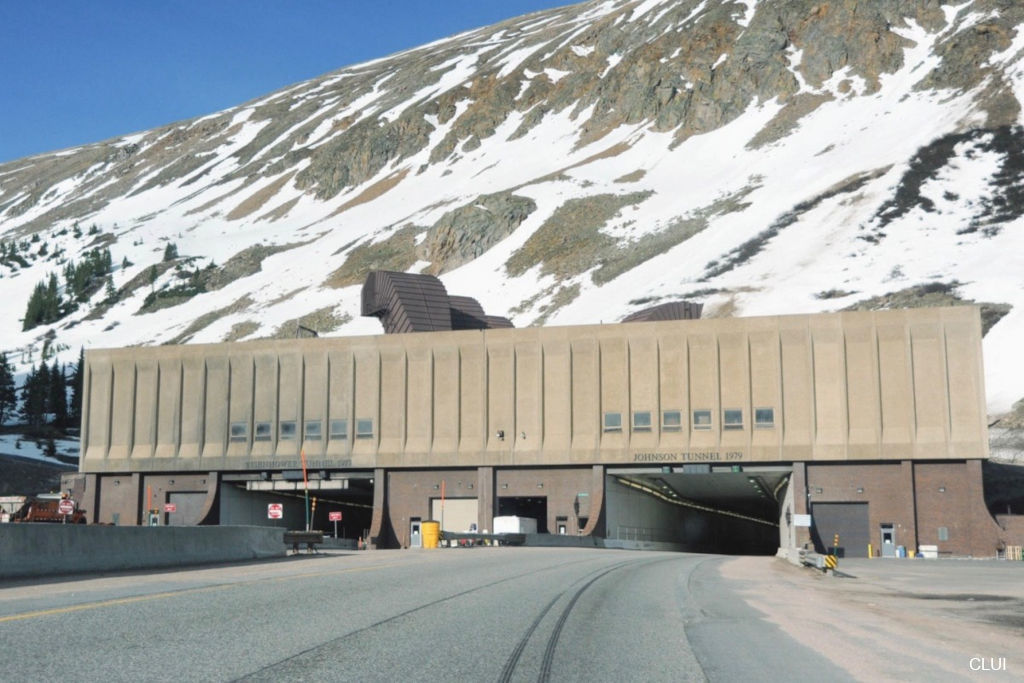
An Engineering Marvel Through the Rockies
The sheer scale of the Eisenhower Tunnel is difficult to grasp without understanding the formidable geological and environmental challenges its builders faced. It’s not merely a hole drilled through a mountain; it’s a meticulously designed and continuously maintained structure that withstands extreme conditions daily.
Unveiling the Tunnel’s Dimensions
While the approximate lengths of 1.69 and 1.7 miles are impressive, the functional impact of these lengths is even more significant. Before the tunnel’s construction, travelers navigating Interstate 70 (I-70) over the Continental Divide had to brave the treacherous Loveland Pass. This mountain pass, reaching an elevation of 11,990 feet, was notorious for its steep grades, hairpin turns, and frequent closures due to heavy snowfall and adverse weather, particularly during Colorado’s long winter season. The tunnel effectively shaves off approximately 10 miles of perilous mountain driving and bypasses the highest points of the pass, providing a safer, more reliable, and significantly faster route. The length, therefore, isn’t just a number; it represents a triumph over natural barriers, ensuring consistent passage for millions of vehicles annually.
The Strategic Location and Its Challenges
The decision to bore through the Continental Divide at this specific location was strategic but fraught with difficulties. Situated just east of the Arapaho National Forest, the tunnels traverse some of the most rugged terrain in the Rocky Mountains. The geological conditions included fractured rock, unstable fault lines, and significant water intrusion, which posed constant threats during excavation. Workers contended with temperatures that plummeted well below freezing, high winds, and the effects of working at such extreme altitudes, which limited oxygen levels and intensified physical exertion. These environmental factors significantly complicated the tunneling process, demanding innovative engineering solutions and an extraordinary degree of perseverance from the construction teams.
A Feat of Vision and Determination
The story of the Eisenhower Tunnel is a testament to long-term vision and unwavering determination. It emerged from a necessity to connect Colorado’s populous Front Range with its resource-rich western slope and burgeoning ski industry, transforming regional transportation.
The Genesis of the Project
The idea of a tunnel beneath the Continental Divide had been considered for decades, but it wasn’t until the mid-20th century that the project gained serious momentum. With the advent of the Interstate Highway System and the growing popularity of skiing destinations like Vail and Aspen, the limitations of Loveland Pass became glaringly apparent. Truckers faced dangerous conditions, and tourists were often stranded by blizzards. A reliable, all-weather route was essential for economic growth and public safety. Preliminary studies and political lobbying paved the way for congressional approval and funding, setting the stage for one of the most ambitious infrastructure projects in American history. Construction on the first bore (westbound) began in March 1968, and it opened to traffic in March 1973. The second bore (eastbound) followed, opening in December 1979.
Overcoming Formidable Obstacles
The construction of the Eisenhower Tunnel was a saga of overcoming relentless challenges. More than 4,000 workers contributed to its creation, enduring hazardous conditions, including rockfalls, methane gas pockets, and freezing groundwater. The tunneling method primarily involved drilling and blasting, which required precise calculations and careful execution. Innovative techniques were employed, such as the use of an artificial glacier to freeze unstable ground, preventing collapses during excavation. The project experienced delays and cost overruns, characteristic of such large-scale endeavors, but the commitment to completion never wavered. The eventual success was a triumph of engineering expertise, robust machinery, and the sheer grit of the workforce, earning the tunnel a place among the world’s most impressive civil engineering feats.
The Impact and Legacy of the Eisenhower Tunnel
Beyond its physical dimensions and construction history, the Eisenhower Tunnel holds a profound legacy, fundamentally altering the landscape of travel and commerce in Colorado and the wider western United States.
Revolutionizing Trans-Continental Travel
The most immediate and apparent impact of the Eisenhower Tunnel was the revolution it brought to trans-continental travel. By providing a direct and reliable route through the Continental Divide, it significantly reduced travel times between Denver and Colorado’s western slope. What once was a perilous, multi-hour journey over high mountain passes could now be accomplished quickly and safely, even in the harshest winter weather. This connectivity was crucial for tourism, allowing millions to access ski resorts, national parks, and other recreational areas with unprecedented ease. It also facilitated efficient movement of goods and services, strengthening economic ties across the state and beyond. The tunnel transformed I-70 into a primary transportation corridor, a status it maintains today.
A Lifeline for Colorado’s Economy
The Eisenhower Tunnel functions as a lifeline for Colorado’s economy. It supports industries ranging from tourism and recreation to trucking and logistics. The reliable passage it offers ensures that businesses on both sides of the divide can operate effectively, minimizing disruptions caused by weather or road closures. Ski resorts, dependent on easy access for visitors, have flourished. Communities along the I-70 corridor have grown, benefiting from increased traffic and trade. The tunnel’s consistent operation underscores its role not just as a piece of infrastructure but as an economic engine, enabling sustained growth and prosperity for the state. Its continued maintenance and periodic upgrades, managed by the Colorado Department of Transportation (CDOT), are a testament to its enduring importance.
Navigating the Tunnel: What Travelers Should Know
For those planning to travel through the Eisenhower Tunnel, understanding its operational aspects is key to a smooth and safe journey. Despite its robust construction, it requires constant vigilance and specialized management.
Safety and Operational Excellence
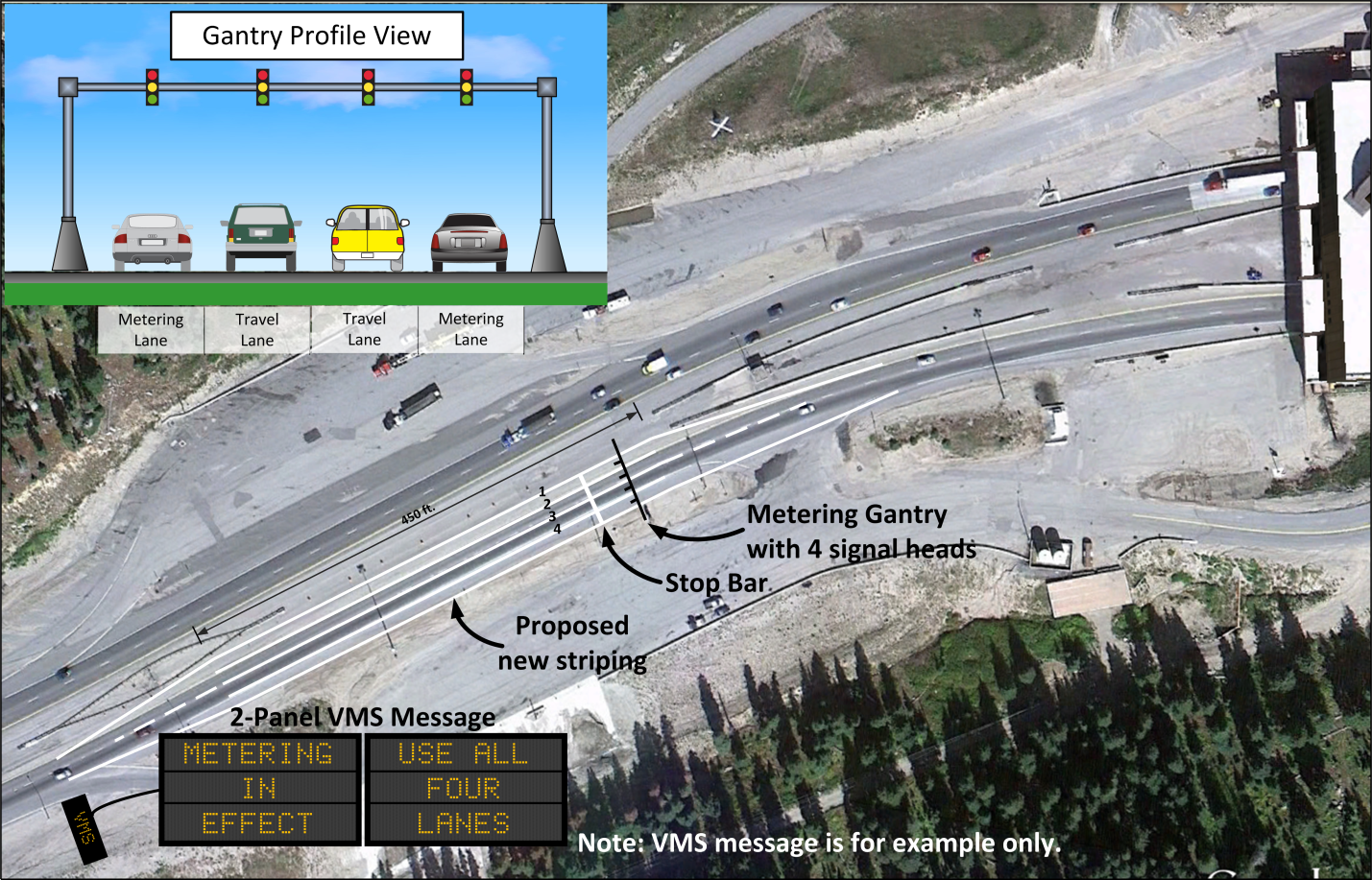
The Eisenhower Tunnel is equipped with sophisticated safety systems, including an extensive ventilation system that pumps fresh air into the bores and removes vehicle exhaust. This is particularly crucial given the tunnel’s length and the volume of traffic it handles. Regular inspections, maintenance routines, and emergency protocols are in place to ensure traveler safety. In the event of an incident, emergency services can quickly respond, and traffic management systems can redirect or halt flow as needed. Large vehicles, particularly those carrying hazardous materials, have specific restrictions and routes they must follow, usually being escorted or rerouted over Loveland Pass. These measures are designed to minimize risks in an enclosed, high-traffic environment.

Planning Your Journey Through the Tunnel
While generally a smooth passage, travelers should be aware of a few considerations. During peak travel seasons, especially weekends and holidays, traffic through the Eisenhower Tunnel can be heavy, leading to significant delays. Checking traffic conditions via the Colorado Department of Transportation (CDOT) website or local traffic apps before embarking on your journey is highly recommended. Drivers should maintain safe following distances, obey speed limits, and be prepared for potential ventilation system noise or slight changes in air pressure. Although the tunnel’s length means a few minutes of driving through the mountain, the experience is generally straightforward and unremarkable, a stark contrast to the challenges it overcomes. The Eisenhower Tunnel stands as a monument to engineering and a testament to the pursuit of connectivity, making Colorado’s majestic landscapes accessible to all.
LifeOutOfTheBox is a participant in the Amazon Services LLC Associates Program, an affiliate advertising program designed to provide a means for sites to earn advertising fees by advertising and linking to Amazon.com. Amazon, the Amazon logo, AmazonSupply, and the AmazonSupply logo are trademarks of Amazon.com, Inc. or its affiliates. As an Amazon Associate we earn affiliate commissions from qualifying purchases.