
Colorado Springs, a captivating city nestled at the base of the majestic Pikes Peak in the heart of Colorado, is a destination that beckons travelers with its stunning natural beauty and vibrant outdoor culture. For many planning a visit, especially during the colder months, a crucial question often arises: “How much snow does Colorado Springs actually get?” This isn’t merely a point of curiosity; understanding the local snowfall patterns is essential for travelers looking to plan their wardrobe, activities, and overall expectations for a winter or early spring getaway.
Unlike some of its mountain resort counterparts, Colorado Springs experiences a unique interplay of snow accumulation and rapid melting, thanks to its specific geographical position and microclimates. While it certainly receives its fair share of winter wonder, often blanketing its iconic landscapes in pristine white, the duration of this snowy embrace can be surprisingly transient. This guide delves deep into the specifics of Colorado Springs’ snowfall, providing insightful details for travelers eager to experience the Pikes Peak region, whether for invigorating outdoor adventures or simply to witness its snow-dusted beauty.

Understanding Colorado Springs’ Unique Climate and Geography
The amount and duration of snowfall in Colorado Springs are heavily influenced by its distinctive geographical location. Situated on the Front Range of the Rocky Mountains, the city benefits from a confluence of climatic factors that shape its winter experience, making it distinct from both the higher-altitude mountain towns and the flatter plains further east.
The Rain Shadow Effect
Colorado Springs lies on the eastern side of the Rocky Mountains, placing it within a significant rain shadow. As moisture-laden air masses move from west to east, they are forced upwards by the mountain range, cooling and condensing their moisture as snow or rain on the western slopes and higher elevations. By the time these air masses descend on the eastern side, they are much drier, resulting in less precipitation for cities like Colorado Springs compared to areas just a few miles to the west in the high country. This phenomenon means that while Colorado Springs gets snow, it generally receives less than ski towns like Breckenridge or Vail.
Elevation Variations
The city itself is not uniform in elevation. Colorado Springs ranges from approximately 6,035 feet (1,839 meters) in the lower areas to over 7,000 feet (2,134 meters) in higher-elevation neighborhoods closer to the mountains. This variation plays a crucial role in local snowfall. Higher areas tend to accumulate more snow and retain it longer than the lower, central parts of the city. A winter storm might bring a dusting to downtown Colorado Springs while simultaneously dumping several inches on areas like Old Colorado City or the neighborhoods bordering the foothills. Travelers exploring different parts of the city should be aware of these localized differences.
Proximity to Pikes Peak
The iconic Pikes Peak, often referred to as “America’s Mountain,” stands sentinel over Colorado Springs at an elevation of 14,115 feet (4,302 meters). Its immense presence significantly influences local weather patterns. Storms can swirl around and over the peak, sometimes creating localized snow squalls or enhancing snowfall in specific areas of the city. While Pikes Peak itself receives considerably more snow than the city below, its presence contributes to the dynamic and often unpredictable nature of winter weather in the region, including sudden temperature drops and rapid changes in precipitation type.
Average Annual Snowfall: The Numbers Game
Understanding the average annual snowfall is key to setting realistic expectations for a winter visit to Colorado Springs. However, it’s important to remember that averages are just that – averages – and actual snowfall can vary significantly from year to year.
General Averages and Variability
On average, Colorado Springs receives approximately 55 to 60 inches of snow annually. This figure represents the total accumulation over the entire snow season, which typically runs from late October through April, with occasional early or late-season surprises. However, this average can be misleading without context. Some years might see less than 40 inches, while others could experience well over 80 inches. For instance, a particularly heavy storm or two can drastically skew the annual total, even if the rest of the winter is relatively mild. Travelers should therefore prepare for a range of conditions rather than relying solely on a single average number.
Monthly Breakdown of Snowfall
While the winter months are generally associated with snow, the distribution throughout the season in Colorado Springs has some interesting characteristics:
- October/November: The first significant snowfalls often occur in late October or November, typically light dustings that quickly melt. Average accumulation is usually around 4-7 inches per month.
- December/January: These months are consistently cold, bringing more frequent snowfall. December averages around 7-10 inches, while January can see 8-12 inches. The snow tends to stick around longer during these colder periods.
- February: Often a transition month, February can be quite snowy, with averages similar to January, around 8-12 inches.
- March/April: Surprisingly, March is often the snowiest month in Colorado Springs, averaging 10-15 inches or more. This is due to the collision of lingering cold fronts with increasing moisture as spring approaches. April also frequently sees significant snowfall, averaging 6-10 inches, often in heavy, wet storms. These late-season snows can be impactful but are usually followed by rapid melting due to the stronger spring sun.
Snow Depth vs. Accumulation
A critical distinction for travelers is between total accumulation and actual snow depth on the ground. While Colorado Springs might accumulate 55-60 inches over a season, it rarely maintains a deep, continuous snowpack in the city proper. The bright Colorado sun, relatively dry air, and frequent “Chinook” winds can lead to rapid melting, sometimes within hours or a day after a storm. This means that even after a significant snowfall, the ground can be clear again very quickly, especially in the lower elevations. Higher elevations and north-facing slopes will retain snow longer. This phenomenon gives rise to the famous “bluebird days,” where a fresh blanket of snow sparkles under a clear, sunny sky, creating postcard-perfect scenery without prolonged disruption.
When to Expect Snow: A Seasonal Guide for Travelers
For travelers planning their visit, knowing when to expect snow can significantly impact their experience and preparations. Colorado Springs’ winter season offers varied snow experiences depending on the month.
Early Winter (November-December)
Early winter in Colorado Springs is characterized by the first noticeable signs of the season. November typically brings the inaugural snowfalls, which are often light and melt quickly. December sees a more consistent pattern of colder temperatures and increased chances of snow. While significant dumps are possible, early winter generally presents a mix of clear, crisp days and occasional light to moderate snow events. Travelers visiting during this period might experience fresh dustings that enhance the festive atmosphere, particularly around the holidays, without necessarily having to contend with prolonged deep snow.
Peak Winter (January-February)
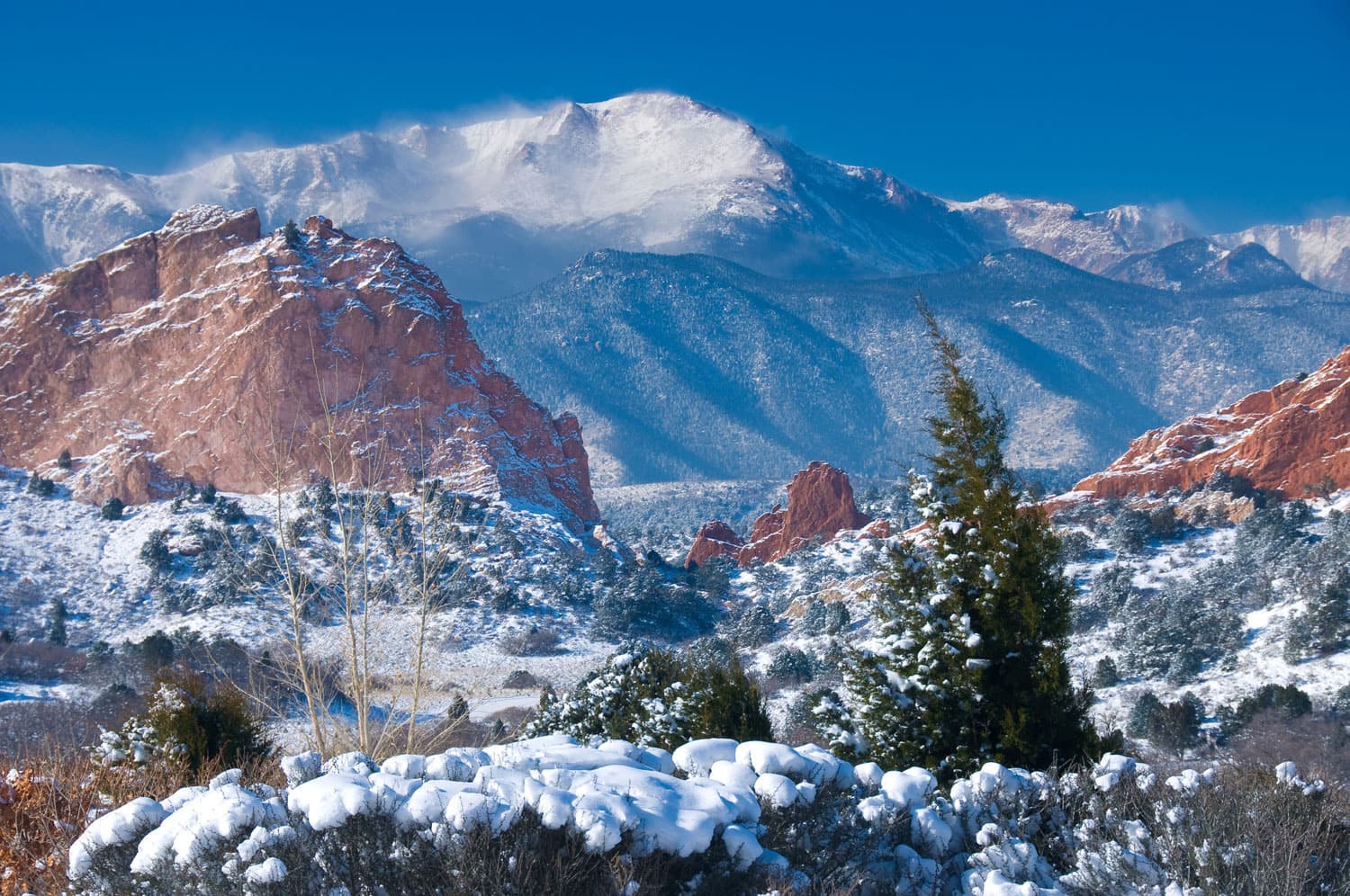
January and February represent the coldest and most reliably snowy period in Colorado Springs. Temperatures regularly drop below freezing, and the chances of seeing sustained snow cover are highest. While the snow still tends to melt faster than in mountain towns, it will likely linger for several days after a storm. These months are ideal for travelers seeking a true winter wonderland experience, with opportunities for snow-related activities and picturesque snowy landscapes. It’s also the time when the region’s natural beauty, like Garden of the Gods dusted in white, is arguably at its most stunning.
Late Winter/Early Spring (March-April)
As mentioned, March often proves to be the snowiest month, and April isn’t far behind. This period can be a delightful surprise for travelers. While the days begin to lengthen and the sun feels warmer, heavy, wet snowstorms are common. These “spring blizzards” can drop a foot or more of snow in a single event. However, the stronger spring sun usually ensures that the snow melts rapidly, often within a day or two, especially on south-facing slopes. This means visitors can wake up to a fresh blanket of snow, enjoy its beauty for a day, and then transition back to milder, sunny conditions perfect for hiking. This volatile yet beautiful transition period offers some of the most dramatic snowy scenes.
The Unexpected May Snow
While less common, it is not unheard of for Colorado Springs to receive a late-season snowstorm even in May. These events are typically short-lived and usually melt off within hours due to the intense spring sun. However, they serve as a charming reminder of Colorado’s unpredictable weather and can create a truly unique travel memory of blooming flowers covered in a dusting of white. Travelers planning a trip in early May should still pack layers and be prepared for any weather contingency.
Beyond the Flakes: What Snow Means for Colorado Springs Travelers
Snow in Colorado Springs is more than just a meteorological phenomenon; it transforms the landscape and influences the travel experience, offering unique opportunities and requiring specific preparations.
Winter Activities and Attractions
The presence of snow opens up a new realm of activities and enhances the beauty of existing attractions.
- Garden of the Gods: Imagine the striking red rock formations capped with brilliant white snow – a truly unforgettable sight for photography and serene walks.
- Broadmoor Seven Falls: While the falls themselves may freeze or become partially iced, the surrounding canyon draped in snow is breathtaking.
- Cheyenne Mountain Zoo: Many animals, especially those adapted to colder climates, are more active and playful in the snow, offering a unique viewing experience.
- U.S. Air Force Academy: The impressive architecture of the chapel and campus takes on a majestic quality under a blanket of snow.
- Local Parks and Trails: Opportunities for snowshoeing, cross-country skiing, or simply enjoying a snowy hike abound in local parks and on trails closer to the mountains.
Driving Conditions and Preparation
For travelers planning to drive, especially during or after a snowfall, preparation is key. While major roads in Colorado Springs are generally well-maintained and quickly plowed, side streets and higher elevation areas can remain slick.
- Vehicles: If renting a car, consider one with all-wheel drive (AWD) or four-wheel drive (4WD), though front-wheel drive (FWD) with good tires is often sufficient for city driving once roads are plowed.
- Tires: Ensure your vehicle has adequate tire tread. Winter tires are recommended for mountain excursions but not strictly necessary for most city driving in Colorado Springs unless a major storm hits.
- Patience and Caution: Drive slower, increase following distance, and avoid sudden braking or accelerating. Check road conditions before heading out, especially if venturing towards Pikes Peak or other mountainous areas.
Dressing for Success
Layering is paramount for winter travel in Colorado Springs. Due to the rapid temperature shifts and the intense sun even on cold days, you might start your day bundled up only to shed layers by midday. Pack waterproof outerwear, insulated gloves or mittens, a warm hat, and waterproof, insulated boots with good grip. Having a base layer, a mid-layer (fleece or down), and an outer shell allows for flexibility.
Planning Your Winter Trip
If your primary goal is to see snow and enjoy winter activities, visiting from January to March offers the highest probability of encountering significant snowfall and prolonged snow cover. If you prefer milder weather with a chance of experiencing a picturesque snow day, November or April can be excellent choices, offering fewer crowds and often clearer roads between snow events. Always check the local weather forecast a few days before and during your trip.
Debunking Snow Myths and Setting Expectations
Many travelers come to Colorado Springs with preconceived notions about Colorado snow, which may not always align with the city’s reality.
“It’s always snowy in Colorado Springs”
This is a common misconception. While Colorado Springs does receive ample snow, it’s not constantly blanketed like a ski resort. Many winter days are sunny and relatively mild, especially in between snowstorms. The city’s climate is characterized by abundant sunshine, even in winter. You can often experience a dramatic snowfall followed by days of clear skies and melting snow.
Quick Melts and “Bluebird Days”
As discussed, a defining characteristic of Colorado Springs’ snow is how quickly it often melts. This phenomenon leads to “bluebird days,” where the sun shines brightly, and the sky is a brilliant blue shortly after a snowstorm. This means travelers can enjoy the beauty of fresh snow without enduring prolonged periods of gray skies or slushy conditions. It’s a best-of-both-worlds scenario for many.
Microclimates within Colorado Springs
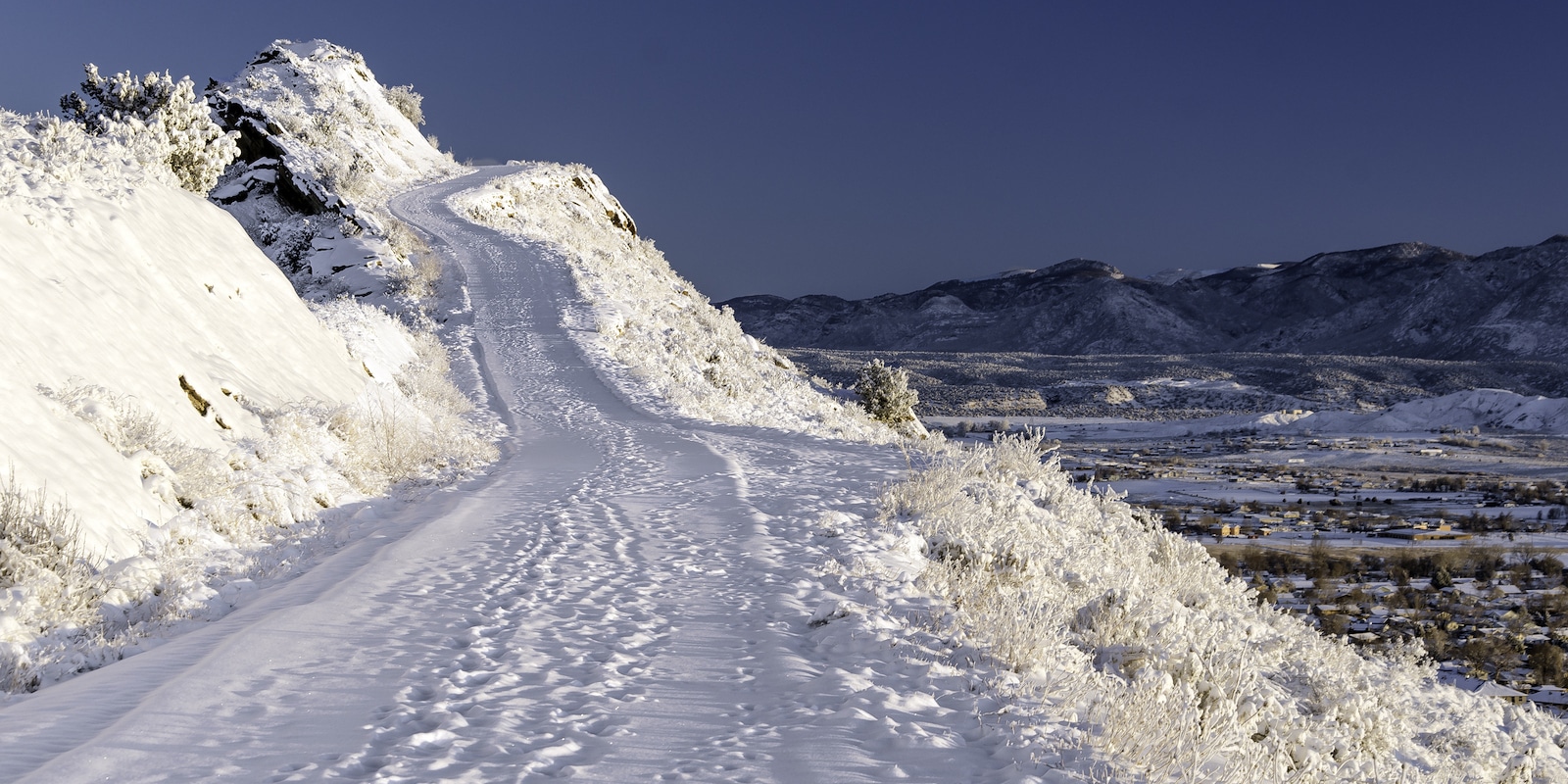
Remember the elevation variations. What’s happening in downtown Colorado Springs might be very different from higher areas near Manitou Springs or the foothills. Always consider your specific location within the region when assessing snow conditions and planning activities. A trip to the Garden of the Gods might offer more snow than walking around the U.S. Olympic & Paralympic Museum.
In conclusion, Colorado Springs receives a healthy amount of snow annually, averaging 55-60 inches, with March often being the snowiest month. However, its unique geography ensures that while snowfall is frequent, it is often followed by rapid melting, creating an ever-changing landscape of snowy beauty and sunny days. For travelers, this means preparing for winter conditions but also anticipating plenty of opportunities to enjoy the crisp, clear air and stunning scenery that make Colorado Springs such a beloved destination. Whether you’re seeking a winter wonderland experience or just want to be prepared for potential snowfall, Colorado Springs in winter offers a truly engaging and memorable travel experience.
LifeOutOfTheBox is a participant in the Amazon Services LLC Associates Program, an affiliate advertising program designed to provide a means for sites to earn advertising fees by advertising and linking to Amazon.com. Amazon, the Amazon logo, AmazonSupply, and the AmazonSupply logo are trademarks of Amazon.com, Inc. or its affiliates. As an Amazon Associate we earn affiliate commissions from qualifying purchases.