
Moving to a new state or establishing roots in a vibrant place like Colorado often brings a host of administrative tasks. Among the most fundamental for anyone looking to fully integrate into the local fabric is acquiring a state-issued identification card. Far more than just a piece of plastic, a Colorado ID card is a gateway to seamless daily living, affirming your presence and simplifying countless aspects of your personal and professional lifestyle within the Centennial State. This comprehensive guide is designed to demystify the process, ensuring you can navigate the requirements and procedures with confidence and ease. Whether you’re a new resident, a long-term visitor, or simply someone who doesn’t drive but needs a reliable form of identification, understanding how to obtain this essential document is a cornerstone of a well-organized life in Colorado.
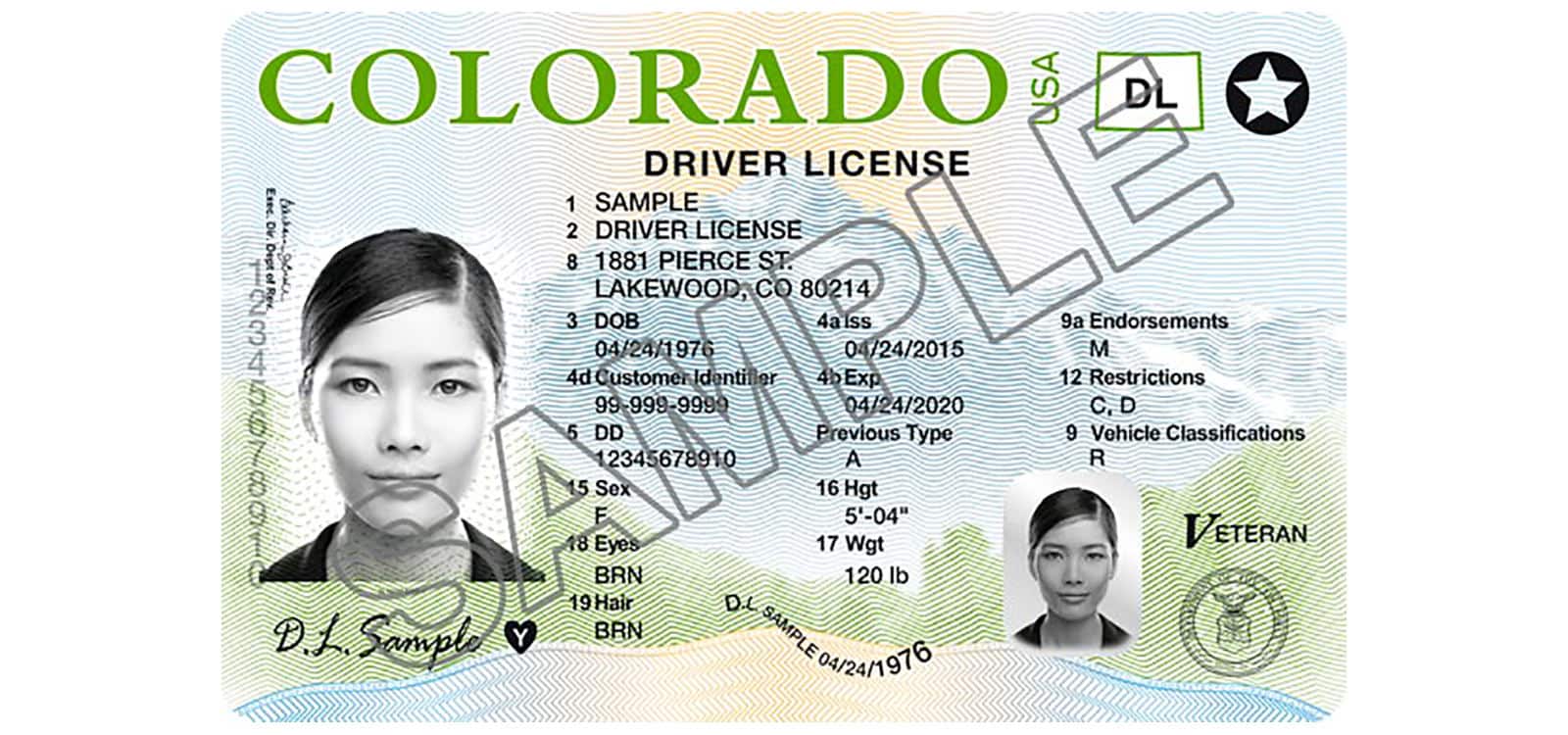
Why a Colorado Identification Card is Essential for Your Lifestyle
In today’s interconnected world, a valid form of identification is indispensable. For those making Colorado their home, an official state ID card serves a multitude of purposes, making daily transactions smoother and establishing your legitimate presence. It’s not merely a legal requirement for certain activities but a practical tool that enhances your quality of life. Embracing the Colorado lifestyle, from accessing local services to simply proving your age, becomes significantly simpler with this foundational document in hand.
Beyond Driving: The Versatility of a State ID
While many immediately think of a driver’s license as the primary form of identification, a Colorado ID card offers all the identification benefits without the driving privileges. This is particularly crucial for individuals who do not drive, are not yet old enough to drive, or prefer to rely on public transportation or ride-sharing services. Despite lacking driving authorization, the state ID card is universally accepted as proof of identity and age throughout the United States. It empowers individuals with the same level of official recognition as a driver’s license, ensuring they are not disadvantaged in situations requiring formal identification. From opening a bank account, applying for a job, or enrolling in educational programs to verifying your age for purchasing age-restricted items or entering venues, its utility is vast and varied.
Establishing Your Presence in the Centennial State
For newcomers to Colorado, obtaining a state ID card is a vital step in establishing residency and solidifying your place within the community. It acts as a clear indicator of your commitment to living in the state, often required by landlords, utility companies, and various governmental and private agencies. Beyond the transactional benefits, having a Colorado ID card can foster a greater sense of belonging and integration. It simplifies processes that require local verification, demonstrating your intent to contribute to and participate in the vibrant Colorado lifestyle. This foundational step helps unlock access to local perks, discounts, and community services that are often tied to proof of state residency.
Meeting Everyday Needs and Requirements
Think about the myriad situations in daily life where an official ID is requested: picking up a package, checking into a hotel, or even just verifying your identity for online services. A Colorado ID card simplifies these interactions, providing a readily available and recognized document. For those navigating the complexities of healthcare, social services, or even simple retail transactions, presenting a government-issued ID instills confidence and speeds up processes. It’s an indispensable tool for managing your personal affairs, confirming your identity securely, and enjoying all that life in Colorado has to offer without unnecessary hurdles.
Eligibility and Documentation: Preparing Your Application
Before you embark on the journey to secure your Colorado ID card, careful preparation of your documents is paramount. The Colorado Department of Motor Vehicles (DMV), which handles ID card issuance, operates under strict federal and state guidelines, particularly concerning identity verification. Gathering the correct documents upfront will save you time, stress, and potential repeat visits, ensuring a smooth and efficient application process tailored to your lifestyle needs.
Who Can Apply? Residency Requirements
To be eligible for a Colorado identification card, you must be able to prove your physical presence or intent to reside in the state. While there is no minimum age to obtain a Colorado ID, individuals under 18 will typically require a parent or legal guardian to be present and provide consent, along with their own identification. For adult applicants, the primary requirement revolves around demonstrating that Colorado is your place of domicile. This isn’t just about having a mailing address; it’s about providing evidence that you live here with the intent to continue living here. Understanding these residency stipulations is your first step towards a successful application, reinforcing the lifestyle choice you’ve made to call Colorado home.
Proof of Identity and Legal Presence
This is arguably the most critical component of your application. You will need to present documents that establish both your identity and your legal presence in the United States. Generally, the DMV requires a combination of primary and secondary documents.
- Primary Documents (Proof of Identity): These are typically original or certified copies of documents like a valid, unexpired U.S. passport or passport card, an original birth certificate (U.S. issued), a certificate of naturalization, or a permanent resident card. The name on all documents must match perfectly. If your name has changed due to marriage, divorce, or other legal processes, you will need to provide certified copies of legal name change documents (e.g., marriage certificate, divorce decree).
- Secondary Documents (Proof of Legal Presence): Often, your primary identity document will also serve as proof of legal presence. However, some applicants (e.g., non-citizens with specific visa types) may need to provide additional documents like an unexpired foreign passport with an I-94 record, a valid employment authorization document (EAD card), or other immigration documents issued by the United States government. It’s crucial that these documents are current and accurately reflect your legal status.
Proof of Colorado Residency
You must provide at least two acceptable documents that demonstrate your current physical address in Colorado. These documents must be dated within a specific timeframe (usually the last 60 days) and show your name and current Colorado residential address. Examples include:
- Utility bills (gas, electric, water, trash, cable, internet)
- Bank statements or credit card statements
- Rental or lease agreement with your signature and the landlord’s
- Mortgage statement or deed
- Official mail from a government agency (e.g., tax forms, social security statements)
- Pay stubs or employment verification on company letterhead
- Valid Colorado hunting or fishing license
Make sure the addresses on these documents precisely match the address you will list on your application. P.O. boxes are not accepted as proof of residency.
Social Security Number Verification
All applicants for a Colorado ID card must provide their Social Security Number (SSN). While you may not need to bring your physical Social Security card if your SSN can be verified electronically, it’s always wise to have it or a document showing your full SSN (e.g., W-2 form, pay stub, or a Social Security Administration letter) readily available. If you have never been issued an SSN, or if you are ineligible to receive one (e.g., certain non-immigrants), you will need to sign an affidavit affirming this at the DMV office.
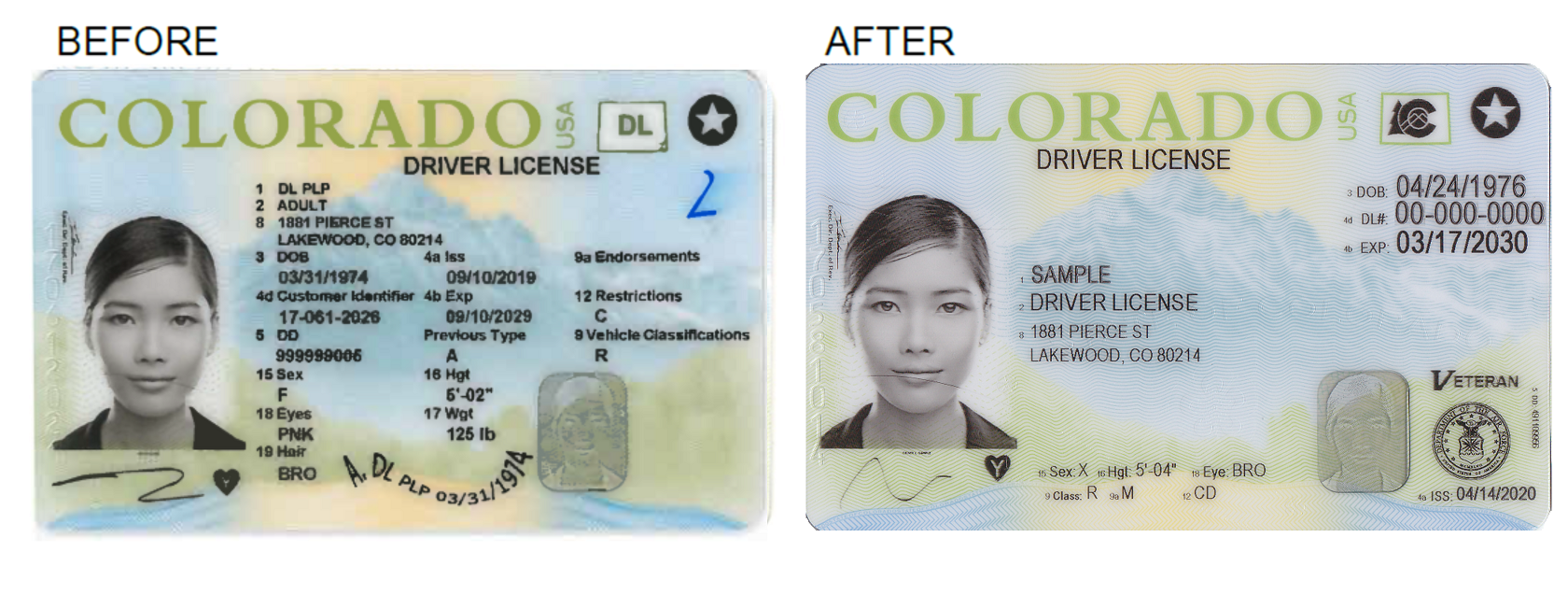
Navigating the Application Process: Step-by-Step
Once your documents are in order, the actual application process is straightforward, but it does require a visit to a DMV office. Planning your visit and knowing what to expect can significantly reduce wait times and ensure a hassle-free experience, allowing you to quickly get back to enjoying your Colorado lifestyle.
Scheduling Your Appointment with the DMV
To minimize wait times and streamline your visit, the Colorado DMV strongly recommends scheduling an appointment online in advance. Most DMV offices offer an online appointment system where you can select a convenient date and time. While walk-ins may be accepted, they are often subject to lengthy queues and availability. Check the specific requirements and operating hours of your nearest DMV location on the official Colorado DMV website. Be punctual for your appointment, and arrive with all your original documents organized and ready for presentation.
The Application Form and Fee
Upon arrival, you will typically be provided with an application form, or you may be able to download and complete it beforehand from the DMV website. Fill out all sections accurately and legibly. There is a nominal fee for the issuance of a Colorado identification card. This fee can usually be paid via cash, check, money order, or credit/debit card, though payment methods can vary by location. It’s always a good idea to confirm acceptable payment methods before your visit. Be prepared for this small but necessary expense as part of acquiring your official state ID.
What to Expect During Your Visit
During your appointment, a DMV representative will review all your submitted documents to verify identity, legal presence, residency, and Social Security Number. This is a critical step where any discrepancies or missing documents will be identified. You will also have your photo taken for the ID card. Ensure you present yourself clearly and according to DMV photo guidelines (e.g., no hats, sunglasses, or excessive facial coverings, unless for religious purposes). Finally, you will be asked to provide your signature, which will also appear on your identification card. The process is designed to be efficient, but patience is key, especially during peak hours.
Receiving Your New Identification Card
In most cases, you will not receive your physical Colorado identification card on the same day. Instead, you will be issued a temporary paper ID that is valid for a short period. Your permanent, hard-plastic ID card will then be mailed to your provided Colorado residential address within a few weeks, typically within 10-14 business days. Keep your temporary ID in a safe place, as it serves as your official identification until the permanent card arrives. If you do not receive your card within the expected timeframe, contact the DMV to inquire about its status.
Important Considerations and Tips for a Smooth Process
Navigating government processes can sometimes feel daunting, but with a few extra insights and proactive measures, securing your Colorado ID card can be a remarkably smooth experience. These tips are designed to enhance your preparedness and provide clarity on crucial distinctions, ensuring your transition into the Colorado lifestyle is as seamless as possible.
Real ID vs. Standard ID: Understanding the Difference
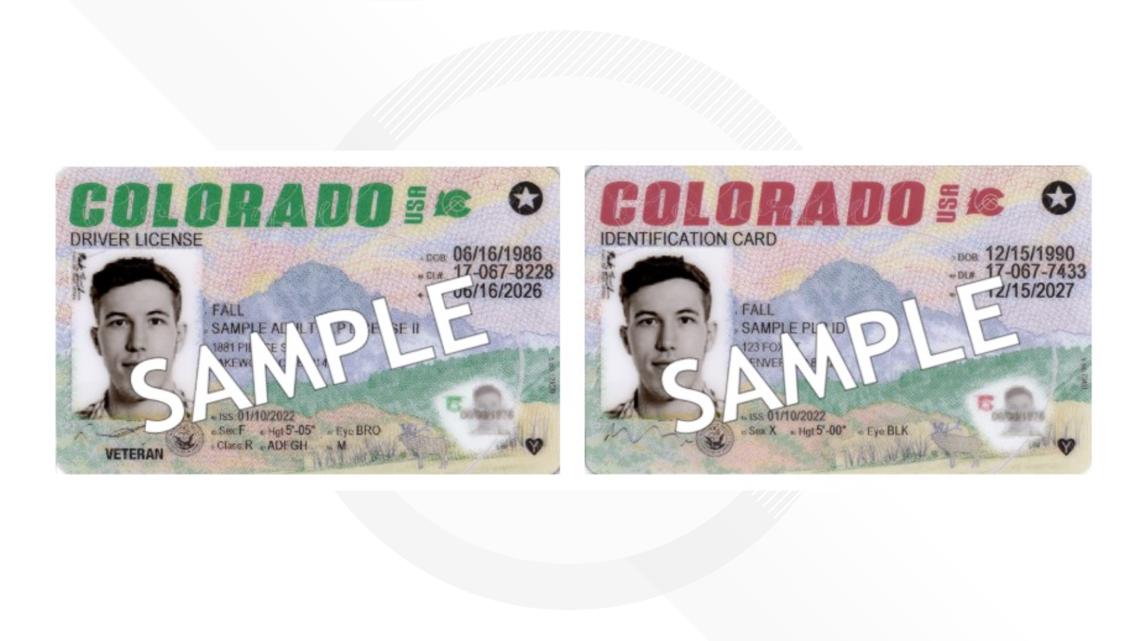
When applying for a Colorado identification card, you will be given the option to choose between a REAL ID compliant card or a standard ID card. The REAL ID Act, passed by the U.S. Congress after September 11, 2001, established minimum security standards for state-issued driver’s licenses and identification cards. A REAL ID compliant card is necessary for certain federal purposes, such as boarding domestic flights or accessing federal facilities and military bases. It is denoted by a star symbol on the card.
If you opt for a standard ID, you will need to use an alternative form of identification (like a passport) for these federal purposes. While a standard ID is perfectly valid for driving, voting, and most everyday transactions, the REAL ID offers enhanced convenience for air travel and federal access. When deciding, consider your future travel plans and interactions with federal agencies to choose the option that best suits your lifestyle needs. The documentation requirements for a REAL ID are generally more stringent, requiring more definitive proof of identity and legal presence as mandated by the Department of Homeland Security.
Renewals and Replacements
Your Colorado identification card will have an expiration date, typically every five years. It is crucial to renew your ID card before it expires to avoid any lapse in identification. The DMV usually sends renewal notices by mail, but it is ultimately your responsibility to track the expiration date. Renewals can often be completed online or by mail if you meet specific eligibility criteria (e.g., no changes to your name or address), but sometimes an in-person visit is required, especially for REAL ID renewals.
If your ID card is lost, stolen, or damaged, you will need to apply for a replacement. This usually requires another visit to the DMV, where you will need to present proof of identity and pay a replacement fee. Reporting a stolen ID to local law enforcement is also advisable, as it can help prevent identity theft and serve as documentation for your replacement application.
Common Pitfalls to Avoid
- Missing or Incorrect Documents: The single biggest reason for delays. Double-check the DMV website for the most current list of acceptable documents and ensure you have originals or certified copies.
- Name Discrepancies: Ensure your name appears identically on all supporting documents. If there are variations, bring legal documentation (e.g., marriage certificate, court order) explaining the change.
- Outdated Proof of Residency: Documents must be current, usually within the last 60 days. An old utility bill won’t suffice.
- Not Scheduling an Appointment: While not always required, scheduling an appointment can drastically cut down on your wait time, making the process more efficient and less frustrating.
- Lack of Payment: Confirm accepted payment methods and have your fee ready.
Additional Resources and Support
For the most accurate and up-to-date information, always refer to the official Colorado DMV website. They provide detailed lists of required documents, online appointment scheduling, and answers to frequently asked questions. If you have unique circumstances or specific questions not covered by general guidelines, contacting your local DMV office directly can provide personalized assistance. Organizations that assist new residents or specific communities may also offer support or guidance through the process.
Obtaining your Colorado identification card is a key step towards a fully integrated and convenient lifestyle in the Centennial State. By understanding the requirements, preparing thoroughly, and navigating the process with patience, you’ll soon have this essential document in hand, empowering you to embrace all that Colorado has to offer.
LifeOutOfTheBox is a participant in the Amazon Services LLC Associates Program, an affiliate advertising program designed to provide a means for sites to earn advertising fees by advertising and linking to Amazon.com. Amazon, the Amazon logo, AmazonSupply, and the AmazonSupply logo are trademarks of Amazon.com, Inc. or its affiliates. As an Amazon Associate we earn affiliate commissions from qualifying purchases.