
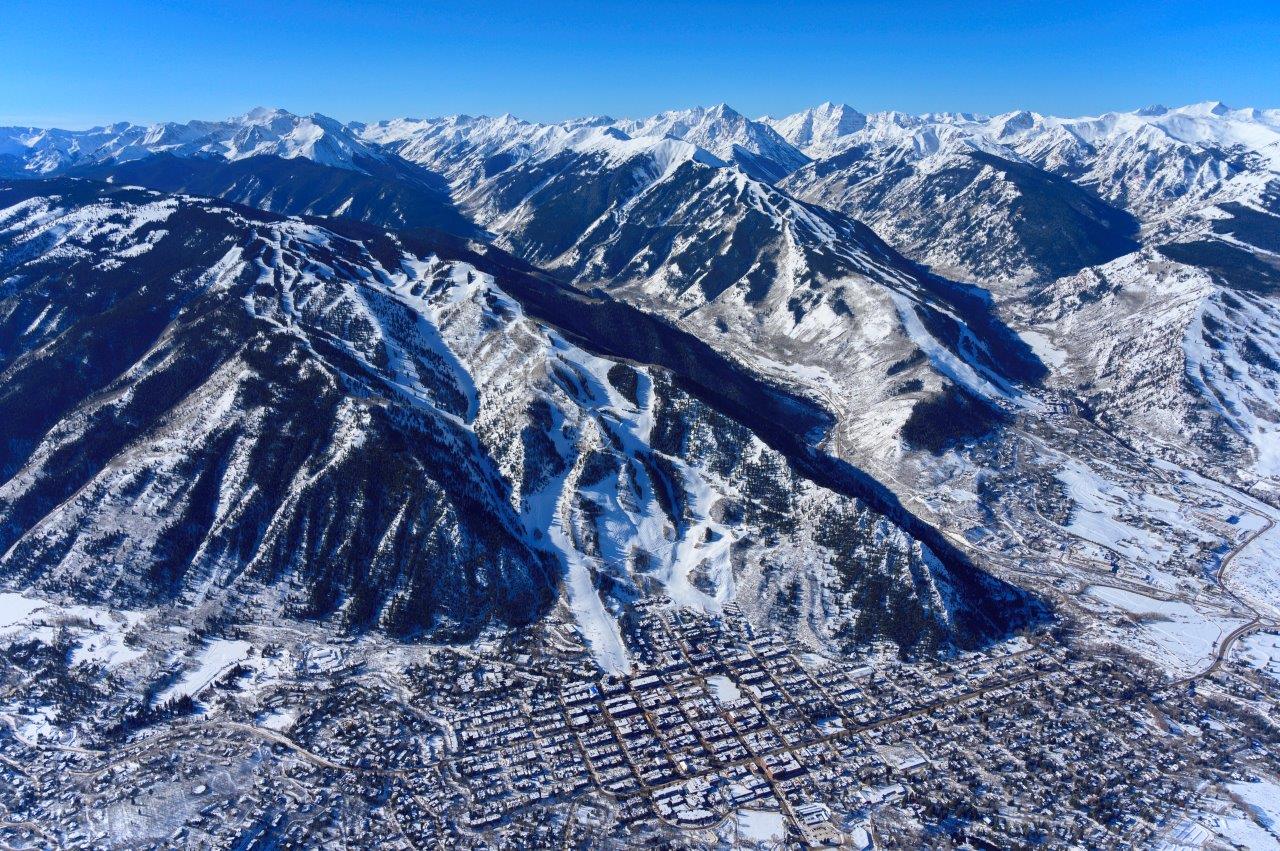
Aspen Colorado stands as a beacon of luxury, natural beauty, and world-class skiing, nestled high in the Rocky Mountains. For many, simply getting to this exclusive destination is part of the adventure. Whether you’re planning a winter ski escape, a summer mountain retreat, or a vibrant fall foliage tour, understanding the most efficient and enjoyable ways to reach Aspen is crucial. This guide provides an insightful and comprehensive overview of all your transportation options, ensuring your journey to this iconic Colorado town is as seamless and stress-free as possible. From direct flights to scenic drives, and everything in between, we’ll navigate the logistical landscape to help you choose the best route for your travel needs and preferences.
Flying to Aspen: The Most Direct Routes
For many travelers, particularly those coming from distant locations, flying directly or almost directly into the Roaring Fork Valley is the most time-efficient option. Aspen’s proximity to dedicated airports makes air travel a popular choice, especially during peak seasons.
Aspen-Pitkin County Airport (Sardy Field)
The most convenient airport for direct access to Aspen is the Aspen-Pitkin County Airport, also known as Sardy Field (ASE). Located just three miles from downtown Aspen, it offers unparalleled ease of access. Major airlines such as United, American, and Delta provide seasonal direct flights to ASE from key hubs across the United States. During the winter ski season, direct routes typically expand from cities like Denver, Chicago, Dallas/Fort Worth, Houston, Los Angeles, San Francisco, and Atlanta. Summer months also see a good number of direct flights, though the frequency might be slightly reduced compared to winter. The primary advantage of flying into ASE is the minimal transfer time to your accommodation. Once you land, taxis, ride-shares, hotel shuttles, and public buses are readily available to take you directly into Aspen or nearby Snowmass Village. However, due to its mountain location and shorter runway, flights into Sardy Field can sometimes be subject to weather-related delays or diversions, particularly during heavy snowfall or high winds. It’s always advisable to have a backup plan or flexibility in your itinerary when flying into this airport during winter.
Connecting Flights and Major Hubs
While direct flights to Aspen are convenient, many travelers opt to fly into larger regional airports and complete their journey via ground transportation. This can sometimes offer more flight options, better pricing, or greater flexibility.
The most prominent alternative is Denver International Airport (DIA or KDEN). As one of the busiest airports in the United States, Denver International Airport offers an extensive network of domestic and international flights. From DIA, Aspen is approximately a 3.5 to 4-hour drive, depending on traffic and road conditions. This option is ideal for those who prefer to rent a car and enjoy a scenic drive through the Rocky Mountains or utilize one of the many shuttle services available.
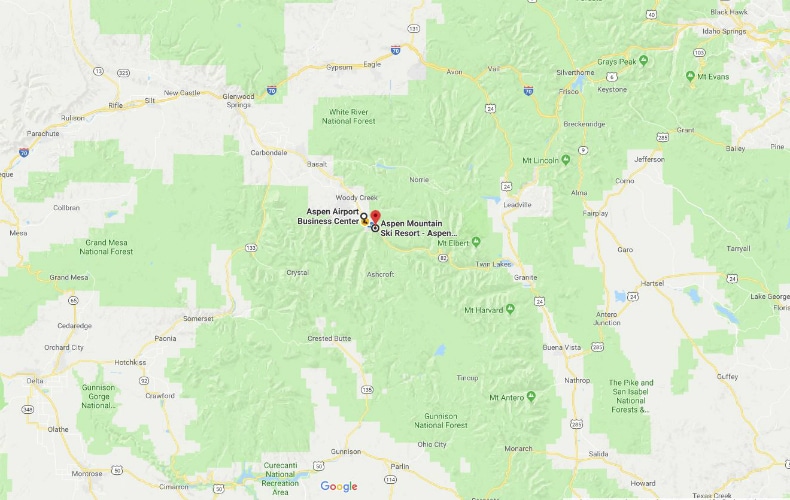
Another viable option is Eagle County Regional Airport (EGE), often referred to as Vail/Eagle Airport. Located about 70 miles (113 km) from Aspen, it primarily serves the nearby Vail and Beaver Creek resorts but also offers a convenient gateway to Aspen. EGE provides direct flights from several major cities during peak seasons, including Denver, Dallas/Fort Worth, Houston, Chicago, Miami, and New York. From EGE, travelers can arrange shuttle services, private transfers, or rental cars to complete the scenic drive to Aspen, which typically takes about 1.5 to 2 hours.
Considerations for Flying In
When choosing your airport, consider the trade-offs. Flying directly into Sardy Field offers maximum convenience but can be more expensive and prone to weather-related disruptions. Flying into Denver International Airport or Eagle County Regional Airport might offer cheaper flights and more schedule flexibility but requires additional ground transportation time and cost. Always check airline policies regarding cancellations and delays, especially during winter months, and consider travel insurance that covers such eventualities. Booking flights well in advance, particularly for peak travel periods, is highly recommended to secure the best prices and availability.
Driving to Aspen: Scenic Routes and Practicalities
For many, the journey by car to Aspen is an integral part of the experience, offering breathtaking mountain vistas and the flexibility to explore at your own pace. While longer than flying, it provides a unique perspective of Colorado’s stunning landscapes.
Routes from Denver and Major Cities
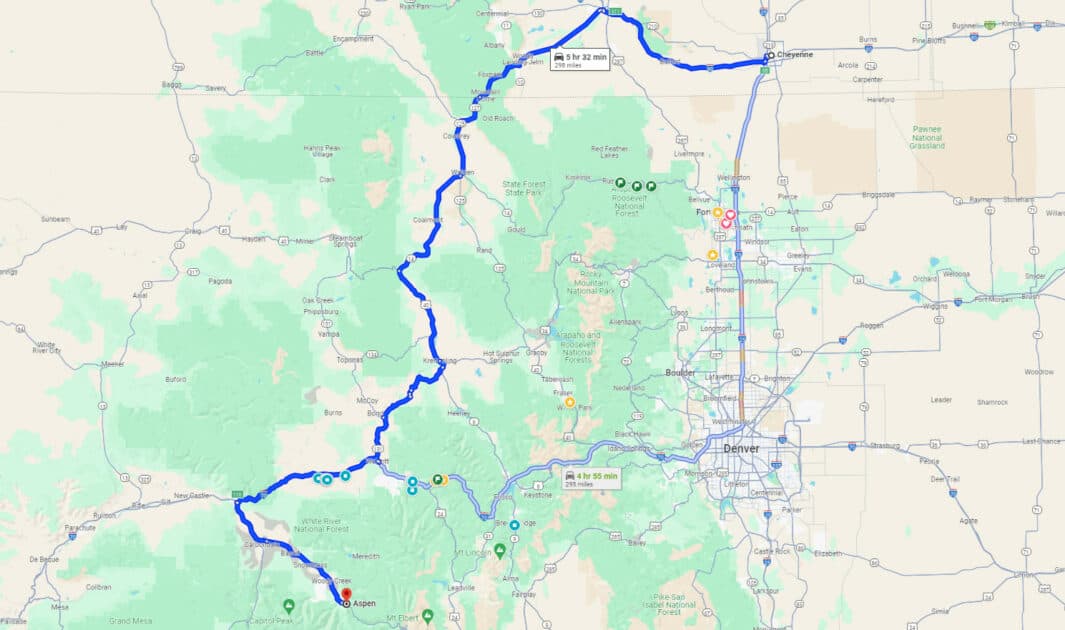
The most common driving route to Aspen from Denver and the Front Range involves taking Interstate 70 (I-70) West. This stretch of highway is famous for its dramatic scenery, traversing mountain passes and canyons. You’ll follow I-70 for approximately 150 miles (241 km) until you reach Glenwood Springs. From Glenwood Springs, you’ll exit onto Highway 82 South, which leads directly into Aspen after another 40 miles (64 km). The total drive from Denver typically takes between 3.5 and 4.5 hours, depending on traffic, particularly through mountain tunnels and ski resort areas like Vail and Silverthorne.
During late spring, summer, and early fall (typically late May to early November), an alternative and incredibly scenic route from Denver is available via Independence Pass (Highway 82). This route cuts over the Continental Divide at an elevation of 12,095 feet (3,687 meters), offering unparalleled views and a more direct path. However, Independence Pass is a narrow, winding road with steep drop-offs and no guardrails in some sections, making it unsuitable for large vehicles, trailers, or inexperienced mountain drivers. It is also strictly closed during winter due to heavy snow. Always check road conditions with the Colorado Department of Transportation (CDOT) before attempting this route.
If you’re driving from the west, such as from Grand Junction, the route is straightforward: simply take I-70 East to Glenwood Springs and then turn onto Highway 82 South to Aspen. This drive typically takes around 2.5 to 3 hours.
Winter Driving Conditions and Safety
Driving to Aspen in winter requires specific precautions. Colorado mountain roads can experience severe weather, including heavy snowfall, icy conditions, and strong winds. The I-70 corridor, especially through mountain passes like Vail Pass and Eisenhower Tunnel, is subject to traction laws and chain laws during snowstorms. This means vehicles may be required to have four-wheel drive or all-wheel drive with snow tires, or two-wheel drive vehicles must carry chains. It’s crucial to monitor weather forecasts and CDOT road condition reports (available online or via the 511 traveler information line) before and during your drive. Allow ample extra time for winter travel, as speeds may be reduced, and unexpected closures can occur.
Vehicle Considerations and Parking
For winter travel, a vehicle equipped with four-wheel drive or all-wheel drive and good-quality snow tires is highly recommended. Ensure your vehicle is in excellent mechanical condition, with proper tire pressure, adequate fluid levels, and a full tank of gas, as services can be sparse on mountain stretches. Pack an emergency kit including blankets, extra warm clothing, water, snacks, a flashlight, and jumper cables.
Parking in Aspen can be challenging and expensive, especially during peak seasons. Many hotels offer guest parking, but it’s wise to confirm this in advance. Downtown Aspen has metered street parking and several public parking garages, but spaces fill up quickly. Consider utilizing the free bus system once you arrive, which efficiently connects various points within Aspen and to Snowmass Village, reducing the need to move your car frequently. For those staying in Snowmass, there is usually more ample parking, and the bus service to Aspen is reliable.
Ground Transportation from Nearby Airports
If you choose to fly into a larger airport like Denver International Airport or Eagle County Regional Airport but prefer not to drive yourself, a variety of ground transportation options are available to get you to Aspen.
Shuttle Services and Private Transfers
Several reputable shuttle companies offer shared-ride and private transfer services from Denver International Airport and Eagle County Regional Airport directly to Aspen or Snowmass Village. These services provide a convenient and often stress-free way to travel, especially during winter when driving conditions can be challenging. Companies like Colorado Mountain Express (CME) and Ride Aspen are popular choices, offering comfortable vehicles and experienced drivers familiar with mountain roads. Shared-ride shuttles are more economical but follow a set schedule and may make multiple stops. Private transfers, while more expensive, offer direct, door-to-door service on your schedule. Booking these services in advance, especially during peak season, is essential to ensure availability and potentially better rates.
Rental Cars
Renting a car from Denver International Airport or Eagle County Regional Airport provides maximum flexibility for your trip. This allows you to set your own pace, stop for scenic overlooks, and explore areas outside of Aspen during your stay. All major car rental agencies operate at these airports. During winter, it is highly advisable to rent a vehicle with four-wheel drive or all-wheel drive and ensure it is equipped with appropriate tires for snow and ice. Confirm rental policies regarding mountain driving and winter equipment. While a rental car offers freedom, remember the challenges of parking in Aspen and the potential need for specialized driving skills in winter conditions.
Public Transportation Options
For budget-conscious travelers, public transportation can be a viable option, though it requires more planning and potentially longer travel times. From Denver International Airport, you can take the A-Line commuter train to Denver Union Station. From Denver Union Station, Colorado’s interregional bus service, Bustang, offers routes along I-70 to various mountain towns. You would typically take a Bustang service to Glenwood Springs and then transfer to the local Roaring Fork Transportation Authority (RFTA) bus system, which provides frequent service between Glenwood Springs and Aspen. The entire journey can take 5-7 hours but is significantly more affordable than shuttles or private transfers. This option is best suited for those not carrying excessive luggage and who are comfortable with multiple transfers.
Strategic Planning for Your Aspen Journey
Regardless of your chosen mode of transport, a well-thought-out plan can significantly enhance your travel experience to Aspen. Early preparation is key to securing the best options and avoiding last-minute stress.
Best Time to Travel
The “best” time to travel to Aspen largely depends on your desired activities and tolerance for crowds. The winter ski season (December to April) and the summer season (June to August) are peak times. During these periods, travel, accommodation, and activity prices are at their highest, and transportation options, especially flights into ASE, fill up quickly. Spring (April to May) and Fall (September to October) are considered “shoulder seasons.” While some amenities might have limited hours, these periods offer fewer crowds, often more affordable rates, and unique attractions like spring skiing or breathtaking fall foliage. Traveling during shoulder seasons can also make the journey itself smoother, with less traffic and potentially fewer flight delays. However, be mindful that Independence Pass will be closed in winter, extending driving times.
Packing Essentials
For any trip to Aspen, especially during winter, packing appropriate clothing is essential. Layers are crucial, as mountain weather can change rapidly. Include warm coats, waterproof outer layers, hats, gloves, and insulated footwear. If driving, pack an emergency kit as mentioned earlier. Even in summer, evenings can be cool, so a light jacket or sweater is advisable. Don’t forget sunscreen and sunglasses, as the high altitude intensifies UV rays. If you’re flying, be mindful of airline luggage restrictions, particularly for ski or snowboard equipment, which may incur additional fees. Shipping gear ahead of time to your accommodation is an option some travelers consider.
Booking in Advance
This cannot be stressed enough: book all aspects of your trip to Aspen well in advance. Flights, particularly into Sardy Field, can sell out months ahead during peak season, or prices can skyrocket. The same applies to popular shuttle services, private transfers, and rental cars, especially those with four-wheel drive. Securing your chosen transportation early not only guarantees availability but often results in significant cost savings. Accommodation in Aspen is also highly sought after, so reserving your hotel, condo, or vacation rental well in advance is paramount. Early booking gives you the best selection and often the best rates, ensuring a smooth start to your unforgettable Aspen adventure.
Reaching Aspen Colorado is an experience that sets the tone for your entire trip. By carefully considering your options, weighing convenience against cost and flexibility, and planning proactively, you can ensure your journey to this iconic mountain paradise is as enjoyable and efficient as the destination itself.
LifeOutOfTheBox is a participant in the Amazon Services LLC Associates Program, an affiliate advertising program designed to provide a means for sites to earn advertising fees by advertising and linking to Amazon.com. Amazon, the Amazon logo, AmazonSupply, and the AmazonSupply logo are trademarks of Amazon.com, Inc. or its affiliates. As an Amazon Associate we earn affiliate commissions from qualifying purchases.