
A common misconception among visitors to Colorado is that, much like cannabis, other substances have also been legalized or decriminalized for recreational use. This belief, while understandable given Colorado’s progressive stance on marijuana, is fundamentally incorrect and can lead to severe consequences for unsuspecting tourists. To be absolutely clear: no, cocaine is not legal in Colorado. It remains a highly illegal controlled substance under both state and federal law, and engaging with it can swiftly transform a pleasant vacation into a serious legal nightmare.
For anyone planning to visit the breathtaking landscapes and vibrant cities of Colorado, understanding the local legal framework is paramount to ensuring a safe, enjoyable, and compliant trip. This guide is specifically tailored for tourists, offering crucial insights into why the legal status of cocaine is unequivocally strict, what the potential repercussions are, and how to navigate your visit responsibly, focusing solely on the myriad of legal and enriching experiences Colorado has to offer. Ignoring these distinctions can have profound and lasting impacts far beyond the duration of your stay.
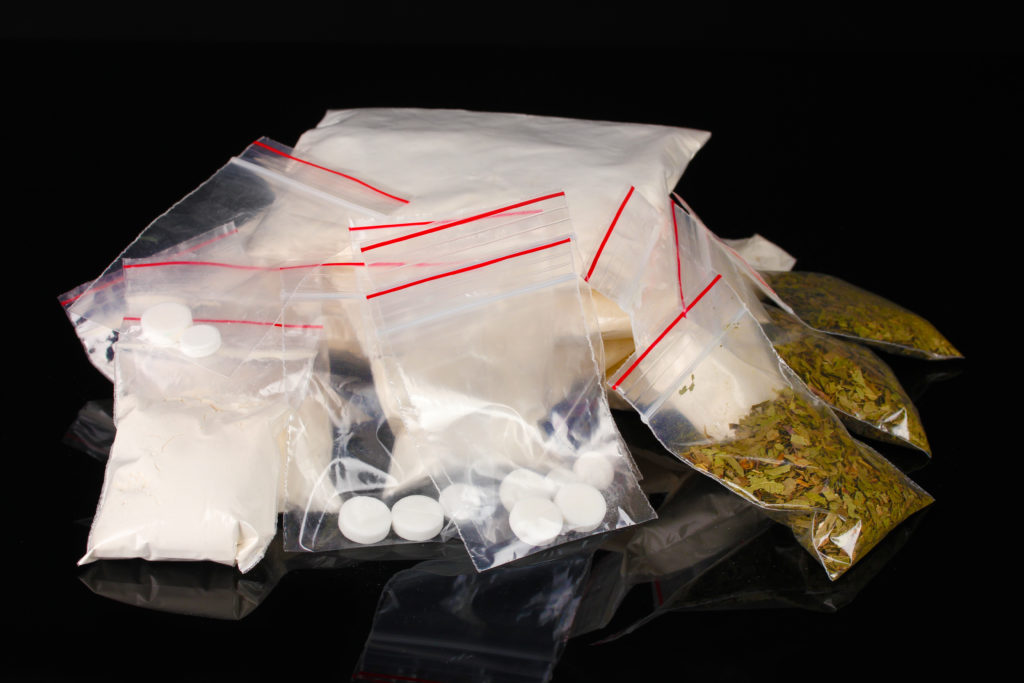
Understanding Colorado’s Legal Landscape for Tourists
Colorado is renowned for its progressive approach to cannabis, being one of the first states in the United States to legalize recreational marijuana. This landmark decision has significantly shaped perceptions of the state’s drug laws, often leading to a widespread misunderstanding that this liberalization extends to other substances. For tourists, it’s vital to recognize that the cannabis laws are an exception, not a rule-setting precedent for all controlled substances.
Dispelling the Cannabis Confusion: A Crucial Distinction
The legalization of recreational cannabis in Colorado for adults 21 and over is a unique policy born from specific legislative efforts and voter initiatives. This policy, however, applies exclusively to marijuana and does not, in any way, pertain to other drugs like cocaine, heroin, methamphetamine, or MDMA. These substances remain highly illegal. The distinction is critical: tourists can legally purchase and consume cannabis from licensed dispensaries, but any involvement with cocaine or other illicit drugs carries severe criminal penalties. It’s a common and dangerous oversight to assume that Colorado’s liberal approach to one substance indicates a relaxed attitude towards all. The state’s legal system is very clear on this differentiation, and law enforcement agencies are vigilant in upholding these laws.
The Federal Overlay: Why National Laws Matter
Beyond state-specific regulations, it’s also crucial for tourists to understand the role of federal law. In the United States, controlled substances are classified under the federal Controlled Substances Act. Cocaine is designated as a Schedule II controlled substance, meaning it has a high potential for abuse, a currently accepted medical use with severe restrictions, and a potential for severe psychological or physical dependence. This federal classification means that even if a state were to somehow decriminalize or legalize cocaine, federal law enforcement agencies could still prosecute individuals for possession, distribution, or manufacturing within that state. While federal agencies often prioritize larger drug operations, the potential for federal charges, especially if crossing state lines or in significant quantities, always exists. For a tourist, navigating both state and federal legal systems simultaneously can be extraordinarily complex and financially draining, highlighting the importance of strict adherence to all existing laws.
Penalties for Possession and Distribution: What Tourists Need to Know
In Colorado, the penalties for cocaine-related offenses are stringent and unforgiving. Unlike some minor marijuana infractions which might result in a small fine, cocaine offenses are serious felonies. The severity of the penalty typically depends on the amount of substance involved, the intent (possession for personal use versus intent to distribute), and prior criminal history.
- Possession: Even possessing a small amount of cocaine for personal use can lead to felony charges. Penalties can range from significant prison time (typically commencing with several years), substantial fines often running into tens of thousands of dollars, mandatory drug treatment programs, and extensive probation periods. A felony conviction has lifelong implications, affecting future employment, housing, and travel.
- Distribution/Manufacturing: Involvement in distributing, selling, or manufacturing cocaine carries even more severe penalties. These charges often result in mandatory minimum prison sentences that can span decades, exorbitant fines, and long-term supervision upon release. Colorado law makes no distinction for tourists; the full weight of the legal system will be brought to bear on anyone found in violation. For a non-United States citizen, a felony conviction can also lead to deportation and a permanent ban from re-entering the country.
It’s vital for tourists to recognize that ignorance of the law is not a valid defense. The legal system in Colorado expects all individuals within its jurisdiction to abide by its laws, regardless of their origin.
The Serious Ramifications for Visitors
For tourists, facing legal charges related to cocaine in Colorado can have devastating and far-reaching consequences that extend far beyond immediate legal penalties. A vacation intended for relaxation and exploration can quickly devolve into a nightmare of legal battles, financial strain, and significant personal disruption.
Beyond Fines and Jail: Impact on Your Travel and Future

An arrest or conviction for a cocaine-related offense in Colorado will inevitably complicate, if not outright destroy, your travel plans. Immediate consequences include being detained, missing flights, and being unable to participate in planned activities. More profoundly, a criminal record, particularly a felony, can severely impact your ability to travel internationally in the future, even to countries unrelated to your current charges. Many nations deny entry to individuals with felony convictions, irrespective of the nature of the crime. For non-United States citizens, a conviction can lead to immediate deportation and a permanent ban from re-entering the United States. Furthermore, a criminal record can hinder future employment opportunities, impact professional licenses, and even affect housing applications, making the repercussions truly global and long-lasting. The financial burden of legal fees, bail, and potential fines can be astronomical, turning a planned budget into an unforeseen debt.
Legal Assistance and Navigating the System
If, by unfortunate circumstance, a tourist finds themselves facing drug charges in Colorado, the immediate priority should be securing qualified legal representation. Navigating the United States legal system is complex, and even more so for those unfamiliar with its intricacies and speaking different languages. An experienced criminal defense attorney specializing in Colorado drug laws will be crucial in advising on rights, explaining the legal process, and formulating a defense. Contacting your country’s embassy or consulate in the United States should also be an early step, as they can provide assistance with legal referrals and ensure your rights as a foreign national are upheld. However, the best advice remains preventative: avoid any involvement with illegal substances to bypass these dire situations entirely.
Responsible Tourism: Enjoying Colorado Legally and Safely
Colorado offers an unparalleled array of experiences for every type of traveler, from its majestic Rocky Mountains and vibrant outdoor activities to its rich cultural scenes in cities like Denver. The key to a memorable and trouble-free trip is to engage with the state’s offerings responsibly and within the confines of its laws.
Focus on Legal Activities and Attractions
Instead of seeking out illegal substances, tourists should immerse themselves in the legal and unique attractions that make Colorado a world-class destination. Explore national parks like Rocky Mountain National Park, hit the slopes at renowned ski resorts, hike or bike thousands of miles of trails, or discover the thriving arts and culinary scenes in Denver, Boulder, and Colorado Springs. Attend concerts, visit museums, or enjoy the craft beer and distillery tours that are legal and highly celebrated. Colorado’s natural beauty and urban excitement provide more than enough legitimate entertainment without resorting to illicit activities. Embrace the spirit of adventure that defines the state, but always within legal boundaries.
Prioritizing Your Safety and Well-being
Responsible tourism also means prioritizing your personal safety and well-being. This includes being aware of your surroundings, safeguarding your belongings, and making wise choices about who you interact with and what activities you engage in. Avoiding situations that could put you at risk, such as associating with individuals involved in illegal drug activities, is a fundamental aspect of safe travel. Remember that drug-related crimes often come with associated dangers, including potential violence, theft, and exploitation. By steering clear of such environments and respecting all local laws, you ensure your trip to [Colorado](https://Luggage and backpacks/colorado) remains focused on positive experiences and creates lasting, happy memories.
Where to Find Reliable Information
For tourists, having access to accurate and current information about local laws and regulations is indispensable. When planning a trip to Colorado, rely on official and reputable sources to gather essential details.
Official Government Resources
The most reliable sources for legal information are official government websites. For state laws, the website of the Colorado General Assembly or the Colorado Judicial Department will provide definitive information on statutes and penalties. While these sites might be technical, they offer the most accurate legal framework. For federal laws, resources from the United States Department of Justice or the Drug Enforcement Administration (DEA) provide comprehensive insights into national controlled substance laws. Consulting these official channels ensures that the information you receive is correct and up-to-date, minimizing the risk of misinformation often found on less credible platforms.

Seeking Professional Legal Advice (if needed)
While this article provides general guidance, it is not a substitute for professional legal advice. If you have specific questions about Colorado law, especially concerning unique circumstances or if you find yourself in a situation requiring legal counsel, it is imperative to consult with a qualified attorney licensed to practice law in Colorado. An attorney can offer personalized advice based on your specific situation, ensuring you receive accurate and applicable legal guidance. For international visitors, your country’s embassy or consulate can also be a valuable resource for identifying trusted legal professionals.
In conclusion, while Colorado has indeed pioneered progressive cannabis laws, it is crucial for tourists to unequivocally understand that cocaine remains a highly illegal and dangerous controlled substance within the state. Any involvement with cocaine carries severe legal penalties under both state and federal law, potentially leading to imprisonment, hefty fines, deportation, and a permanent criminal record that can shatter future travel and life opportunities. By adhering strictly to Colorado’s laws and focusing on its vast array of legal and enriching activities, visitors can ensure a safe, enjoyable, and truly memorable experience in this magnificent state. Prioritize informed and responsible tourism, and let the breathtaking beauty and vibrant culture of Colorado be the true highlight of your journey.
LifeOutOfTheBox is a participant in the Amazon Services LLC Associates Program, an affiliate advertising program designed to provide a means for sites to earn advertising fees by advertising and linking to Amazon.com. Amazon, the Amazon logo, AmazonSupply, and the AmazonSupply logo are trademarks of Amazon.com, Inc. or its affiliates. As an Amazon Associate we earn affiliate commissions from qualifying purchases.