
Colorado has long been at the forefront of progressive legislation, often paving the way for other states in the United States. From cannabis legalization to its recent stance on psychedelic substances, the Centennial State continues to draw attention, particularly from those interested in exploring alternative wellness and recreational activities. For tourists planning a visit, understanding the local legal framework is paramount, especially when it comes to substances like N,N-Dimethyltryptamine, commonly known as DMT. This powerful psychedelic, known for its profound, short-duration hallucinogenic effects, has a complex legal status that can be confusing for visitors. While the state has indeed moved towards decriminalization, it’s crucial for anyone considering a trip to Colorado to grasp the nuances of these laws, ensuring a safe, responsible, and legally compliant experience. This guide aims to demystify the legal landscape surrounding DMT in Colorado from a tourism perspective, highlighting what activities are permissible, what risks remain, and how to navigate the state’s unique environment responsibly.
Colorado’s Evolving Stance on Psychedelics
Colorado’s journey with psychedelic reform mirrors a broader societal shift towards re-evaluating these substances, not just for recreational use but also for their potential therapeutic benefits. This evolution culminated in a landmark legislative change that significantly altered the legal status of several natural psychedelics.
The Decriminalization of Natural Psychedelics (Prop 122)
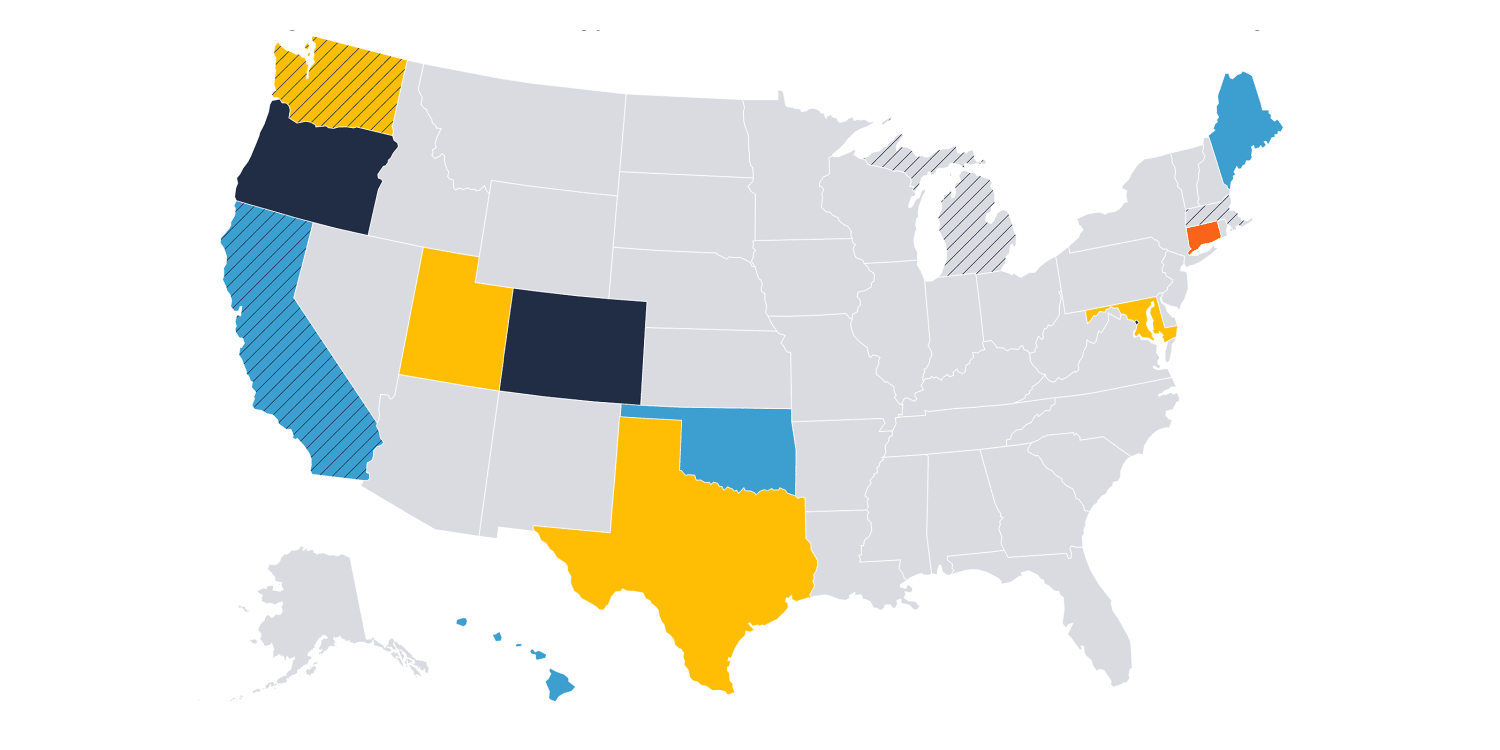
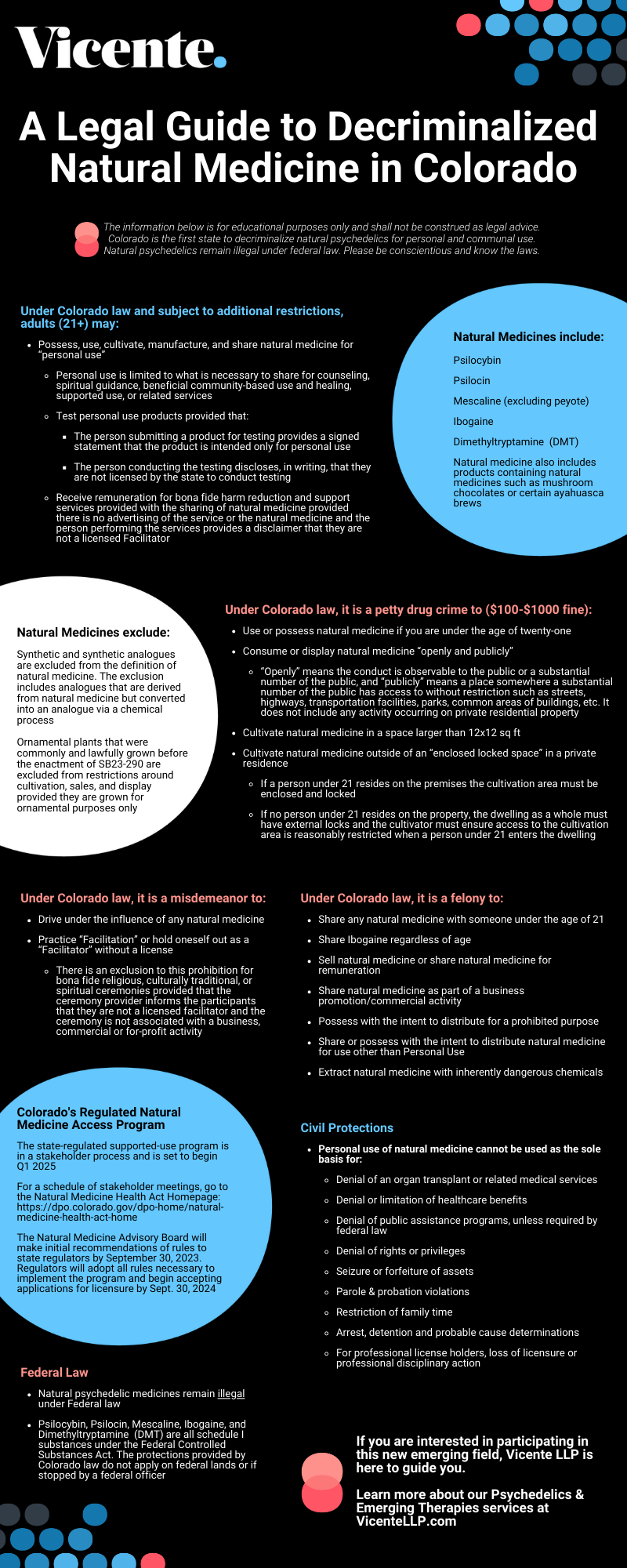
In November 2022, Colorado voters passed Proposition 122, the Natural Medicine Health Act. This groundbreaking initiative marked a pivotal moment, making Colorado the second state, after Oregon, to decriminalize certain natural psychedelic substances. The act focuses on “natural medicine,” which specifically includes psilocybin, psilocin, DMT, mescaline (excluding peyote), and ibogaine.
It’s vital for tourists to understand the distinction between “decriminalization” and “legalization.” Decriminalization means that personal possession, personal use, and facilitated use within a regulated framework (which is still being developed) for adults 21 and older are no longer criminal offenses under state law. This drastically reduces penalties from potential felony charges to, at most, minor infractions or no penalties at all for specified quantities. However, it does not mean that these substances are fully legal for commercial sale, public consumption, or completely free from all legal consequences. The intent behind Prop 122 is primarily to allow for personal growth and therapeutic use, with a future goal of establishing regulated “healing centers” where licensed facilitators can administer these natural medicines. This framework is still under development, with a projected rollout for regulated access points in late 2024 or 2025.
What DMT Specifically Means Under the New Law
Within the scope of Prop 122, DMT is recognized as a “natural medicine.” This means that, for adults aged 21 and over, personal possession and personal use of DMT derived from natural sources are decriminalized at the state level. DMT naturally occurs in various plants, such as Chacruna and Mimosa Hostilis, and is the primary active compound in the traditional Amazonian brew Ayahuasca.
The law’s emphasis on “natural medicine” generally refers to substances derived directly from plants or fungi, as opposed to synthetic versions. While the act lists DMT as a covered substance, the spirit of the law leans towards plant-based psychedelics. Tourists should exercise extreme caution, as the legal status of synthetically produced DMT may still be ambiguous or outright illegal, depending on how regulations are ultimately defined. Furthermore, possessing large quantities beyond what could reasonably be considered “personal use” could still lead to legal issues. The law allows for the cultivation, harvesting, and processing of plants or fungi that contain these natural medicines for personal use. It also permits the sharing of these natural medicines, without compensation, by an adult 21 years of age or older. This “sharing” clause is significant but has limits, as it does not extend to commercial sales or distribution.
Implications for Tourists and Visitors to Colorado
For tourists, the decriminalization of DMT in Colorado presents a unique situation. While the state has opened the door for personal use, navigating this new landscape requires a thorough understanding of what is permitted and, more importantly, what is not.
What is Permitted and What is Not
Under Prop 122, adults 21 years and older in Colorado are permitted to:
- Possess and use a personal amount of natural DMT (and other covered natural psychedelics).
- Cultivate plants or fungi that contain these substances for personal use.
- Share these substances with other adults (21+) without compensation.
However, several critical restrictions remain in place:
- Sale or Distribution for Profit: It is strictly illegal to sell DMT or other natural psychedelics commercially. This means tourists cannot legally purchase DMT from a dispensary or any retail outlet, unlike cannabis.
- Public Use: Consuming DMT in public spaces is prohibited. Use must be discreet and private, typically within a private residence.
- Driving Under the Influence: Operating a vehicle while impaired by DMT (or any other intoxicating substance) remains illegal and carries severe penalties.
- Possession on Federal Land: This is a crucial point for tourists. Many popular attractions in Colorado, such as national parks, national forests, and federal monuments, are on federal land. Federal law still classifies DMT as a Schedule I controlled substance, meaning it is illegal to possess or use on any federal property, regardless of state law.
- Administering to Minors: Providing DMT to anyone under 21 is illegal.
Navigating the Legal Grey Areas and Risks
The primary challenge for tourists lies in how to legally access DMT. Since commercial sales are prohibited, and licensed facilitation centers are not yet operational, the avenues for obtaining these substances legally are severely limited. Tourists cannot simply walk into a store and buy DMT. This scarcity creates a grey area where individuals might be tempted to seek out illicit sources, which carries significant legal risks and safety concerns. Engaging with the black market exposes individuals to unknown product quality, potential scams, and continued legal jeopardy under state and federal laws related to distribution.

Furthermore, the conflict between state and federal law cannot be overstated. While Colorado state law offers protections, federal law still considers DMT illegal. This means that if federal authorities (like the DEA or TSA) become involved, state protections may not apply. This is particularly relevant for air travel; transporting DMT across state lines or through airports (which are under federal jurisdiction) can lead to serious federal charges. Tourists must be acutely aware that while they might be “decriminalized” within Colorado state lines for personal use, they are not immune to federal prosecution, especially if their actions cross into federal territory or involve interstate commerce. The best advice for tourists is to avoid bringing DMT into Colorado or taking it out.
Responsible Tourism and Psychedelic Experiences in Colorado
For those considering a psychedelic experience in Colorado, a responsible and informed approach is essential. The state’s decriminalization efforts are rooted in principles of harm reduction and therapeutic benefit, not unregulated indulgence.
Prioritizing Safety and Well-being
Any encounter with a potent substance like DMT requires meticulous preparation and an emphasis on personal safety. The concept of “set and setting” is paramount: the user’s mental state (set) and the surrounding environment (setting) significantly influence the experience. For tourists, this means ensuring a safe, comfortable, and private space free from external stressors. Using DMT in an unfamiliar hotel room or a noisy urban environment is not advisable.
Moreover, DMT is not suitable for everyone. Individuals with a history of certain mental health conditions (like psychosis or schizophrenia), heart conditions, or those on particular medications should avoid it. It is strongly recommended that first-time users, or those unfamiliar with potent psychedelics, do not embark on such an experience without experienced guidance or supervision, which, currently, is not yet legally available in a regulated capacity within Colorado. Harm reduction principles dictate starting with very low doses, having a sober sitter present, and being prepared for a potentially intense psychological experience.
Exploring Legal and Safe Alternatives/Approaches
Given the current legal ambiguities, particularly the lack of legal commercial access for tourists, seeking out DMT during a casual visit to Colorado presents considerable risks. Instead, visitors interested in the therapeutic potential of psychedelics should monitor the developments of Colorado’s Natural Medicine Health Act. The state is actively working to establish a regulatory framework for licensed facilitation centers, which will provide a safe and legal environment for guided psychedelic experiences with psilocybin (and potentially other natural medicines in the future). These centers are expected to open their doors to the public in 2025, offering a structured, professional, and legal path to explore these substances under expert supervision.
In the interim, tourists should focus on understanding the law as it stands and avoid engaging in illegal activities. [Colorado](https://lifeoutofthebox.com/colorado] is also home to numerous legal and safe wellness retreats that focus on meditation, mindfulness, nature immersion, and other holistic practices that can offer profound personal growth experiences without involving controlled substances. Exploring these established, legal alternatives aligns with responsible tourism and ensures a trip free from legal entanglements and safety concerns.
Planning Your Trip to Colorado with Psychedelic Awareness
A trip to Colorado offers myriad opportunities for adventure, relaxation, and cultural exploration. For those with an interest in the state’s unique approach to psychedelics, careful planning and continuous awareness of the legal landscape are crucial.
Research and Due Diligence
The legal environment surrounding psychedelics is dynamic and subject to change. Regulations for Prop 122 are still being formulated and implemented, and additional legislation or amendments could occur. Therefore, it is imperative for tourists to conduct their own up-to-date research before and during their visit. Relying on outdated information or informal advice can lead to misunderstandings and legal complications. Consulting official state government websites or legal resources for the most current information regarding natural medicine laws in Colorado is highly recommended. If you have specific concerns or questions, seeking advice from a legal professional familiar with Colorado state law is always the safest course of action. Ignorance of the law is never an excuse.
Beyond Psychedelics: Colorado’s Diverse Offerings
While the legal status of DMT might be a point of interest, it’s important to remember that Colorado offers an incredible array of attractions and experiences that are fully legal, accessible, and deeply enriching. From the majestic peaks of the Rocky Mountains offering world-class skiing in resorts like Aspen and Vail, to the vibrant urban culture of Denver with its breweries, museums, and arts scene, there’s something for every type of traveler. Outdoor enthusiasts can explore national parks, hike scenic trails, mountain bike, or white-water raft. Foodies can indulge in farm-to-table dining and innovative culinary experiences.
Embracing Colorado’s natural beauty and diverse cultural offerings ensures a memorable trip without the legal complexities and potential risks associated with seeking out regulated substances prematurely. Integrating seamlessly into the state’s broader tourism landscape means appreciating its advancements while adhering to its established laws and norms.
In conclusion, while DMT is indeed decriminalized for personal adult use in Colorado under state law, its journey to full, regulated accessibility is still underway. Tourists must exercise extreme caution, understand the critical difference between state and federal law, and avoid seeking illegal sources. For a safe and enjoyable trip, responsible travel means staying informed, prioritizing well-being, and immersing oneself in the many legal and enriching experiences that Colorado proudly offers.
LifeOutOfTheBox is a participant in the Amazon Services LLC Associates Program, an affiliate advertising program designed to provide a means for sites to earn advertising fees by advertising and linking to Amazon.com. Amazon, the Amazon logo, AmazonSupply, and the AmazonSupply logo are trademarks of Amazon.com, Inc. or its affiliates. As an Amazon Associate we earn affiliate commissions from qualifying purchases.