
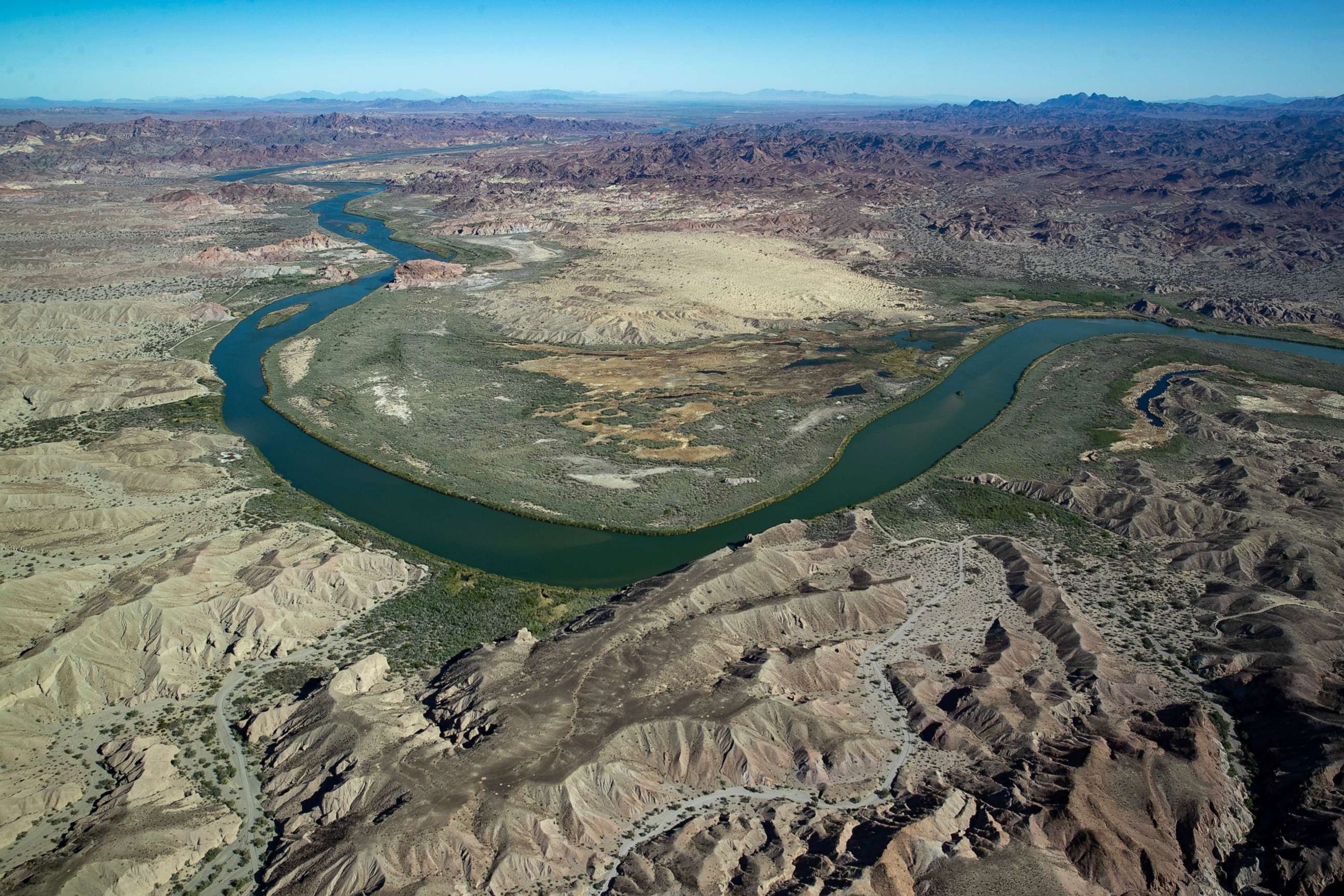
The Colorado River, a titan among North American waterways, carves its monumental path through a landscape of unparalleled natural beauty and stark contrasts. Originating high in the Rocky Mountains of Colorado, it flows southwest for over 1,450 miles, touching seven United States states—Colorado, Wyoming, Utah, New Mexico, Arizona, Nevada, and California—and two Mexican states before historically reaching the Gulf of California. For centuries, this majestic river has been much more than a geographical feature; it is a lifeblood, shaping the geology, ecology, history, and development of the American West. Today, however, a critical question hangs over its storied waters: Is the Colorado River drying up? The answer, unequivocally, points to a profound and alarming reality, threatening one of the world’s most iconic natural landmarks.

A Lifeline to the American West: The Colorado River’s Enduring Legacy
To understand the gravity of its potential decline, one must first appreciate the Colorado River’s immense and multifaceted legacy. It is a symbol of resilience, power, and natural wonder, attracting millions of visitors and supporting countless ecosystems and human settlements.
Geographical Grandeur and Ecological Significance
The Colorado River system is a masterpiece of geological artistry. Its relentless flow over millennia has carved some of the most spectacular canyons on Earth, most notably the Grand Canyon in Arizona. This monumental chasm, recognized globally as a UNESCO World Heritage site, is a testament to the river’s erosive power and a window into Earth’s ancient past. Beyond the Grand Canyon, the river nourishes a diverse array of ecosystems, from alpine forests in its headwaters to arid desert riparian zones. It supports unique flora and fauna, including endangered species of fish, birds, and mammals that depend on its waters for survival. These ecological niches, often fragile in the face of human encroachment and climate change, are irreplaceable components of the region’s natural heritage. The very existence of these iconic landscapes and their biodiversity hinges on the river’s health and sustained flow.
A Historical Vein of Development
Beyond its natural beauty, the Colorado River has been the engine of development for the arid West. Early Indigenous peoples, like the Pueblo and Navajo, established sophisticated agricultural practices along its banks, understanding its vital role in sustenance. In the 20th century, the river became the centerpiece of ambitious engineering projects, transforming vast stretches of desert into productive agricultural lands and supplying burgeoning urban centers. The construction of marvels like the Hoover Dam and Glen Canyon Dam harnessed the river’s power, creating massive reservoirs such as Lake Mead and Lake Powell. These dams not only generated hydroelectricity but also enabled the delivery of water to major metropolitan areas like Las Vegas, Phoenix, and Los Angeles, effectively allowing millions to thrive in otherwise inhospitable environments. The river’s water irrigates nearly 5.5 million acres of farmland, producing a significant portion of the nation’s winter vegetables and hay. Its history is inextricably linked to the prosperity and growth of the modern American West.
The Alarming Reality: Signs of Decline
Despite its historical significance and ongoing utility, the evidence is stark: the Colorado River is indeed drying up. A combination of factors, primarily climate change and over-allocation, has pushed this vital resource to its breaking point.
Depleted Reservoirs: Lakes Mead and Powell
The most visible indicators of the river’s distress are the rapidly shrinking levels of Lake Mead and Lake Powell, the two largest reservoirs in the United States. These artificial lakes, designed to store water for years of drought, are now at historically low levels, often less than 25-30% of their full capacity. The infamous “bathtub rings” of mineral stains on their canyon walls, marking where the water once reached, are stark visual reminders of the monumental water loss. The dramatic decline threatens not only water supply but also the critical hydropower generation from the Hoover Dam and Glen Canyon Dam, which power millions of homes and businesses across the Southwest. If levels continue to drop, these dams could reach “minimum power pool,” where they can no longer generate electricity, or even “dead pool,” where water cannot flow past the dam.
The Impact of Climate Change
A significant driver of the Colorado River’s decline is climate change. The basin has been experiencing a “megadrought” for over two decades, the most severe in 1,200 years. Rising temperatures lead to increased evaporation from reservoirs and soils, greater water absorption by plants, and a reduction in the crucial snowpack that feeds the river. The Rocky Mountains, the primary source of the Colorado River’s flow, are experiencing warmer winters and less precipitation falling as snow. This means less snowmelt flows into the river system, significantly diminishing its annual replenishment. The scientific consensus is clear: a warmer climate means a thirstier landscape and less water available, exacerbating the natural variability of drought cycles.
Over-allocation and Competing Demands
Adding to the woes of climate change is the historical over-allocation of the river’s water. The [Colorado River](https://lifeoutofthebox.com/colorado-river] Compact, signed in 1922, divided the river’s estimated average flow among the seven basin states and Mexico. However, this allocation was based on measurements taken during an unusually wet period, leading to an optimistic assessment of the river’s long-term capacity. In reality, the legal entitlements for water exceed the river’s natural flow, especially in drier years. This structural deficit means that even in an average year, more water is promised than the river can provide. Agriculture accounts for the vast majority of water use, but growing urban populations in cities like Denver, Phoenix, Las Vegas, and San Diego also place immense and increasing demands on the system, creating fierce competition for an ever-dwindling resource.

The Ripple Effect: Consequences for Ecosystems and Communities
The drying of the Colorado River sends shockwaves far beyond its immediate banks, impacting everything from fragile desert ecosystems to the economies of major Western cities.
Ecological Collapse in Arid Landscapes
The ecological consequences are profound. As water levels drop and flows diminish, the unique riparian habitats that line the river’s course are threatened. Wetlands dry up, compromising the nesting grounds of migratory birds and reducing critical stopover points along the Pacific Flyway. Fish species, many of which are endemic to the Colorado River basin, face shrinking habitats, increased water temperatures, and higher salinity, pushing them towards extinction. The absence of the river’s historical delta in Mexico, which once supported a rich tapestry of biodiversity, serves as a grim preview of what could happen further upstream if water management practices do not adapt. The interconnectedness of these ecosystems means that the stress on one component can lead to a cascading failure across the entire region.
Economic and Social Ramifications
The economic and social stability of the American West is deeply intertwined with the fate of the Colorado River. Agriculture, particularly in areas like California’s Imperial Valley and Arizona’s Yuma region, faces significant cuts to water allocations, threatening food production and the livelihoods of thousands of farmworkers. Urban centers confront escalating water restrictions, necessitating changes in everyday life and potentially hindering future growth. The decline in hydropower generation from Hoover Dam and Glen Canyon Dam means increased reliance on other, often more expensive or carbon-intensive, energy sources. Furthermore, the recreational economy, heavily reliant on boating, fishing, and tourism around Lake Mead, Lake Powell, and the Grand Canyon, is suffering, impacting local businesses and communities that depend on these natural attractions.
Charting a Course Forward: Conservation and Collaboration
The challenges facing the Colorado River are immense, but the situation is not without hope. Urgent action, marked by innovative solutions and unprecedented collaboration, is essential to secure its future as a vital landmark.
Innovative Solutions and Water Management Strategies
Addressing the crisis requires a multi-pronged approach to water management. Technologies like advanced wastewater recycling and desalination, though expensive, offer promising avenues for supplementing water supplies for urban areas. Agricultural practices can be made more efficient through drip irrigation, precision farming, and shifting to less water-intensive crops. Water conservation programs for both residential and commercial users are crucial, promoting behavioral changes and investments in water-efficient appliances and landscaping. Cloud seeding, while controversial and with varying results, is also being explored in certain areas to augment snowfall. Furthermore, improving infrastructure to reduce leaks and evaporation losses from canals and pipelines can significantly save water.
The Imperative for Interstate and International Cooperation
Given the interstate and international nature of the Colorado River basin, solutions require collective action. The seven U.S. states and Mexico must continue to negotiate and implement agreements that reflect the river’s current hydrological reality, rather than outdated assumptions. Recent drought contingency plans represent steps in the right direction, mandating cuts when reservoir levels drop below certain thresholds. However, more difficult decisions lie ahead regarding a fundamental re-evaluation of water allocations. Collaborative research, shared data, and unified policy frameworks are indispensable for navigating the complex legal, political, and environmental issues. This cooperation must balance the needs of urban centers, agriculture, industry, and the environment, ensuring equity and sustainability.
Preserving a National Treasure: The Future of the Colorado River
The question, “Is the Colorado River drying up?” serves as a powerful call to action. The answer is not just a scientific observation but a societal challenge, demanding profound changes in how we perceive, value, and manage this critical natural landmark. The Colorado River is more than just water; it is a repository of geological history, a cradle of biodiversity, and the foundation of a unique cultural landscape.
A Call to Action for Sustainable Stewardship
Preserving the Colorado River is not merely about maintaining water levels; it is about safeguarding an irreplaceable national treasure for future generations. It requires an informed public, proactive policymakers, and innovative scientists to work in concert. Sustainable stewardship means acknowledging the limits of natural resources, adapting to a changing climate, and prioritizing long-term ecological health over short-term gains. The fate of the Colorado River will be a defining story of our time, demonstrating humanity’s capacity to confront environmental challenges through collective will, technological ingenuity, and a renewed reverence for the natural world. Its future remains uncertain, but the efforts to save it will undoubtedly shape the legacy of one of the planet’s most iconic waterways.
LifeOutOfTheBox is a participant in the Amazon Services LLC Associates Program, an affiliate advertising program designed to provide a means for sites to earn advertising fees by advertising and linking to Amazon.com. Amazon, the Amazon logo, AmazonSupply, and the AmazonSupply logo are trademarks of Amazon.com, Inc. or its affiliates. As an Amazon Associate we earn affiliate commissions from qualifying purchases.