
Colorado, often celebrated for its stunning natural beauty, vibrant cities, and thriving outdoor lifestyle, attracts millions of visitors and new residents each year. From the majestic peaks of the Rocky Mountains to the bustling urban centers like Denver and Boulder, the Centennial State offers a unique blend of adventure and opportunity. However, beneath the allure of its picturesque landscapes and dynamic culture lies a practical consideration for anyone living, working, or planning an extended stay in the state: understanding Colorado state taxes.
For individuals and families contemplating a move, entrepreneurs establishing a business, or even those enjoying a long-term visit, grasping the tax structure is crucial for sound financial planning and a comfortable lifestyle. This comprehensive guide will demystify Colorado’s tax landscape, offering insights into its various components and how they impact daily life, budgeting, and financial well-being within the state. Far from being a mere technicality, these taxes play a significant role in defining the economic environment and the cost of living that shapes one’s lifestyle in Colorado.
Understanding Colorado’s Tax Landscape for Your Lifestyle
Colorado’s tax system is designed to fund essential public services, infrastructure, and state programs that contribute to the quality of life enjoyed by its residents. Unlike some states with highly progressive tax brackets or no income tax at all, Colorado adopts a relatively straightforward approach, particularly concerning personal income tax. However, this simplicity often belies a more complex mosaic of local taxes and specific levies that can vary significantly depending on where you reside or conduct business within the state. Navigating this landscape requires more than just knowing the state tax rate; it demands an awareness of the various ways taxes interact with your personal and professional lifestyle choices.
The Flat Income Tax Rate
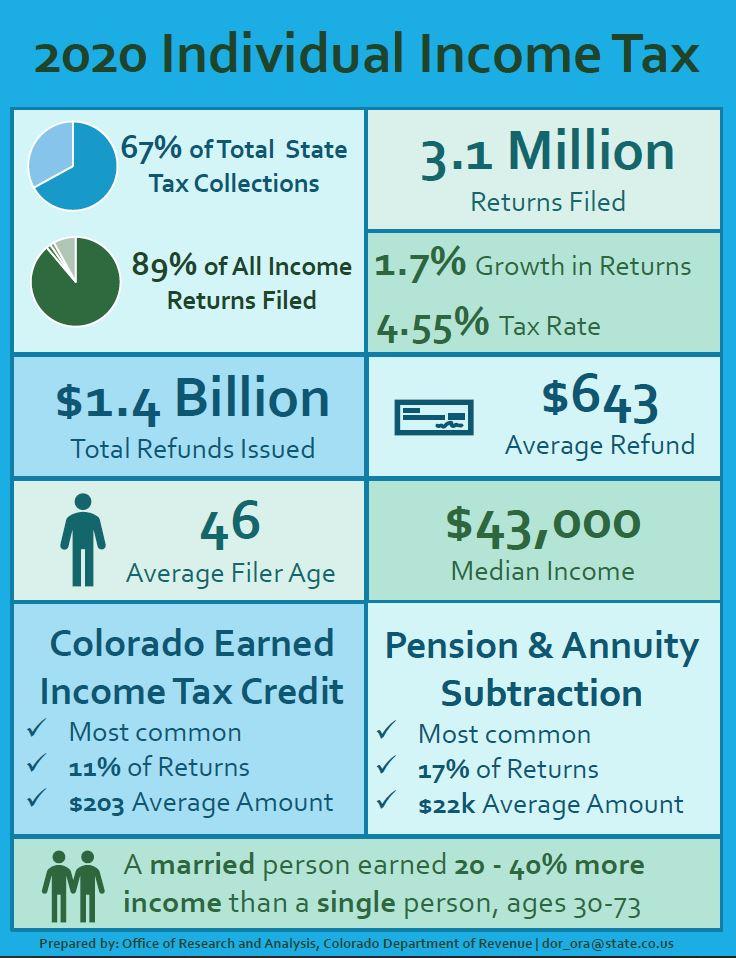
One of the most distinctive features of Colorado’s tax system is its flat personal and corporate income tax rate. Currently, Colorado levies a single rate on taxable income for both individuals and corporations. This means that, regardless of how much you earn, a consistent percentage of your taxable income goes to the state. This flat-rate system is often lauded for its transparency and simplicity, making it easier for residents to calculate their tax liabilities and for businesses to project their operational costs. For someone considering a move to a Colorado city like Fort Collins or Colorado Springs, understanding this flat rate is fundamental to personal budgeting and financial planning, offering a clear picture of the state’s bite out of your earnings. It provides a degree of predictability that can be invaluable when assessing the overall cost of living and maintaining your desired lifestyle.
Sales and Use Taxes: Everyday Purchases
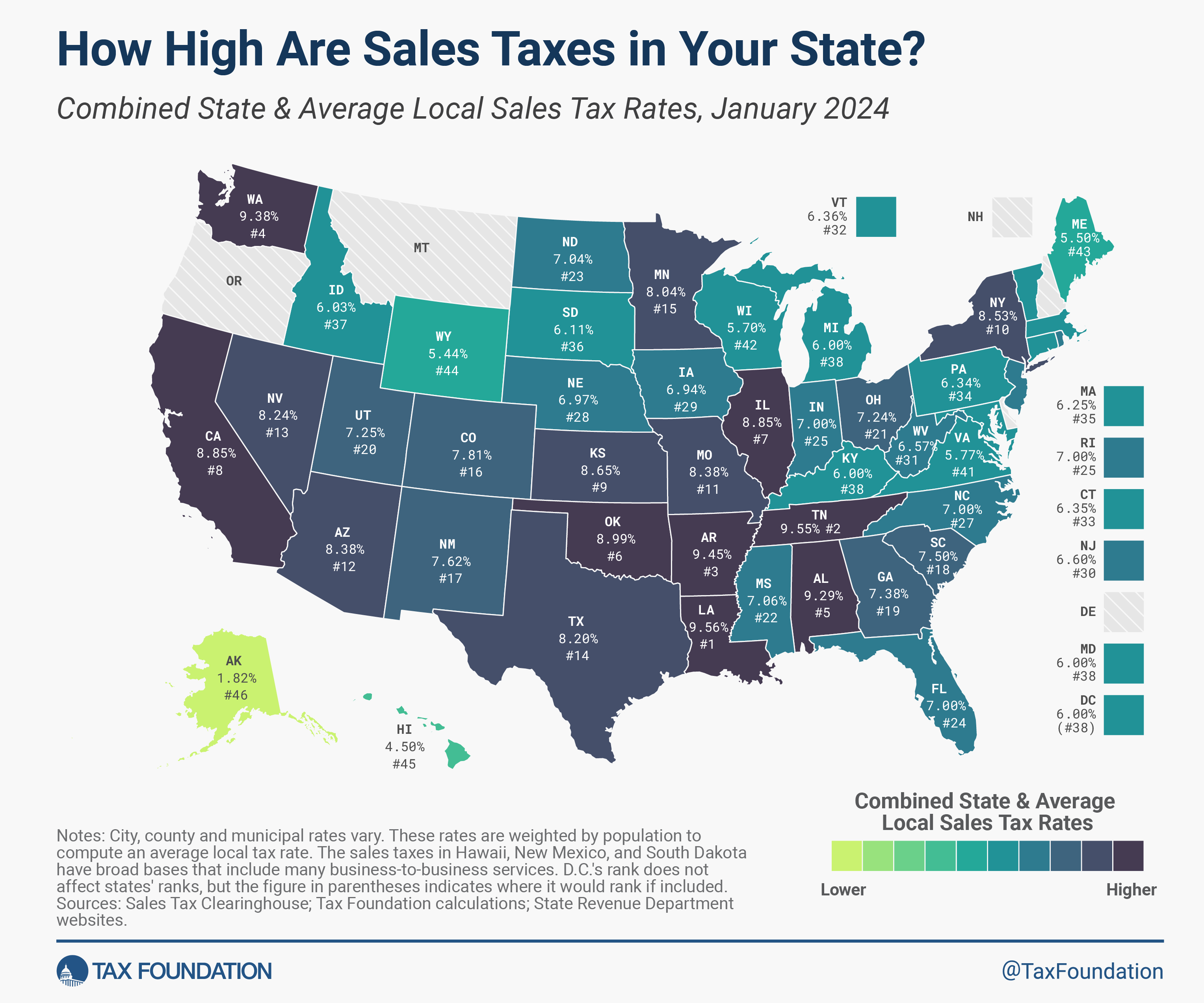
Beyond income, sales and use taxes are perhaps the most frequently encountered taxes for virtually everyone in Colorado. The state imposes a sales tax on the sale of most tangible goods and certain services. However, the effective rate you pay at the register is often higher than the state’s base rate due to additional local sales taxes levied by cities, counties, and special districts. For instance, while the state sales tax is uniform, purchasing goods in Denver might incur a different total sales tax percentage than in Pueblo or Grand Junction. These local variations can significantly impact the cost of everyday expenses, from groceries (though many food items are exempt) to clothing, electronics, and dining out.
Use tax, on the other hand, applies to purchases made outside Colorado for use within the state, where sales tax was not collected by the seller. This ensures fairness and prevents residents from avoiding sales tax by buying goods from out-of-state retailers. For individuals living a modern lifestyle, frequently shopping online, understanding use tax is increasingly important to remain compliant and avoid unexpected liabilities. The cumulative effect of state and local sales and use taxes can add up, making it an essential factor in budgeting for daily living costs and larger purchases, influencing everything from your weekly shopping bill to the price of a new car or furniture.
Property Taxes and Real Estate in the Centennial State
For those looking to establish roots in Colorado through homeownership, property taxes represent a significant and recurring financial commitment. Unlike income or sales taxes, which are directly tied to earnings or consumption, property taxes are assessed annually on real estate, playing a vital role in funding local services such as schools, fire departments, libraries, and parks. The specifics of property taxation in Colorado are governed by a unique framework, notably influenced by the Taxpayer’s Bill of Rights, or TABOR, which places limits on government spending and revenue. Understanding how these taxes are calculated and their implications for homeownership and even renting is crucial for anyone considering the Colorado lifestyle.
How Property Taxes Are Calculated
Colorado property taxes are calculated based on two primary factors: the actual value of the property and the assessment rate, which is then multiplied by the local mill levy (tax rate). Properties are reappraised every two years to reflect market values. The assessment rate, however, differs for residential and commercial properties, with residential properties historically benefiting from a lower rate. This preferential treatment for homeowners aims to reduce the tax burden on primary residences.
The mill levy, set by local taxing authorities like counties, cities, and school districts, is expressed as mills per dollar of assessed value (a mill is one dollar per $1,000 of assessed value). Because mill levies vary dramatically from one jurisdiction to another—even between neighboring communities like Lakewood and Aurora—the total property tax bill can differ substantially for homes of similar value in different areas. This complexity underscores the importance of researching specific property tax rates when evaluating potential neighborhoods for your Colorado home.
Impact on Homeownership and Renters
For homeowners, property taxes are an inescapable part of the monthly housing cost, often bundled into mortgage payments. High property taxes can significantly impact affordability, especially in desirable areas like Aspen or Vail, where property values soar. Prospective buyers must factor these ongoing costs into their budget alongside mortgage principal and interest. Furthermore, changes in property values and local mill levies can lead to fluctuations in annual tax bills, requiring homeowners to remain vigilant about their financial planning.
Even renters are indirectly affected by property taxes. Landlords often incorporate property tax expenses into their rental rates. Therefore, higher property taxes in a particular area can contribute to increased rental costs, impacting the overall affordability of living in popular Colorado cities. Whether you own or rent, understanding the nuances of property taxation in Colorado is essential for a realistic assessment of living expenses and for making informed lifestyle decisions within the state.

Other Key Taxes Influencing Colorado Living
Beyond the major categories of income, sales, and property taxes, Colorado levies several other specific taxes that can influence various aspects of your lifestyle and financial planning. These taxes, while perhaps not as universally applicable as the primary three, are nonetheless important for specific activities, industries, or purchases, and contribute to the overall economic environment of the state. Awareness of these additional taxes helps provide a complete picture for residents and businesses alike, ensuring a well-rounded understanding of the state’s fiscal policies.
Vehicle and Road Use Taxes
For anyone living in Colorado, owning and operating a vehicle is often a necessity, given the state’s vast landscapes and outdoor recreational opportunities. Colorado imposes various fees and taxes related to vehicle ownership and road use. When you purchase a new or used vehicle, you will typically pay state and local sales tax on the transaction, unless you qualify for an exemption. Beyond the initial purchase, annual registration fees are levied, which can vary based on the vehicle’s age, weight, and purchase price. These fees contribute to the maintenance and improvement of Colorado’s roads and transportation infrastructure.
Additionally, Colorado has a state gasoline tax, which is included in the price you pay at the pump. This excise tax specifically funds highway construction and maintenance, directly impacting the quality of the roads you drive on daily or during weekend adventures in the mountains. For individuals who frequently commute or enjoy exploring the state, these vehicle-related taxes are a continuous part of their budget, influencing transportation costs and overall lifestyle expenses.
Specific Excise Taxes and Their Role
Colorado also utilizes excise taxes on certain goods and services, often for regulatory purposes or to generate revenue for specific programs. A prominent example is the state’s taxation of marijuana, which was legalized for recreational use in Colorado. Sales of recreational marijuana are subject to a standard state sales tax, plus an additional state retail marijuana excise tax. A significant portion of the revenue generated from these taxes is earmarked for public school capital construction and other public services, demonstrating how specific taxes can directly benefit the community.
Other excise taxes may apply to tobacco products, alcohol, and certain other specific goods or activities. While these may not affect everyone, they are important considerations for individuals whose lifestyles include these items or for businesses operating within these regulated sectors. These taxes reflect societal priorities and provide dedicated funding streams for a variety of state initiatives.
Business Taxes for Entrepreneurs
For entrepreneurs, small business owners, or those considering starting a venture in Colorado, understanding the state’s business tax environment is paramount. Beyond the flat corporate income tax mentioned earlier, businesses may be subject to various other taxes depending on their structure, industry, and activities. These can include unemployment insurance taxes, which fund benefits for eligible unemployed workers, and specific industry taxes or fees.
Local municipalities and counties might also impose their own business licenses or occupational privilege taxes. For example, a business operating in Denver might face different local levies than one in Colorado Springs. Thorough research and consultation with a tax professional are essential for any business to ensure compliance and accurately forecast operational costs, ensuring a sustainable and thriving presence in Colorado’s dynamic economy.
Navigating Tax Planning in Colorado
Understanding the various components of Colorado state taxes is the first step; effectively navigating them for sound financial health and a fulfilling lifestyle is the next. Given the nuances of local tax rates, the intricacies of property assessments, and the potential for changes in tax legislation, proactive tax planning is essential for residents, newcomers, and businesses in the Centennial State. Strategic planning can help individuals and entities optimize their financial position, ensure compliance, and budget effectively for the future.
Resources for Residents and Newcomers
For those new to Colorado or residents seeking to deepen their understanding of their tax obligations, numerous resources are available. The Colorado Department of Revenue (DOR) website is an invaluable starting point, offering comprehensive guides, forms, and updates on state tax laws. They provide detailed information on income tax, sales tax, and various other levies, often with FAQs and instructional materials. County assessor and treasurer websites are critical for understanding local property tax specifics, including assessment values and mill levies in your particular area.
Additionally, many local chambers of commerce and economic development organizations offer resources tailored to businesses, providing insights into local licensing requirements and tax incentives. Engaging with community groups or online forums focused on Colorado living can also provide practical advice and perspectives from fellow residents, enriching your understanding of the local financial landscape.
Tips for Budgeting and Financial Health
Effective budgeting in Colorado requires factoring in all relevant state and local taxes. For personal finances, this means not just considering your income tax withholding but also anticipating sales tax on everyday purchases, potential vehicle registration fees, and, for homeowners, property tax payments. Creating a detailed monthly or annual budget that allocates funds for these tax obligations can prevent financial surprises and provide a clearer picture of your disposable income.
For businesses, proactive tax planning involves more than just calculating income tax. It includes understanding potential sales tax liabilities, payroll taxes, and any specific industry-related levies. Consulting with a qualified local tax advisor or accountant can provide personalized guidance, identify potential deductions or credits, and ensure compliance with all state and local regulations. Their expertise can be particularly beneficial in navigating the complexities of TABOR and its impact on the state’s fiscal environment. By diligently planning and utilizing available resources, individuals and businesses can confidently embrace the vibrant Colorado lifestyle, assured in their financial preparedness.
LifeOutOfTheBox is a participant in the Amazon Services LLC Associates Program, an affiliate advertising program designed to provide a means for sites to earn advertising fees by advertising and linking to Amazon.com. Amazon, the Amazon logo, AmazonSupply, and the AmazonSupply logo are trademarks of Amazon.com, Inc. or its affiliates. As an Amazon Associate we earn affiliate commissions from qualifying purchases.