
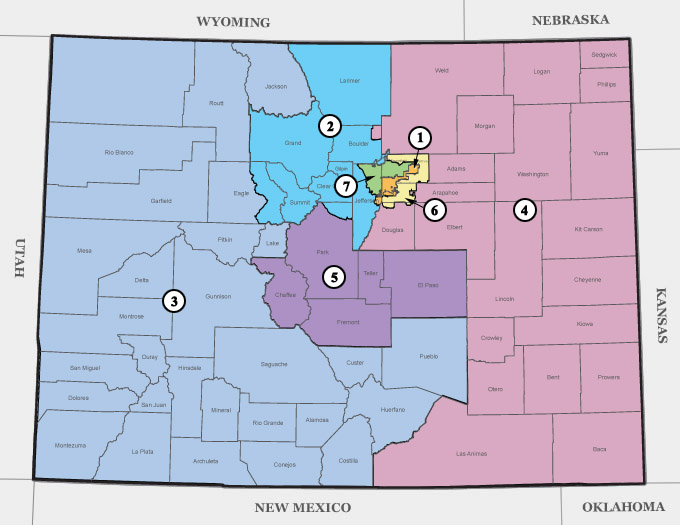
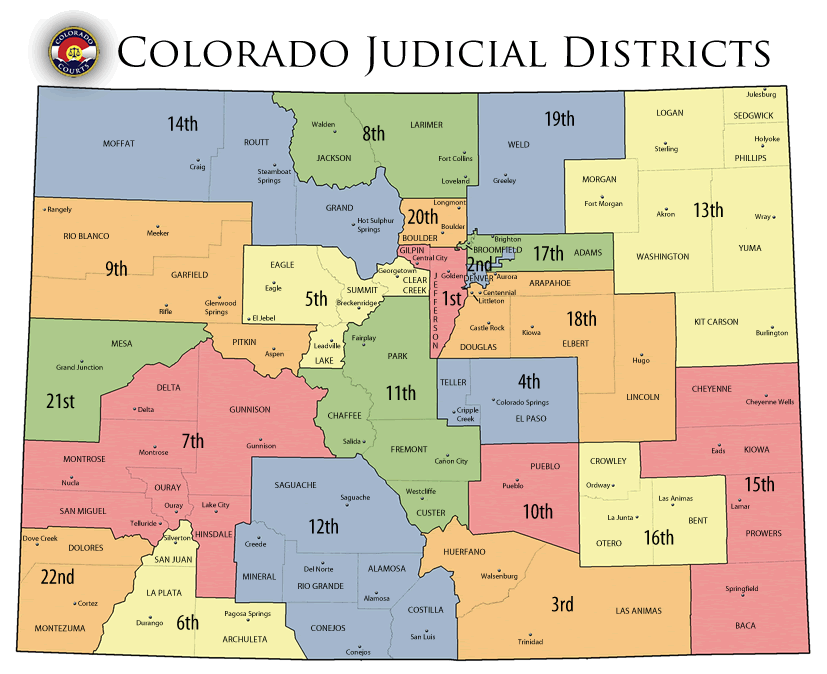
Embarking on a journey through the Centennial State is an adventure filled with diverse landscapes, vibrant cities, and unparalleled outdoor recreation. However, Colorado is far more than a singular destination; it’s a mosaic of distinct geographical and cultural districts, each offering a unique flavor of the Western experience. Understanding “What Colorado District Am I In?” is not just a matter of pinpointing your location on a map; it’s the key to unlocking the specific attractions, activities, and ambiance that define your travel experience. From the bustling urban centers nestled against the Rockies to the tranquil, high-desert mesas, each region beckons with its own story. This guide aims to demystify Colorado’s districts, empowering you to navigate its splendor with confidence and purpose.

Unveiling Colorado’s Geographical Tapestry
Colorado’s topography is its most defining characteristic, shaping its climate, economy, and distinct regional identities. Broadly, the state can be divided into several major geographical districts, each with unique features that captivate travelers. Recognizing these fundamental divisions is the first step toward understanding where you are, or where you want to be, in this magnificent state.
The Front Range Urban Corridor: Gateway to Adventure
The Front Range is arguably Colorado’s most populous and accessible district, stretching from Fort Collins in the north, through Denver and Boulder, down to Colorado Springs in the south. This corridor serves as the economic and cultural hub of the state, characterized by its blend of urban sophistication and immediate access to the foothills of the Rocky Mountains. Travelers here can expect a dynamic mix of arts, dining, professional sports, and a burgeoning tech scene, all within a short drive of breathtaking natural beauty. The elevation generally ranges from 5,000 to 7,000 feet, offering a high-altitude experience without the extreme cold of the higher peaks.
The Majestic Rocky Mountains: Peaks and Wilderness
West of the Front Range lie the awe-inspiring Rocky Mountains proper. This district encompasses some of the highest peaks in North America, including the famous Fourteeners, and is synonymous with world-class skiing, snowboarding, hiking, and mountaineering. Iconic resort towns like Aspen, Vail, Breckenridge, and Telluride define this region, attracting visitors year-round for their pristine slopes in winter and vibrant outdoor activities in summer. The landscape is dominated by alpine forests, glacial lakes, and rugged terrain, making it a paradise for adventure seekers. Elevations here typically range from 8,000 feet to well over 14,000 feet at the summits.
The Expansive Western Slope: Red Rocks and Rivers
Beyond the Continental Divide, the Western Slope presents a dramatically different landscape. This district is characterized by its arid, high-desert environment, deep canyons carved by the Colorado River, and a burgeoning agricultural scene, particularly known for its vineyards and fruit orchards. Cities like Grand Junction serve as gateways to unique geological formations such as the Colorado National Monument. The Western Slope also boasts historical treasures like Mesa Verde National Park and natural wonders such as Dinosaur National Monument. Travelers seeking red rock landscapes, river rafting, and a taste of Colorado’s wine country will find their niche here. Elevations are generally lower than the Front Range and Rocky Mountains, often between 4,000 and 7,000 feet.
The High Plains and Eastern Colorado: A Different Horizon
Venturing east of the Front Range, Colorado transforms into vast stretches of high plains, part of the Great Plains of North America. This district, often overlooked by those drawn to the mountains, offers a unique glimpse into the state’s agricultural heritage, open skies, and a slower pace of life. Towns like Lamar and Sterling dot the landscape, offering a window into authentic rural Colorado. Travelers here can explore historic sites, enjoy birdwatching, and experience the tranquility of wide-open spaces. It’s a land of cattle ranches, cornfields, and wind turbines, far removed from the alpine bustle. The elevation here is the lowest in the state, generally ranging from 3,300 to 5,000 feet.
Pinpointing Your Location: Tools and Tips for Travelers
Understanding which district you’re in or planning to visit is crucial for a fulfilling travel experience. Modern technology and traditional resources both play a vital role in helping you navigate Colorado’s diverse regions effectively.
Leveraging Digital Maps and GPS
In today’s travel landscape, digital mapping applications like Google Maps, Apple Maps, or dedicated GPS devices are indispensable. These tools not only provide real-time navigation but also often display geographical boundaries, points of interest, and elevation data that can help you understand the district you’re currently in or heading towards. Before embarking on a trip to remote areas, especially within the Rocky Mountains or parts of the Western Slope, it’s advisable to download offline maps, as cell service can be spotty. Looking up major cities or natural landmarks within each district can quickly orient you. For instance, if your GPS shows you near Pikes Peak, you’re clearly in the Front Range district, specifically near Colorado Springs.
Understanding Local Signage and Information Centers
As you drive through Colorado, pay attention to highway signs. These frequently indicate upcoming towns, national parks, or mountain passes, which can often be associated with a particular district. Many state highways also have interpretive signs that describe the geography or history of the area you are entering. Additionally, official visitor information centers, often found at state borders, major towns, or national park entrances, are invaluable resources. Staffed by knowledgeable locals, these centers provide detailed maps, brochures, and personalized advice, helping you confirm your location and offering insights into local attractions specific to that district.
Engaging with Local Expertise
One of the best ways to understand your current district and its offerings is simply to ask. Whether it’s your hotel concierge, a restaurant server, or a park ranger, locals are often eager to share their knowledge. They can provide recommendations for hidden gems, explain local customs, or even warn you about specific weather patterns unique to their micro-region within a broader district. Engaging with local expertise can enrich your travel experience significantly, moving beyond what guidebooks or apps can offer.
Exploring Each District’s Unique Appeal for Travelers
Each of Colorado’s major districts offers a distinct set of experiences, catering to various travel preferences. Understanding these unique appeals will help you tailor your itinerary and make the most of your visit.
Denver and the Front Range: Urban Wonders and Outdoor Access
The Front Range is where urban excitement meets immediate outdoor access. Denver, the state capital, boasts a thriving arts scene, diverse culinary offerings, and major league sports. Visitors can explore the Denver Art Museum, catch a game at Coors Field, or wander through the historic Larimer Square. Just a short drive away, the iconic Red Rocks Park and Amphitheatre offers stunning natural beauty and world-class concerts. Boulder is renowned for its vibrant outdoor culture, intellectual atmosphere, and access to hiking trails like those in Chautauqua Park. Further south, Colorado Springs offers attractions like Garden of the Gods Park and the majestic Pikes Peak. This district is ideal for travelers who enjoy a balance of city exploration and accessible outdoor adventures.
Aspen, Vail, and the Rockies: Skiing, Hiking, and Alpine Charm
The Rocky Mountains district is synonymous with high-alpine adventures. In winter, it transforms into a skier’s paradise, with world-renowned resorts like Aspen Snowmass, Vail Ski Resort, Breckenridge Ski Resort, and Telluride Ski Resort offering unparalleled slopes and luxurious amenities. Come summer, these same mountains become a haven for hikers, mountain bikers, and nature enthusiasts, with trails leading to pristine alpine lakes, wildflowers, and breathtaking vistas. The historic mining towns turned resort destinations exude a unique charm, offering upscale dining, boutique shopping, and a vibrant cultural scene. Whether you’re seeking adrenaline-pumping sports or serene mountain escapes, the Rockies deliver. Don’t forget iconic natural hot springs in places like Glenwood Springs for ultimate relaxation.
Grand Junction and the Western Slope: Wine, Canyons, and Adventure Sports
The Western Slope offers a distinctly different, yet equally captivating, Colorado experience. Grand Junction is the region’s largest city and a hub for exploring the dramatic red rock canyons of the Colorado National Monument, perfect for scenic drives, hiking, and mountain biking. The region is also the heart of Colorado’s wine country, with numerous vineyards and tasting rooms near Palisade. For history buffs, Mesa Verde National Park offers an extraordinary look into ancient Pueblo cliff dwellings, while Dinosaur National Monument provides a glimpse into prehistoric life. The Western Slope is ideal for those seeking unique geological wonders, cultural heritage, and a more arid, rugged outdoor adventure.
Southeastern and Northeastern Plains: History, Agriculture, and Tranquility
The eastern plains of Colorado offer a tranquil contrast to the mountain-centric image of the state. This district is characterized by its vast open spaces, agricultural landscapes, and a rich history. Travelers can explore historic sites such as the Amache National Historic Site near Granada, which tells the story of Japanese American internment during World War II. The town of Lamar is a gateway to the Comanche National Grassland, offering birdwatching and a chance to experience the solitude of the prairie. In the northeast, Sterling provides a base for exploring local farms and enjoying the quiet charm of rural life. For those interested in a different facet of Colorado – one focused on history, agriculture, and expansive skies – the High Plains offers a refreshing change of pace. Don’t miss the chance to visit Great Sand Dunes National Park and Preserve in the south-central part of the state, a truly unique natural phenomenon that straddles the plains and the base of the Sangre de Cristo Mountains.
Planning Your Journey: District-Specific Travel Considerations
Effective travel planning in Colorado necessitates considering the unique aspects of each district, from climate variations to transportation logistics.
Best Time to Visit Each Colorado District
The ideal time to visit Colorado heavily depends on which district you plan to explore and what activities you envision. For the Front Range, spring and fall offer pleasant temperatures for city exploration and hiking, with fewer crowds than summer. The Rocky Mountains are best visited in winter for skiing and snowboarding, and in summer for hiking, mountain biking, and wildflowers. Shoulder seasons (late spring, early fall) can offer a quieter mountain experience. The Western Slope thrives in spring and fall for outdoor activities, wine tasting, and comfortable temperatures, though summer is popular for river sports. The eastern plains are generally enjoyable in spring and fall, avoiding the summer heat and winter cold. Always be prepared for sudden weather changes, particularly in the mountains.
Transportation and Accessibility Challenges
Navigating Colorado’s diverse districts requires foresight in transportation. While the Front Range has a well-developed highway system and public transit options within major cities, venturing into the Rocky Mountains or Western Slope often necessitates a reliable vehicle, especially one with four-wheel drive in winter. Mountain passes can close due to snow, and some scenic routes are only accessible seasonally. Remote areas on the Western Slope and eastern plains may have limited services, so planning fuel stops and accommodations is crucial. For air travel, Denver International Airport is the primary gateway, with smaller regional airports serving destinations like Grand Junction, Aspen, and Colorado Springs.
Essential Packing for Colorado’s Diverse Climates
Due to significant elevation changes and varied geographies, packing for Colorado travel requires versatility. Regardless of the season, layering is key. Even in summer, mountain evenings can be cool. For the Rocky Mountains, expect colder temperatures, potential snow, and the need for waterproof gear and sturdy hiking boots. The Western Slope and eastern plains can experience extreme heat in summer and cold in winter, with drier conditions. Always include sun protection (hat, sunglasses, high-SPF sunscreen) due to Colorado’s high altitude and intense sun, as well as ample water to stay hydrated, especially when arriving from lower elevations.
By understanding the distinct characteristics of each Colorado district, travelers can move beyond simply asking “What Colorado District Am I In?” to truly appreciating the depth and breadth of experiences this remarkable state has to offer. Whether you seek urban sophistication, alpine thrills, desert solitude, or a glimpse into agricultural heritage, Colorado’s diverse tapestry awaits your exploration.
LifeOutOfTheBox is a participant in the Amazon Services LLC Associates Program, an affiliate advertising program designed to provide a means for sites to earn advertising fees by advertising and linking to Amazon.com. Amazon, the Amazon logo, AmazonSupply, and the AmazonSupply logo are trademarks of Amazon.com, Inc. or its affiliates. As an Amazon Associate we earn affiliate commissions from qualifying purchases.