
For anyone exploring the vast and varied landscape of Colorado, understanding “what district am I in” is more than just a geographical query; it’s a gateway to unlocking truly authentic experiences. The Centennial State, known for its dramatic Rocky Mountains, high plains, and vibrant urban centers, offers a kaleidoscope of local cultures, unique culinary scenes, and distinct activities that are often dictated by regional distinctions. Whether you’re a first-time visitor or a returning enthusiast, pinpointing your district allows for a deeper immersion into the state’s diverse offerings, transforming a mere trip into an insightful journey.

Understanding Colorado’s Diverse Districts for the Curious Traveler
Colorado is a state of remarkable contrasts, where towering peaks give way to rolling plains, and historic mining towns blend with modern, bustling cities. These geographical and historical variations have naturally shaped its districts, each with its own character and appeal. For the discerning traveler focused on tourism, knowing these distinctions is paramount for tailoring an itinerary that resonates with specific interests, be it high-octane adventure, serene natural beauty, or rich cultural exploration.
Why Your District Matters for an Authentic Colorado Experience
Your district profoundly influences the type of cultural experiences, local cuisine, and activities available. For instance, the high-alpine towns will offer a different array of outdoor pursuits and dining options than the urban centers of the Front Range. Knowing your district helps you anticipate local traditions, understand the predominant industries (e.g., agriculture, mining history, tourism), and discover hidden gems that might otherwise be overlooked. It allows you to move beyond generic tourist traps and engage with the genuine spirit of a place, from sampling craft beers in Denver’s RiNo Art District to exploring ancient Puebloan cliff dwellings at Mesa Verde National Park. This specificity empowers travelers to connect more deeply with the local community, supporting local businesses and appreciating the unique rhythms of each area.
Navigating Colorado’s Broad Regional Divisions
Broadly speaking, Colorado can be segmented into several major regions, which often serve as umbrella “districts” for tourism purposes:
- The Front Range Urban Corridor: This heavily populated strip runs along the eastern base of the Rocky Mountains and includes major cities like Denver, Boulder, Colorado Springs, and Fort Collins. It’s a hub for arts, culture, dining, and easy access to mountain adventures.
- The Rocky Mountains/High Country: Spanning the central and western parts of the state, this region is defined by its majestic peaks, ski resorts (e.g., Aspen, Vail, Breckenridge, Telluride), and charming mountain towns. It’s an outdoor enthusiast’s paradise year-round.
- The Western Slope: West of the Continental Divide, this area is characterized by high desert landscapes, fertile valleys, vineyards, and the dramatic canyons of the Colorado River. Cities like Grand Junction are its primary anchors.
- Southern Colorado: Extending from the Pueblo region down to the New Mexico border, this area is rich in history, Native American culture, and unique geological formations, including the vast San Luis Valley and Great Sand Dunes National Park and Preserve.
- The Eastern Plains: Often overlooked by tourists heading for the mountains, this agricultural region offers a glimpse into Colorado’s rural heritage, with wide-open spaces and a slower pace of life.
Iconic Tourist Districts Across the Centennial State
Within these broader regions, specific districts stand out for their concentration of attractions, unique atmospheres, and distinct tourism offerings. Understanding these micro-districts is key to crafting a targeted and memorable travel experience.
The Bustling Urban Hubs: Denver, Boulder, and Colorado Springs
The Front Range cities serve as vibrant cultural and economic engines. Denver, the state capital, boasts diverse neighborhoods like LoDo (Lower Downtown) with its historic buildings and lively nightlife, the Golden Triangle Creative District for museums and galleries, and the RiNo Art District, famous for street art and breweries. Boulder offers a unique blend of outdoor adventure and intellectual pursuit, centered around Pearl Street Mall and numerous hiking trails. Colorado Springs, nestled at the base of Pikes Peak, is home to the stunning red rock formations of Garden of the Gods and a strong military presence, offering a mix of natural wonders and patriotic history. Each city, and even specific neighborhoods within them, constitutes a distinct “district” for tourism, offering different vibes, culinary specialties, and activity focuses.
Mountain Paradises: Aspen, Vail, Breckenridge, and Telluride
These iconic ski towns are synonymous with Colorado’s mountain allure. Aspen offers luxury, high-end shopping, and a sophisticated arts scene alongside world-class skiing. Vail is known for its European-inspired village and expansive terrain. Breckenridge blends historic charm with a vibrant main street and access to impressive slopes. Telluride, tucked away in a remote box canyon, combines rugged beauty with a refined cultural calendar, particularly famous for its film and bluegrass festivals. Beyond skiing, these districts offer incredible summer activities like hiking, mountain biking, and whitewater rafting, each town having its own distinct character, from family-friendly to ultra-exclusive. Other notable mountain districts include Steamboat Springs, known for its Western heritage and Champagne Powder, and the historic hot springs town of Glenwood Springs.
Western Slope Wonders: Grand Junction and Wine Country
The Western Slope presents a stark contrast to the high mountains. Grand Junction is the region’s largest city, serving as a gateway to the Colorado National Monument and nearby wine regions like Palisade. This district is perfect for those seeking a different kind of outdoor adventure, from mountain biking on desert trails to exploring fruit orchards and vineyards. Its climate and geography lend themselves to unique agricultural products, reflected in its farm-to-table dining scene. Further south, the dramatic beauty of Ouray, known as the “Switzerland of America,” and the profound depths of Black Canyon of the Gunnison National Park define distinct sub-districts, each offering unparalleled natural splendor and niche activities like ice climbing or scenic drives.
Southern Colorado’s Rich Heritage: Pueblo and the San Luis Valley
Southern Colorado offers a journey through time and cultural fusion. Pueblo, with its historic Riverwalk and steel industry legacy, offers a glimpse into Colorado’s industrial past and a vibrant arts scene. Moving further south, the vast and mysterious San Luis Valley is a high-altitude agricultural basin surrounded by mountain ranges, home to the otherworldly Great Sand Dunes National Park and Preserve. This district is steeped in Native American and Spanish colonial history, offering unique cultural festivals, spiritual retreats, and stargazing opportunities that are unparalleled. The ancient cliff dwellings of Mesa Verde National Park near Cortez represent another distinct, historically rich district, crucial for understanding the Ancestral Puebloan people.
Pinpointing Your Location: Tools and Tips for Travelers
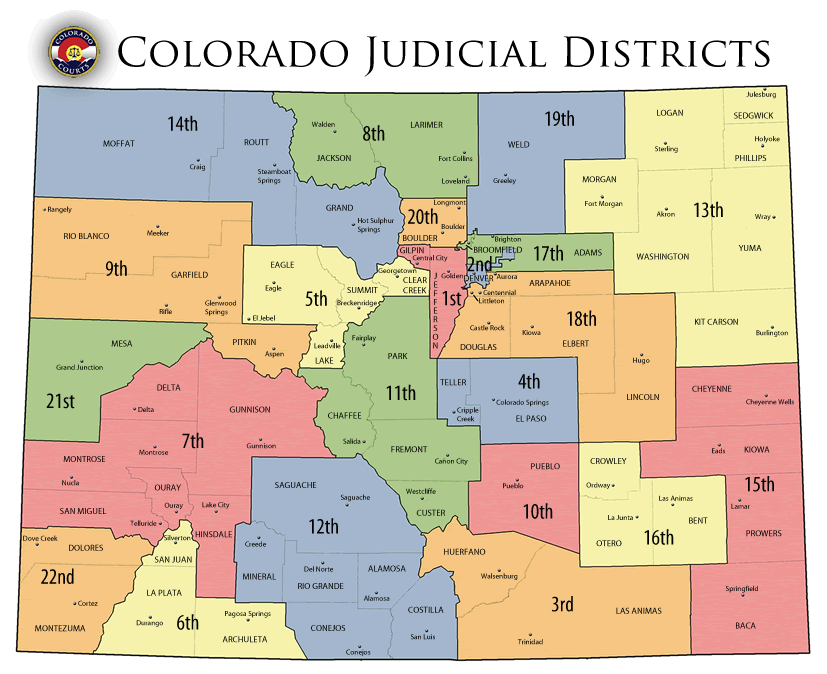
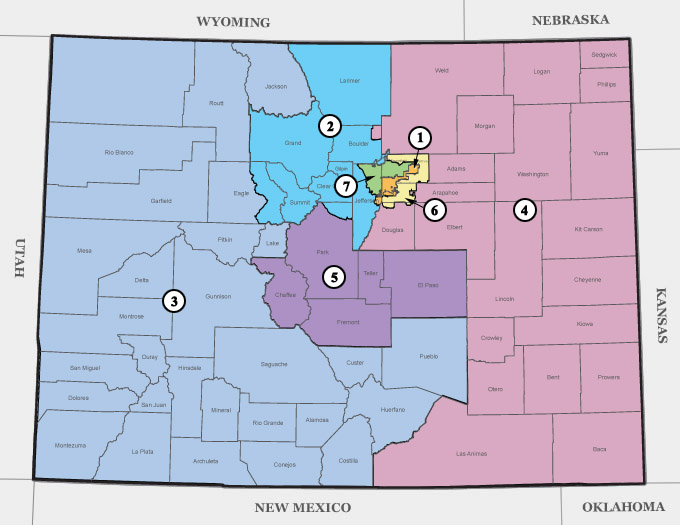
Determining “what district am I in Colorado?” is easier than ever with modern technology and a little local insight. For optimal tourism planning, it’s wise to orient yourself early in your visit.
Leveraging Technology: GPS, Apps, and Online Maps
Your smartphone is your best friend for location awareness. GPS services like Google Maps or Apple Maps can pinpoint your exact location, often displaying neighborhood names or regional boundaries. Many tourism-specific apps for Colorado also exist, offering interactive maps that highlight points of interest within specific districts. Online resources from Colorado’s official tourism board, Colorado.com, provide detailed regional breakdowns and guides. Before you travel, download offline maps of your intended destinations, especially if you plan to venture into areas with spotty cell service, such as many parts of the Rocky Mountains.
Local Insights: Asking and Observing
Don’t underestimate the power of local knowledge. When you arrive at a hotel, restaurant, or visitor center, simply ask staff or locals: “What district am I in?” or “What’s unique about this area?” People in Colorado are generally friendly and proud of their communities. Observing local signage, architecture, and even the attire of residents can also provide clues about the district’s character. For example, a town with a strong mining history will have different architectural styles and museum offerings than a modern resort town.
Official Resources: Visitor Centers and Tourism Boards
Every major city and many smaller towns in Colorado have dedicated visitor centers. These hubs are invaluable sources of information, offering free maps, brochures, and expert advice from local guides. Staff can clearly articulate the boundaries and characteristics of their district, recommend local activities, dining spots, and cultural events tailored to your interests. Websites like Colorado.com and individual city tourism sites are also excellent online resources for district-specific information.
Embracing the Local Flavor: Activities and Culture by District
Once you’ve identified your district, the real fun of tourism begins: diving into the experiences that define it. Each district offers a unique set of adventures, culinary delights, and cultural encounters.
Culinary Journeys: From Farm-to-Table to High-Altitude Dining
Colorado’s food scene is as diverse as its landscape. In the Western Slope and Pueblo regions, expect fresh, locally sourced produce, especially peaches and grapes in the Palisade area, and famous green chile in Pueblo. Denver and Boulder boast sophisticated farm-to-table restaurants, a burgeoning craft brewery scene, and international cuisine. Mountain towns like Aspen and Vail offer upscale dining experiences, often with breathtaking views. Exploring the culinary landscape district by district provides an authentic taste of Colorado’s bounty.
Adventure Awaits: Tailoring Activities to Your District
Your district directly influences the available outdoor activities. The Rocky Mountains are prime for skiing, snowboarding, hiking, and mountain biking. The Front Range offers easier access to trails, rock climbing at Red Rocks Amphitheatre or Garden of the Gods, and proximity to national parks like Rocky Mountain National Park near Estes Park. The Western Slope is excellent for road cycling, off-roading, and exploring canyons. Southern Colorado beckons with unique experiences like sandboarding at Great Sand Dunes National Park and Preserve and exploring ancient cultures. By understanding your district, you can engage in activities perfectly suited to its geography and climate.
Cultural Immersion: Festivals, Arts, and History
Each district in Colorado has its own cultural heartbeat. Denver and Boulder are rich in museums, galleries, live music venues, and performing arts. Telluride is renowned for its annual film and jazz festivals. Mining towns like Breckenridge and Golden offer historical tours and museums detailing the state’s gold rush era. The San Luis Valley is a treasure trove of Native American and Spanish colonial heritage, while Mesa Verde National Park provides an unparalleled look into ancient civilizations. Engaging with these local cultural expressions provides a deeper, more meaningful travel experience.
Making the Most of Your Colorado District Exploration
As you venture through Colorado’s diverse districts, a few considerations will enhance your journey and ensure you contribute positively to the local environments and communities.
Respecting Local Customs and Environments
Part of an authentic tourism experience is showing respect for the local environment and its residents. Colorado’s natural beauty is fragile, particularly in high-altitude and wilderness areas. Adhere to Leave No Trace principles, stay on marked trails, and respect wildlife. In small towns and rural areas, be mindful of local customs and the pace of life. Understanding and appreciating these nuances allows for a more harmonious and enriching visit for everyone.
Seasonal Considerations for District Enjoyment
Colorado’s seasons dramatically transform its districts. A mountain town that thrives with skiers in winter offers vastly different activities and scenery in the summer. Similarly, the Western Slope wine country is vibrant during harvest season but quieter in winter. Planning your visit with seasonal variations in mind will ensure you’re in the right district at the right time to enjoy your preferred activities and experiences.
Ultimately, knowing “what district am I in Colorado?” is the key to unlocking the state’s true potential for tourism. It enables you to move beyond the superficial and dive into the heart of its local culture, unique activities, and unforgettable flavors, crafting a Colorado adventure that is truly your own.
LifeOutOfTheBox is a participant in the Amazon Services LLC Associates Program, an affiliate advertising program designed to provide a means for sites to earn advertising fees by advertising and linking to Amazon.com. Amazon, the Amazon logo, AmazonSupply, and the AmazonSupply logo are trademarks of Amazon.com, Inc. or its affiliates. As an Amazon Associate we earn affiliate commissions from qualifying purchases.