
For many, a profound connection to nature is not just a passing interest but a cornerstone of their lifestyle. This intrinsic desire to cultivate, nurture, and observe growth often manifests in the rewarding hobby of gardening. When considering a move or simply settling into a new community, understanding the local climate’s nuances, particularly its gardening zone, becomes paramount for any aspiring or seasoned green thumb. Denver, Colorado, with its majestic mountain backdrop, vibrant urban culture, and abundant sunshine, attracts individuals who cherish outdoor living and strive to integrate nature into their daily lives. For these individuals, knowing the specific gardening zone of the Mile High City isn’t merely a piece of data; it’s a foundational insight that shapes their horticultural pursuits and enhances their chosen lifestyle.
Successful gardening in Denver is an art and a science, blending passion with an informed understanding of the local environment. It influences everything from the perennials chosen for a xeriscape garden to the timing of vegetable planting, dictating the rhythm of a gardener’s year. By delving into Denver’s plant hardiness zone, residents can unlock the full potential of their gardens, ensuring resilience, beauty, and a deeply satisfying connection to the land. This guide will provide a comprehensive look at Denver’s gardening zone, explore the factors that shape it, and offer insights for cultivating a thriving garden that perfectly complements the unique lifestyle offered by this dynamic city.
Understanding USDA Plant Hardiness Zones
Before pinpointing Denver’s specific classification, it’s essential to grasp the concept of plant hardiness zones and their pivotal role in gardening as a lifestyle.
What is a Plant Hardiness Zone?
The USDA Plant Hardiness Zone Map is the standard by which gardeners and growers can determine which perennial plants are most likely to thrive at a specific location. It divides North America into 13 zones based on the average annual extreme minimum winter temperature, with each zone representing a 10-degree Fahrenheit range. These zones are further divided into ‘a’ and ‘b’ sub-zones, representing a 5-degree Fahrenheit difference. For example, Zone 5a is colder than Zone 5b. The system is a crucial tool for assessing whether a plant can survive the winter in a particular region.
Why is it Important for Gardeners?
For those who view gardening as an integral part of their lifestyle, plant hardiness zones are indispensable. They provide a critical guideline for selecting appropriate plants, minimizing the risk of winterkill, and maximizing the chances of a successful, low-maintenance garden. Choosing plants that are “hardy” for your zone means they are naturally adapted to withstand the lowest typical winter temperatures of your area without extensive protection. This knowledge not only saves time and money but also fosters a more sustainable and fulfilling gardening practice, allowing individuals to cultivate vibrant landscapes that truly reflect their dedication to their green spaces. Without this understanding, gardeners might repeatedly experience plant loss, leading to frustration and a potential disconnect from their beloved hobby.
How Zones are Determined
The USDA zones are meticulously determined using vast amounts of climate data. Scientists analyze decades of weather station temperature records, considering factors like elevation, proximity to large bodies of water, and urban heat island effects. The data is then averaged to identify the lowest extreme winter temperature for various geographical points. This scientific approach ensures that the zones accurately reflect the localized climatic conditions that impact plant survival, providing gardeners with a reliable framework for their planting decisions. The most recent map updates incorporate more sophisticated modeling and additional weather station data, offering an even finer resolution of these vital horticultural boundaries.
Pinpointing Denver’s Gardening Zone
Now armed with an understanding of plant hardiness zones, we can turn our attention to Denver, Colorado, and unravel its specific classification.
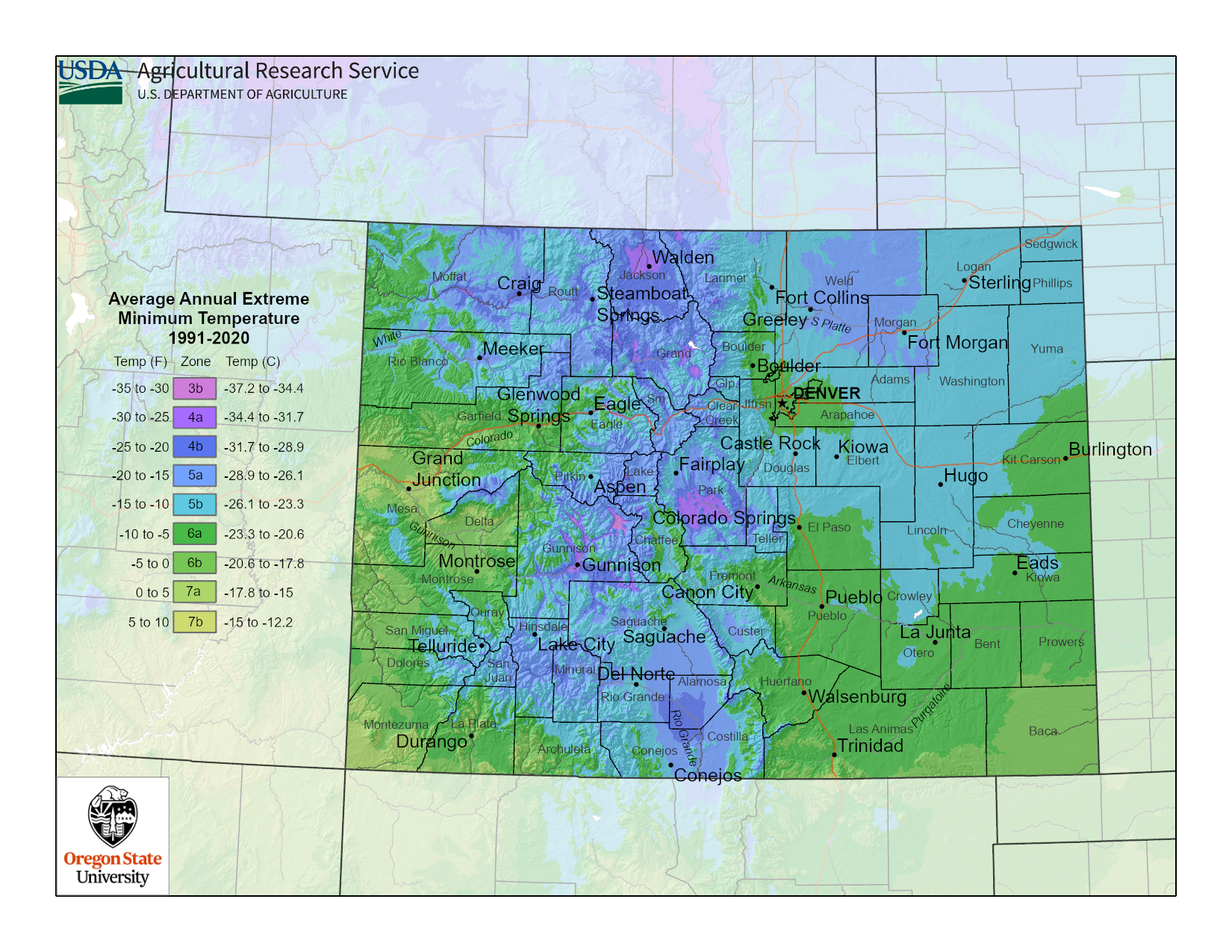
The Official Classification: Denver’s Zone 5b-6a
Denver, Colorado, predominantly falls within USDA Plant Hardiness Zones 5b to 6a. This means that the average annual extreme minimum winter temperature ranges from -15°F to -10°F for Zone 5b, and -10°F to -5°F for Zone 6a. This classification signifies that Denver experiences cold winters, making it imperative for gardeners to select plants that can tolerate these freezing temperatures. While the metropolitan area largely sits in 5b-6a, it’s important to acknowledge that specific neighborhoods or outlying areas might lean more definitively into one sub-zone or another due to local microclimates.
Microclimates in the Mile High City
One of the fascinating aspects of gardening in Denver is the prevalence of microclimates, which can subtly shift the effective gardening zone even within a short distance. Factors such as:
- Elevation: While Denver is known as the “Mile High City,” slight variations in elevation across the urban landscape can lead to cooler pockets or warmer slopes.
- Urban Heat Island Effect: Densely built areas, like downtown Denver or neighborhoods such as Capitol Hill, tend to retain heat more effectively than surrounding suburban or rural areas. This can slightly elevate winter temperatures, pushing them closer to a 6a or even 6b classification in some localized spots.
- Proximity to Mountains: The towering Rocky Mountains to the west can influence weather patterns, sometimes offering protection from extreme cold or channeling specific wind events.
- Topography and Landscape Features: North-facing slopes, proximity to large buildings, or dense tree cover can create cooler, shadier microclimates, while south-facing walls absorb and radiate heat, creating warmer zones.
For instance, a garden in central Denver near the city core might experience slightly milder winters than one in the outer suburbs like Aurora or more rural areas closer to Golden or Boulder. Understanding these subtle variations allows the dedicated gardener to push the boundaries of their plant selection or provide extra protection for borderline hardy species, deeply enriching their gardening lifestyle.
The Impact on Gardening Lifestyle
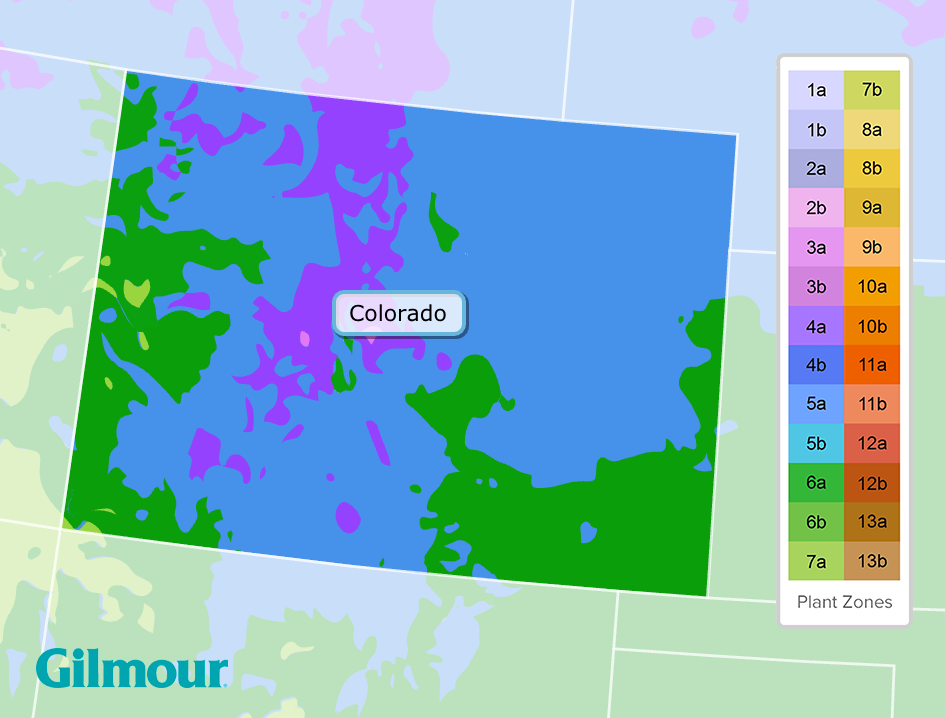
Denver’s 5b-6a hardiness zone significantly shapes the gardening lifestyle of its residents. It means that while many popular perennial flowers, shrubs, and trees can thrive, careful selection is key. Gardeners must seek out species known for their cold tolerance and ability to rebound after freezing temperatures. This isn’t a limitation but rather an exciting challenge and an opportunity to explore a diverse palette of hardy plants. The zone also dictates the length of the growing season, influencing when seeds can be sown and when the last harvest can be expected. Embracing this reality fosters a resilient and adaptable gardening approach, connecting individuals more deeply to the seasonal rhythms of their environment. For many, it’s about making informed choices that lead to enduring beauty and a truly sustainable home landscape.
Embracing Denver’s Unique Gardening Lifestyle
Gardening in Denver is more than just planting; it’s an active engagement with a unique high-desert, semi-arid climate that demands both knowledge and adaptability. The 5b-6a hardiness zone, coupled with other environmental factors, creates a distinctive gardening lifestyle.
Recommended Plant Choices for Zones 5b/6a
Successful gardening in Denver means choosing plants that are not only hardy for the winter but also resilient to the intense summer sun, low humidity, and sometimes challenging soil conditions.
- Native Plants: Embracing native flora is always a wise choice. Species like the state flower, Rocky Mountain Columbine, various species of Penstemon, and Gaillardia thrive in Denver’s climate, requiring less water and maintenance.
- Drought-Tolerant Species (Xeriscaping): Given the semi-arid conditions, xeriscaping is a popular and responsible lifestyle choice. Plants such as Lavender, Russian Sage, Sedum, and various ornamental grasses excel in low-water environments.
- High-Altitude Adapted Plants: Look for cultivars specifically bred for high-altitude conditions.
- Trees and Shrubs: For trees, consider Aspen, Pinion Pine, Serviceberry, and Oak varieties. Shrubs like Sumac, Cotoneaster, and Potentilla are also excellent choices.
- Vegetables: Many common vegetables do well, especially with proper timing. Cool-season crops like lettuce, spinach, and radishes can be planted early spring and late summer. Warm-season crops like tomatoes, peppers, and beans thrive in the summer heat, often benefiting from raised beds or season extension techniques.
Strategies for Successful Gardening
Navigating Denver’s climate requires proactive strategies to ensure gardening success.
- Soil Amendment: Denver’s native soil is often heavy clay and alkaline. Incorporating generous amounts of organic matter (compost, aged manure) is crucial to improve drainage, aeration, and nutrient availability.
- Mulching: A thick layer of mulch helps retain soil moisture, regulate soil temperature, and suppress weeds, all vital in a dry, sunny climate.
- Proper Irrigation: Smart watering is key. Deep, infrequent watering encourages strong root growth. Drip irrigation systems are highly efficient for conserving water.
- Season Extension: For those eager to extend their growing season, techniques like cold frames, hoop houses, or row covers can protect tender plants from late spring frosts and early autumn chills, a common challenge in Denver.
- Sun and Wind Protection: Intense UV radiation and occasional strong winds can stress plants. Strategic planting for shade, windbreaks, or using shade cloth can mitigate these effects.
The Community Aspect of Denver Gardening
Gardening in Denver is not a solitary endeavor; it’s a vibrant community lifestyle. The city boasts numerous resources that foster connection and learning among gardeners.
- Local Nurseries: Denver’s many reputable nurseries offer expert advice tailored to the local climate, along with a wide selection of zone-appropriate plants.
- Botanical Gardens: The world-renowned Denver Botanic Gardens serve as an invaluable living laboratory and inspiration, showcasing what can thrive in the region and offering educational programs.
- Community Gardens: Numerous community gardens throughout Denver provide shared spaces for urban dwellers to grow food, share knowledge, and build friendships.
- Gardening Clubs and Societies: Joining a local garden club offers opportunities to connect with fellow enthusiasts, share tips, and learn about specific challenges and successes of gardening in the Denver area. These resources reinforce the idea that gardening is an enriching lifestyle choice, fostering community, sustainability, and a deeper appreciation for the natural world.
Beyond the Hardiness Zone: A Holistic View of Denver’s Gardening Climate
While the USDA hardiness zone provides a critical baseline, a complete understanding of Denver’s gardening lifestyle requires considering other significant climatic factors.
Sunshine and Precipitation
Denver is famous for its abundant sunshine, averaging over 300 sunny days per year. While this is fantastic for plant growth, it also means intense UV radiation and rapid evaporation. Coupled with relatively low annual precipitation (averaging around 15-16 inches), smart watering practices are not just recommended, but essential for plant survival and responsible water usage. Xeriscaping and efficient irrigation become lifestyle principles in this sunny, semi-arid environment.
Soil Conditions
As mentioned, Denver’s native soil is typically heavy clay with a high pH (alkaline). This can lock up essential nutrients and impede root growth. Amending the soil with copious amounts of organic matter is the single most important step a Denver gardener can take. This not only improves soil structure and drainage but also buffers the pH, creating a more hospitable environment for a wider range of plants, thereby expanding the possibilities within their gardening lifestyle.
Growing Season Length
For Zone 5b-6a, Denver’s average last frost date typically falls in mid-May, and the first frost date is usually in early to mid-October. This provides a growing season of approximately 140 to 160 days. While substantial, it means gardeners must be mindful of planting times for heat-loving vegetables and annuals, often starting seeds indoors to get a head start. The possibility of late spring blizzards or early fall freezes adds an element of unpredictability, requiring flexibility and a readiness to protect vulnerable plants, further integrating the climate into the gardening lifestyle.

Conclusion
Understanding “What Gardening Zone Is Denver, Colorado?” is the first crucial step for anyone embracing the green-thumb lifestyle in this vibrant city. With a primary classification of USDA Plant Hardiness Zone 5b-6a, Denver offers a rewarding yet challenging environment for cultivation. It demands thoughtful plant selection, strategic horticultural practices, and an appreciation for the unique microclimates and climatic conditions that define the region.
Far from being a limitation, Denver’s gardening zone inspires creativity, resilience, and a deeper connection to the local ecosystem. By choosing hardy, drought-tolerant plants, enriching the challenging clay soil, and employing smart watering techniques, residents can transform their outdoor spaces into thriving havens of beauty and productivity. The city’s robust gardening community, from expert nurseries and the inspiring Denver Botanic Gardens to numerous community plots, provides ample support and camaraderie for all enthusiasts. Embracing the specific demands and unique opportunities of gardening in the Mile High City ultimately leads to a more fulfilling and sustainable lifestyle, making every blooming flower and bountiful harvest a testament to informed passion and dedicated effort. For those who live out their life in Denver, gardening isn’t just a hobby; it’s a living, breathing part of their everyday existence.
LifeOutOfTheBox is a participant in the Amazon Services LLC Associates Program, an affiliate advertising program designed to provide a means for sites to earn advertising fees by advertising and linking to Amazon.com. Amazon, the Amazon logo, AmazonSupply, and the AmazonSupply logo are trademarks of Amazon.com, Inc. or its affiliates. As an Amazon Associate we earn affiliate commissions from qualifying purchases.