
For many visitors planning an adventure to the picturesque landscapes of Colorado, understanding the local culture, iconic landmarks, and unique natural heritage is key to a truly immersive experience. Among the many fascinating aspects that define the Centennial State, its official state animal holds a particularly special place. More than just a symbol, this magnificent creature embodies the spirit of Colorado’s rugged beauty, resilience, and commitment to preserving its wild spaces.
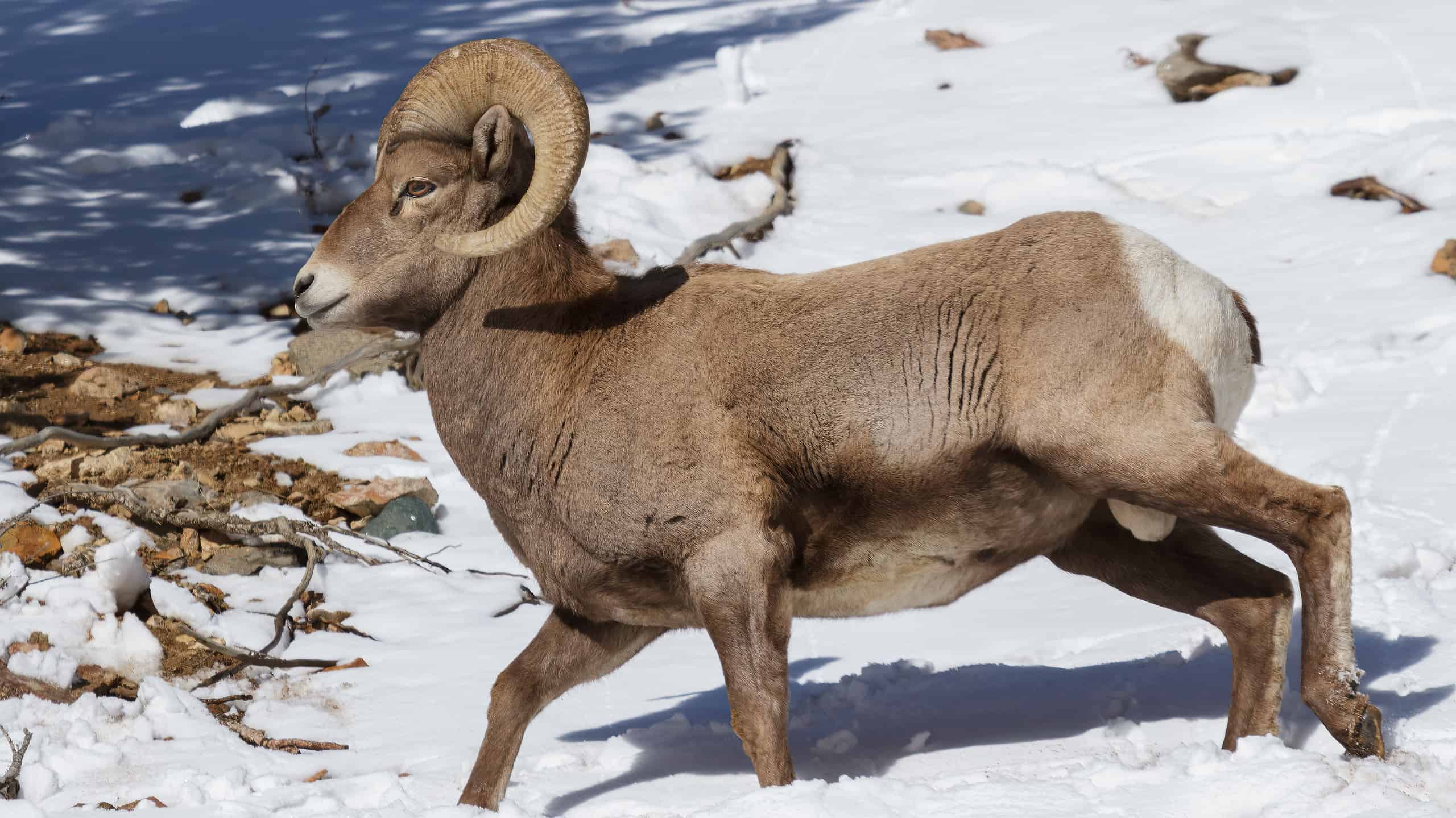
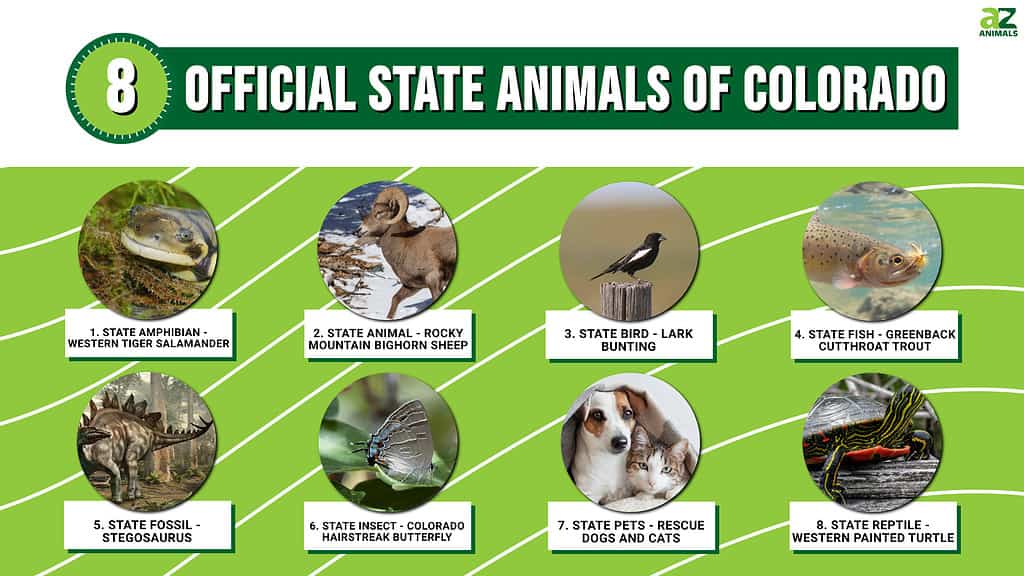
The official state animal of Colorado is the Rocky Mountain Bighorn Sheep (Ovis canadensis canadensis). This iconic mammal, celebrated for its majestic curved horns and unparalleled agility on treacherous terrain, was officially designated as the state animal in 1961. Its selection was a testament to its deep historical ties to the region, its prominent role in the mountain ecosystem, and its inspiring presence that captivates both residents and tourists alike. For those seeking an authentic Colorado experience, learning about and potentially witnessing this incredible creature in its natural habitat is an absolute highlight of any trip.
Discovering Colorado’s Majestic Emblem: The Rocky Mountain Bighorn Sheep
The Rocky Mountain Bighorn Sheep stands as a proud emblem of Colorado’s untamed wilderness and the enduring spirit of its high country. Its very existence tells a story of adaptation, survival, and a profound connection to the dramatic landscapes of the Rocky Mountains.
A Symbol of Resilience and Natural Beauty
With their powerful, muscular bodies, short brown coats, and distinctive white rump patches, Rocky Mountain Bighorn Sheep are perfectly adapted to life in the challenging alpine environments. It is the rams’ colossal, spiraling horns, however, that truly capture the imagination. These impressive headpieces, which can weigh up to 30 pounds and grow over a meter in length, are not merely decorative but serve as symbols of dominance and are crucial in ritualistic head-butting contests during mating season. Ewes also possess horns, though they are significantly smaller and less curved.
Beyond their physical grandeur, bighorns symbolize the very essence of mountain resilience. They navigate steep cliffs and rocky outcrops with astonishing grace and confidence, thanks to their specially adapted hooves that provide exceptional grip. Their ability to thrive in harsh conditions, enduring extreme temperatures and scarce vegetation, makes them a powerful representation of Colorado’s rugged beauty and its enduring natural heritage. For tourists, witnessing these animals defying gravity on a sheer rock face is an unforgettable testament to nature’s marvels.
Historical Context and Official Designation
The presence of Rocky Mountain Bighorn Sheep in the Colorado region predates European settlement, with Native American tribes holding the animal in high regard, often incorporating its image and spirit into their art and ceremonies. However, their populations faced severe decline during the 19th and early 20th centuries due to overhunting, habitat loss, and diseases introduced by domestic livestock.
Recognizing the species’ critical importance and its precarious status, conservation efforts gained momentum throughout the 20th century. In 1961, in an act reflecting the state’s growing commitment to wildlife preservation and its deep pride in its natural symbols, the Rocky Mountain Bighorn Sheep was officially designated as Colorado’s state animal. This designation not only elevated the bighorn’s status but also spurred further conservation initiatives, ensuring that future generations of Colorado residents and visitors could continue to marvel at these magnificent creatures. For tourists, this history adds a layer of depth to wildlife viewing, transforming a simple sighting into an appreciation for a hard-won conservation success story.
Where to Witness the Bighorn Sheep in Colorado
One of the most enriching experiences for any tourist in Colorado is the opportunity to observe the Rocky Mountain Bighorn Sheep in its natural environment. These elusive animals often inhabit remote, high-altitude regions, but several accessible areas offer excellent chances for sightings, making wildlife photography and observation a popular tourist activity.
Prime Wildlife Viewing Locations
Colorado boasts numerous spots where visitors can hope to spot bighorn sheep. One of the most famous is Rocky Mountain National Park, where herds can often be seen along Trail Ridge Road (when open) or in the higher elevations. The dramatic landscapes of the park provide a perfect backdrop for these creatures.
Another popular destination, particularly closer to Denver, is Waterton Canyon. This area, managed by Denver Water, is renowned for its accessible trails where bighorn sheep frequently graze, especially during the cooler months. The road through the canyon is typically open to hikers and cyclists, offering a unique opportunity for close-up views.
Further west, the scenic stretch of Highway 70 through Glenwood Canyon is known for bighorn sheep often congregating on the steep, rocky slopes overlooking the Colorado River. Similarly, the area around Georgetown and Guanella Pass Scenic Byway is another excellent location, particularly in winter when the sheep descend to lower elevations. These specific locations, often highlighted in local tourism guides, are ideal for visitors eager to capture stunning photographs or simply enjoy the majestic sight.
Best Seasons for Spotting Bighorns
Timing can significantly increase your chances of spotting bighorn sheep. While they can be seen year-round, certain seasons offer optimal viewing opportunities. Winter is often considered the best time, as snow forces the sheep to lower elevations, making them more visible along roadsides and in canyons. This is particularly true in areas like Waterton Canyon and near Georgetown.
Spring brings new life, and lambs are often seen frolicking with their mothers, offering heartwarming scenes for visitors. During summer, bighorns tend to retreat to higher alpine meadows, making them harder to spot without venturing into the backcountry. However, early mornings and late afternoons can still yield sightings in areas like Rocky Mountain National Park. Fall is also an exciting time, as it is the rutting season, and rams engage in dramatic head-butting rituals, a spectacle that draws many wildlife enthusiasts. For tourists, knowing these seasonal patterns can help in planning their trip for the best possible viewing experience.
Responsible Wildlife Viewing Tips for Tourists
To ensure the safety of both visitors and the bighorn sheep, responsible wildlife viewing practices are paramount. Colorado Parks and Wildlife (CPW) and various national park services emphasize maintaining a safe distance. Using binoculars or a telephoto lens is highly recommended to observe them without causing disturbance. Never approach, feed, or try to interact with bighorn sheep. Feeding wild animals can alter their natural behaviors and lead to dependency, which is harmful to their long-term survival.
It’s also crucial to stay on designated trails and avoid disturbing their habitat. If you’re driving, be mindful of wildlife crossing roads, especially in prime viewing areas. Respecting signs and regulations posted by land management agencies like the US Forest Service or National Park Service ensures a sustainable tourism experience for everyone. These guidelines not only protect the animals but also enhance the quality of your viewing experience.
The Bighorn Sheep’s Role in Colorado’s Ecosystem and Culture
Beyond being a charismatic megafauna, the Rocky Mountain Bighorn Sheep plays a vital role in Colorado’s ecological balance and contributes significantly to the state’s cultural identity and tourism economy.

Ecological Importance and Conservation Efforts
As a native ungulate, bighorn sheep are integral to the health of alpine and subalpine ecosystems. Their grazing habits influence plant distribution, and they serve as a food source for predators like mountain lions and golden eagles, contributing to the delicate balance of the food web. Their health is often an indicator of the overall well-being of the mountain environment.
Conservation efforts, spearheaded by organizations such as Colorado Parks and Wildlife, have been crucial in the bighorn’s recovery. These efforts include habitat restoration, disease management, and reintroduction programs to establish new herds in suitable areas. Public awareness and tourism revenue also play a role, as visitors’ interest in seeing these animals often translates into support for conservation through park fees, donations, and responsible behavior. Understanding these efforts enriches a tourist’s appreciation for the wildlife they encounter.
Cultural Significance and Local Heritage
The Rocky Mountain Bighorn Sheep is deeply woven into the fabric of Colorado’s identity. It represents the state’s rugged, pioneering spirit and its commitment to preserving its natural wonders. Images of bighorn sheep can be found throughout Colorado, from official state symbols to local art, souvenirs, and business logos. It is a source of immense pride for Coloradans, symbolizing strength, agility, and a connection to the high country.
Many towns and communities, particularly those in mountain regions, incorporate the bighorn into their local folklore and festivals. For tourists, engaging with this cultural aspect adds a layer of authenticity to their visit, allowing them to connect with the local heritage beyond just scenic views.
Economic Impact through Wildlife Tourism
Wildlife viewing, especially of iconic species like the bighorn sheep, is a significant draw for tourism in Colorado. Thousands of visitors flock to destinations like Rocky Mountain National Park and Waterton Canyon annually, specifically hoping to catch a glimpse of these majestic animals. This interest fuels a substantial segment of the state’s tourism economy, supporting local businesses, tour operators, accommodations, and outdoor gear retailers.
The revenue generated from park entrance fees, guided wildlife tours, and related spending often directly contributes to conservation programs and the maintenance of natural areas, creating a virtuous cycle where tourism helps protect the very attractions it relies upon. For economic development in many rural areas, wildlife tourism, centered around species like the bighorn, is a critical pillar.
Planning Your Colorado Wildlife Adventure
Embracing the opportunity to see the Rocky Mountain Bighorn Sheep requires some preparation, but the rewards of connecting with Colorado’s natural world are immeasurable. For the discerning tourist, a well-planned trip ensures both enjoyment and respect for the environment.
Essential Gear and Preparations
When embarking on a wildlife viewing excursion in Colorado’s mountain terrain, appropriate gear is essential. Layered clothing is crucial due to rapidly changing weather conditions at higher elevations. Sturdy hiking boots, sunscreen, a hat, and plenty of water are also must-haves. For optimal viewing, a good pair of binoculars or a spotting scope is indispensable, allowing for clear, close-up observations from a safe distance. A camera with a telephoto lens is also highly recommended for capturing stunning photographs. Informing yourself about the specific area you plan to visit, including trail conditions and any necessary permits or fees, is a vital part of preparation.
Guided Tours and Educational Opportunities
For those who prefer a structured approach or wish to enhance their understanding, numerous guided wildlife tours are available across Colorado. These tours, often led by experienced naturalists and local guides, provide valuable insights into bighorn sheep behavior, ecology, and the best places to spot them. Organizations within national parks and local communities offer ranger-led programs and interpretive hikes that delve into the fascinating world of Colorado’s wildlife. Participating in such programs not only increases your chances of a sighting but also offers a deeper educational experience, turning a simple observation into a profound learning journey.
Combining Bighorn Sightings with Other Colorado Attractions
A trip focused on seeing the state animal can easily be integrated into a broader Colorado itinerary. For instance, after a morning of bighorn spotting near Georgetown, one could explore the town’s historic charm. Similarly, a visit to Rocky Mountain National Park offers not only bighorn viewing but also myriad hiking trails, scenic drives, and opportunities to see other wildlife.
Even urban centers like Denver or Colorado Springs can serve as convenient bases for day trips to bighorn habitats, while also offering their own array of cultural attractions, museums, and dining experiences. Some institutions, like the Denver Zoo or the Cheyenne Mountain Zoo in Colorado Springs, might even feature bighorn sheep, offering a guaranteed viewing for those who miss them in the wild, albeit in a different context. Integrating wildlife viewing with other popular Colorado activities creates a well-rounded and unforgettable tourist experience.
Beyond the Bighorn: Embracing Colorado’s Natural Wonders
While the Rocky Mountain Bighorn Sheep is undoubtedly Colorado’s most distinguished animal emblem, the state’s natural bounty extends far beyond this single species. A truly comprehensive tourism experience involves appreciating the full spectrum of its wilderness.
The Diverse Wildlife of the Centennial State
Colorado is a haven for a vast array of wildlife, thanks to its diverse ecosystems ranging from eastern plains to towering alpine peaks. Beyond the bighorn, visitors might encounter majestic elk herds, elusive moose, agile mule deer, graceful pronghorn, and even black bears. Birdwatchers will revel in the diversity of raptors, waterfowl, and migratory species. Iconic predators like mountain lions are present, though rarely seen. Engaging with this broader wildlife tapestry adds immense value to a nature-focused trip, offering continuous opportunities for discovery and awe. Guides and informational resources often provide tips on spotting these various species, enhancing the tourist’s overall outdoor experience.
Sustainable Tourism Practices
As more people seek to connect with nature, the importance of sustainable tourism practices becomes paramount. For Colorado’s tourism sector, this means promoting responsible travel that minimizes environmental impact, supports local communities, and preserves natural resources for future generations. When visiting natural areas, adhering to “Leave No Trace” principles—packing out all trash, staying on marked trails, respecting wildlife, and minimizing campfire impacts—is crucial.
By choosing eco-friendly accommodations, supporting local businesses that prioritize sustainability, and educating oneself about the local environment and its conservation challenges, tourists can play a direct role in protecting the very beauty they’ve come to admire. The Rocky Mountain Bighorn Sheep, as Colorado’s state animal, serves as a powerful reminder of the delicate balance between human appreciation and environmental stewardship, making every visit a chance to contribute positively to its enduring legacy.
LifeOutOfTheBox is a participant in the Amazon Services LLC Associates Program, an affiliate advertising program designed to provide a means for sites to earn advertising fees by advertising and linking to Amazon.com. Amazon, the Amazon logo, AmazonSupply, and the AmazonSupply logo are trademarks of Amazon.com, Inc. or its affiliates. As an Amazon Associate we earn affiliate commissions from qualifying purchases.