
Breckenridge, Colorado stands as a jewel in the heart of the Rocky Mountains, renowned globally for its picturesque charm, world-class skiing, and vibrant cultural scene. Yet, what truly sets this captivating destination apart, and what every visitor must consider, is its remarkable elevation. Understanding the altitude of Breckenridge is not merely a matter of geographical fact; it’s fundamental to appreciating its unique environment, planning your activities, and ensuring a comfortable and enjoyable travel experience. This guide delves into the precise elevations of this mountain town and its surrounding peaks, exploring the profound implications for travelers seeking to immerse themselves in its high-alpine splendor.

Unveiling Breckenridge: A High-Altitude Haven
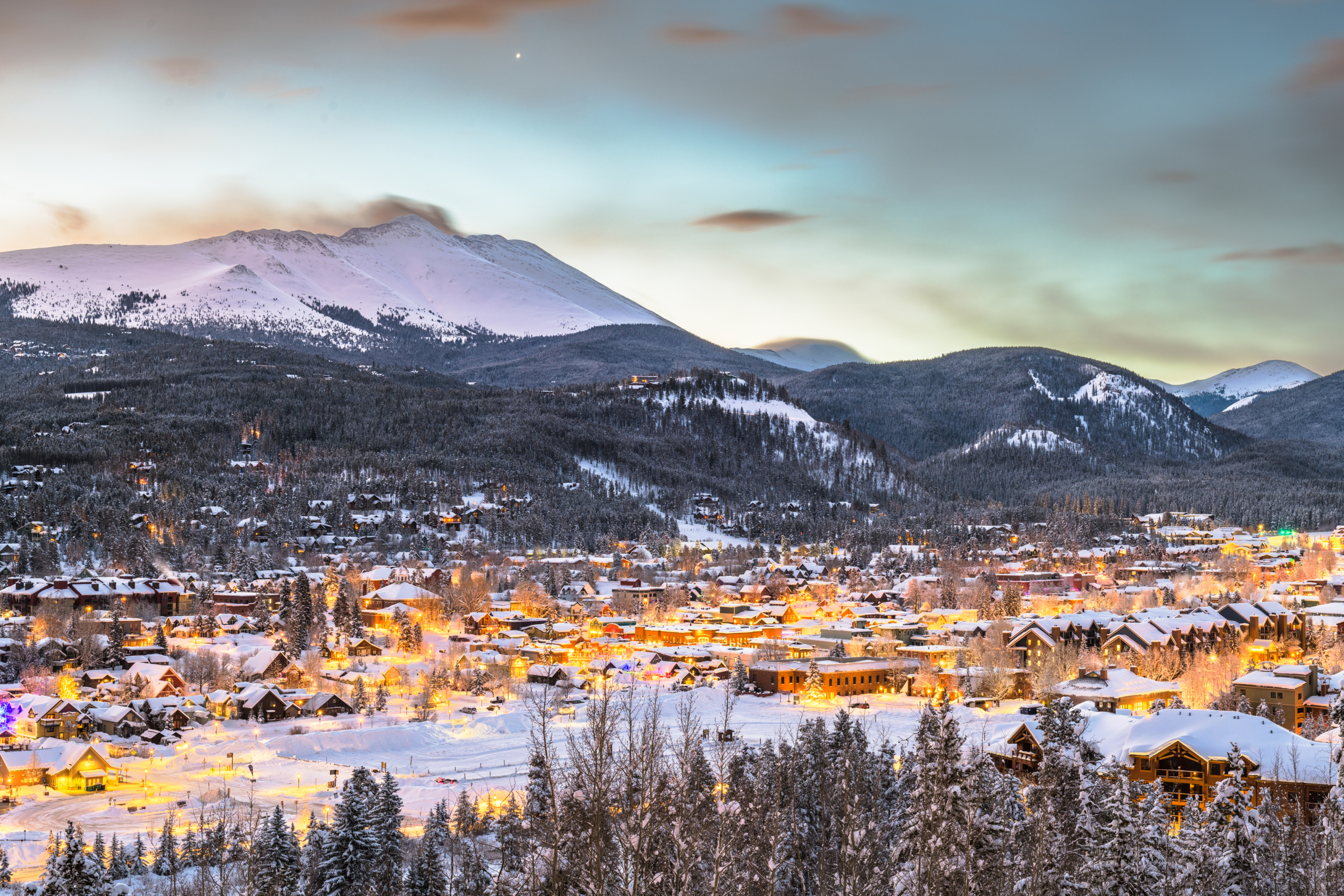
Nestled in Summit County, Colorado, Breckenridge is one of North America’s highest major ski towns, a characteristic that defines much of its allure and challenges. Its substantial elevation contributes to the legendary snow quality and quantity that draw winter sports enthusiasts from around the globe, while also shaping the rugged beauty of its summer landscapes.
The Core Elevation: Town and Ski Resort
The historic town of Breckenridge itself sits at a significant base elevation. The heart of the town, particularly along its iconic Main Street Breckenridge, rests at approximately 9,600 feet (2,926 meters) above sea level. This makes it one of the highest incorporated towns in the United States. This elevation is where most visitors will spend their time dining, shopping, and enjoying the vibrant atmosphere, making it a crucial figure for understanding immediate physiological impacts.
Adjacent to the town, the base of the Breckenridge Ski Resort also starts around this elevation, with specific base areas varying slightly. For instance, the base of Peak 9 is around 9,600 feet, while the base of Peak 8, home to the main gondola, is just slightly higher. This consistent high-altitude starting point sets the stage for an unparalleled alpine experience.
Peak Elevations: Conquering the Heights
While the town’s elevation is impressive, it’s merely the starting point for those venturing onto the slopes of the Breckenridge Ski Resort. The resort sprawls across several peaks, each ascending to breathtaking heights, offering diverse terrain and panoramic vistas.
The highest point accessible by lift at Breckenridge, and indeed one of the highest in North America, is the top of the Imperial Express SuperChair on Peak 8. This incredible lift transports skiers and snowboarders to an astonishing 12,840 feet (3,914 meters) above sea level. From here, adventurers can access the famous Horseshoe Bowl and other extreme high-alpine terrain. The resort’s highest skiable terrain extends even further, reaching up to 12,998 feet (3,962 meters).
Other notable peak elevations within the resort include:
- Peak 9: Summit at 11,870 feet (3,618 meters)
- Peak 10: Summit at 12,926 feet (3,939 meters)
These formidable elevations are a testament to Breckenridge’s status as a premier high-alpine destination, offering exhilarating challenges and views that stretch across vast expanses of the Colorado Rockies.
The Impact of Altitude on Your Breckenridge Experience
The stunning elevation of Breckenridge is a double-edged sword: it provides unparalleled beauty and adventure but also presents specific physiological challenges. Understanding and preparing for the effects of high altitude is paramount for every visitor, ensuring their trip is memorable for all the right reasons.
Understanding Altitude Sickness
Altitude sickness, or Acute Mountain Sickness (AMS), is a common concern for travelers arriving at elevations above 8,000 feet. Symptoms can range from mild to severe and include headaches, nausea, dizziness, fatigue, shortness of breath, and difficulty sleeping. These occur because the air at higher elevations contains less oxygen than at sea level, and your body needs time to adjust.
Key factors contributing to AMS:
- Rate of Ascent: Rapid ascent to high altitudes increases risk.
- Individual Susceptibility: Some people are simply more prone to it than others, regardless of fitness level.
- Physical Exertion: Intense activity soon after arrival can exacerbate symptoms.
- Hydration and Alcohol: Dehydration and alcohol consumption can worsen symptoms.
It’s crucial to be aware of these symptoms and to take them seriously. If symptoms worsen, descending to a lower elevation is often the most effective remedy. Consulting a doctor before your trip, especially if you have pre-existing medical conditions, is always a wise precaution.
Adjusting to the High Country
Acclimatization is the key to minimizing the risk of altitude sickness and enjoying your high-altitude vacation. Your body needs time to produce more red blood cells and make other physiological adjustments to cope with the reduced oxygen.
Practical tips for a smooth transition:
- Hydrate, Hydrate, Hydrate: Drink plenty of water before and during your trip. Avoid excessive caffeine and alcohol, as they can contribute to dehydration.
- Take it Easy: Upon arrival, avoid strenuous physical activity for the first 24-48 hours. Let your body adjust to the elevation. This means light walks instead of intense hikes, and easy runs on the slopes if skiing.
- Eat Light Meals: Opt for easily digestible foods and avoid heavy, fatty meals, especially in the evenings.
- Get Plenty of Rest: Allow your body ample time to recover, particularly during the first few nights.
- Sun Protection: At higher elevations, the atmosphere is thinner, and UV radiation is more intense. Wear sunscreen, sunglasses, and a hat, even on cloudy days.
- Dress in Layers: Mountain weather can change rapidly. Layering your clothing allows you to adapt to temperature fluctuations throughout the day.
- Consider Supplemental Oxygen: For some, particularly those with underlying health issues or who are highly susceptible to AMS, renting a personal oxygen concentrator can provide significant relief and aid in acclimatization.
By following these guidelines, you can significantly enhance your comfort and overall enjoyment of Breckenridge’s elevated environment.
Activities and Attractions: Maximizing Your High-Altitude Adventure
Breckenridge’s elevation is not just a challenge; it’s a fundamental part of its allure, dictating the quality of its snow, the grandeur of its vistas, and the type of adventures it offers across all seasons.
Winter Wonderland: Skiing, Snowboarding, and More
The high altitude is the secret ingredient to Breckenridge’s legendary winter sports scene. The cold temperatures at 9,600 feet and above ensure that snow that falls is light, dry, and plentiful, creating the famed “Champagne Powder” Colorado is known for.
The Breckenridge Ski Resort is a sprawling playground offering over 2,900 acres of skiable terrain across five peaks (Peak 6, Peak 7, Peak 8, Peak 9, and Peak 10), with a vertical drop of 3,398 feet. From gentle beginner slopes at the base of Peak 9 to the expert extreme terrain of the high alpine bowls accessed by the Imperial Express SuperChair, there’s something for every skill level.
Beyond downhill skiing and snowboarding, the elevation supports a host of other winter activities:
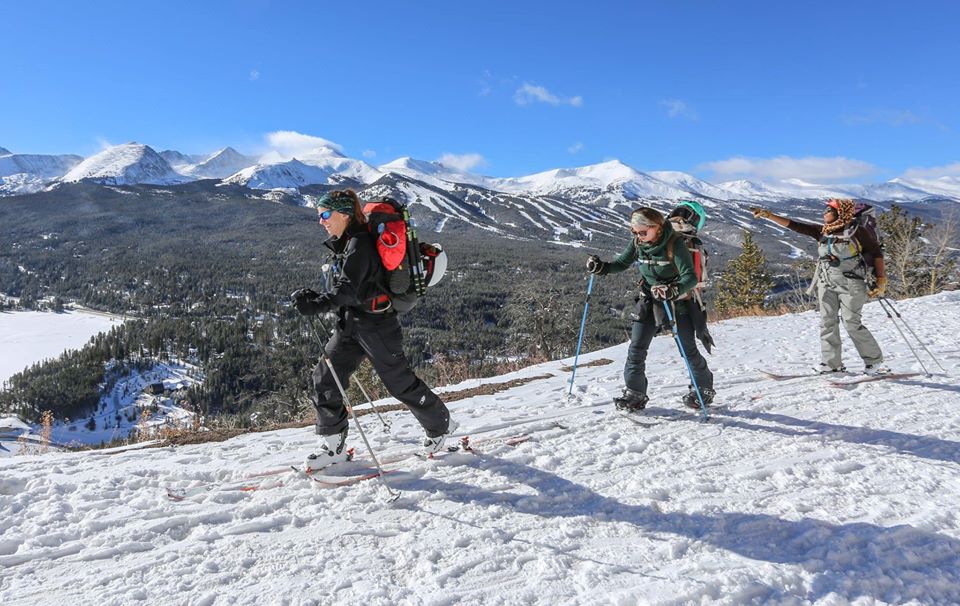
- Snowshoeing and Cross-Country Skiing: Explore miles of scenic trails through serene, snow-laden forests, often starting from lower mountain elevations near town.
- Dog Sledding: Experience a unique adventure led by enthusiastic dog teams through the snowy landscape.
- Fat Biking: Navigate groomed snow trails on specialized bicycles, offering a novel way to explore the winter terrain.
Summer Escapes: Hiking, Biking, and Scenic Views
When the snow melts, Breckenridge transforms into a vibrant summer destination, with its high elevation offering relief from lowland heat and access to spectacular alpine environments.
- Hiking: The area boasts an extensive network of hiking trails catering to all levels. Lower elevation trails near town wind through pine forests, while higher trails, like those leading to the Continental Divide, ascend to expose wildflowers, pristine alpine lakes, and breathtaking panoramic views. For the ambitious, nearby 14,000-foot peaks (known as “14ers”) like Quandary Peak offer ultimate high-altitude trekking experiences, though they require significant preparation and respect for the mountain environment.
- Mountain Biking: Breckenridge is a renowned mountain biking destination, with trails ranging from mellow paths along the Blue River to challenging singletrack routes that climb high into the mountains. The Breckenridge Ski Resort also offers lift-served downhill biking in the summer.
- Scenic Drives: Boreas Pass Road, a historic railroad grade, offers a stunning scenic drive up to a summit of 11,481 feet, providing incredible views of the surrounding peaks and changing aspen leaves in the fall.
Planning Your Trip: Essential High-Altitude Travel Tips
Thoughtful planning is crucial for maximizing your Breckenridge adventure, especially when considering its unique high-altitude setting.
Best Time to Visit Based on Elevation
The “best” time to visit Breckenridge largely depends on your desired activities, with each season offering a distinct high-altitude experience:
- Winter (December-April): Prime for skiing and snowboarding, with the highest elevations ensuring consistent snow. Early season (November-December) can offer good deals but variable snow; late season (March-April) often brings sunny days and soft snow.
- Summer (June-September): Ideal for hiking, biking, and exploring. The high country truly opens up, offering cooler temperatures than the lowlands. July and August are peak wildflower months.
- Spring (May-early June) & Fall (late September-October): These shoulder seasons can offer fewer crowds and unique beauty. Spring sees snowmelt and budding landscapes, while fall is famous for its vibrant aspen colors, particularly at mid to upper elevations. Be prepared for unpredictable weather, as snow can fall even in May or September at higher elevations.
Gear Up: What to Pack for High Altitudes
Packing wisely is non-negotiable for a comfortable high-altitude trip:
- Layers of Clothing: Crucial for adapting to rapid temperature changes. Include a moisture-wicking base layer, insulating mid-layers (fleece or down), and a waterproof/windproof outer shell.
- Sun Protection: High-SPF sunscreen, lip balm with SPF, sunglasses (UV-protective), and a wide-brimmed hat are essential, even on cloudy days.
- Hydration Gear: A reusable water bottle is a must. Consider a hydration pack for hiking or biking.
- Appropriate Footwear: Waterproof, broken-in hiking boots for summer, and insulated, waterproof boots for winter.
- Altitude Sickness Remedies: Over-the-counter pain relievers (e.g., ibuprofen) for headaches, and any prescription medications recommended by your doctor.
- Snacks: High-energy snacks can help maintain blood sugar levels and provide energy for activities.
- Camera: To capture the breathtaking views, of course!
Always check the local weather forecast closer to your travel dates, as conditions in the mountains can be highly localized and change quickly.
Beyond the Peaks: The Charm of Breckenridge Town
While the elevation dictates much of the outdoor experience, the town of Breckenridge itself is an integral part of the destination’s appeal, seamlessly blending its historic roots with a modern, vibrant atmosphere.
Historic Main Street and Local Culture
The charming Victorian architecture of Main Street Breckenridge transports visitors back to the mining boom of the 19th century. Yet, this historic backdrop now hosts an array of contemporary boutiques, art galleries, diverse restaurants, and lively breweries. The town has masterfully preserved its heritage while evolving into a sophisticated alpine resort. Its cultural scene thrives with year-round festivals, live music, and a strong sense of community that celebrates both its pioneering past and its outdoor-centric present. The town’s layout and amenities are designed to enhance the visitor experience, providing comfort and convenience at a challenging altitude.
Sustainable Travel in a Fragile Ecosystem
Traveling to high-altitude destinations like Breckenridge comes with a responsibility to protect its delicate alpine environment. The ecosystems found at these elevations are particularly sensitive to human impact. Practicing sustainable tourism is vital:
- Leave No Trace: Adhere to the seven principles of Leave No Trace, which include packing out all trash, staying on designated trails, respecting wildlife, and minimizing campfires.
- Conserve Resources: Be mindful of water and energy consumption, especially in an area where resources can be strained by tourism.
- Support Local: Engage with local businesses and communities to ensure your tourism dollars benefit the destination responsibly.
- Educate Yourself: Learn about the local flora, fauna, and environmental challenges to become a more informed and respectful traveler.
Breckenridge’s impressive elevation is more than just a number; it’s the defining characteristic that shapes every aspect of a visit, from the thrill of the slopes to the challenges of acclimatization and the awe-inspiring beauty of its landscapes. By understanding and respecting this fundamental aspect, travelers can unlock the full potential of their Breckenridge, Colorado adventure, creating memories that soar as high as its majestic peaks.
LifeOutOfTheBox is a participant in the Amazon Services LLC Associates Program, an affiliate advertising program designed to provide a means for sites to earn advertising fees by advertising and linking to Amazon.com. Amazon, the Amazon logo, AmazonSupply, and the AmazonSupply logo are trademarks of Amazon.com, Inc. or its affiliates. As an Amazon Associate we earn affiliate commissions from qualifying purchases.