
Boulder, Colorado is famously nestled at the foothills of the majestic Rocky Mountains, a geographical placement that significantly defines its character, climate, and the very lifestyle of its residents. When asking about the elevation of Boulder, it’s important to understand that a city isn’t a single point but rather encompasses a range of elevations. However, a commonly cited and accepted average elevation for the city of Boulder, Colorado, is approximately 5,430 feet (1,655 meters) above sea level. This figure typically refers to the elevation at the historic Boulder County Courthouse in the heart of downtown. This considerable altitude places Boulder firmly in a high-altitude environment, influencing everything from its vibrant ecosystem to the physical experiences of its visitors and inhabitants. Understanding this fundamental characteristic is key to appreciating the unique natural landmark that Boulder represents.
The Specifics of Boulder’s Elevation: A Landscape of Varied Heights
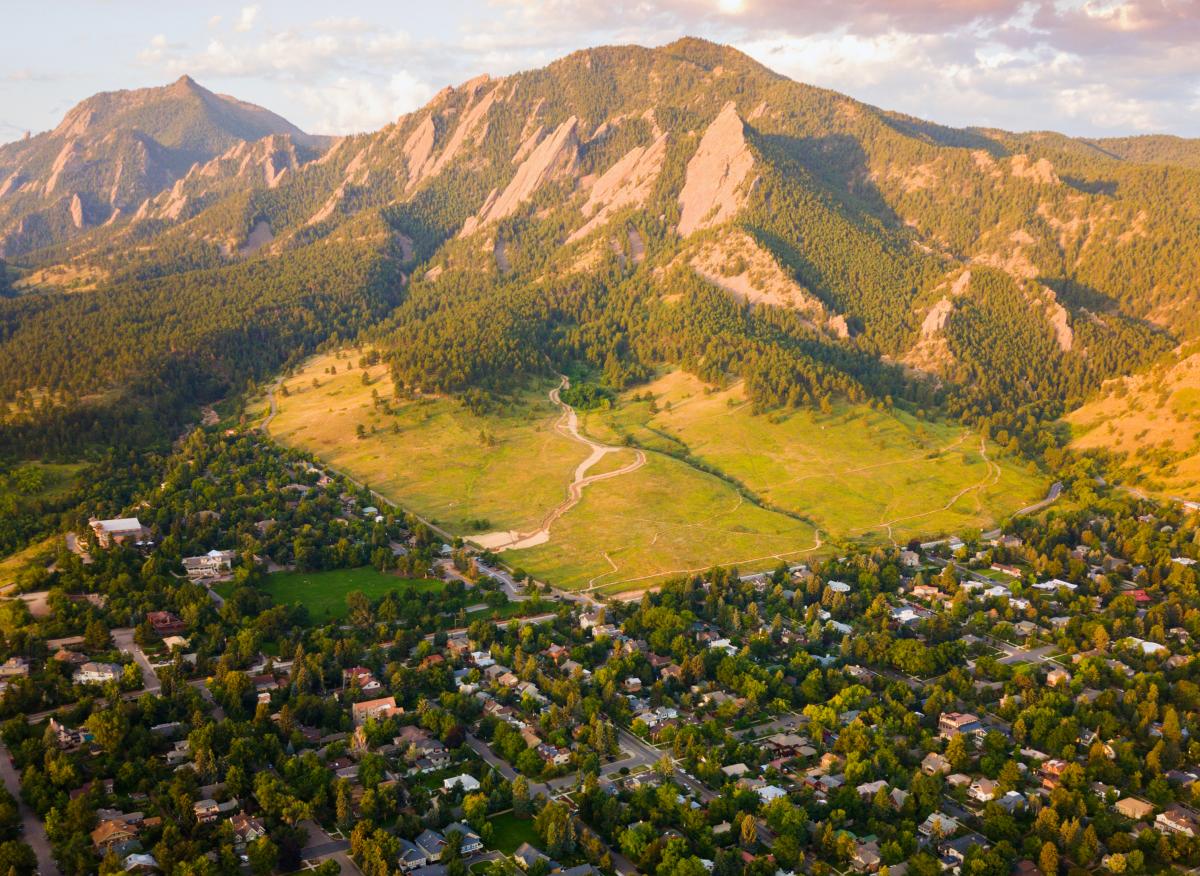
While 5,430 feet serves as a useful benchmark, the elevation across the city of Boulder is not uniform. The city sprawls from its eastern plains to the dramatic slopes of the Front Range to the west, leading to a spectrum of altitudes within its boundaries. This natural gradient is one of Boulder’s’s most distinguishing features, shaping its neighborhoods, recreational opportunities, and even its microclimates.
A City of Diverse Heights
The eastern fringes of Boulder, which merge into the flatter high plains of Colorado, sit at a slightly lower elevation, often around 5,200 feet (1,585 meters). As one travels westward, deeper into the city and towards the iconic Flatirons and other foothills, the elevation steadily climbs. Many residential areas and trails on the western side of Boulder are situated well above the average, with some reaching close to 6,000 feet (1,829 meters) before even venturing onto the open space lands. This topographical diversity means that a hike starting from downtown can quickly ascend hundreds of feet, offering breathtaking panoramic views that underscore the city’s vertical dimension. The elevation officially measured at the University of Colorado Boulder campus, for instance, is often cited slightly differently from the downtown courthouse, highlighting these internal variations.
Proximity to the Rockies and Continental Divide
Boulder’s elevation is a direct consequence of its strategic location at the very base of the Rocky Mountains. It sits right where the relatively flat eastern plains dramatically give way to the rugged, towering peaks of the Front Range. This geological transition zone is not only visually stunning but also means that some of the highest peaks in the contiguous United States are within a relatively short drive. The Continental Divide, which dictates the flow of water across North America, is less than 30 miles (48 km) west of Boulder, with several “fourteeners” (peaks over 14,000 feet) like Mount Evans and Longs Peak easily visible on a clear day. This proximity to such significant geological features not only gives Boulder its elevated status but also grants it unparalleled access to some of the most spectacular natural landscapes in North America.
Geological and Geographical Context: Shaping Boulder’s Foundation
The elevated position of Boulder is not merely a number; it’s a testament to millions of years of dynamic geological processes that have sculpted the Colorado landscape. The city lies at a pivotal point where ancient geological forces created the dramatic interface between the immense Rocky Mountains and the Great Plains.
Formation of the Front Range
The Front Range, the easternmost section of the Rocky Mountains, began forming approximately 70 million years ago during the Laramide Orogeny, a period of intense mountain-building. During this time, the North American plate underwent significant compression, causing the Earth’s crust to uplift and fold, exposing ancient Precambrian granites and metamorphic rocks that form the core of the mountains. Boulder is situated precisely at the transition zone where these uplifted ancient rocks meet the younger sedimentary layers of the plains. This geological boundary is visually striking, presenting as a sudden rise from relatively flat terrain to rugged foothills and towering peaks. The forces that created this monumental uplift are what ultimately determined Boulder’s significant elevation, positioning it as a gateway to these geological wonders.
The Flatirons as Natural Markers
Perhaps the most iconic visual representation of Boulder’s geology and elevation are the magnificent Flatirons. These slanted, reddish-brown sandstone slabs are part of the Fountain Formation, tilted by the same forces that uplifted the Rocky Mountains. They rise dramatically from the western edge of the city, serving as both a stunning natural landmark and a clear indicator of the steep elevation gains that characterize the area. The First, Second, and Third Flatirons – the most prominent – reach elevations of approximately 7,000 to 7,200 feet (2,134 to 2,195 meters) at their summits, significantly higher than the city average. They stand as a constant reminder of the geological power that shaped Boulder’s landscape and continue to draw climbers, hikers, and photographers to experience their grandeur up close.
Watersheds and Rivers
The elevation of Boulder also plays a crucial role in its hydrological systems. Positioned on the eastern slope of the Continental Divide, all water flowing from Boulder and the mountains to its west eventually makes its way to the Atlantic Ocean via the Missouri and Mississippi River systems. Boulder Creek, the lifeblood of the city, originates in the high country of the Front Range within the Roosevelt National Forest, fed by snowmelt and mountain springs. As it descends through Boulder Canyon and then flows directly through the city, its path is dictated by the elevation changes, carrying cool, clear mountain water through Boulder before continuing eastward across the plains. This elevated position ensures a consistent supply of pristine mountain water, a vital resource for the city and surrounding agricultural areas.
The Impact of High Elevation: Environment and Human Experience
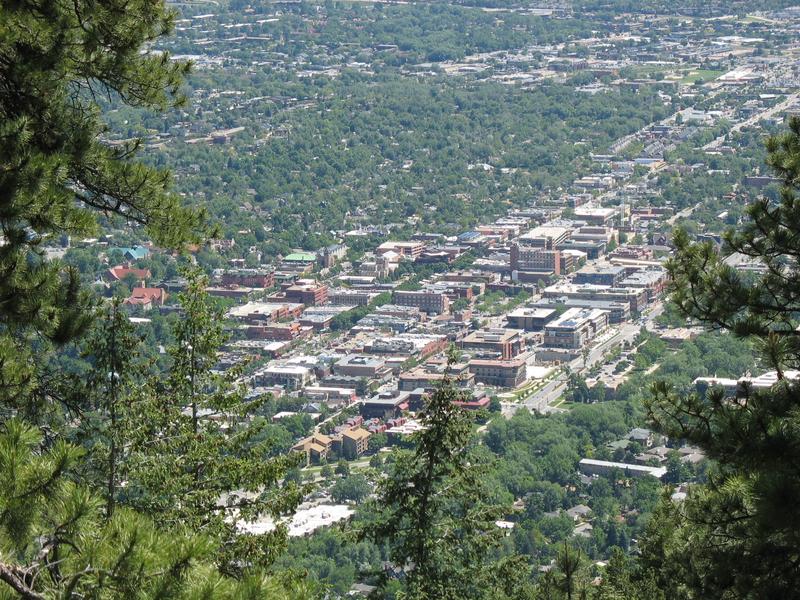
Boulder’s substantial elevation is far more than an interesting geographical fact; it profoundly influences nearly every aspect of life in the area, from its unique climate to the ecological tapestry and even the physiological experience of its inhabitants and visitors.
Climate and Weather Patterns
The high elevation grants Boulder a distinct climate characterized by intense sunshine, low humidity, and significant diurnal temperature swings. At 5,430 feet, the atmosphere is thinner, allowing more direct solar radiation, which makes sunny days feel warmer than the actual temperature might suggest. Conversely, the thinner air loses heat more quickly at night, leading to often cool evenings even after hot days. Winter brings significant snowfall, especially in the western parts of the city and the foothills, but sunny days are still common, leading to rapid snowmelt. Boulder also experiences unique weather phenomena, such as “chinook” winds, warm, dry winds that can rapidly raise temperatures and melt snow, often a direct result of air masses descending from higher elevations. This combination creates a dynamic and often unpredictable weather pattern that is a hallmark of high-altitude living.
Ecological Zones
The varied elevations within and immediately surrounding Boulder create distinct ecological zones, forming a rich biodiversity. The lowest elevations feature shortgrass prairie, transitioning quickly into foothills ecosystems characterized by Ponderosa pine forests and mixed shrublands. As elevation increases further into the Rocky Mountains to the west, these give way to montane forests of Douglas fir and lodgepole pine, eventually reaching subalpine and alpine tundra at the highest peaks. This vertical stratification supports a diverse array of flora and fauna, from prairie dogs and coyotes in the lower zones to black bears, mountain lions, and elk in the higher, more rugged terrain. Boulder’s extensive open space system, covering thousands of acres, is meticulously managed to preserve these varied ecosystems, offering residents and visitors unparalleled access to these natural environments within minutes of the city center. Hiking trails to destinations like Green Mountain, Bear Peak, or South Boulder Peak provide direct experience of these ecological transitions.
Health Considerations for Visitors
For those accustomed to sea-level living, Boulder’s elevation often requires a period of adjustment. The reduced atmospheric pressure and lower oxygen levels can lead to symptoms of altitude sickness, including headaches, nausea, dizziness, and fatigue. Visitors are frequently advised to hydrate excessively, limit alcohol consumption, and avoid strenuous activity immediately upon arrival. While most people acclimatize within a day or two, it’s a crucial consideration for anyone planning a trip, particularly if they intend to hike or engage in other vigorous outdoor activities. Boulder residents, over time, develop physiological adaptations to the altitude, such as increased red blood cell count, which is why many elite endurance athletes choose to train here. However, even seasoned locals are mindful of the effects when pushing themselves in the thin mountain air.
Boulder’s High Elevation and Its Identity: A Defining Feature
The elevation of Boulder is not merely a geographical statistic; it is woven into the very fabric of the city’s identity, influencing its culture, economy, and global reputation. It fosters a lifestyle deeply connected to the outdoors and drives specific areas of scientific and recreational excellence.
Outdoor Recreation Hub
Boulder’s elevated position and direct access to the Front Range foothills have transformed it into a world-renowned hub for outdoor recreation. The city is crisscrossed with hundreds of miles of trails for hiking, trail running, and mountain biking, leading directly from urban neighborhoods into pristine mountain wilderness. Climbing on the Flatirons, bouldering in Eldorado Canyon State Park, road cycling up magnificent mountain passes, and kayaking Boulder Creek are all integral parts of the Boulder experience. This vibrant outdoor culture is directly attributable to the topography created by its elevation, attracting athletes, adventurers, and nature lovers from around the globe. Iconic areas like Chautauqua Park epitomize this connection, offering immediate access to trails that climb thousands of feet into the Rocky Mountains.
Research and Innovation
The unique high-altitude environment of Boulder has also made it a magnet for scientific research, particularly in atmospheric and environmental sciences. Prestigious institutions like the National Center for Atmospheric Research (NCAR) and significant components of the National Oceanic and Atmospheric Administration (NOAA) have chosen Boulder as their home. The clear air, diverse ecosystems, and proximity to dramatic weather phenomena provide an unparalleled natural laboratory for studying climate change, weather patterns, and mountain environments. This concentration of scientific talent and cutting-edge research further underscores the significance of Boulder’s elevated and distinct geographical setting, fostering innovation that benefits not only the local community but the entire world.

A Sense of Place
Ultimately, the elevation of Boulder, Colorado is more than just a measurement; it is a fundamental characteristic that permeates the city’s very being. It defines its stunning natural backdrop, influences its climate, shapes its ecological diversity, and dictates its unique lifestyle and outdoor-oriented culture. From the first glimpse of the Flatirons to the invigorating thin air, Boulder’s elevation is a constant, tangible presence that makes it one of Colorado’s most distinctive and beloved landmarks. Whether arriving from Denver International Airport or journeying directly from Denver, visitors quickly feel the difference and appreciate the grandeur that comes with being so close to the sky. It is this elevated perspective, both literal and figurative, that truly sets Boulder apart.
LifeOutOfTheBox is a participant in the Amazon Services LLC Associates Program, an affiliate advertising program designed to provide a means for sites to earn advertising fees by advertising and linking to Amazon.com. Amazon, the Amazon logo, AmazonSupply, and the AmazonSupply logo are trademarks of Amazon.com, Inc. or its affiliates. As an Amazon Associate we earn affiliate commissions from qualifying purchases.