
Understanding the population of a city is far more than just knowing a number; it’s a crucial lens through which to view a destination, grasping its heartbeat, scale, and the potential experiences it offers. For travelers considering a visit to Colorado Springs, Colorado, delving into its demographics provides invaluable context, influencing everything from the availability of amenities to the unique local culture. Colorado Springs stands as one of Colorado’s most significant and dynamic urban centers, continually evolving at the base of the majestic Rocky Mountains.
While precise figures fluctuate with ongoing census data and annual estimates, Colorado Springs consistently ranks as the second-most populous city in Colorado, trailing only Denver. The population within the city limits typically hovers around the 490,000 to 500,000 mark. When considering the wider metropolitan area, which encompasses much of El Paso County, this figure easily surpasses 750,000 residents, painting a picture of a vibrant, expansive, and continually growing urban landscape. This substantial population base is a testament to the city’s appeal, driven by a robust economy, unparalleled natural beauty, and a distinctive lifestyle.
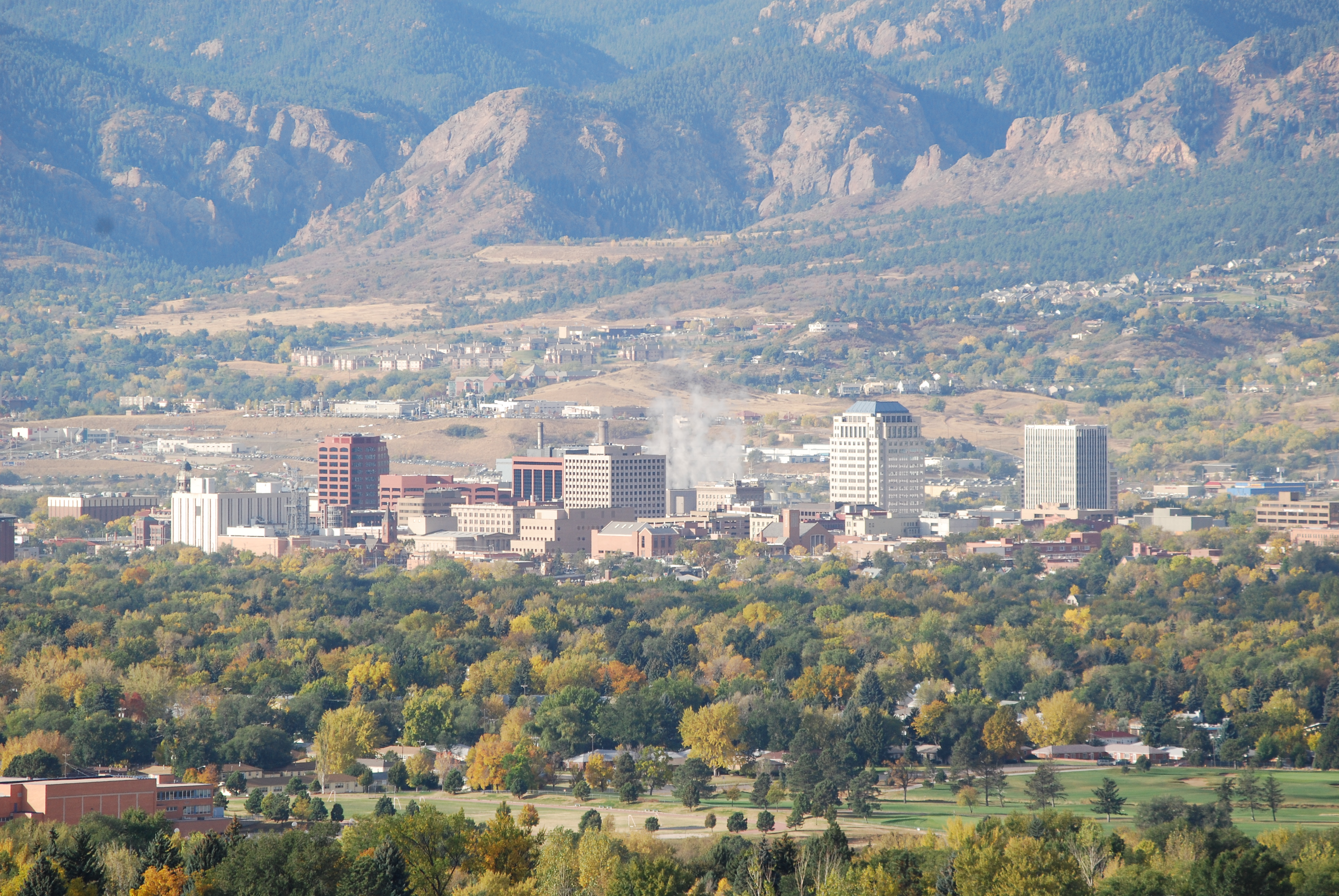
A Growing Hub at the Foot of Pikes Peak
The story of Colorado Springs’ population is one of consistent and often rapid growth, reflecting its strategic importance and magnetic allure. From its foundational years as a health resort and military outpost, the city has blossomed into a major metropolitan area.
Current Population Snapshot
As mentioned, Colorado Springs maintains its status as Colorado’s second-largest city by population, with recent estimates placing it firmly in the range of 490,000 to 500,000 residents within its municipal boundaries. This makes it a formidable urban center, larger than many state capitals and critical to the economic and cultural fabric of the American West. The broader Colorado Springs Metropolitan Statistical Area (MSA), which includes surrounding communities in El Paso County, pushes the total population significantly higher, well over 750,000. This distinction between city proper and metropolitan area is vital for travelers, as it indicates the sheer expanse of services, attractions, and infrastructure available. The growth isn’t just about numbers; it signifies a dynamic environment, constantly adapting and expanding to meet the needs of its diverse inhabitants.
Historical Growth and Development
The trajectory of Colorado Springs’ population growth is deeply intertwined with several key historical factors. Founded in 1871 by General William Palmer as a high-altitude health resort, the city initially attracted those seeking the therapeutic benefits of its dry climate and clear air. However, it was the burgeoning military presence that truly ignited its population boom. Installations like the United States Air Force Academy, Fort Carson, Peterson Space Force Base, Schriever Space Force Base, and the clandestine Cheyenne Mountain Complex transformed Colorado Springs into a global center for military and defense operations. This influx of military personnel and their families, coupled with a growing aerospace and high-tech industry, provided a consistent engine for population expansion throughout the 20th and 21st centuries. The city’s stunning natural backdrop, dominated by Pikes Peak, also continually draws new residents seeking an active, outdoor-oriented lifestyle. This historical growth has shaped the city’s character, creating a unique blend of military precision, adventurous spirit, and family-friendly appeal.
Demographics: The Fabric of Colorado Springs
Beyond raw numbers, the demographic composition of Colorado Springs offers a deeper understanding of its culture, economy, and the overall atmosphere that greets travelers. It’s a city forged by a specific set of influences that manifest in its diverse population.
Age and Diversity
The population of Colorado Springs is notably characterized by a younger median age compared to many other cities. This is largely attributable to the significant military presence, which brings a constant rotation of young service members and their families. This youthful energy contributes to a vibrant, active community with a strong emphasis on family values and outdoor recreation. The city also boasts a rich tapestry of ethnic and racial diversity. While predominantly Caucasian, there are significant Hispanic/Latino, African American, and Asian communities, reflecting both its historical development and its role as a relocation hub for military families from across the globe. This blend of cultures contributes to a varied culinary scene, diverse cultural events, and a generally welcoming environment for newcomers and visitors. The community’s strong ties to patriotism and service are palpable, creating a unique social fabric.
Economic Landscape and Major Employers
The economic underpinnings of Colorado Springs are robust and multifaceted, directly influencing its population and the services available. The defense and aerospace industries are undeniable pillars, with the aforementioned military installations acting as major employers. These bases not only employ thousands directly but also foster a vast ecosystem of supporting contractors and technology companies. Beyond defense, the tourism sector is a powerful economic engine, drawing millions of visitors annually to attractions like Garden of the Gods, Pikes Peak, and the Cheyenne Mountain Zoo. This industry supports a wide range of hospitality, retail, and service jobs. Furthermore, Colorado Springs has cultivated a growing reputation as a hub for the high-tech, cybersecurity, and even Olympic sports industries, home to the United States Olympic & Paralympic Committee Headquarters. This diverse economic base not only attracts a steady stream of skilled professionals but also contributes to a resilient job market, making the city an attractive place to live and work, further fueling its population growth.
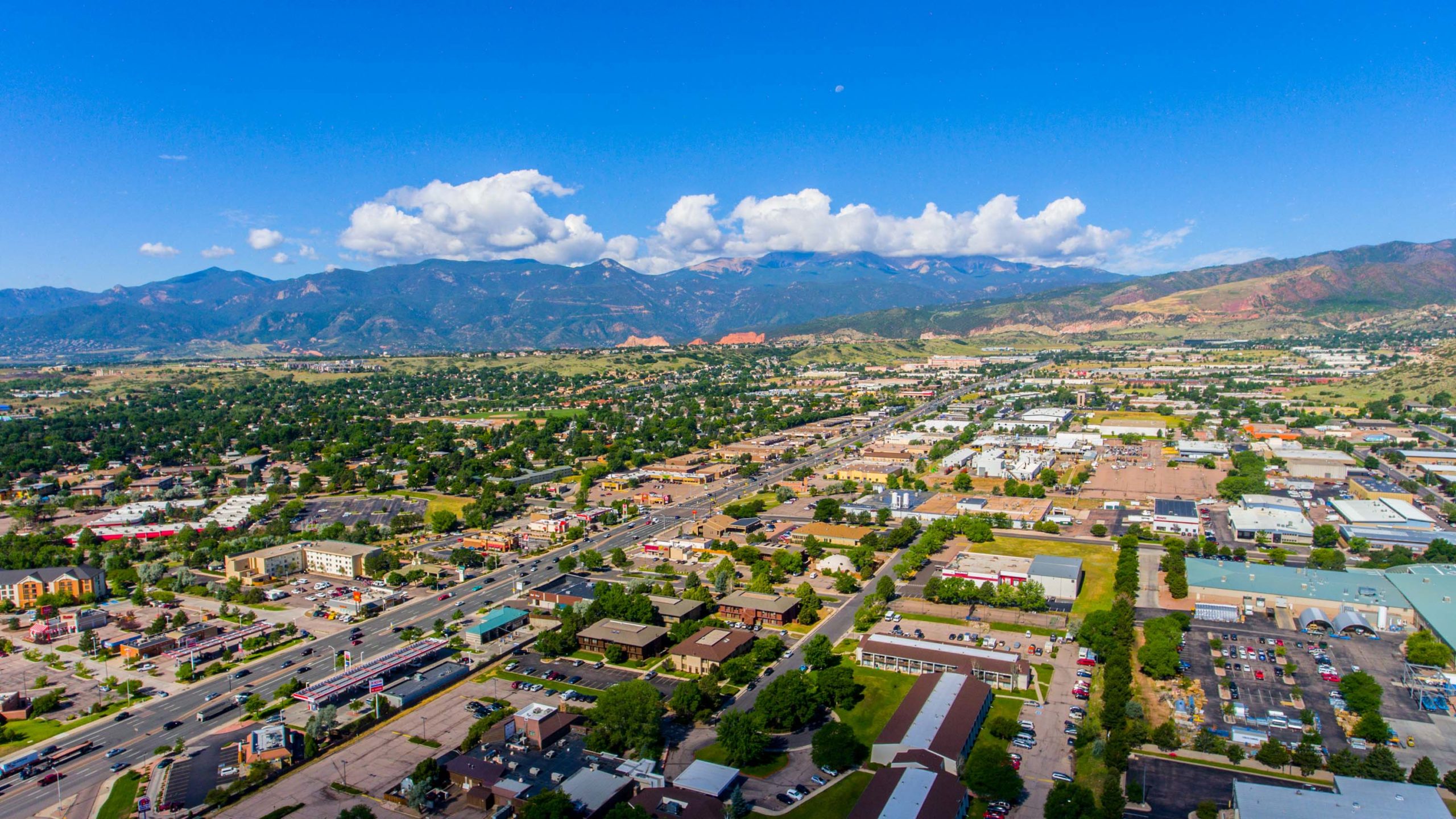
Population’s Impact on the Colorado Springs Visitor Experience
For the discerning traveler, understanding a city’s population isn’t an academic exercise; it’s practical intelligence that shapes expectations and facilitates planning. In Colorado Springs, the population size and demographics profoundly influence a visitor’s journey.
Infrastructure and Accessibility
A population nearing half a million residents within the city limits, and over three-quarters of a million in the metro area, necessitates robust infrastructure. This translates to well-maintained road networks, albeit with typical urban traffic patterns during peak hours. Colorado Springs is served by the Colorado Springs Airport (COS), offering convenient regional and some national flight connections, alleviating the need to always travel to Denver’s larger airport. Within the city, public transportation options are available, though many visitors find a rental car most convenient for exploring the widespread attractions. The city’s size ensures a wide array of services—hospitals, emergency services, grocery stores, and diverse dining establishments—are readily accessible, providing a comfortable and secure travel environment. The ongoing development driven by population growth also means continuous improvements in urban planning and public facilities.
Tourism Capacity and Attractions
The significant resident population provides a solid base for sustaining a thriving tourism industry. Many of the city’s beloved attractions, while appealing to visitors, are also cherished by locals. Iconic sites like Garden of the Gods and the scenic drive up Pikes Peak (or the ride on the Pikes Peak Cog Railway) benefit from the infrastructure and investment driven by both resident demand and visitor influx. The presence of a large population ensures a rich variety of cultural institutions, museums, and entertainment venues, complementing the natural attractions. Furthermore, the sheer number of people supports a diverse restaurant scene, from casual eateries to upscale dining experiences, including those found at institutions like the Broadmoor Hotel. The growth allows for constant innovation and expansion in tourism offerings, ensuring there’s always something new to discover.
Local Vibe and Community
The demographic makeup of Colorado Springs directly shapes its distinctive local vibe. The strong military presence instills a palpable sense of patriotism, community service, and orderliness. The city feels generally safe, friendly, and family-oriented, reflecting its large number of military families and a population drawn to a wholesome, active lifestyle. There’s a tangible appreciation for the outdoors, with residents frequently engaging in hiking, biking, and other activities that leverage the stunning natural surroundings. This translates into a welcoming atmosphere for travelers who share a similar appreciation for nature and an active spirit. While it has the amenities of a large city, Colorado Springs often retains a more laid-back, community-focused feel than larger metropolitan centers like Denver, a characteristic many visitors find appealing.
Planning Your Visit: What Population Data Implies
Leveraging population insights can significantly enhance a traveler’s planning, leading to a more enjoyable and efficient visit to Colorado Springs.
Peak Seasons and Crowds
Understanding the resident population, combined with knowledge of visitor trends, helps anticipate crowd levels. As a popular destination for both tourism and relocation, Colorado Springs experiences peak seasons, particularly during the summer months when the weather is ideal for outdoor activities and families are on vacation. Attractions like Garden of the Gods, Pikes Peak, and the Cheyenne Mountain Zoo will naturally see higher visitor numbers. The substantial local population also means that even during off-peak tourist seasons, popular local spots, restaurants, and trails can still have a healthy level of activity. Travelers seeking a quieter experience might consider visiting during the shoulder seasons (spring or fall) when the weather is still pleasant but crowds are lighter, allowing for easier access to attractions and potentially better deals on accommodations. Booking accommodations and popular tours well in advance, especially during peak times, is a wise strategy.

Urban vs. Natural Experience
The population density in Colorado Springs presents a unique balance between urban convenience and immediate access to pristine natural beauty. Despite being a large city, the majestic Rocky Mountains and landmarks like Pikes Peak are literally in its backyard. This means travelers can enjoy the amenities of a bustling city—diverse dining, cultural events, shopping—while being mere minutes away from hiking trails, scenic drives, and wilderness experiences. The city’s growth has expanded its urban footprint, but careful planning has maintained numerous green spaces and easy access to the mountain environment. This unique juxtaposition allows visitors to tailor their trip to blend both city exploration and outdoor adventure seamlessly, whether that means a morning hike followed by an afternoon at a museum, or a gourmet dinner after a day of whitewater rafting nearby.
In conclusion, the population of Colorado Springs, Colorado – a robust and growing metropolitan area of nearly half a million people within its city limits, and over 750,000 in the greater region – is more than just a statistic. It’s a dynamic force that shapes every aspect of this incredible destination. From its vibrant demographics, rich economic landscape, and well-developed infrastructure to the unique local vibe and the sheer capacity for diverse attractions, understanding the population provides an essential framework for any traveler. It illuminates why Colorado Springs is not just a place to visit, but a truly immersive experience waiting to be discovered.
LifeOutOfTheBox is a participant in the Amazon Services LLC Associates Program, an affiliate advertising program designed to provide a means for sites to earn advertising fees by advertising and linking to Amazon.com. Amazon, the Amazon logo, AmazonSupply, and the AmazonSupply logo are trademarks of Amazon.com, Inc. or its affiliates. As an Amazon Associate we earn affiliate commissions from qualifying purchases.