
Understanding the precise planting zone for any location is the bedrock of successful gardening. For aspiring and seasoned green thumbs in Denver, Colorado, knowing the specific hardiness zone is not merely a piece of trivia but a crucial guide that dictates what plants will thrive, survive, or simply perish in this unique high-plains environment. The question of “What zone is Denver, Colorado for planting?” delves into the heart of horticultural science, environmental factors, and local gardening wisdom, ensuring that your efforts yield verdant rewards. This article will unravel the complexities of Denver, Colorado’s planting zone, offering insights into its unique climatic challenges and providing practical advice for cultivating a flourishing garden in the Mile High City.
Understanding the USDA Plant Hardiness Zone System
The foundation of modern gardening guidance in the United States is the USDA Plant Hardiness Zone System. Developed by the United States Department of Agriculture, this system is a standardized tool used by gardeners and growers to determine which plants are most likely to survive the winter cold at a given location. It’s an indispensable resource for anyone looking to establish a resilient and vibrant garden.
What is a Plant Hardiness Zone?
A plant hardiness zone is a geographically defined area in which a specific category of plant life is capable of growing, as defined by climatic conditions, including its ability to withstand the minimum temperatures of the zone. The USDA Plant Hardiness Zone System divides the United States and Canada into 13 zones, each representing a 10°F difference in the average annual extreme minimum winter temperature. Each of these zones is further divided into “a” and “b” subzones, representing a 5°F difference. For instance, Zone 5 has an average annual extreme minimum temperature between -20°F and -10°F, with 5a covering -20°F to -15°F and 5b covering -15°F to -10°F.
This system is invaluable because it provides a reliable metric for plant selection. When a plant is labeled “hardy to Zone 5,” it means it can typically withstand winter temperatures down to the coldest point of Zone 5 without significant damage. While the zone system primarily focuses on winter cold tolerance, it doesn’t account for other crucial factors like heat tolerance, rainfall, soil type, or day length, which are also vital for plant health. Nevertheless, it remains the most widely accepted and utilized standard for determining a plant’s winter survivability.
Factors Influencing Zone Designations
The USDA Plant Hardiness Zone System is primarily based on average annual extreme minimum winter temperatures. However, these temperatures are influenced by a myriad of factors that create the specific microclimates and overall climate patterns of a region. Key influences include:
- Latitude and Altitude: Locations closer to the equator generally have higher hardiness zones, meaning warmer winters. Altitude also plays a significant role; as elevation increases, temperatures tend to drop. Denver, Colorado’s mile-high elevation is a prime example of how altitude impacts its zone designation.
- Proximity to Large Bodies of Water: Oceans and large lakes moderate temperatures, leading to warmer winters and cooler summers in coastal or lakeside areas compared to inland regions at similar latitudes.
- Topography: Mountains and valleys create rain shadows and can funnel or block air masses, affecting temperature and precipitation. Urban areas, with their extensive concrete and asphalt, often create “heat islands” that can be one half to a full zone warmer than surrounding rural areas.
- Air Mass Movement: Prevailing winds and the movement of cold and warm air masses significantly impact regional temperatures. Denver, Colorado, for instance, experiences a mix of cold air from the Arctic and warming Chinook winds from the Rocky Mountains.
These factors collectively contribute to the unique climatic profile of each region, ultimately determining its specific plant hardiness zone and presenting distinct opportunities and challenges for local gardeners.
Denver’s Unique Climate and Its Impact on Gardening
Denver, Colorado is famous as the “Mile High City” due to its elevation, but its climate is far more complex than just its height above sea level. Situated on the western edge of the Great Plains and at the base of the Rocky Mountains, Denver, Colorado experiences a unique blend of semi-arid conditions, intense sunlight, and significant temperature fluctuations. These characteristics define its gardening landscape and influence the plant selections that will flourish.
High Altitude and Intense Sunlight
Denver, Colorado’s elevation of approximately 5,280 feet (1,609 meters) above sea level means thinner air, which translates to a few critical gardening implications. Firstly, the atmosphere at this altitude is less dense, offering less protection from solar radiation. Gardeners in Denver, Colorado must contend with intense ultraviolet (UV) light, which can be beneficial for photosynthesis but also lead to sunburn for sensitive plants or rapid evaporation of soil moisture. Plants selected for Denver, Colorado often need to be tolerant of high light levels.
Secondly, the high altitude results in a greater diurnal temperature range—meaning a larger difference between daytime highs and nighttime lows. Even on a warm spring day, temperatures can drop significantly overnight, potentially stressing plants not adapted to such swings. This also means that while daytime temperatures might feel warm, the growing season can be shorter than locations at similar latitudes but lower elevations, with the threat of frost extending well into spring and reappearing early in fall.
Precipitation Patterns and Arid Conditions
Despite its stunning mountain backdrop, Denver, Colorado has a semi-arid continental climate. This means it receives a relatively low amount of precipitation, averaging around 15-20 inches per year, much of which comes in the form of spring snow or intense, localized thunderstorms in summer. The dry air and often windy conditions further contribute to high rates of evapotranspiration, where moisture rapidly evaporates from both soil and plant surfaces.
For gardeners, this arid environment necessitates a focus on water conservation. Drought-tolerant plants, efficient irrigation systems (like drip irrigation), and practices like mulching are not just advisable but essential for sustainable gardening in Denver, Colorado. Understanding the infrequent and sometimes unpredictable rainfall patterns is key to providing adequate moisture without overwatering, which can lead to root rot.
Temperature Swings and Microclimates
One of the most challenging aspects of gardening in Denver, Colorado is its notorious temperature variability. It’s not uncommon for temperatures to fluctuate by 30-40 degrees Fahrenheit (17-22 degrees Celsius) within a single day, especially during spring and fall. Warm, dry Chinook winds descending from the Rocky Mountains can cause dramatic temperature spikes in winter, occasionally followed by sudden, severe cold fronts.
These rapid temperature changes can be particularly hard on emerging seedlings or plants that have broken dormancy too early. Furthermore, Denver, Colorado’s urban landscape creates numerous microclimates. South-facing walls can create pockets of warmer temperatures, while shaded northern exposures remain cooler. Understanding these localized differences within your own garden can help in strategic plant placement, allowing you to push the boundaries of the general hardiness zone by a subzone or two in protected areas. Hailstorms, though localized, are also an annual threat, capable of significant damage to foliage and fruits, requiring gardeners to consider protective measures or quick-recovering plant varieties.
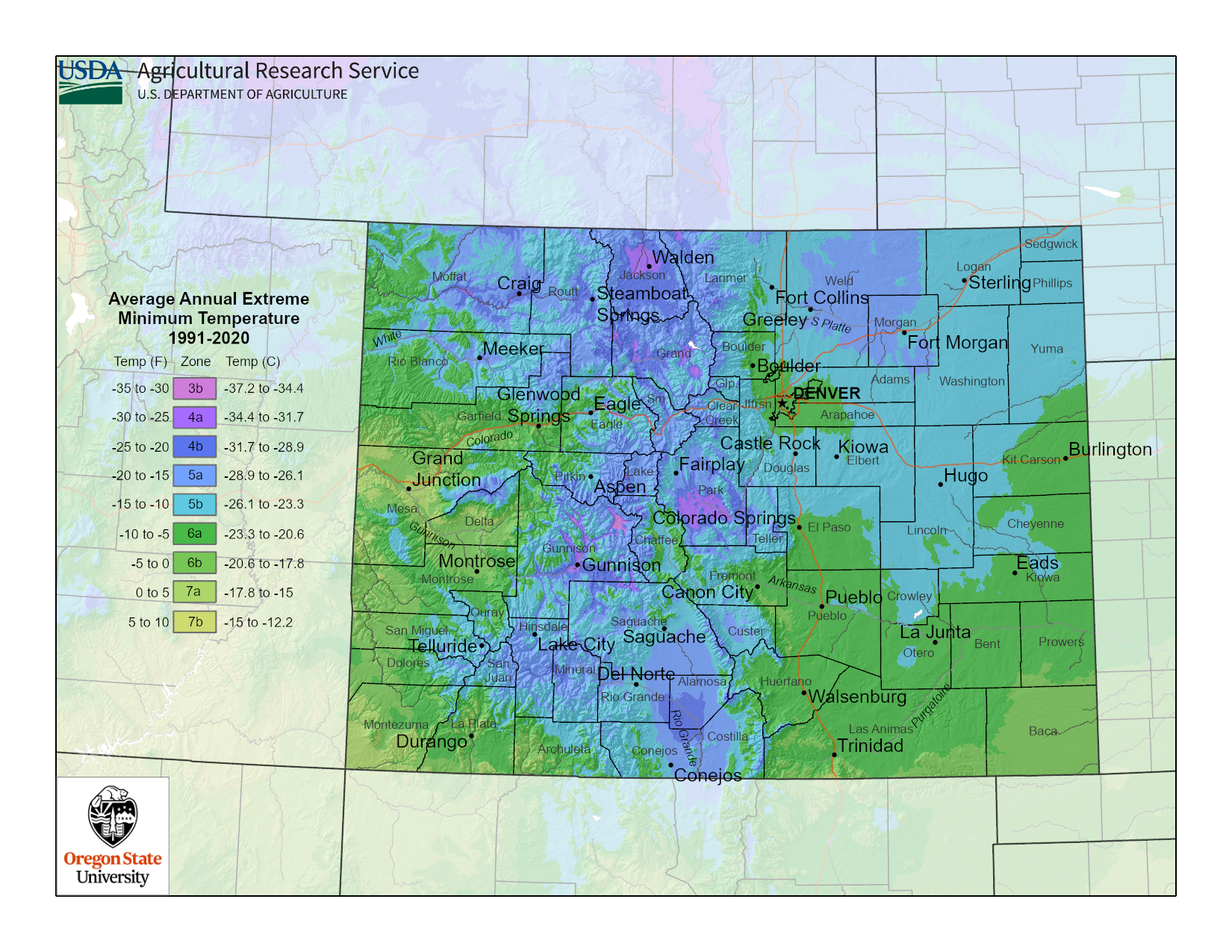
Unveiling Denver’s Planting Zone: 5b to 6a
After considering the myriad climatic influences, we can now pinpoint the specific USDA Plant Hardiness Zones that encompass Denver, Colorado. While broad categorizations are useful, it’s important to understand the nuances that contribute to these designations.
What 5b and 6a Mean for Gardeners
Most of the Denver, Colorado metropolitan area falls primarily within USDA Plant Hardiness Zones 5b to 6a. This range reflects the slight variations across the city due to urban heat island effects, localized topography, and proximity to larger natural features.
- Zone 5b: Characterized by average annual extreme minimum winter temperatures ranging from -15°F to -10°F (-26.1°C to -23.3°C). This typically applies to more exposed or cooler parts of the metropolitan area, often in outlying suburbs or higher elevation neighborhoods.
- Zone 6a: Characterized by average annual extreme minimum winter temperatures ranging from -10°F to -5°F (-23.3°C to -20.6°C). This designation is more common in the denser, central parts of Denver, Colorado where the urban heat island effect provides a slight moderation of winter lows.
For gardeners, this means that plants labeled as hardy to Zone 5 or 6 are generally good candidates for success. However, understanding your specific location within the city—whether it’s an urban core microclimate or a more exposed suburban plot—can help you fine-tune your plant choices. If you’re in a clear Zone 6a area, you might be able to grow some plants that struggle in a colder 5b location, assuming other factors like sun exposure and soil are also favorable.
Implications for Plant Selection
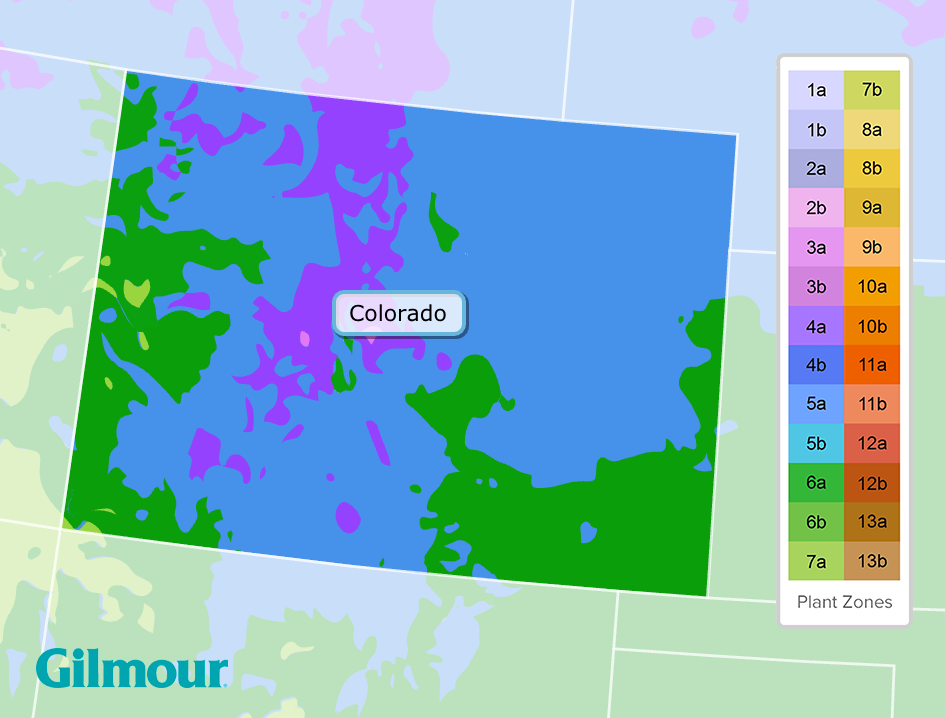
The 5b to 6a zone designation has direct implications for plant selection in Denver, Colorado. Gardeners should prioritize plants that are reliably hardy to at least Zone 5, with a preference for Zone 5b or 6a if possible. This ensures that the chosen flora can withstand the coldest winter temperatures without requiring extensive protection.
- Perennials and Shrubs: When selecting perennial flowers, shrubs, and trees, always check their zone hardiness. Opting for varieties rated for Zone 5 or colder provides a buffer against unusually harsh winters. Many beautiful plants, including certain roses, hydrangeas, hostas, and evergreens, are well-suited for these zones.
- Annuals: Annuals are not constrained by hardiness zones as they complete their life cycle in one growing season. Gardeners can enjoy a vast array of annuals in [Denver, Colorado](https://lifeoutofthebox.com/denver-colorado], planting them after the last frost date, typically late April to mid-May, and enjoying them until the first hard frost in the fall.
- Vegetables and Fruits: Many common vegetables and fruits thrive in Denver, Colorado’s zones, though careful timing is essential due to the shorter growing season. Selecting “short-season” varieties for tomatoes, corn, and peppers can significantly improve success. Cold-hardy crops like lettuce, spinach, peas, and root vegetables can often be planted earlier in spring and again in late summer for a fall harvest.
Beyond the zone, considering a plant’s drought tolerance, heat tolerance, and specific light requirements is equally critical for success in Denver, Colorado’s challenging yet rewarding climate.
Thriving in Denver’s Gardening Landscape
Gardening in Denver, Colorado is an exercise in resilience and adaptation, much like the native flora that graces its landscapes. While the 5b to 6a hardiness zone provides a foundational understanding, successful cultivation here requires embracing specific plants and practices tailored to the local environment.
Recommended Plants for Denver’s Zone
To create a vibrant garden that truly thrives in Denver, Colorado’s conditions, focus on plants that naturally tolerate high altitudes, intense sunlight, fluctuating temperatures, and semi-arid conditions.
- Native and Adaptive Plants: Incorporating native Colorado plants or species adapted to similar climates is a smart strategy. Examples include Penstemon (beardtongue), Gaillardia (blanket flower), Blue Grama Grass, Rabbitbrush, and various species of Juniper and Pine. These plants are inherently suited to the local soil, water, and climate, requiring less intervention.
- Drought-Tolerant Perennials: Many popular perennials are excellent choices due to their water-wise nature. Lavender, Sedum, Yarrow, Catmint, and Russian Sage are beautiful, low-maintenance options that add color and texture without demanding excessive irrigation.
- Resilient Trees and Shrubs: For foundational landscaping, consider trees like Colorado Blue Spruce, Austrian Pine, Honey Locust, and Chokecherry. Shrubs such as Potentilla, Lilac, and Spirea are also well-adapted. These provide structure, shade, and habitat while enduring Denver, Colorado’s climate swings.
- Vegetables and Herbs: Most common vegetables and herbs can be grown successfully. Focus on varieties with shorter maturity dates. Tomatoes, peppers, squash, beans, lettuce, carrots, and various herbs like basil, rosemary, and thyme are popular choices. Starting seeds indoors can give sensitive crops a head start against the relatively short growing season.
Essential Gardening Practices for Success
Beyond plant selection, adopting specific gardening practices is paramount for success in Denver, Colorado.
- Smart Watering: Given the arid climate, efficient watering is critical. Deep, infrequent watering encourages strong root development, making plants more drought-resistant. Drip irrigation or soaker hoses minimize water loss due to evaporation. Watering early in the morning reduces evaporation and allows foliage to dry, preventing fungal issues.
- Mulching: Applying a 2-4 inch layer of organic mulch (wood chips, straw, shredded leaves) around plants is incredibly beneficial. Mulch conserves soil moisture, moderates soil temperature, suppresses weeds, and slowly enriches the soil as it breaks down.
- Soil Amendment: Denver, Colorado soils are often heavy clay or sandy with low organic matter. Regular amendment with compost is crucial to improve drainage in clay, enhance water retention in sand, and provide essential nutrients. Building healthy soil is the single most important long-term investment for a successful Denver, Colorado garden.
- Frost Protection: Be prepared for late spring and early fall frosts. Have frost cloths or old sheets ready to cover vulnerable plants when cold snaps are predicted. For tender seedlings, cloches or milk jugs can offer temporary protection.
- Wind Breaks: The plains winds can be intense. Strategically placed fences, hedges, or taller, resilient plants can provide valuable windbreaks, protecting more delicate plants from desiccation and physical damage.
Local Resources and Community Engagement
Denver, Colorado’s gardening community is vibrant and supportive. Leveraging local expertise and resources can significantly enhance your gardening journey.
- Colorado State University Extension: The Colorado State University Extension provides invaluable, science-backed information specifically tailored for Colorado gardeners. They offer classes, fact sheets, and even soil testing services.
- Local Nurseries and Garden Centers: Staff at local garden centers in Denver, Colorado are often experienced local gardeners themselves. They can provide personalized advice on plant selection, pest management, and best practices for the region.
- Botanical Gardens: Places like the Denver Botanic Gardens are living laboratories, showcasing what can thrive in the local climate. Visiting them offers inspiration and practical examples of plant combinations and water-wise landscaping.
- Community Gardens and Clubs: Joining a community garden or a local gardening club provides opportunities to share knowledge, gain hands-on experience, and connect with fellow enthusiasts. These communities are often rich sources of localized wisdom and plant swaps.
By integrating these practices and engaging with local resources, gardeners in Denver, Colorado can transform the challenges of the high plains into opportunities for creating stunning, sustainable, and productive landscapes.
Beyond the Zone: Considerations for Denver Gardeners
While the USDA Plant Hardiness Zone is fundamental, successful gardening in Denver, Colorado demands attention to a suite of other environmental factors. The unique confluence of high altitude, arid conditions, and specific local geology means that gardeners must adopt a holistic approach that goes “beyond the zone.”
Soil Composition and Amendment
Denver, Colorado’s native soils can be quite varied, but often fall into two challenging categories: heavy clay or sandy loam. Both present distinct issues for plant health.
- Heavy Clay Soils: These soils are dense, drain poorly, and can become compacted, suffocating plant roots. However, they are often rich in nutrients. The key to improving clay soil is consistent amendment with organic matter such as compost, well-rotted manure, or peat moss. This improves aeration, drainage, and makes the soil more workable.
- Sandy Loam Soils: While offering excellent drainage, sandy soils tend to be low in organic matter and nutrients, and they struggle to retain moisture. Again, regular additions of organic matter are vital. Compost helps increase the soil’s water-holding capacity and slowly releases nutrients, creating a more fertile environment.
Regardless of your starting soil type, a soil test from a local extension office is highly recommended. This will provide a precise analysis of your soil’s pH, nutrient levels, and organic matter content, guiding your amendment strategy and ensuring your plants receive the optimal environment for root development and nutrient uptake. Proper soil health is arguably the most critical factor for overcoming the climatic challenges in Denver, Colorado.
Water Conservation Strategies
In a semi-arid region like Denver, Colorado, water is a precious resource, and conservation is not just an option but a responsibility. Implementing water-wise gardening (Xeriscaping) principles is essential for creating a sustainable landscape.
- Hydrozoning: Grouping plants with similar water needs together allows for more efficient irrigation. Areas requiring more water (like a vegetable patch) can be irrigated separately from drought-tolerant perennial beds.
- Efficient Irrigation Systems: Drip irrigation systems and soaker hoses deliver water directly to the plant root zone, minimizing evaporation and runoff. These systems are far more efficient than overhead sprinklers, especially during Denver, Colorado’s hot, dry, and often windy days.
- Rainwater Harvesting: Collecting rainwater in rain barrels for use in the garden is an excellent way to supplement irrigation with naturally soft, chlorine-free water, reducing reliance on municipal supplies.
- Turf Reduction: Lawns are typically the most water-intensive part of a landscape. Consider reducing lawn areas, replacing them with water-wise groundcovers, mulched beds, or native plant groupings. If you maintain a lawn, choose drought-tolerant turf varieties and follow smart watering practices.
- Deep and Infrequent Watering: Rather than frequent, shallow watering, aim for deeper, less frequent irrigation. This encourages roots to grow deeper into the soil, making plants more resilient to dry spells.
By prioritizing water conservation, Denver, Colorado gardeners can create beautiful and thriving gardens that are environmentally responsible and cost-effective.

Dealing with Pests and Wildlife
Gardening in Denver, Colorado also means sharing your space with local wildlife and contending with common pests. An integrated pest management (IPM) approach is the most effective and eco-friendly strategy.
- Common Pests: Aphids, spider mites, squash bugs, and tomato hornworms are some of the usual suspects. Regular inspection of plants helps in early detection. Encourage beneficial insects like ladybugs and lacewings, which are natural predators. Use organic pest control methods such as insecticidal soaps or neem oil as a first line of defense.
- Wildlife Challenges: Denver, Colorado is home to a variety of wildlife, including rabbits, deer, squirrels, and voles, all of whom can view your garden as a buffet.
- Rabbits and Deer: Fencing is often the most effective deterrent. Choose deer-resistant plant varieties.
- Squirrels and Voles: Netting can protect fruits and vegetables from squirrels. Voles, which tunnel underground, can be problematic for root crops; raised beds with wire mesh bottoms can offer protection.
- Bird Protection: While many birds are beneficial (eating insects), some, like jays or magpies, might target berries or seeds. Netting can protect fruit crops during harvest season.
By being proactive, understanding the local ecosystem, and employing humane deterrents and organic pest control, Denver, Colorado gardeners can mitigate damage from pests and wildlife, ensuring their plants have the best chance to flourish. Gardening in Denver, Colorado is an enriching experience that, with the right knowledge and practices, can yield spectacular results, transforming the high-altitude landscape into a vibrant personal oasis.
LifeOutOfTheBox is a participant in the Amazon Services LLC Associates Program, an affiliate advertising program designed to provide a means for sites to earn advertising fees by advertising and linking to Amazon.com. Amazon, the Amazon logo, AmazonSupply, and the AmazonSupply logo are trademarks of Amazon.com, Inc. or its affiliates. As an Amazon Associate we earn affiliate commissions from qualifying purchases.