
While a precise, real-time temperature in Denver, Colorado fluctuates minute by minute, understanding the dynamic climatic patterns and how they influence the travel experience in the Mile-High City is far more valuable for any discerning traveler. Denver, perched at an elevation of approximately one mile above sea level, boasts a unique climate characterized by distinct seasons, abundant sunshine, and often dramatic shifts in weather conditions. For those planning a trip, knowing the typical temperature ranges and their implications is paramount to packing appropriately, scheduling activities, and ultimately, making the most of their visit to this vibrant capital of the Centennial State.

This guide delves into Denver’s fascinating weather landscape, offering insights into what temperatures to expect throughout the year and how these conditions shape the journey and experiences awaiting travelers. From the snowy peaks of the nearby Rocky Mountains to the bustling urban core, Denver’s climate is an integral part of its identity and appeal, demanding thoughtful consideration from every visitor.
Understanding Denver’s Dynamic Climate for Travelers
Denver’s location at the foot of the Rocky Mountains profoundly influences its weather patterns, creating a climate that is as beautiful as it is unpredictable. Travelers often anticipate extreme cold due to its altitude, but the reality is more nuanced and often surprisingly pleasant. The city famously receives over 300 days of sunshine annually, contributing to a feeling of warmth even on cooler days and mitigating the intensity of winter chills. However, this sunshine also means significant temperature swings between day and night, and between consecutive days, are common.
The Mile-High City’s Weather Peculiarities
The high altitude of Denver means the air is thinner and drier, which affects how temperatures are perceived. While a thermometer might read a certain degree, the low humidity often makes hot days feel less oppressive and cold days more tolerable, especially when the sun is out. This dry air also contributes to swift temperature drops once the sun sets, making evenings considerably cooler than daytime highs in every season. Furthermore, Denver experiences what is known as “Chinook winds” – warm, dry winds descending from the mountains that can cause temperatures to rise rapidly, sometimes by 20-30 degrees Fahrenheit in just a few hours, even in the dead of winter. This phenomenon underscores the importance of checking forecasts regularly and being prepared for varying conditions.
How Temperature Shapes Your Packing List
Given the variability, packing for a trip to Denver requires strategic thought. The golden rule for travelers visiting Denver is layering. This allows for easy adaptation to fluctuating temperatures throughout the day, whether you’re transitioning from a sunny afternoon hike to a chilly evening exploring downtown. Even in summer, a light jacket or sweater is often necessary for evenings. In spring and fall, expect to need heavier layers, and winter naturally calls for warm coats, hats, gloves, and waterproof footwear. Considering the potential for both sunshine and sudden precipitation (rain or snow), packing items that offer protection from the elements, regardless of the season, is always a wise decision for a comfortable and enjoyable travel experience.
Seasonal Temperature Trends: A Traveler’s Guide to Denver
Understanding the typical temperature ranges for each season is crucial for planning any itinerary in Denver. Each period offers distinct opportunities and challenges, making Denver a year-round destination for different types of travelers.
Spring (March-May): Unpredictable but Beautiful Transitions
Spring in Denver is a season of dramatic contrasts. March and April can still see significant snowfall, often followed by rapid melting due to the strong sun. Average daytime temperatures typically range from the low 40s to low 60s Fahrenheit (4-17°C), but it’s not uncommon for a warm 70°F (21°C) day to be followed by a snowstorm. Nights remain cool, often dipping into the 20s or 30s (-7 to 4°C). This unpredictability means travelers should pack for all four seasons, bringing layers that can handle both chilly, wet conditions and surprisingly warm, sunny afternoons. Spring is ideal for those who appreciate both winter sports in the mountains (which often extend into April) and the nascent signs of urban life blooming in the city.
Summer (June-August): Warm, Dry, and Ideal for Outdoor Exploration
Denver’s summer is arguably its most popular season, characterized by warm, dry days and refreshingly cool evenings. Daytime highs generally hover in the upper 70s to low 90s Fahrenheit (25-35°C), with very low humidity making even the warmer days quite pleasant. Nights consistently cool down, often into the 50s and low 60s (10-17°C), providing excellent sleeping weather. Thunderstorms are common in the late afternoon, but they usually pass quickly. This season is perfect for outdoor enthusiasts, offering prime conditions for hiking, biking, and exploring the vast natural beauty surrounding the city. Travelers should pack light clothing, sunglasses, hats, and plenty of sunscreen, but always include a light jacket for the cooler evenings.
Autumn (September-November): Crisp Air and Vibrant Foliage
Autumn brings some of Denver’s most picturesque weather, with crisp air, abundant sunshine, and stunning fall foliage in the surrounding mountains, typically peaking in late September to early October. Daytime temperatures are comfortably mild, ranging from the 50s to 70s Fahrenheit (10-21°C), while nights become noticeably cooler, dropping into the 30s and 40s (0-10°C). The weather remains generally stable through September and early October, making it an excellent time for scenic drives, outdoor festivals, and urban exploration. By November, temperatures start to dip significantly, and the first consistent snowfalls can occur. Layers, including warmer sweaters and a medium-weight jacket, are essential for autumn travel.
Winter (December-February): Cold and Snowy, Yet Often Sunny
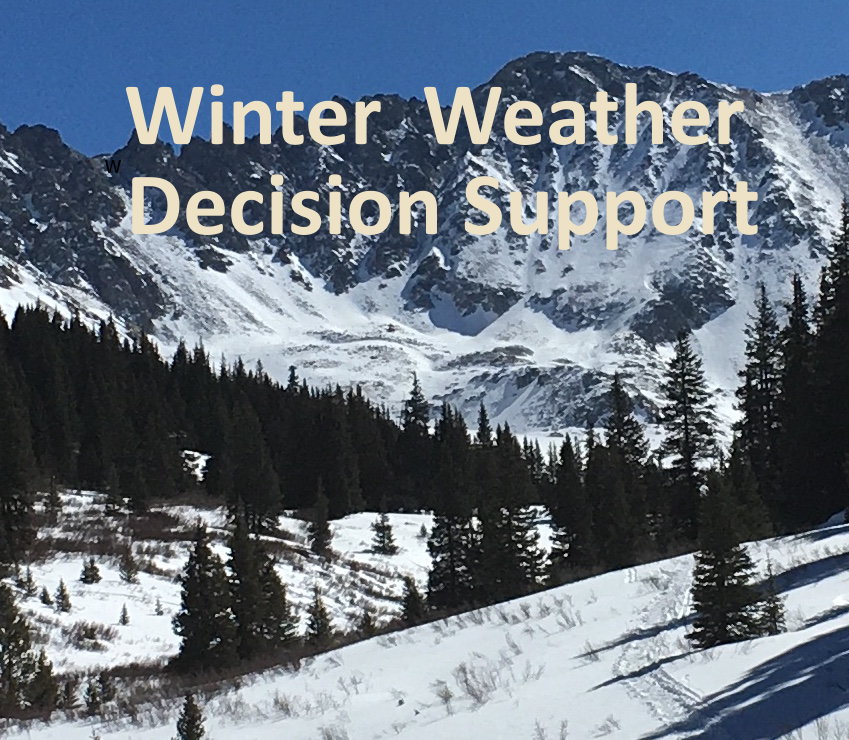
Despite common misconceptions, Denver’s winter is not a continuous deep freeze. While cold temperatures are the norm, with daytime highs typically ranging from the 30s to 40s Fahrenheit (-1 to 7°C) and nights often below freezing (10s to 20s, -12 to -1°C), the city still experiences plenty of sunshine. Snowfall occurs, but often melts quickly due to the strong sun and dry air, leaving roads clear. This makes Denver an excellent base for winter sports enthusiasts heading to nearby ski resorts, while also offering a cozy urban experience with holiday markets and indoor attractions. Travelers should pack heavy winter coats, hats, gloves, scarves, and waterproof boots to ensure comfort, especially if planning to venture into the higher elevations.

Beyond the Thermometer: How Temperature Impacts Denver Experiences
The numerical temperature reading only tells part of the story; how that temperature impacts the actual travel experience in Denver is equally important. From physical activities to cultural pursuits, the climate plays a significant role in shaping a visitor’s itinerary and enjoyment.
Outdoor Adventures and Altitude Considerations
Denver’s proximity to the Rocky Mountains makes it a gateway to unparalleled outdoor adventures. In summer, warm, dry temperatures are perfect for hiking, mountain biking, and rock climbing. However, travelers must remember that temperatures in the mountains will always be significantly cooler than in the city, and weather can change even more rapidly at higher elevations. In winter, cold temperatures transform the landscape into a skier’s paradise. Regardless of the season, the altitude itself means the air is thinner. This can make physical exertion more challenging and increases the risk of dehydration and sunburn. Staying hydrated and applying sun protection (even in winter) is crucial for all outdoor activities in Denver’s climate.
Urban Exploration and Cultural Immersion
Temperature also dictates the flow of urban exploration. On warm, sunny days, walking tours, visits to the Denver Botanic Gardens, and enjoying outdoor patios are immensely popular. When temperatures drop or adverse weather sets in, Denver’s rich array of indoor attractions becomes the focus. Travelers can delve into the vast collections of the Denver Art Museum, explore the historic Union Station with its shops and restaurants, or discover the many craft breweries and distilleries that dot the city. Being flexible with plans and having both indoor and outdoor options researched ensures a satisfying travel experience regardless of the day’s mercury reading.
Dining and Nightlife
Denver’s culinary scene and nightlife adapt seamlessly to its climate. In warmer months, rooftops, patios, and outdoor dining spaces become prime spots for enjoying meals with mountain views or soaking in the city’s vibrant atmosphere. Lighter fare, craft beers, and refreshing cocktails are popular choices. As temperatures cool, the focus shifts indoors to cozy, inviting restaurants, many with fireplaces, serving hearty Colorado-inspired dishes and robust wines or spirits. The temperature dictates the ambiance, but never dampens Denver’s enthusiasm for good food and spirited social gatherings.
Preparing for Denver’s Weather: Essential Travel Tips
A well-prepared traveler is a happy traveler, especially in a city with Denver’s dynamic climate. A few key considerations can significantly enhance your trip.
Real-Time Weather Resources
While historical averages provide a good baseline, checking a reliable local weather forecast a few days before and during your trip is essential. Local news channels and reputable weather apps offer up-to-the-minute information on temperature, precipitation, and wind conditions, allowing you to fine-tune your daily plans and attire.
Layering is Key
This cannot be stressed enough. Pack versatile clothing that can be easily added or removed. A base layer, a mid-layer (like a fleece or sweater), and a waterproof/windproof outer shell will prepare you for most conditions Denver can throw at you, any time of year.
Hydration and Sun Protection
Due to the high altitude and dry air, dehydration is a common issue for visitors. Drink plenty of water, even if you don’t feel thirsty. The sun’s intensity is also greater at altitude, so apply high-SPF sunscreen regularly, wear sunglasses, and consider a hat, even on cloudy days or in winter.
Flexibility in Planning
Embrace the variability. If a sudden snow shower appears in April, pivot to an indoor museum visit. If a glorious warm spell arrives in November, seize the opportunity for an unexpected stroll through a park. Denver’s charm lies partly in its ability to offer diverse experiences influenced by its climate.
In conclusion, asking “What’s the current temperature in Denver, Colorado?” is a gateway to understanding the rich, multifaceted travel experience this city offers. It prompts a deeper dive into its unique climate, the impact on activities, and the essential preparations every traveler should undertake. By appreciating Denver’s dynamic weather, visitors can pack smarter, plan more effectively, and ultimately enjoy a more comfortable, insightful, and memorable journey through this remarkable Mile-High City.
LifeOutOfTheBox is a participant in the Amazon Services LLC Associates Program, an affiliate advertising program designed to provide a means for sites to earn advertising fees by advertising and linking to Amazon.com. Amazon, the Amazon logo, AmazonSupply, and the AmazonSupply logo are trademarks of Amazon.com, Inc. or its affiliates. As an Amazon Associate we earn affiliate commissions from qualifying purchases.