
Planning a trip to the Mile High City, Denver, Colorado, means preparing for a climate as dynamic and varied as its landscape. Nestled at the base of the Rocky Mountains, Denver’s weather is renowned for its abundant sunshine, distinct four seasons, and sometimes surprising shifts. Understanding Denver’s unique meteorological personality is key to packing appropriately, planning activities, and ensuring an enjoyable and comfortable travel experience, no matter when you decide to visit this vibrant urban hub. From sun-drenched summers to snowy winters and everything in between, Denver’s climate offers a rich tapestry of experiences for every traveler.

Denver’s Unique Climatic Profile: An Overview
Denver’s climate is largely influenced by its geographic position, specifically its high elevation and proximity to the imposing Rocky Mountains. This combination creates a distinctive weather pattern that travelers should be aware of.
High-Altitude, High-Sunshine City
Sitting precisely one mile above sea level at an elevation of 5,280 feet, Denver experiences weather conditions typical of a high-altitude semi-arid continental climate. One of its most celebrated features is the sheer number of sunny days it enjoys – an average of 300 per year, more than Miami or San Diego. This abundant sunshine can make even cooler days feel pleasant and contributes to the city’s overall bright and optimistic atmosphere. However, the high altitude also means the sun’s rays are more intense, requiring vigilance with sun protection regardless of the temperature. The air is also drier, which can impact visitors unaccustomed to such conditions.
Four Distinct Seasons
Unlike some regions where seasons blend, Denver proudly showcases four very distinct seasons, each offering its own set of weather characteristics and outdoor opportunities. This seasonal variation is a major draw for travelers, allowing for a diverse range of activities throughout the year, from hiking and biking in the summer to skiing and snowboarding in the winter, and enjoying vibrant fall foliage or blooming spring flowers. Each season presents unique challenges and rewards, making seasonal planning an integral part of your Denver adventure.
Navigating Denver’s Seasons: What to Expect
Understanding the typical weather patterns for each season is crucial for planning your Denver itinerary and packing list. While Denver’s weather can be famously unpredictable, there are general trends that hold true.
Summer (June-August): Warm Days, Cool Nights, Afternoon Showers
Denver summers are generally warm and dry, making it a popular time for visitors. Daytime temperatures typically range from the high 70s to low 90s Fahrenheit (25-35°C). The arid climate, however, prevents the oppressive humidity often found in other parts of the country, making even warmer days quite comfortable. Nights cool down considerably, often dropping into the 50s or 60s Fahrenheit (10-18°C), providing a pleasant respite and making outdoor dining or evening strolls delightful. Afternoon thunderstorms, often brief but intense, are common, especially in July and August. These “monsoon season” showers quickly clear, leaving behind fresh air and often stunning sunsets. Activities like exploring Red Rocks Amphitheatre, catching a Rockies game at Coors Field, or hiking in nearby parks are ideal.
Autumn (September-November): Crisp Air, Golden Hues, Early Snow
Autumn is a beloved season in Denver, characterized by crisp air, clear blue skies, and breathtaking fall foliage, especially in the surrounding mountains. September often feels like an extension of summer, with warm days and cool nights. As October progresses, temperatures cool further, typically ranging from the 50s to 70s Fahrenheit (10-25°C) during the day. The region’s aspens turn brilliant shades of gold, making scenic drives a must. November sees a more significant drop in temperature, with highs usually in the 40s and 50s Fahrenheit (4-15°C), and the first significant snowfalls can occur, particularly towards the end of the month. This is a transitional period, so layers are essential, and travelers should be prepared for anything from mild, sunny days to early winter conditions.
Winter (December-February): Snow, Sunshine, and Chinooks
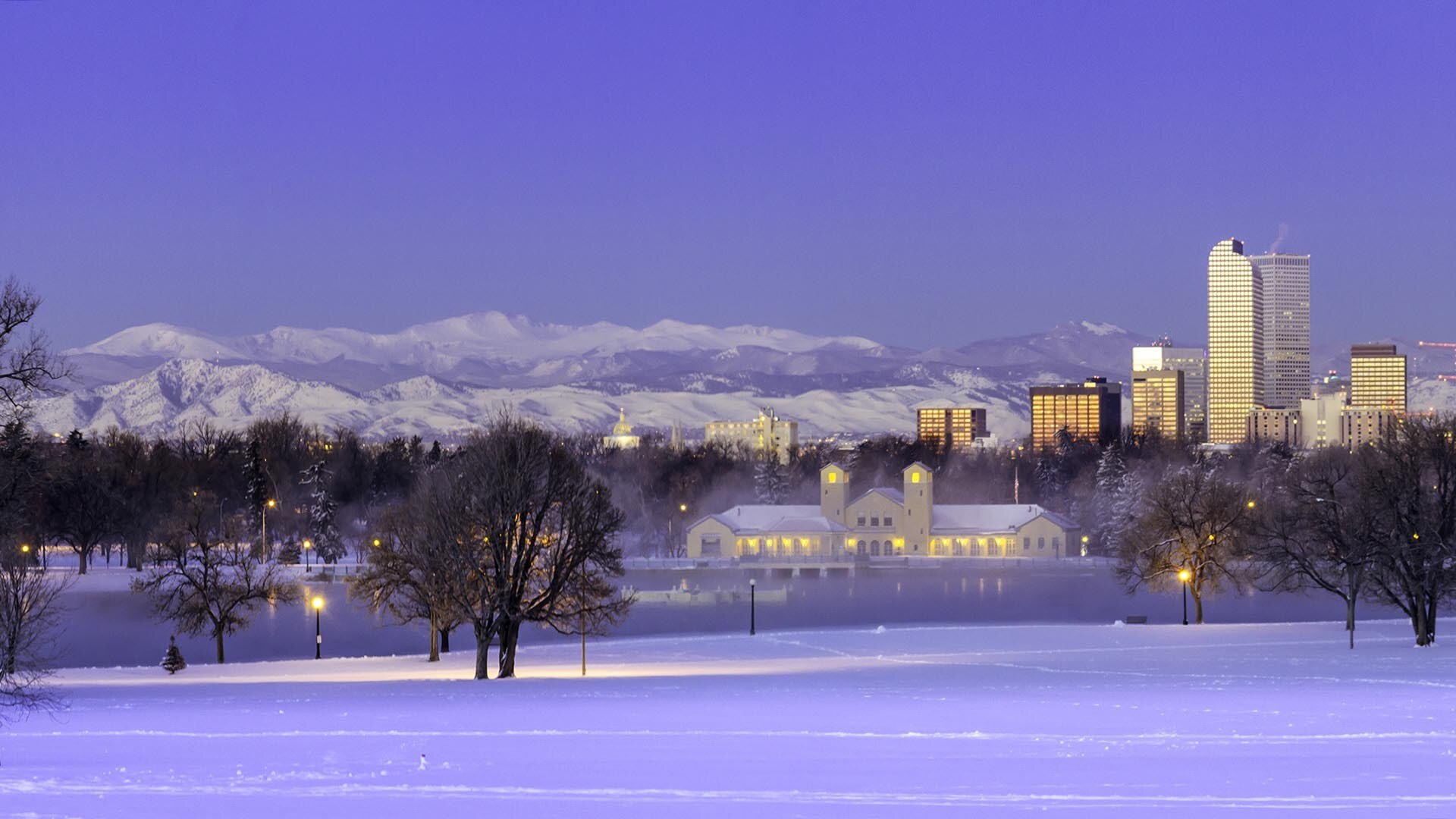
Denver winters are known for their combination of snow and sunshine. While the city receives an average of 60 inches of snow annually, it doesn’t typically linger for long, thanks to the ample sun and occasional “Chinook” winds – warm, dry downdrafts from the Rocky Mountains that can melt snow rapidly. Daytime temperatures usually hover in the 30s and 40s Fahrenheit (0-10°C), but can dip into single digits during cold snaps. Sunny days can make even chilly temperatures feel surprisingly mild. Snowfall can be heavy but is often followed by clear, bright days, perfect for exploring Denver’s vibrant neighborhoods, visiting museums, or taking a short drive to nearby ski resorts.
Spring (March-May): Unpredictable but Beautiful
Spring in Denver is arguably the most unpredictable season, often described as a rollercoaster of weather. March and April can bring some of the city’s heaviest snowfalls, alternating with days that feel like summer. Temperatures can swing wildly from one day to the next, with highs anywhere from the 30s to the 70s Fahrenheit (0-25°C). May generally sees more consistent warmth and the blossoming of flowers, though a late-season snowstorm isn’t entirely out of the question. This transitional period means travelers need to be prepared for all types of weather within a single trip, or even a single day. Despite the variability, spring is a beautiful time to visit, with fewer crowds and the anticipation of summer’s arrival. Visiting the Denver Botanic Gardens during this time can be particularly rewarding as nature awakens.

Planning Your Trip Around the Weather
Effective trip planning involves more than just knowing the general weather trends; it means understanding how to prepare for them and leveraging the best conditions for your desired activities.
Packing Essentials for Every Season
Given Denver’s reputation for rapidly changing weather, layering is universally recommended, regardless of the season.
- Summer: Lightweight clothing for the day, a light jacket or sweater for cool evenings, sunglasses, hat, and sunscreen. Comfortable walking shoes are a must.
- Autumn: Layers are crucial. Long-sleeved shirts, sweaters, a medium-weight jacket, and sturdy shoes for potential rain or early snow.
- Winter: Warm, waterproof outerwear (jacket, pants if participating in snow activities), hats, gloves, scarves, and waterproof boots with good traction. Even on sunny days, the air can be very cold.
- Spring: The most challenging season for packing. Bring a mix of summer and winter clothes, including a waterproof jacket, sweaters, and both lighter and warmer layers. Be prepared for anything from sun to snow.
For all seasons, don’t forget high-SPF sunscreen and lip balm – the high altitude and dry air can quickly lead to sunburn and chapped lips. A reusable water bottle is also highly recommended for staying hydrated.
Best Times to Visit for Specific Activities
The “best” time to visit Denver largely depends on your travel goals:
- Outdoor Adventures (Hiking, Biking, Rafting): Late spring (May/June) and early autumn (September/early October) offer pleasant temperatures and stunning scenery, avoiding the peak summer heat and winter snow. Summer is also excellent, but be mindful of afternoon thunderstorms.
- Skiing/Snowboarding: December through March is prime ski season in the Rocky Mountains, with January and February typically offering the best snow conditions.
- City Exploration & Festivals: Summer (June-August) is vibrant with outdoor events, concerts, and patio dining. Spring and autumn offer milder temperatures for exploring attractions like Larimer Square or museums with fewer crowds.
- Fall Foliage: Late September to early October is ideal for witnessing the spectacular golden aspen leaves in the surrounding mountains.
Understanding Denver’s Microclimates and Mountain Influence
The Rocky Mountains are not just a scenic backdrop; they are a dominant force shaping Denver’s weather, creating localized effects.
The Front Range Effect
Denver sits in the “rain shadow” of the Front Range of the Rocky Mountains. This means that as moisture-laden air moves east from the Pacific, it rises over the mountains, cools, and drops its precipitation on the western slopes. By the time it reaches Denver on the eastern side, it’s significantly drier, contributing to the city’s semi-arid climate. This phenomenon explains why areas just west of Denver (like those closer to the Continental Divide) receive much more snow and rain than the city itself. Travelers venturing into the mountains, even a short distance, should be aware that weather conditions there can be drastically different from those in the city.
Preparing for Rapid Weather Changes
One of Denver’s most notable weather traits is its ability to change rapidly. A sunny, mild morning can quickly give way to an afternoon snowstorm, only for the sun to return the next day. This volatility is a result of competing air masses and the mountainous terrain. It’s not uncommon for temperatures to fluctuate by 30-40 degrees Fahrenheit (15-20°C) within a single day. The best way to manage this is to monitor local forecasts regularly, even during your trip, and always be prepared with layers. What starts as a perfectly clear sky can quickly become overcast with a sudden drop in temperature.
Beyond the Forecast: Experiencing Denver’s Weather Safely and Comfortably
Beyond just packing, a few additional considerations related to Denver’s unique climate will enhance your visit.
Altitude Sickness Awareness
While not strictly weather, the high altitude of Denver is a critical environmental factor. Many visitors from lower elevations may experience mild symptoms of altitude sickness, such as headaches, fatigue, dizziness, or nausea. These symptoms are usually temporary and resolve within a day or two as your body acclimates.
- Stay Hydrated: Drink plenty of water (more than usual) before and during your trip.
- Limit Alcohol and Caffeine: Initially, these can exacerbate dehydration.
- Take it Easy: Avoid strenuous activity for the first 24-48 hours.
- Eat Lightly: Opt for smaller, frequent meals.
- Listen to Your Body: If symptoms worsen, seek medical advice.
Sun Protection at High Elevation
With 300 days of sunshine and thinner atmosphere at a mile high, the sun’s ultraviolet (UV) radiation is significantly more intense in Denver.
- Sunscreen: Apply broad-spectrum sunscreen with an SPF of 30 or higher liberally and reapply often, even on cloudy days or in winter.
- Hats and Sunglasses: Wear wide-brimmed hats and UV-protective sunglasses to shield your face and eyes.
- Protective Clothing: Consider long-sleeved shirts and pants, especially if spending extended time outdoors.
Being mindful of these factors will not only make your trip more comfortable but also safer, allowing you to fully appreciate all that Denver has to offer, whatever the weather.
In conclusion, Denver’s weather is an integral part of its charm and challenge. While known for its abundant sunshine and clear blue skies, it demands respect for its high altitude and variable conditions. By understanding its unique climatic profile, preparing for distinct seasonal characteristics, and being mindful of mountain influences, travelers can confidently plan a memorable and enjoyable journey to the Mile High City, no matter the time of year.
LifeOutOfTheBox is a participant in the Amazon Services LLC Associates Program, an affiliate advertising program designed to provide a means for sites to earn advertising fees by advertising and linking to Amazon.com. Amazon, the Amazon logo, AmazonSupply, and the AmazonSupply logo are trademarks of Amazon.com, Inc. or its affiliates. As an Amazon Associate we earn affiliate commissions from qualifying purchases.