
Embracing the vibrant Colorado lifestyle is a dream for many, whether you’re considering a permanent relocation, an extended stay as a digital nomad, or setting up a new business venture in the Centennial State. From the breathtaking vistas of the Rocky Mountains to the dynamic urban centers like Denver and Boulder, Colorado offers an unparalleled quality of life. However, transitioning to or deepening your roots in any new locale comes with its share of practical considerations, not least of which involves understanding your financial obligations. For those building a life or business here, the question, “When can I file Colorado State Taxes?” transcends a mere administrative query; it becomes a crucial element of proactive financial planning and integrating seamlessly into your chosen lifestyle. This article delves into the nuances of financial responsibility within the Colorado lifestyle, exploring not just the “when” but the broader “why” and “how” of managing your financial footprint in this incredible state.
Understanding the Colorado Lifestyle: Beyond the Scenic Views
Colorado is more than just a destination; for many, it’s a way of life characterized by an active outdoor spirit, a burgeoning economy, and a strong sense of community. This lifestyle attracts a diverse population, from entrepreneurs drawn to the tech hubs in Denver and Boulder to retirees seeking tranquility in mountain towns, and young professionals craving adventure in places like Aspen and Vail. But underlying this idyllic picture are the practical realities of residency and financial management.
The Appeal of Living and Working in Colorado
The allure of Colorado stems from its unique blend of natural beauty and economic opportunity. The state boasts a robust job market, particularly in sectors like aerospace, technology, clean energy, and healthcare. Its major cities offer a cosmopolitan experience with diverse dining, arts, and cultural scenes, while countless small towns provide access to world-class skiing, hiking, and outdoor recreation. This balance means that adopting a Colorado lifestyle often involves integrating professional pursuits with personal passions, necessitating a careful approach to financial planning. For digital nomads, the ability to work remotely from virtually any picturesque spot, from a cabin near Grand Junction to an apartment in Colorado Springs, makes understanding tax residency and filing requirements paramount.
Defining Your Colorado Connection
Before diving into tax specifics, it’s essential to understand what defines your connection to Colorado for financial purposes. Are you a full-time resident, making Colorado your primary domicile? Are you a seasonal resident, perhaps spending winters in Telluride or summers in Steamboat Springs? Or are you a non-resident earning income from Colorado sources, such as rental properties or business activities? Each scenario carries different implications for your tax obligations and the timing of your filings. Clarifying your residency status is the first, critical step in navigating your financial responsibilities and ensuring your lifestyle choices are financially sustainable.
Navigating Financial Responsibilities for Colorado Residents and Remote Workers
For anyone establishing a lifestyle in Colorado, understanding state tax obligations is a fundamental aspect of responsible living. It’s not just about the specific dates for filing, but also about appreciating the broader framework that governs state income and property taxes, sales tax, and other levies that contribute to the state’s infrastructure and services.
Key Deadlines for Colorado State Income Tax
While federal income tax deadlines are widely known, Colorado state income tax filing generally aligns closely with the federal schedule. Typically, the individual income tax return (Form 104) for a given tax year is due on April 15th of the following year. For example, taxes for the 2023 tax year would typically be due by April 15, 2024. If April 15th falls on a weekend or holiday, the deadline shifts to the next business day. It’s crucial for those embracing the Colorado lifestyle to mark these dates, as timely filing helps avoid penalties and interest. For those who need more time, an automatic extension can often be obtained, though this typically extends the time to file, not the time to pay any taxes owed.

Understanding Estimated Taxes for the Self-Employed and Business Owners
The vibrant entrepreneurial spirit in Colorado means many residents are self-employed, freelancers, or business owners. For these individuals, the “When Can I File Colorado State Taxes?” question takes on another layer of complexity: estimated taxes. If you expect to owe at least a certain amount in state income tax, you may be required to pay estimated taxes throughout the year in quarterly installments. These deadlines typically fall around April 15, June 15, September 15, and January 15 of the following year. Missing these quarterly payments or underpaying can result in penalties, underscoring the importance of budgeting and financial foresight when pursuing a self-reliant lifestyle in Colorado. Engaging with a local financial advisor can provide invaluable guidance in this area.
Planning Your Colorado Stay: Timing Your Lifestyle Transition
The question of “When Can I File Colorado State Taxes?” can also be interpreted as “When should I start thinking about tax implications as part of my larger lifestyle planning?” For many, the decision to move to Colorado or establish a business here is a significant lifestyle shift, requiring thoughtful preparation that extends beyond packing boxes or setting up a new office.
Seasonal Residency vs. Permanent Relocation
The timing of your move can significantly impact your tax obligations. If you transition to Colorado mid-year, you might be considered a part-year resident. This status requires careful allocation of income earned inside and outside the state. For those enjoying seasonal stays in [Colorado](https://lifeoutofthebox.com/colorado]’s many resort towns, understanding the threshold for establishing residency versus merely visiting is critical. Factors like where you spend most of your time, where your family resides, where your vehicle is registered, and where you hold professional licenses all contribute to your residency determination. Proactive planning well before a move allows you to understand these implications and potentially structure your transition in a tax-efficient manner.
Business Establishment and Its Financial Implications
For entrepreneurs looking to launch a business in Colorado, the “when” of tax filing begins even before the first dollar of revenue. The type of business entity you choose (sole proprietorship, LLC, S-Corp, C-Corp) will dictate specific state tax obligations, including income tax, sales tax (if applicable), and potentially industry-specific taxes. Registering with the Colorado Department of Revenue and understanding your reporting schedule is a foundational step in establishing a compliant and successful business lifestyle. Early engagement with a tax professional specializing in Colorado business law can streamline this process and prevent future complications.
Optimizing Your Colorado Lifestyle: Resources and Support
Navigating the financial landscape of a new state can feel daunting, but Colorado offers ample resources to help individuals and businesses thrive. Optimizing your Colorado lifestyle involves leveraging these support systems to ensure financial well-being and peace of mind.
Leveraging Professional Financial Guidance
While this article provides general insights into the “When Can I File Colorado State Taxes?” question within the context of lifestyle choices, it is not a substitute for professional advice. For personalized guidance, consulting with a certified public accountant (CPA) or a tax attorney licensed in Colorado is highly recommended. These professionals can provide tailored advice on residency, income allocation, deductions, credits, and compliance, ensuring that your financial planning aligns perfectly with your Colorado lifestyle aspirations. They can also help clarify the intricacies of sales tax in specific cities like Fort Collins or Durango, which can vary significantly.
Essential Online Resources for Colorado Taxpayers
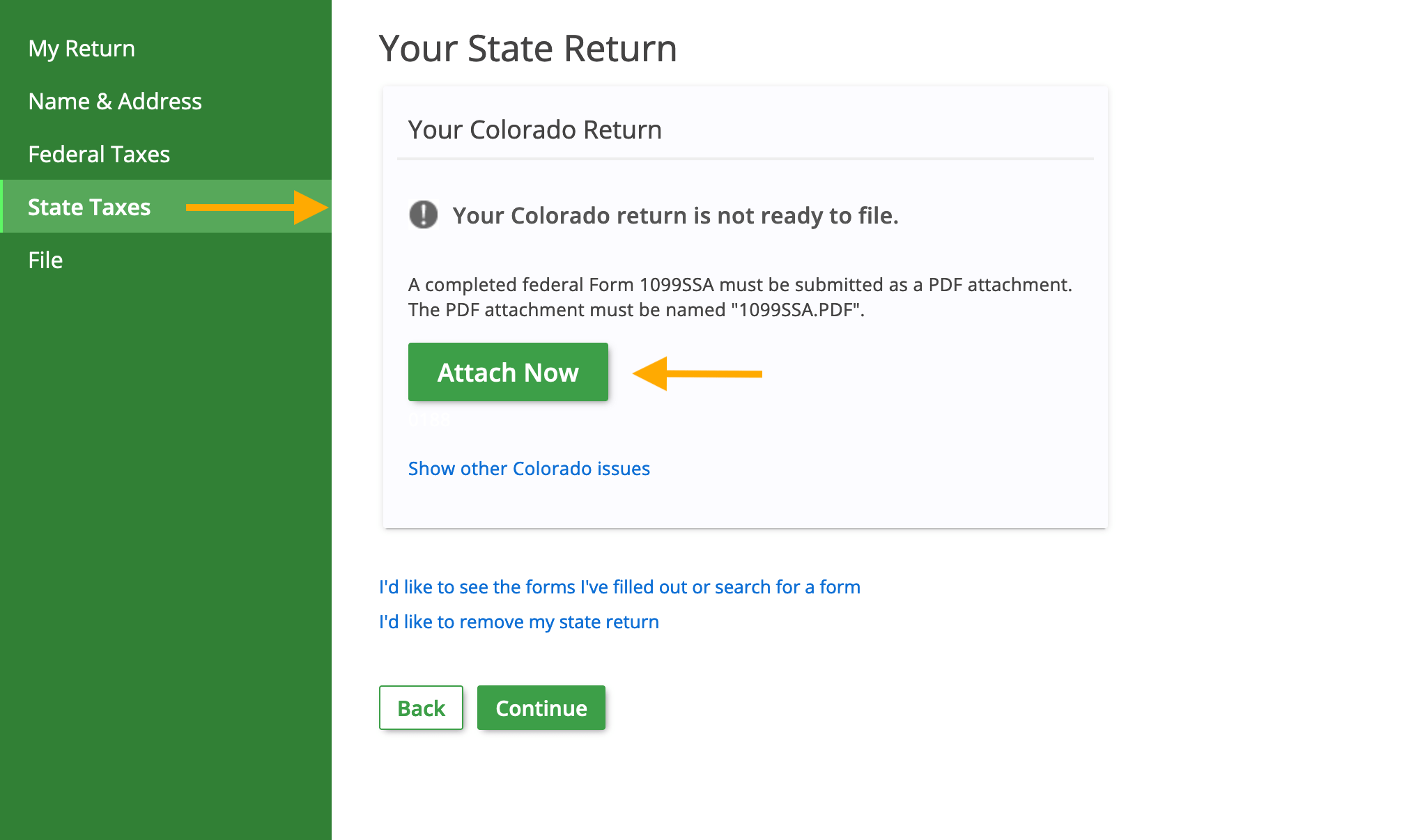
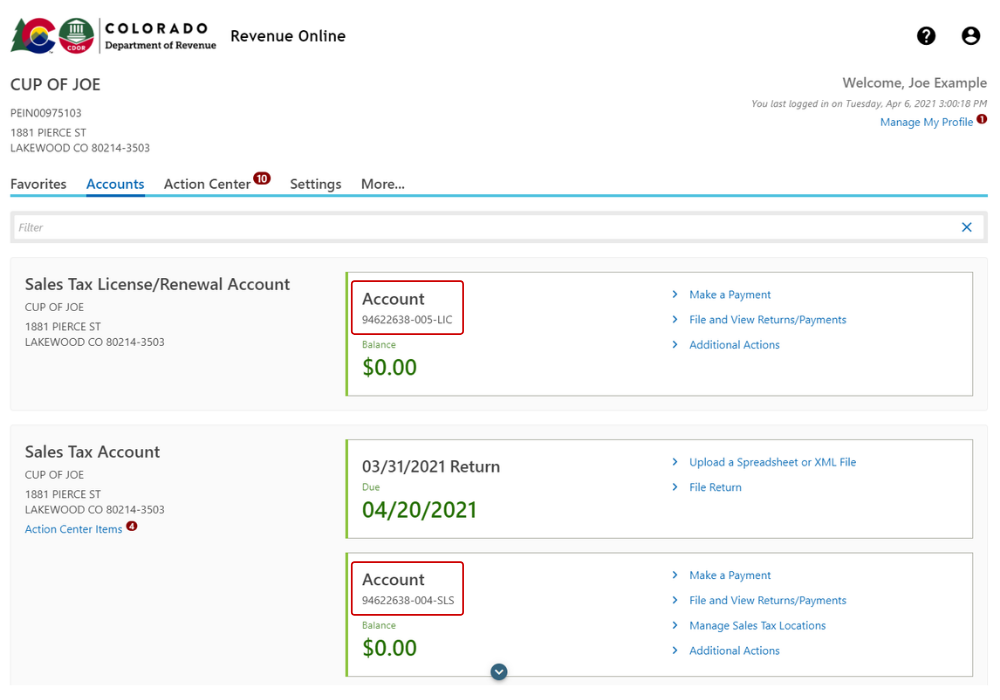
The Colorado Department of Revenue’s website is an invaluable online portal for taxpayers. It provides official forms, detailed instructions, FAQs, and updates on tax laws. Utilizing this resource regularly can help you stay informed about filing deadlines, changes to tax codes, and available online filing options. Many tax software providers also offer state-specific modules that guide you through the Colorado filing process, making it more accessible for individuals who prefer to manage their own taxes. Staying proactive and informed is key to maintaining a stress-free financial life in Colorado.
In conclusion, “When Can I File Colorado State Taxes?” is more than a date on a calendar; it’s a critical component of embracing and sustaining a fulfilling lifestyle in Colorado. By understanding the filing deadlines, planning for potential estimated tax payments, and wisely considering the financial implications of your residency and business decisions, you can navigate the state’s tax landscape with confidence. This proactive approach ensures that your journey to living, working, and thriving in the Centennial State is as smooth and rewarding as the breathtaking vistas you’ll encounter.
LifeOutOfTheBox is a participant in the Amazon Services LLC Associates Program, an affiliate advertising program designed to provide a means for sites to earn advertising fees by advertising and linking to Amazon.com. Amazon, the Amazon logo, AmazonSupply, and the AmazonSupply logo are trademarks of Amazon.com, Inc. or its affiliates. As an Amazon Associate we earn affiliate commissions from qualifying purchases.